
Do Electric Fly Swatter Really Work
2025-06-28
Do Electric Fly Swatters Really Work
When pesky flies invade our homes and outdoor spaces, electric fly swatters seem like a convenient solution. But the question remains: do electric fly swatters really work? In this blog, we'll explore the functionality, effectiveness, and limitations of electric fly swatters to help you decide if they're the right choice for dealing with fly infestations.
How Electric Fly Swatters Work
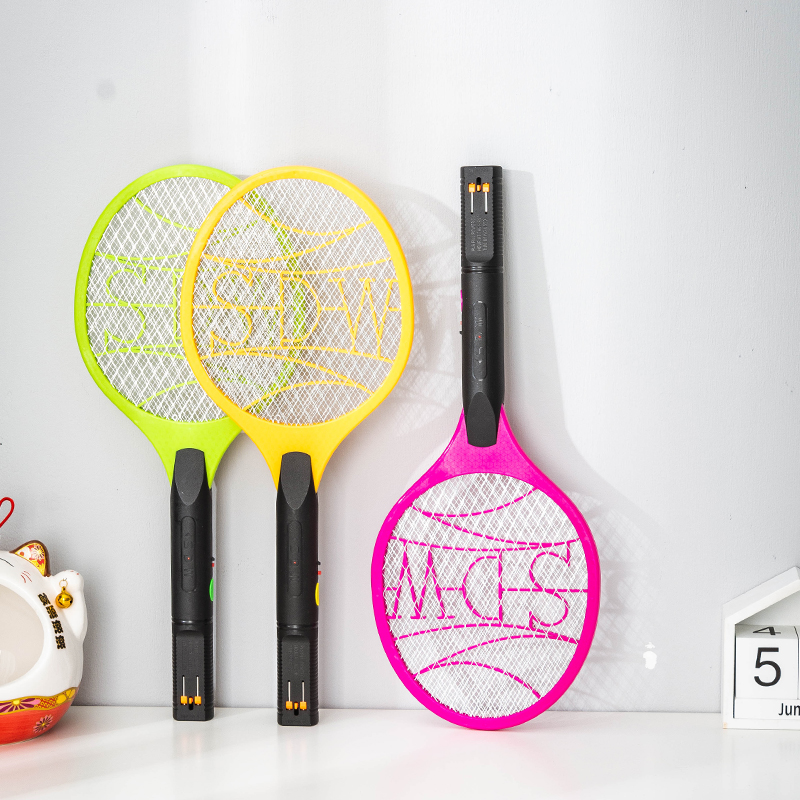
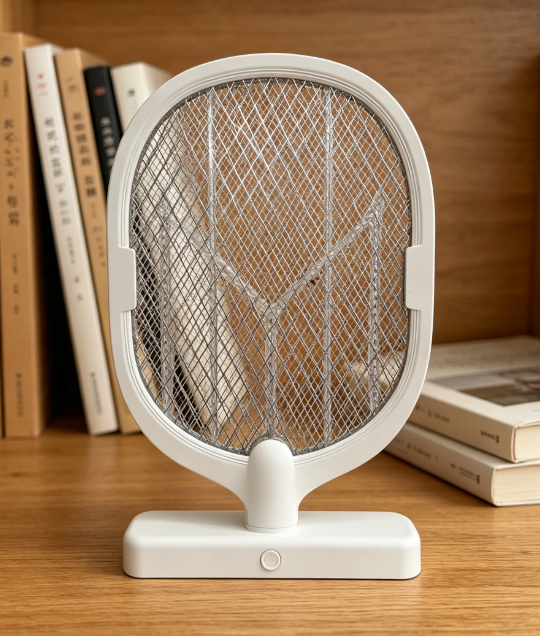
Electric fly swatters operate on a simple yet effective principle. They consist of a mesh grid that is connected to a battery - powered electrical circuit. When the trigger is pressed, an electric current flows through the mesh, creating a high - voltage electrostatic field. When a fly comes into contact with the charged mesh, the electric current disrupts its nervous system, instantly paralyzing and often killing the insect.
Components and Operation
The key components of an electric fly swatter include the handle, which houses the battery and trigger mechanism, and the mesh grid, which is usually made of two or three layers of metal wires. The multi - layer mesh design helps prevent accidental contact with the live wires while ensuring that flies can't easily escape the electric field. Users simply wave the swatter towards the flying insects, and if the fly touches the mesh, it gets zapped.
Effectiveness in Different Scenarios
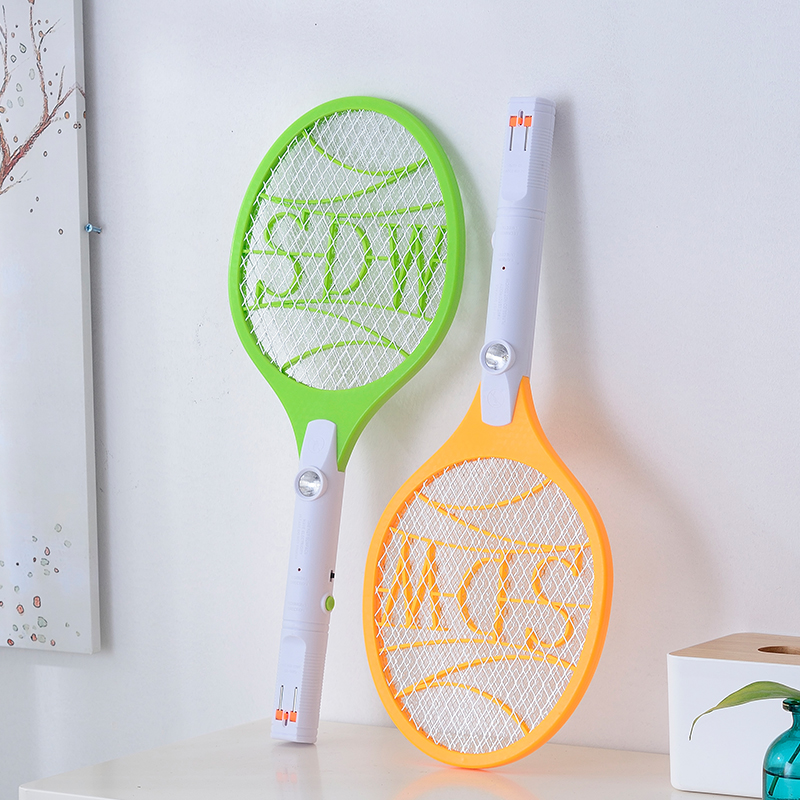
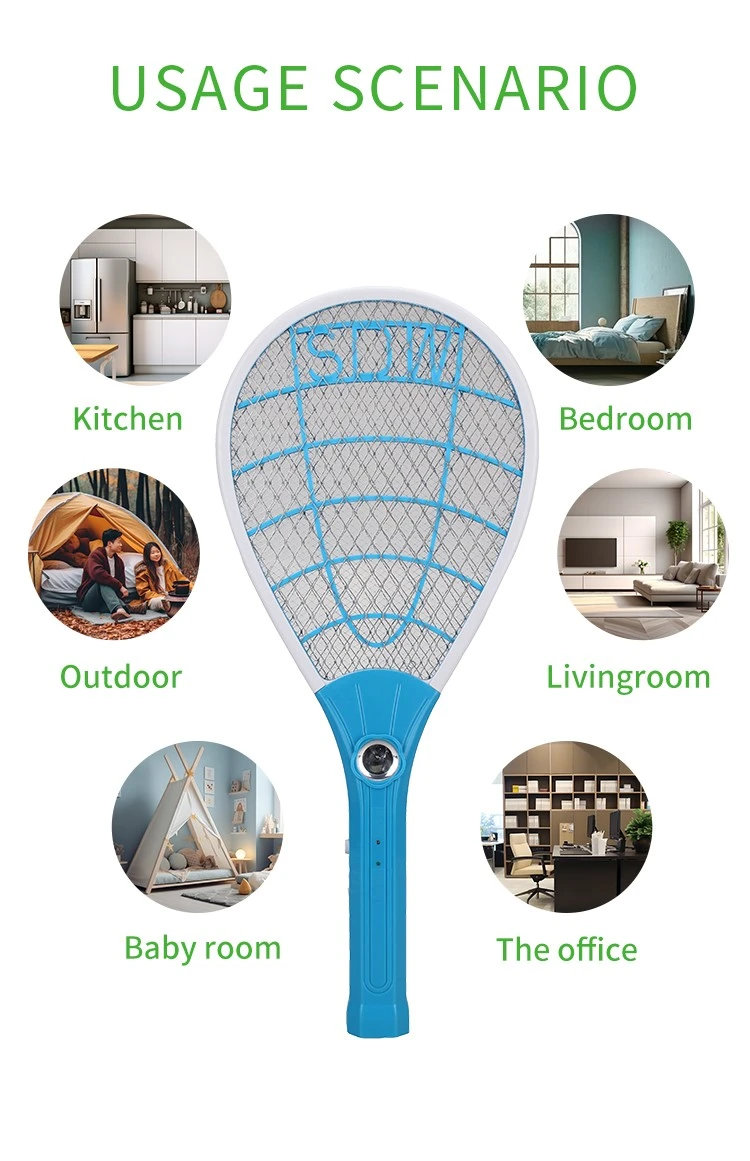
In indoor environments, electric fly swatters can be quite effective. When used in small - to - medium - sized rooms, they allow for targeted elimination of flies. Since you can directly aim at the pests, it's easy to deal with a few individual flies that have made their way into your home. For example, in the kitchen where food odors attract flies, quickly grabbing an electric fly swatter can stop them from landing on your food. However, in larger indoor spaces or areas with a high density of flies, it may take more time and effort to clear the infestation completely.
Outdoor Use
Outdoors, the effectiveness of electric fly swatters varies. In relatively calm conditions, such as in a small garden or patio, they can work well to deal with flies that are buzzing around. But in windy conditions, it becomes more challenging to accurately target the flies, and the swatter may not be as efficient. Additionally, in areas with a large number of flies, like near garbage bins or compost piles, you may find yourself constantly swatting without making a significant dent in the population.
Advantages of Electric Fly Swatters
Immediate Results
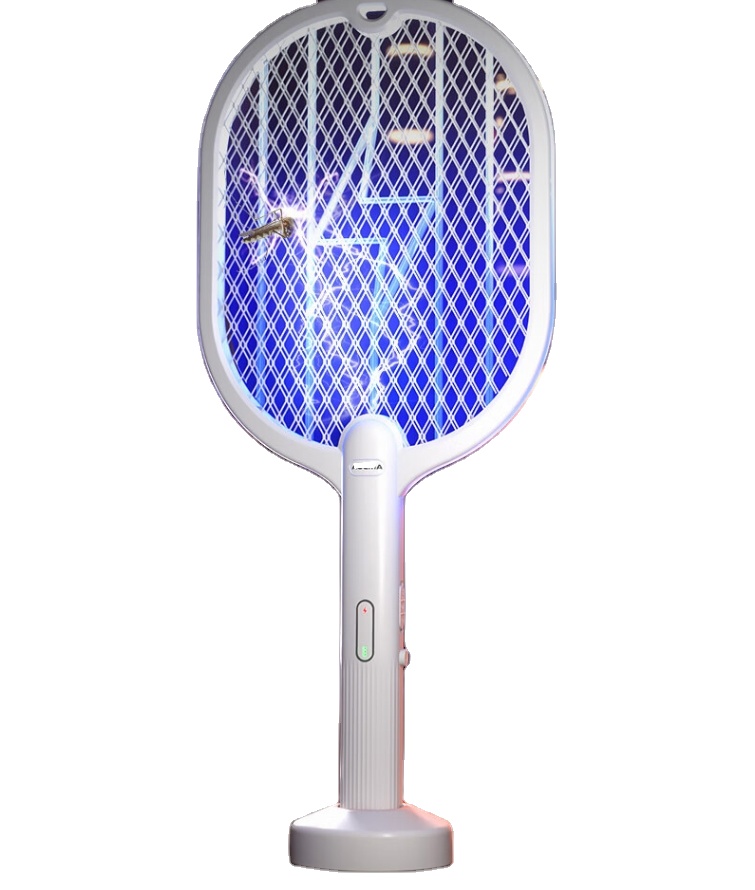
One of the biggest advantages of electric fly swatters is the immediate results they provide. Unlike some insect sprays or traps that may take time to work, an electric fly swatter kills flies instantly upon contact. This instant gratification can be very satisfying when you're dealing with annoying pests.
Chemical - Free
Electric fly swatters are a chemical - free pest control option. This is great for households with children, pets, or individuals who are sensitive to chemicals. You don't have to worry about harmful fumes or residues that could pose a risk to your family's health or the environment.
Reusable and Cost - Effective
They are reusable, as all you need to do is replace the batteries when they run out. Over time, this makes them a cost - effective choice compared to constantly buying disposable fly traps or insecticides.
Limitations and Disadvantages
Physical Effort Required
Using an electric fly swatter requires physical movement and coordination. You need to actively chase and swat at the flies, which can be tiring, especially if there are many of them. This may not be suitable for everyone, especially those with limited mobility.
Limited Range
The effectiveness of electric fly swatters is limited by their range. You have to be relatively close to the fly to successfully zap it. In large open areas or when flies are flying at high speeds, it can be difficult to make contact with the mesh.
Safety Concerns
Although the mesh is designed to prevent accidental shocks, there is still a small risk of electric shock if the swatter is damaged or not used properly. Additionally, if the swatter comes into contact with metal objects or water while in use, it can cause short - circuits or other safety hazards.
Tips for Using Electric Fly Swatters Effectively
- Charge or Replace Batteries Regularly: To ensure the swatter has enough power to generate a strong electric current, keep the batteries charged or replace them when they start to run low.
- Aim Carefully: Since the range is limited, take your time to aim accurately at the flies. Watch their flight patterns and try to anticipate their movements.
- Maintain the Swatter: Regularly check the mesh for any damage or loose wires. Clean the swatter to remove dead insects and debris that could interfere with its performance.
Conclusion
So, do electric fly swatters really work? The answer is yes, but with some caveats. They are effective in many situations, especially for dealing with a small number of flies in indoor or calm outdoor environments. Their immediate results, chemical - free nature, and reusability make them a popular choice. However, they do have limitations in terms of physical effort, range, and safety. By understanding these aspects and using them with the right techniques, electric fly swatters can be a useful addition to your pest control toolkit.
Can a fly survive an electric swatter
Does Mosquito Spray Kill Bees
Related Article

If you’re struggling with annoying mosquitoes, flies, and other flying pests indoors and outdoors, upgrading from traditional manual tools to anElectric Mosquito Swatter is the most efficient solution. Many homeowners and renters search where to buy fly swatter online to find durable, safe, and high-performance electric models that deliver instant pest control.
Where to Buy Fly Swatter
Most importers of electric mosquito swatters obsess over the first order: samples requested, factories vetted, a pre-shipment inspection booked. Then the reorder arrives eight months later and something is off. The grid feels softer. The charge port is a slightly different shade of black. The carton thickness dropped from 350 gsm to 300 gsm. Nothing is catastrophic — but the product no longer matches what your retail customers approved, and quietly, your return rate starts climbing.
How to Keep Mosquito Swatter Quality Consistent Across Repeat Orders
Warranty returns are the silent margin killer in the mosquito control category. A distributor who buys a swatter at $1.80 FOB and retails it at $9.90 can absorb a 1% return rate without noticing — but at 5%, the combined cost of replacement units, reverse logistics, and refund processing erases most of the line's profit.
Common mosquito swatter killer lamp failure modes wholesale spec guide

Digital bathroom scales rank as the second-highest-volume consumer weighing product category, only behind kitchen scales, with distinct market and product characteristics that set them apart from other scale types in importers’ product portfolios.
Digital bathroom body fat-bia-scale wholesale buyers guide