
Do electric fly zappers require regular maintenance
2025-07-05
Do electric fly zappers require regular maintenance
When it comes to keeping your home free from pesky flies and other insects, electric fly zappers can be a highly effective solution. But a common question that arises is: Do electric fly zappers require regular maintenance? In this blog, we'll explore the maintenance needs of electric fly zappers, and also draw comparisons with electric mosquito killers and electric mosquito swatters to give you a comprehensive understanding of pest control device upkeep.
Why Regular Maintenance is Essential
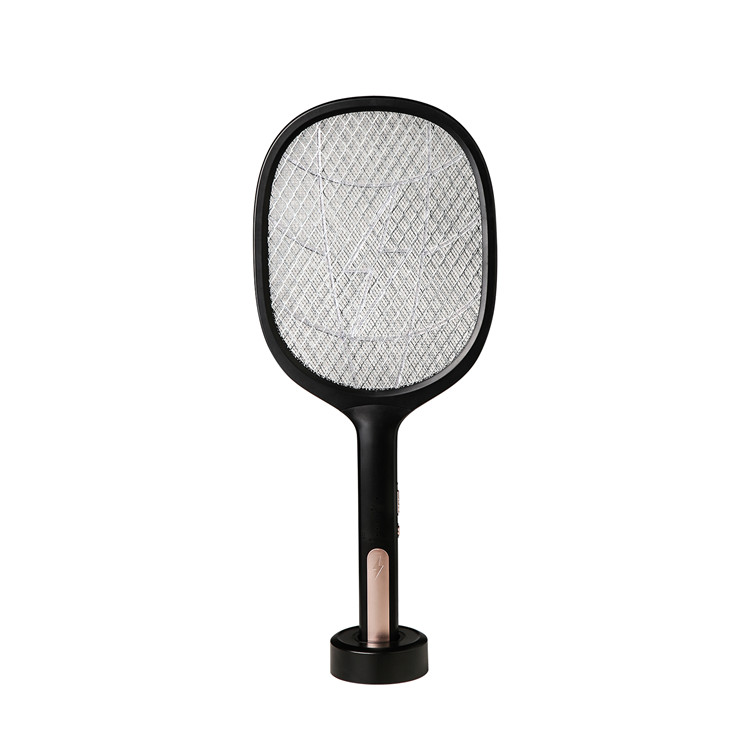
Optimal Performance
Over time, dead insects and debris accumulate on the electrified grid and other parts of the electric fly zapper. This buildup can interfere with the UV light's ability to attract insects and reduce the effectiveness of the zapping mechanism. Regular cleaning and maintenance ensure that the zapper continues to operate at its best, efficiently luring and eliminating flies. For example, if the grid is clogged with too many dead bugs, it might not deliver a strong enough electric shock to kill incoming insects.
Safety Precautions
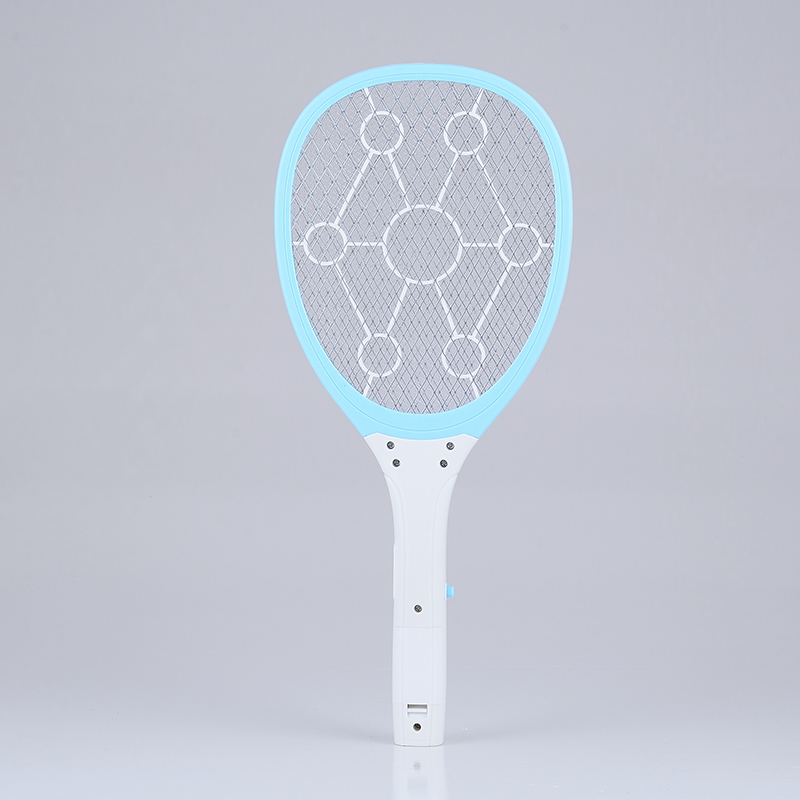
A well - maintained electric fly zapper is a safer one. Accumulated debris can sometimes cause short circuits within the device, posing a fire hazard or the risk of electric shock. By regularly checking and cleaning the zapper, you can prevent these potential safety issues. Additionally, ensuring that all electrical connections are secure and the casing is intact further enhances the safety of the device, especially in households with children and pets.
Maintenance Steps for Electric Fly Zappers
Cleaning the Grid
The most crucial maintenance task for electric fly zappers is cleaning the electrified grid. First, always unplug the zapper from the power source to avoid any risk of electric shock. Then, use a soft - bristled brush or a long - handled tool to gently remove the dead insects and debris from the grid. You can also use compressed air to blow away the smaller particles. Avoid using water or any liquid cleaners, as they can damage the electrical components.
Checking Electrical Components
Periodically, inspect the power cord, plug, and any internal wiring for signs of wear or damage. Look for frayed cords, loose connections, or exposed wires. If you notice any issues, it's best to either replace the damaged parts or contact a professional for repairs. This helps to ensure the zapper functions properly and reduces the risk of electrical malfunctions.
Comparison with Electric Mosquito Killers and Electric Mosquito Swatters
Electric Mosquito Killers
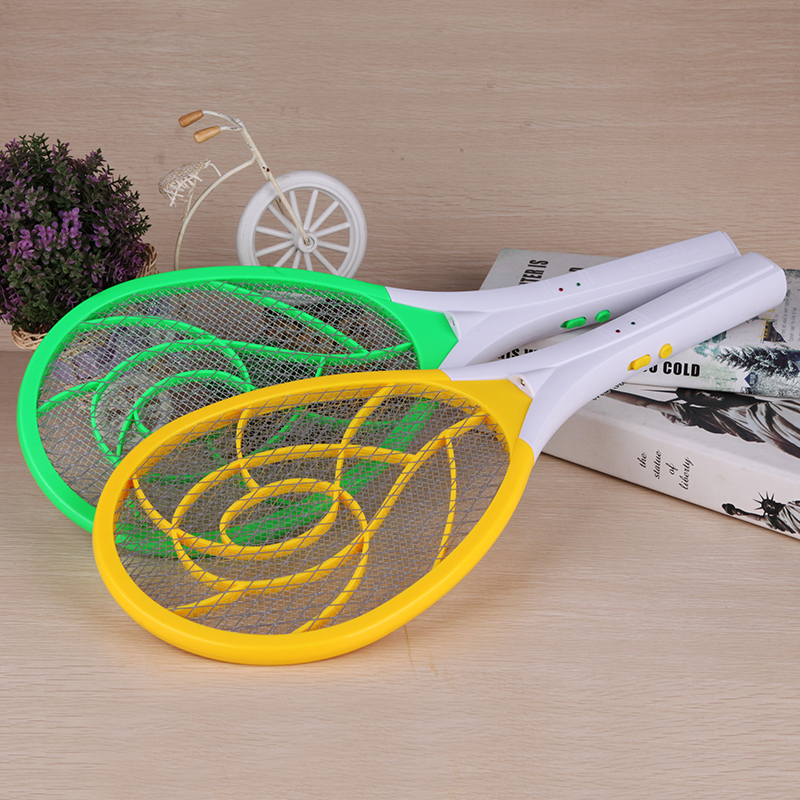
Electric mosquito killers share a similar working principle with electric fly zappers, and thus have comparable maintenance requirements. They also need regular cleaning of the grid to remove dead mosquitoes and debris. However, since mosquitoes are often smaller than flies, the grid on mosquito killers might require more delicate cleaning to avoid damaging the fine mesh. Additionally, mosquito killers are sometimes used outdoors, so they may need more frequent checks for weather - related damage, such as cracks caused by exposure to sunlight or rain.
Electric Mosquito Swatters
Electric mosquito swatters have relatively simpler maintenance needs. After each use, it's a good idea to shake off any dead insects or debris stuck to the grid. Periodically, check the battery compartment (if it's battery - operated) for any signs of corrosion and replace the batteries when needed. Unlike fly zappers and mosquito killers, electric mosquito swatters don't have complex electrical systems that require in - depth inspections, making them easier to maintain overall.
In conclusion, electric fly zappers do require regular maintenance to ensure optimal performance and safety. By following the proper maintenance steps and understanding how they compare to other pest control devices like electric mosquito killers and electric mosquito swatters, you can keep your fly zapper in good working condition for a long time, effectively protecting your home from unwanted insects.
How to Maintain Your Bug Zapper for Maximum Efficiency
Bug Zappers vs. Chemical Sprays: Which is Safer for Your Family and Pets
Related Article

If you’re struggling with annoying mosquitoes, flies, and other flying pests indoors and outdoors, upgrading from traditional manual tools to anElectric Mosquito Swatter is the most efficient solution. Many homeowners and renters search where to buy fly swatter online to find durable, safe, and high-performance electric models that deliver instant pest control.
Where to Buy Fly Swatter
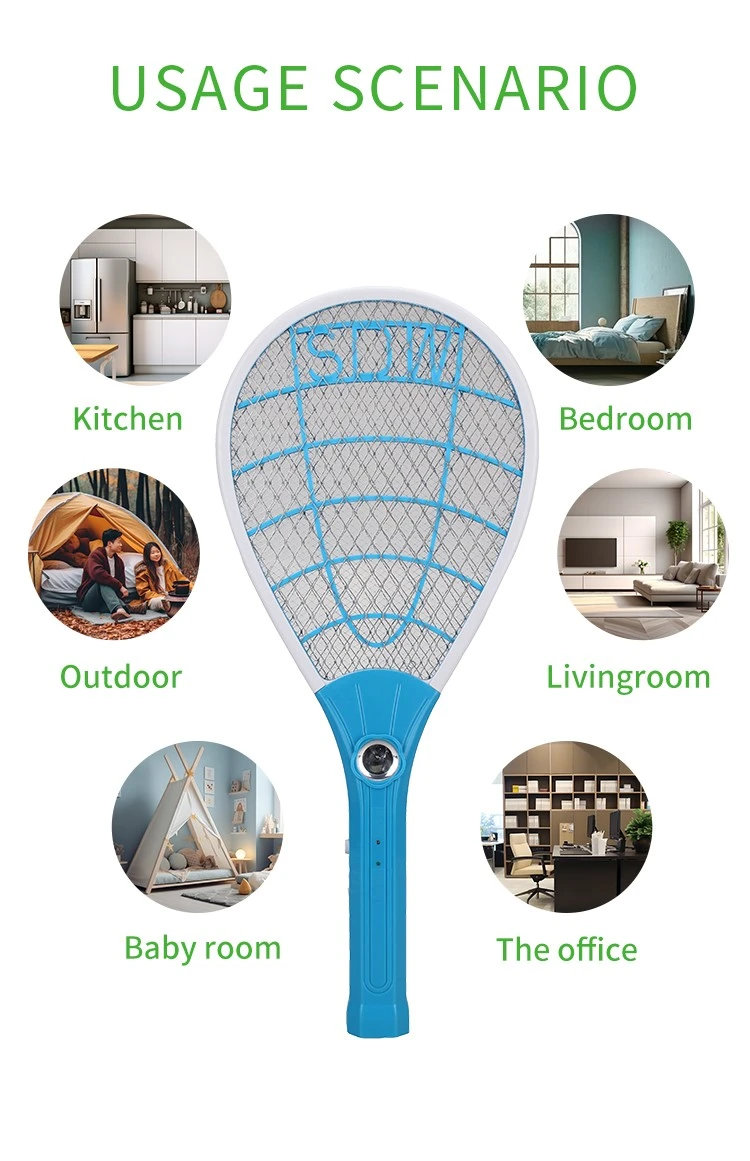
Most importers of electric mosquito swatters obsess over the first order: samples requested, factories vetted, a pre-shipment inspection booked. Then the reorder arrives eight months later and something is off. The grid feels softer. The charge port is a slightly different shade of black. The carton thickness dropped from 350 gsm to 300 gsm. Nothing is catastrophic — but the product no longer matches what your retail customers approved, and quietly, your return rate starts climbing.
How to Keep Mosquito Swatter Quality Consistent Across Repeat Orders
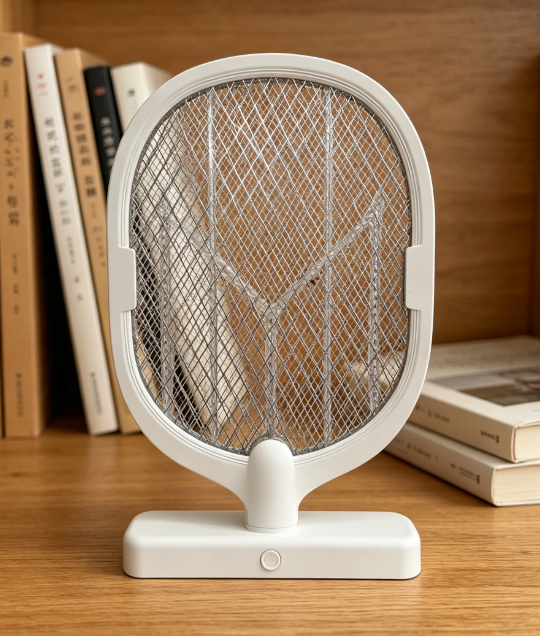
Warranty returns are the silent margin killer in the mosquito control category. A distributor who buys a swatter at $1.80 FOB and retails it at $9.90 can absorb a 1% return rate without noticing — but at 5%, the combined cost of replacement units, reverse logistics, and refund processing erases most of the line's profit.
Common mosquito swatter killer lamp failure modes wholesale spec guide

Digital bathroom scales rank as the second-highest-volume consumer weighing product category, only behind kitchen scales, with distinct market and product characteristics that set them apart from other scale types in importers’ product portfolios.
Digital bathroom body fat-bia-scale wholesale buyers guide