
Do Electric Mosquito Swatters Cause Electric Shocks
2026-09-21
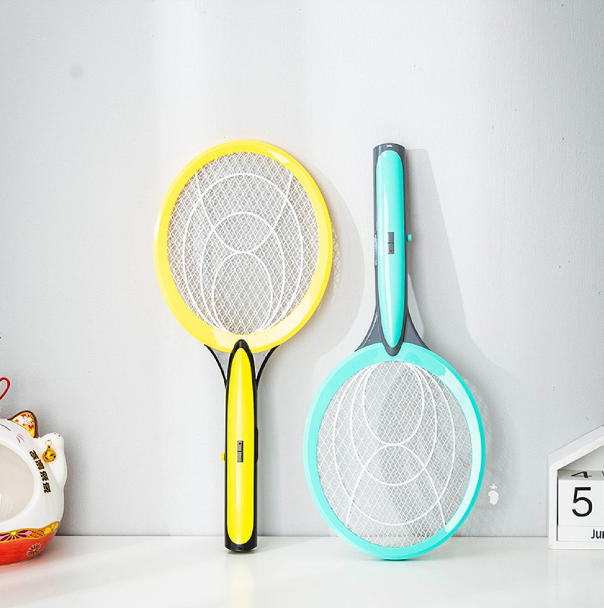
Do Electric Mosquito Swatters Cause Electric Shocks? Real Risks & Safety Guide
1. Opening Verdict: Electric Mosquito Swatters Can Shock, But Are Harmless
During mosquito season, electric mosquito swatters are essential household tools. Highly efficient, quiet, and chemical-free, they have replaced traditional mosquito coils and repellent liquids as the top choice for most families. Almost everyone has accidentally touched the electric grid of a swatter and felt a sudden numbing shock. Many people wonder: these swatters are labeled with thousands of volts of high voltage, which sounds extremely dangerous. Why do they only deliver a brief numb jolt without causing injury? Is this due to professional safety design, or are there hidden risks we overlook?
Here is a clear and reliable conclusion: Electric mosquito swatters can cause electric shocks. For brand-new, fully functional swatters used in dry and standard conditions, they pose no fatal danger to healthy adults and children, only causing momentary stinging, numbness, or slight finger trembling. However, significant discomfort and potential safety hazards may occur when used in humid environments, with damaged devices, or when touched by sensitive groups, requiring extra caution.
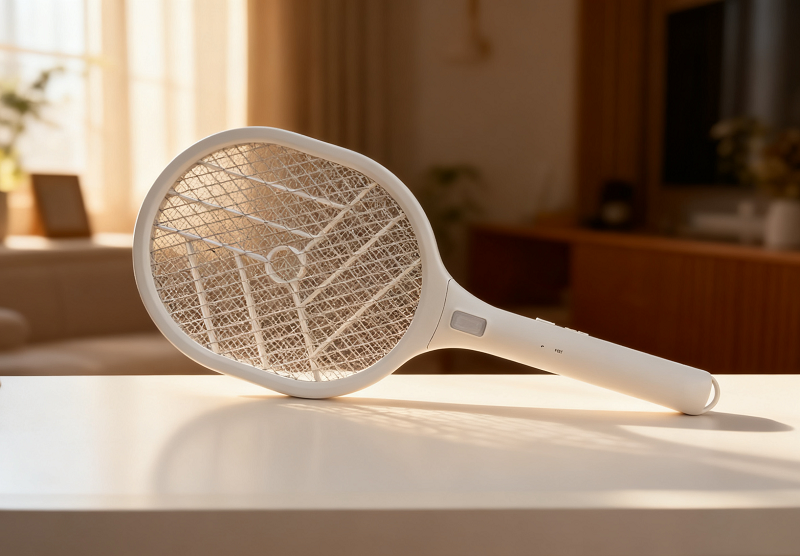
2. Why High-Voltage Mosquito Swatters Do Not Harm Humans
Most people are misled by electrical parameters, assuming higher voltage always means higher risk. Common rechargeable electric mosquito swatters work at 500V to 3000V, a figure far exceeding the 220V household mains electricity, which makes them seem intimidating. Yet in electrical safety principles, the severity of an electric shock depends not on voltage, but on current, stored electricity, and discharge duration. Household mains electricity causes injuries due to continuous high current, while the high voltage of mosquito swatters is only instantaneous and non-sustaining.
2.1 Core Working Principle
Electric mosquito swatters adopt an instantaneous high-voltage, ultra-low-current pulse discharge design with extremely low capacitance storage. The built-in boost module instantly raises the voltage to break down the bodies of mosquitoes and small flying insects, achieving instant insect-killing effects. The output current is only at the microampere level with an extremely short discharge cycle, and the power depletes immediately after release. This precise design is powerful enough to eliminate tiny, fragile insects but generates insufficient current and power to penetrate human skin or damage human tissues, resulting in no substantial harm to the human body.
2.2 Physical Sensation of Electric Shocks on Humans
Accidental light contact with the electrified grid only causes a momentary sharp stinging sensation, mild finger numbness, or slight arm trembling that fades instantly with no aftereffects. Standard accidental contact will not lead to skin redness, burns, or wounds, nor will it cause sustained muscle spasms, chest tightness, or damage to the heart and nervous system. This inherent safety design allows electric mosquito swatters to be widely used in families as user-friendly daily necessities suitable for both adults and children.

3. Scenarios That Amplify Electric Shock Discomfort
Although qualified electric mosquito swatters are safe for regular use with negligible accidental shock risks, the intensity of discomfort varies greatly in different environments and contact states. Certain usage scenarios will significantly enhance stinging and numb sensations, leading to unpleasant experiences that users should actively avoid.
3.1 Wet or Sweaty Hands
Human skin resistance acts as the primary barrier against electric shocks. Dry and intact skin has high resistance, which effectively blocks the tiny current of mosquito swatters and weakens shock sensations. However, sweaty hands, unwashed wet hands, or use in humid environments such as balconies and bathrooms drastically reduce skin resistance. Current can easily penetrate the skin, doubling stinging and numbing sensations, and fingertip numbness may even last for several seconds.
3.2 Sustained Grid Contact
Most accidental touches are fleeting, resulting in minimal discomfort. However, long-term pressing or close contact with the electrified grid subjects the body to continuous high-voltage pulse stimulation. Brief stinging will turn into persistent soreness and numbness, accompanied by slight arm stiffness. Though still non-lethal, the experience is extremely uncomfortable and should never be deliberately tested.
3.3 Contact with the Inner High-Voltage Grid
All regular branded mosquito swatters adopt double-layer or triple-layer protective grid designs. The outer thick protective grid is non-conductive and insulated, specifically designed to prevent daily accidental contact and reduce shock risks. Only the dense inner metal grid carries high voltage. Curious children or adults who pry open the outer protective layer and directly touch the inner high-voltage grid will experience a 100% shock with noticeably stronger intensity and more severe discomfort.
4. Hidden Safety Hazards Beyond Minor Shocks
Slight accidental shocks are completely harmless to healthy adults and require no excessive concern. Nevertheless, electric mosquito swatters have more hidden safety risks caused by aging equipment, improper operation, and contact with vulnerable groups. These easily overlooked household hazards deserve serious attention.
4.1 Strictly Prohibited for Sensitive Groups
Trivial electric pulses that barely affect adults can cause obvious discomfort to sensitive populations. Infants and young children have underdeveloped nervous and cardiac systems with extremely low physical tolerance. Elderly people, physically weak individuals, and those with underlying conditions such as heart disease, hypertension, neurasthenia, and arrhythmia are highly sensitive to electrical stimulation. Even a momentary mild shock may trigger palpitations, panic, crying, and physical discomfort. Sensitive groups must never touch electrified mosquito swatters.
4.2 Leakage Risks from Damaged or Wet Swatters
Brand-new and intact swatters feature stable circuits and controllable power output. However, prolonged use, cracked casings, aging internal wires, water immersion, or moisture exposure will cause voltage stabilization failure, current leakage, and abnormal capacitance charging. Unstable high-voltage output intensifies electric numbness, causes continuous hand tingling, and may lead to overcharging and spontaneous discharge with major safety risks. Never rinse the grid with water, minimize use in humid conditions, and replace aging or damaged swatters in a timely manner.
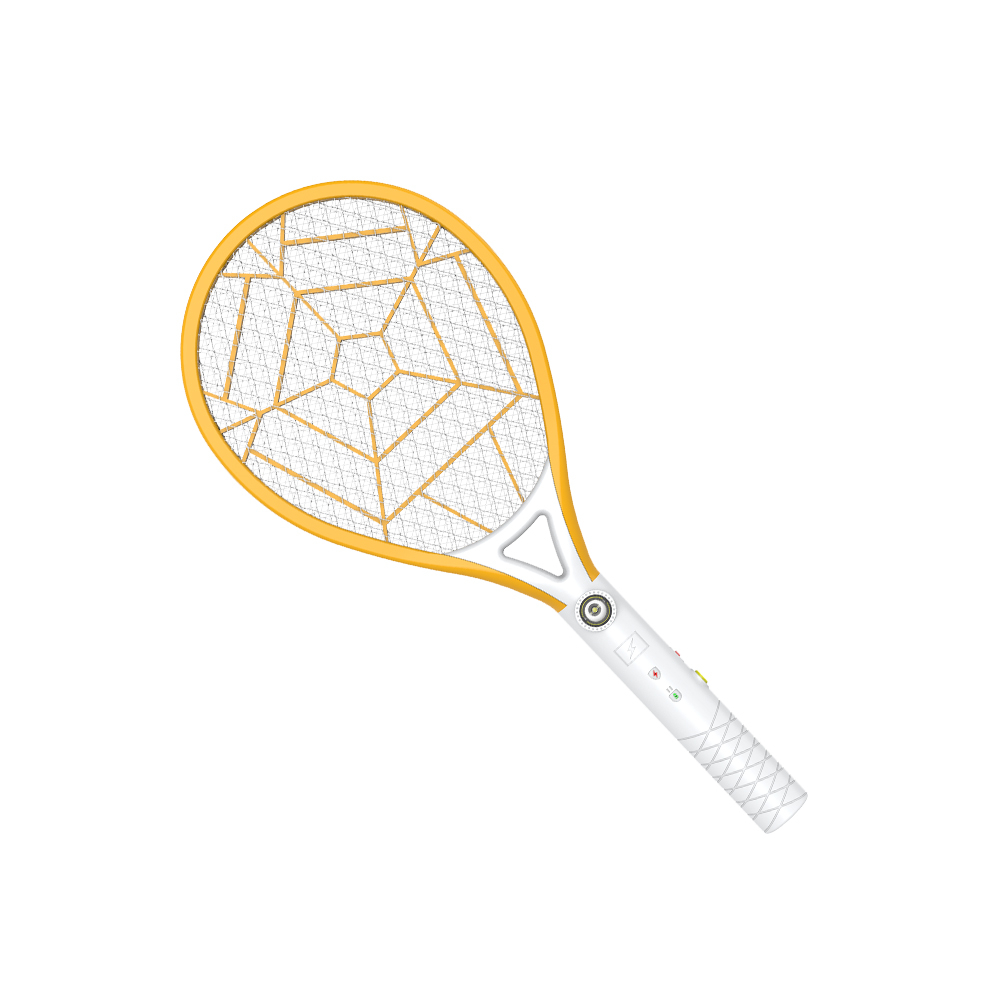
4.3 No Use Near Flammable and Explosive Substances
This is the most fatal and underrated hazard of electric mosquito swatters, far more dangerous than minor electric shocks. The working grid generates tiny, invisible electric sparks during discharge. While harmless in ordinary environments, these sparks can ignite flammable gases and substances in confined spaces, including gas leaks, alcohol sprays, insecticide aerosols, flour dust, and oil fumes, causing fires or flash explosions. Multiple safety accidents have occurred due to improper operation, making this rule critical to follow.
5. Daily Safety Usage Tips
To completely avoid electric shock discomfort and eliminate potential safety hazards for safe summer use, simply follow these practical and straightforward daily rules and develop good usage habits:
1. Always ensure dry hands before use. Do not turn on the switch with sweaty or wet hands to minimize electric shock discomfort;
2. Avoid touching the grid immediately after killing insects. The capacitor retains residual power for a short time. Wait 3 to 5 seconds for complete discharge before cleaning insect residues;
3. Turn off the power immediately after each use to prevent accidental contact by family members or children with the electrified grid;
4. Inspect the swatter regularly. Stop using and replace the device promptly if you find cracked casings, faulty buttons, abnormal charging, moisture damage, or spontaneous discharge faults to eliminate hidden dangers of aging equipment.
6. Conclusion
In summary, the thousands of volts marked on electric mosquito swatters are seemingly intimidating but essentially safe. The professionally designed ultra-low current and low storage capacity fundamentally eliminate lethal injury risks, making minor accidental shocks nothing to worry about. Electric mosquito swatters are extremely safe household insect-killing tools, but safety relies entirely on standardized use and regular maintenance. Do not take their safety design for granted. Avoid humid usage environments, high-risk operations, and contact with sensitive groups, replace damaged aging devices in a timely manner, and abide by safety specifications to enjoy a mosquito-free and safe summer.
canton-fair-140-vetting-mosquito-swatter-suppliers
digital-scale-accuracy-load-cell-calibration-oiml-ntep-wholesale-guide
Related Article
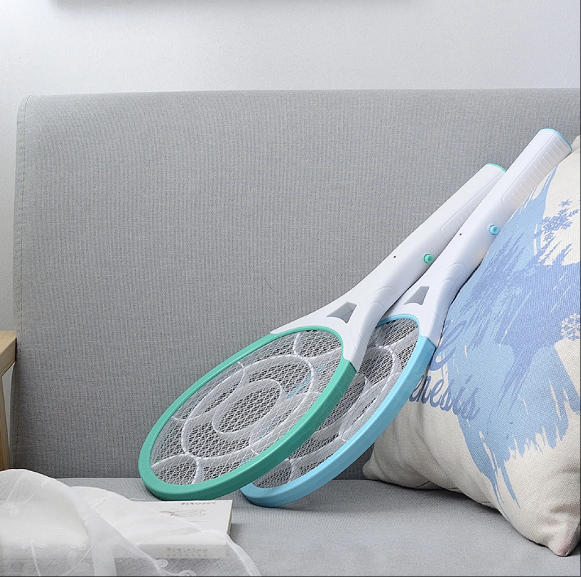
If you’re struggling with annoying mosquitoes, flies, and other flying pests indoors and outdoors, upgrading from traditional manual tools to anElectric Mosquito Swatter is the most efficient solution. Many homeowners and renters search where to buy fly swatter online to find durable, safe, and high-performance electric models that deliver instant pest control.
Where to Buy Fly Swatter
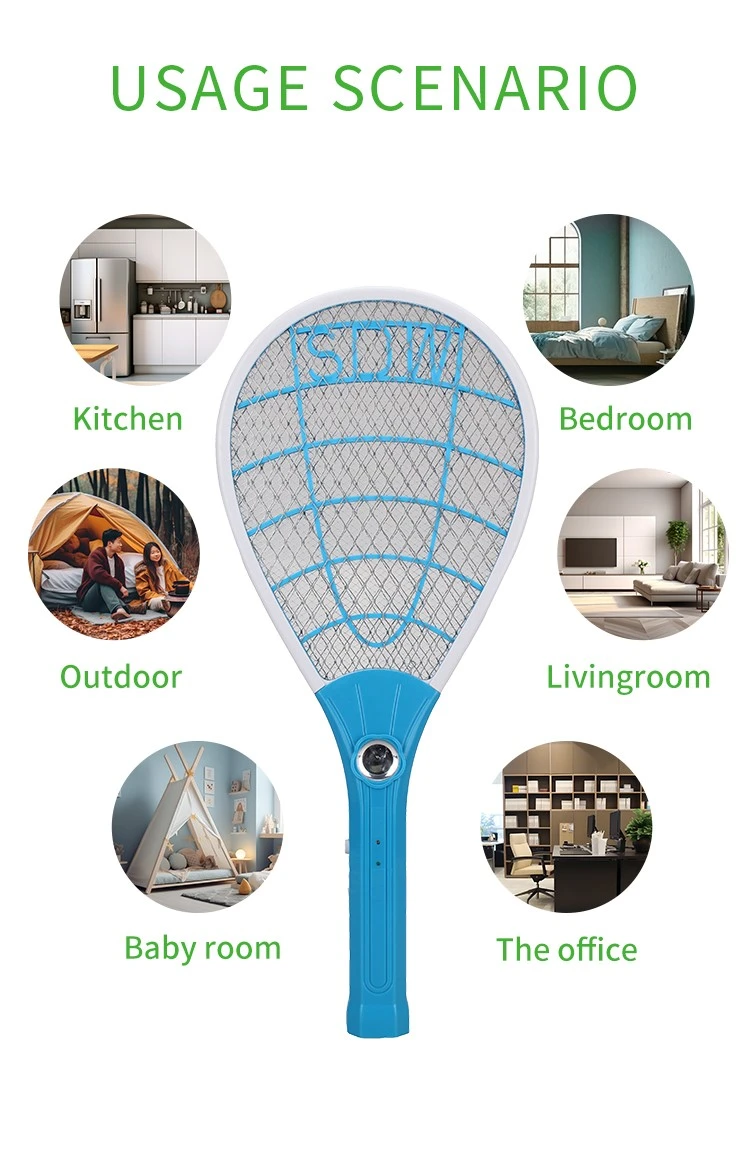
Most importers of electric mosquito swatters obsess over the first order: samples requested, factories vetted, a pre-shipment inspection booked. Then the reorder arrives eight months later and something is off. The grid feels softer. The charge port is a slightly different shade of black. The carton thickness dropped from 350 gsm to 300 gsm. Nothing is catastrophic — but the product no longer matches what your retail customers approved, and quietly, your return rate starts climbing.
How to Keep Mosquito Swatter Quality Consistent Across Repeat Orders
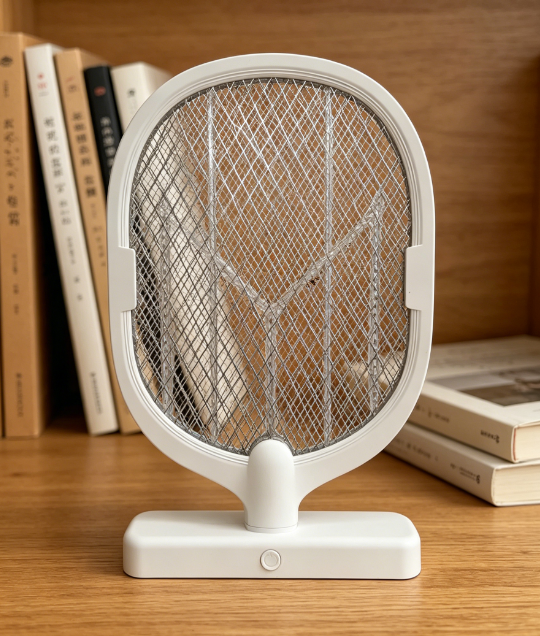
Warranty returns are the silent margin killer in the mosquito control category. A distributor who buys a swatter at $1.80 FOB and retails it at $9.90 can absorb a 1% return rate without noticing — but at 5%, the combined cost of replacement units, reverse logistics, and refund processing erases most of the line's profit.
Common mosquito swatter killer lamp failure modes wholesale spec guide

Digital bathroom scales rank as the second-highest-volume consumer weighing product category, only behind kitchen scales, with distinct market and product characteristics that set them apart from other scale types in importers’ product portfolios.
Digital bathroom body fat-bia-scale wholesale buyers guide