
Do Electronic Mosquito Killers Really Work
2025-07-30
Do Electronic Mosquito Killers Really Work?
With the arrival of summer, mosquitoes become annoying frequent visitors, and electronic mosquito killers have emerged as popular solutions. But do these devices really repel mosquitoes as advertised, or is it just an exaggeration by merchants? The answer is not straightforward, as their effectiveness depends on various factors. Let's delve deeper into this.
How Electronic Mosquito Killers Work
Mosquito Killer Lamps: Luring and Capturing
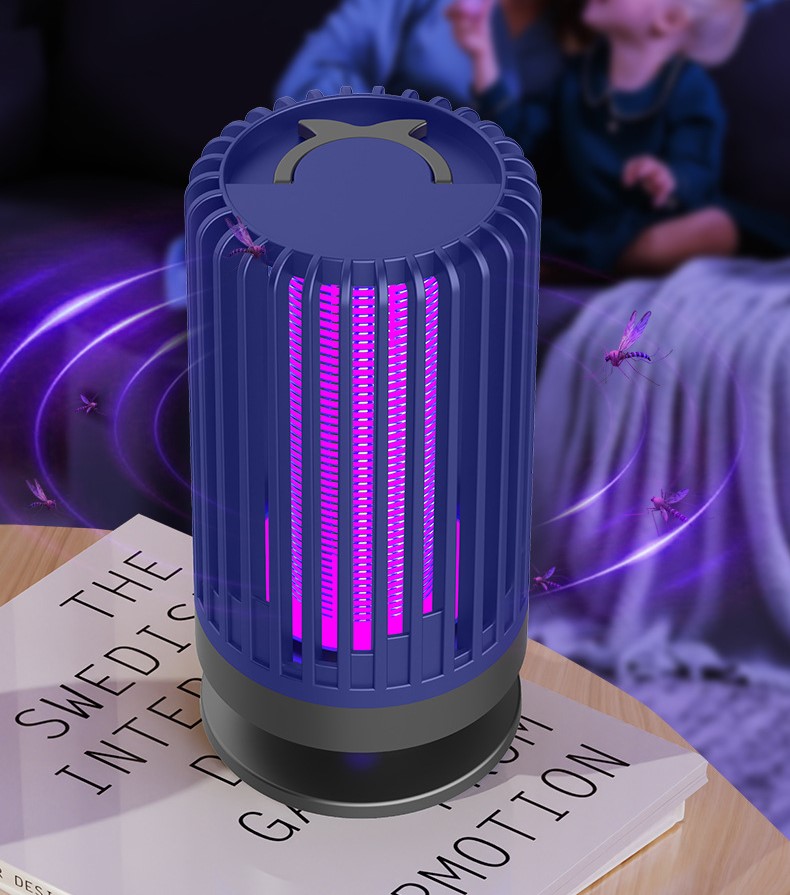
Mosquito killer lamps work by exploiting the instincts of mosquitoes. They emit ultraviolet light with a wavelength of 365-420 nanometers, which is highly attractive to mosquitoes. Some advanced models also simulate the heat and carbon dioxide emitted by the human body to further enhance the luring effect. When mosquitoes get close, they are either electrocuted by a high-voltage grid or sucked into a storage box by a fan, where they die from dehydration.
Electric Mosquito Swatters: Direct Elimination
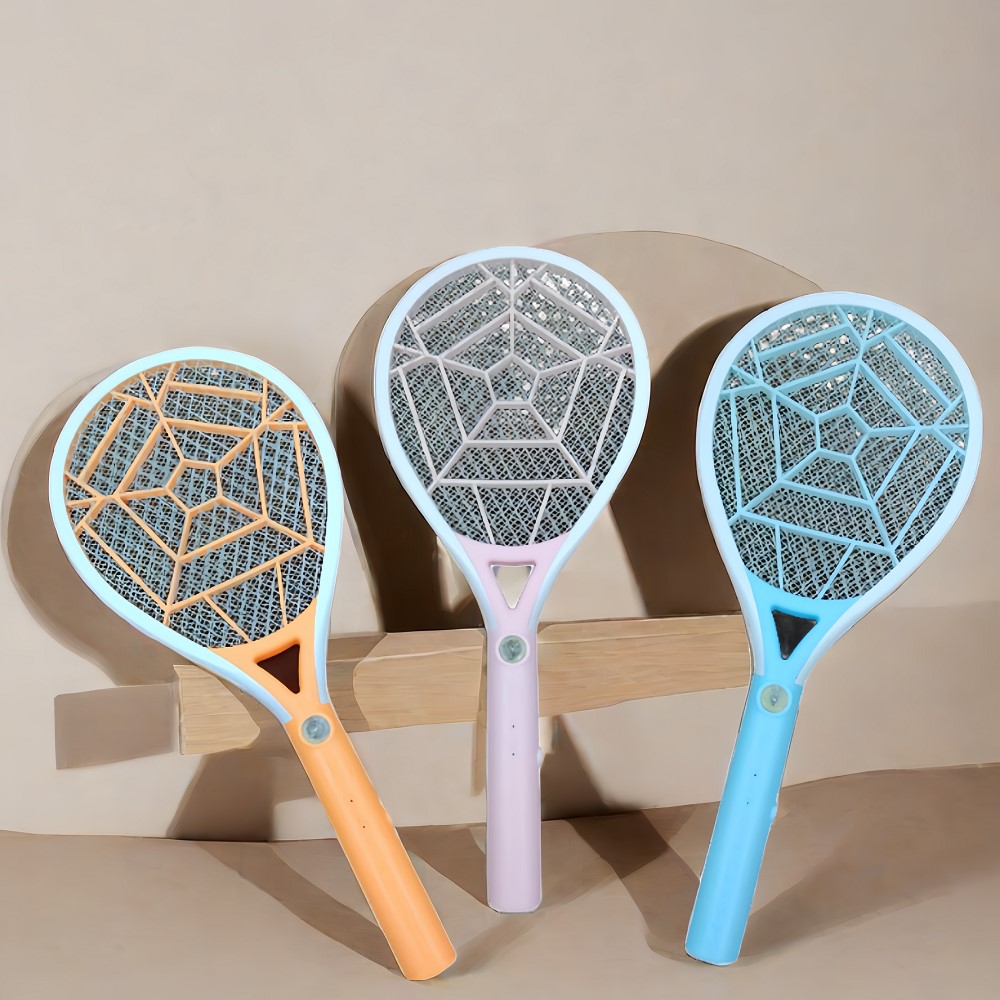
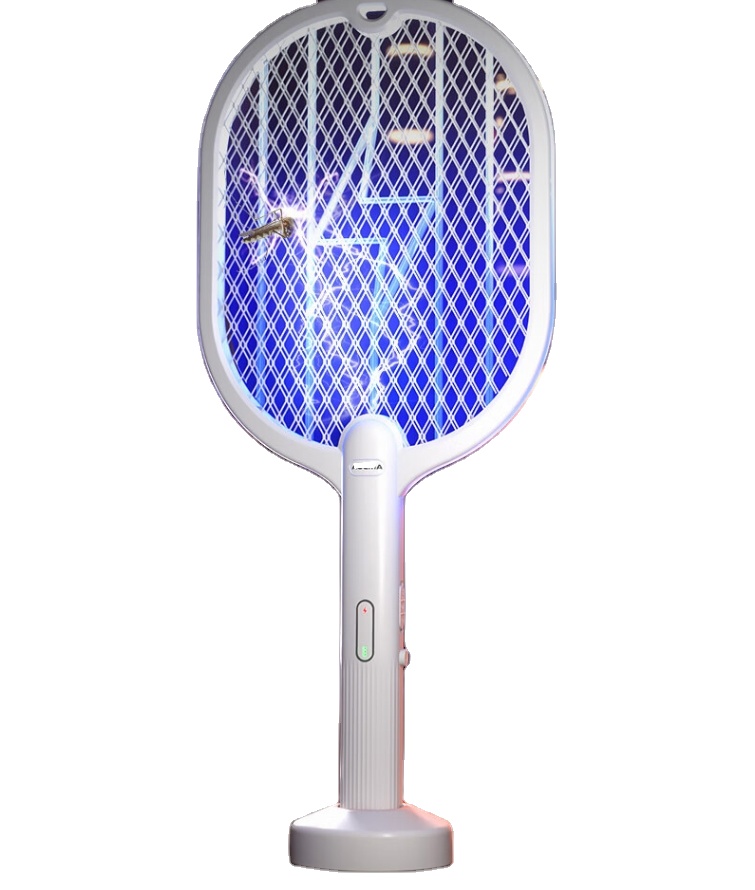
Electric mosquito swatters work by generating a high voltage of approximately 1850 volts through their internal circuits, creating an electrostatic field between the double-layered grids. When a mosquito comes into contact with the grids, it is electrostatically attracted and instantly electrocuted. This method is mainly used for manually targeting and eliminating visible mosquitoes.
Effectiveness in Different Scenarios
Indoor Environments
In enclosed indoor spaces, mosquito killer lamps can achieve good continuous killing effects. For example, low-noise models are suitable for bedrooms as they won't disturb sleep when operating at night; some mosquito killer lamps, with their 360° lighting range, are suitable for use in living rooms, kitchens, and other areas. However, if there is strong light indoors, it may weaken their attractiveness to mosquitoes.
Electric mosquito swatters are quite effective in dealing with visible mosquitoes indoors, as they can accurately eliminate the mosquitoes right in front of you. But they require manual initiative and are relatively labor-consuming.
Outdoor Environments
Outdoor-specific mosquito killer lamps (such as models with a coverage area of up to 600 square feet) can reduce the number of mosquitoes to a certain extent. It is recommended to purchase professional solar-powered, plug-free mosquito killer lamps.
When electric mosquito swatters are used outdoors, due to the wide range of mosquito activities and their fast flying speed, it is more difficult to catch them, resulting in a significant reduction in effectiveness. At the same time, safety precautions must be taken.
Key Factors Affecting Effectiveness
The Devices Themselves
Factors such as the power of mosquito killer lamps, the diversity of luring methods (e.g., having light, heat, and carbon dioxide simulation functions at the same time), as well as the grid density and voltage stability of electric mosquito swatters, all affect the killing effect. Choosing products from regular brands is more reliable, as inferior products often fail to live up to their advertised effects.
Environmental Conditions
Environmental factors such as strong light, wind and rain, temperature, and humidity can affect the performance of the devices. For example, the attractiveness of mosquito killer lamps decreases in strong light, and using electric mosquito swatters in humid environments poses safety risks. The size of the space is also important; devices can play a more concentrated role in small spaces.
Different mosquito species have different sensitivities to luring signals. Some are more easily attracted by ultraviolet light, while others are more sensitive to carbon dioxide. In addition, the activity time of mosquitoes (such as being active at night and resting during the day) also affects the effectiveness of the devices.
Usage Suggestions to Improve Effectiveness
Mosquito killer lamps should be placed at a height of 1.5-2 meters, away from strong light. The internal mosquito corpses should be cleaned regularly, and the power must be turned off before cleaning (high-voltage models need to be discharged first).
Before using an electric mosquito swatter, check its appearance. It only needs to be charged for 3-5 hours. Avoid operating it with wet hands and do not use it simultaneously with flammable and explosive items.
Relying solely on mosquito killers is difficult to completely control mosquitoes. Combining with measures such as cleaning up stagnant water and installing screen windows can more effectively reduce the number of mosquitoes.
In conclusion, electronic mosquito killers can effectively reduce the number of mosquitoes when used correctly, but due to various factors, they cannot achieve 100% elimination. Only by choosing and using them reasonably, and cooperating with other anti-mosquito measures, can we better create a mosquito-free environment.
What is Chikungunya and How to Prevent It
How to Safely Use Mosquito Control Devices
Related Article

If you’re struggling with annoying mosquitoes, flies, and other flying pests indoors and outdoors, upgrading from traditional manual tools to anElectric Mosquito Swatter is the most efficient solution. Many homeowners and renters search where to buy fly swatter online to find durable, safe, and high-performance electric models that deliver instant pest control.
Where to Buy Fly Swatter

Most importers of electric mosquito swatters obsess over the first order: samples requested, factories vetted, a pre-shipment inspection booked. Then the reorder arrives eight months later and something is off. The grid feels softer. The charge port is a slightly different shade of black. The carton thickness dropped from 350 gsm to 300 gsm. Nothing is catastrophic — but the product no longer matches what your retail customers approved, and quietly, your return rate starts climbing.
How to Keep Mosquito Swatter Quality Consistent Across Repeat Orders

Warranty returns are the silent margin killer in the mosquito control category. A distributor who buys a swatter at $1.80 FOB and retails it at $9.90 can absorb a 1% return rate without noticing — but at 5%, the combined cost of replacement units, reverse logistics, and refund processing erases most of the line's profit.
Common mosquito swatter killer lamp failure modes wholesale spec guide

Digital bathroom scales rank as the second-highest-volume consumer weighing product category, only behind kitchen scales, with distinct market and product characteristics that set them apart from other scale types in importers’ product portfolios.
Digital bathroom body fat-bia-scale wholesale buyers guide