
Do European Countries Need Electric Mosquito Swatters
2025-08-18
As summer arrives, mosquito infestations have become a growing nuisance in many parts of the world, and Europe is no exception. In the past, many people believed Europe had a cool climate with few mosquitoes, but the reality is quietly changing. From southern European countries like France and Italy to central European nations such as Germany, mosquito disturbances have become increasingly frequent during summer. The electric mosquito swatter, a common mosquito-control tool in Asia, is gradually making its way into the European market. Today, we will analyze from multiple perspectives whether European countries truly need electric mosquito swatters.
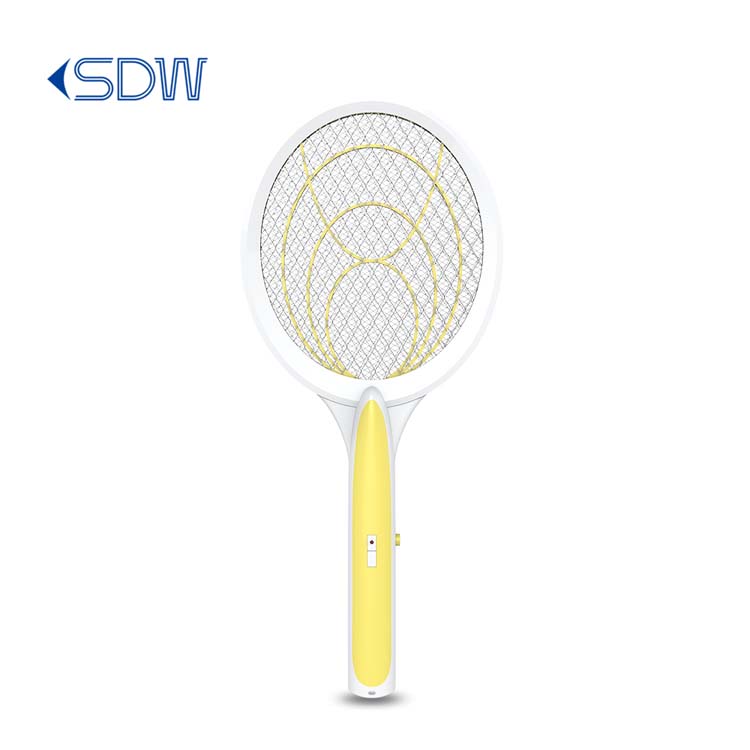
1. Mosquito Problems in Europe: More Severe Than Expected
Europe is not a "mosquito-free paradise"; instead, its climatic and environmental characteristics have created specific scenarios of mosquito infestations:
- Wide Regional Distribution: The Mediterranean climate in southern France brings high temperatures and humidity in summer, leading to massive mosquito breeding in vineyards and lavender fields. Water towns like Venice in Italy have persistently high mosquito densities due to year-round surrounding water bodies. In areas around forests and lakes in Bavaria, Germany, mosquitoes even disrupt evening outdoor walks during summer.
- Hidden Health Risks: Beyond the itching caused by bites, European mosquitoes may also transmit diseases. In recent years, sporadic cases of West Nile virus have been reported in France, Spain, and other countries. The Culex mosquitoes that transmit this virus are distributed across many European nations. Although no large-scale outbreaks have occurred, it has become a potential public health hazard.
- Impact on Outdoor Lifestyles: Summer activities beloved by Europeans, such as backyard dinners, terrace coffee breaks, and outdoor camping, are often significantly disrupted by mosquitoes—sometimes even forcing people to cut their outdoor time short.
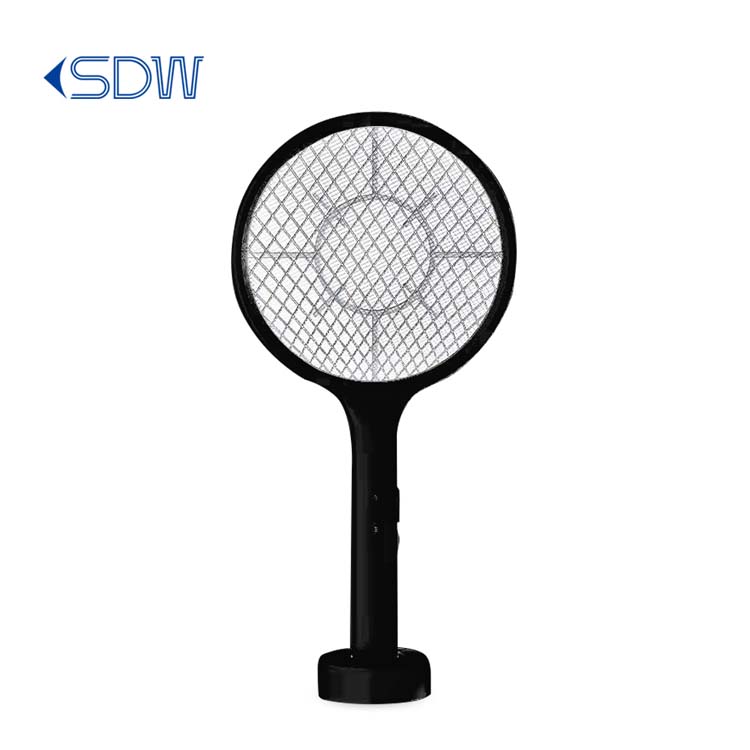
2. Traditional Mosquito-Control Methods in Europe: Unable to Cover All Needs
Europeans have traditional ways to deal with mosquitoes, but these methods have obvious limitations:
- Mosquito Coils and Repellents: Solid mosquito coils commonly used in European households produce smoke when burned, polluting indoor air. They are particularly unsuitable for families with infants, young children, or people with respiratory sensitivities. While mosquito repellents are portable, their effectiveness typically lasts only 4-6 hours. Additionally, some products containing DEET may cause skin allergies, failing to meet long-term protection needs.
- Physical Protection Tools: Window screens and mosquito nets are used in some European households, but window screens cannot block mosquitoes already inside the house, and mosquito nets are only suitable for bedrooms—they are completely ineffective in living rooms, kitchens, or outdoor settings.
- Professional Mosquito-Control Services: Some communities conduct regular outdoor mosquito-spraying operations, but these only target public areas and cannot solve mosquito problems inside homes. Moreover, the environmental friendliness of chemical sprays is often questioned by consumers.
3. Core Advantages of Electric Mosquito Swatters: Addressing Europe’s Pain Points
Compared with traditional methods, the features of electric mosquito swatters perfectly fill the gaps in European mosquito-control scenarios:
- Safe, Eco-Friendly, and Harmless: Electric mosquito swatters kill mosquitoes through physical electric shock, requiring no chemical agents. They produce no smoke or pungent odors, aligning with European consumers’ pursuit of a "green and healthy" lifestyle. They are especially suitable for families with the elderly or children.
- Strong Adaptability to Scenarios: Indoors, they can eliminate scattered mosquitoes in living rooms and kitchens; outdoors, they can be used for backyard activities. Some lightweight models weigh only around 200 grams, making them easy to carry—perfectly matching Europeans’ love for outdoor lifestyles.
- Efficient and Long-Lasting: High-quality electric mosquito swatters can be used for 10-15 hours on a single charge. Their grid design enables precise mosquito elimination. Unlike mosquito coils that "only repel," they fundamentally reduce the number of indoor mosquitoes and prevent repeated bites.
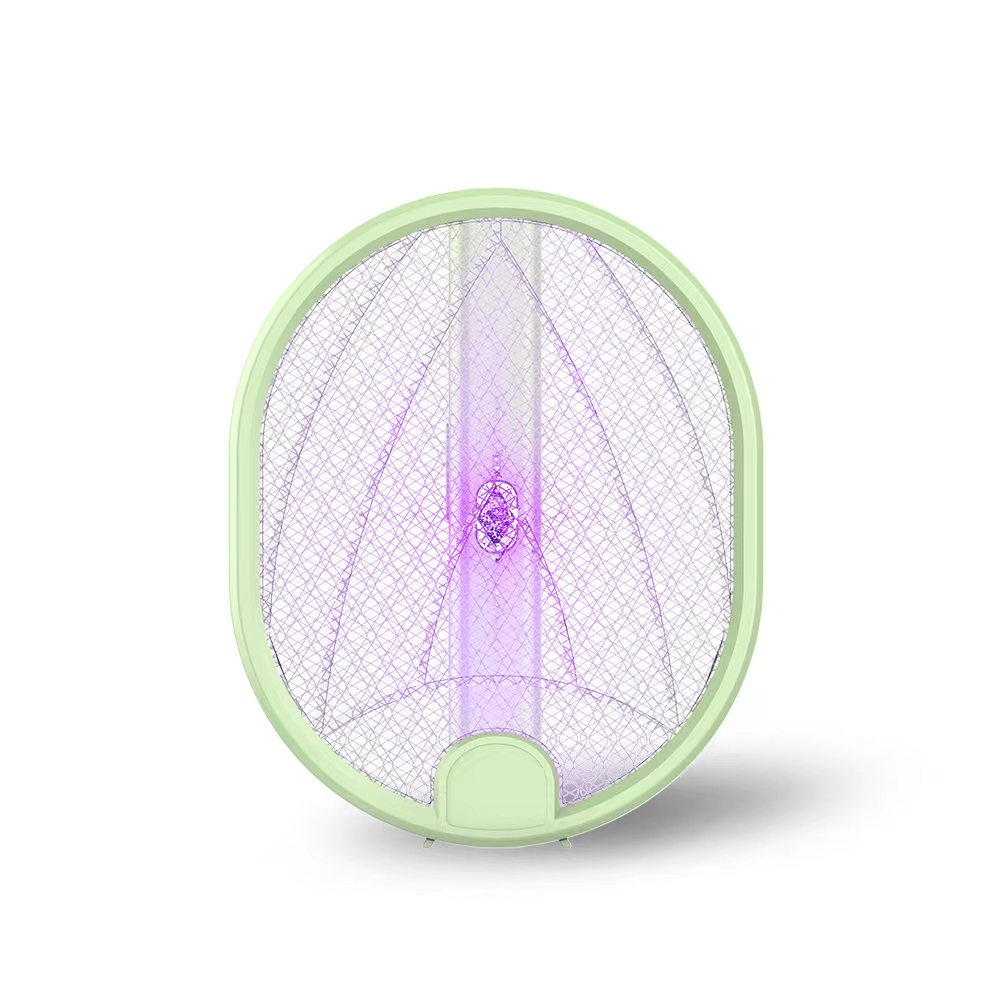
4. Market Data Evidence: Demand for Electric Mosquito Swatters in Europe Is Booming
From trade data and consumption trends, the demand for electric mosquito swatters in the European market has formed a clear growth curve:
- Surge in Export Data: According to customs statistics, in the first half of 2025, the number of electric mosquito swatters exported from China to Europe increased by 67% year-on-year. Germany, France, and Italy are the main importing countries—imports to Germany alone exceeded 4.8 million yuan (RMB), with order volumes continuing to rise in the second half of the year.
- Product Iteration for Adaptation: To meet the strict electrical safety and environmental standards of the EU, enterprises have launched products tailored to the European market—such as eco-friendly solar-charged models, safe grid models certified by the EU’s CE mark, and even multi-functional models with LED lighting—further aligning with European consumers’ needs.
- Expansion of Consumption Scenarios: With the rise of Europe’s "outdoor economy," activities like camping and picnics have become more frequent. Electric mosquito swatters have gradually become a "new essential" for outdoor gear. On platforms such as Amazon Europe and Germany’s Lidl, summer search volumes for electric mosquito swatters have increased by over 120% year-on-year.
5. Conclusion: Europe Not Only Needs Electric Mosquito Swatters, but Also High-Quality Adapted Products
Considering mosquito infestations, limitations of traditional methods, product advantages, and market data, European countries clearly need electric mosquito swatters: they not only solve the practical problem of summer mosquito bites in Europe but also align with local consumers’ demands for safety, environmental friendliness, and multi-scenario use. In the future, as global warming extends the active period of mosquitoes in Europe and outdoor lifestyles become more popular, the demand for electric mosquito swatters in the European market will further grow. Products that meet EU standards and feature innovative functions will be the key to unlocking this market.
Is the Foldable Electric Fly Swatter Useful
Do Mosquitoes Exist in the Arctic
Related Article

If you’re struggling with annoying mosquitoes, flies, and other flying pests indoors and outdoors, upgrading from traditional manual tools to anElectric Mosquito Swatter is the most efficient solution. Many homeowners and renters search where to buy fly swatter online to find durable, safe, and high-performance electric models that deliver instant pest control.
Where to Buy Fly Swatter

Most importers of electric mosquito swatters obsess over the first order: samples requested, factories vetted, a pre-shipment inspection booked. Then the reorder arrives eight months later and something is off. The grid feels softer. The charge port is a slightly different shade of black. The carton thickness dropped from 350 gsm to 300 gsm. Nothing is catastrophic — but the product no longer matches what your retail customers approved, and quietly, your return rate starts climbing.
How to Keep Mosquito Swatter Quality Consistent Across Repeat Orders

Warranty returns are the silent margin killer in the mosquito control category. A distributor who buys a swatter at $1.80 FOB and retails it at $9.90 can absorb a 1% return rate without noticing — but at 5%, the combined cost of replacement units, reverse logistics, and refund processing erases most of the line's profit.
Common mosquito swatter killer lamp failure modes wholesale spec guide

Digital bathroom scales rank as the second-highest-volume consumer weighing product category, only behind kitchen scales, with distinct market and product characteristics that set them apart from other scale types in importers’ product portfolios.
Digital bathroom body fat-bia-scale wholesale buyers guide