
Do I Need to Turn My Bug Zapper on and Off Each Time I Use It
2025-09-14
Do I Need to Turn My Bug Zapper on and Off Each Time I Use It?
Bug zappers are a popular choice for controlling flying insects around homes, patios, and outdoor areas. If you've recently acquired one or are considering purchasing a bug zapper, you might be wondering about the best way to operate it. Specifically, the question of whether you should turn it on and off each time you use it can be a bit puzzling. Here's a breakdown to help you make an informed decision.
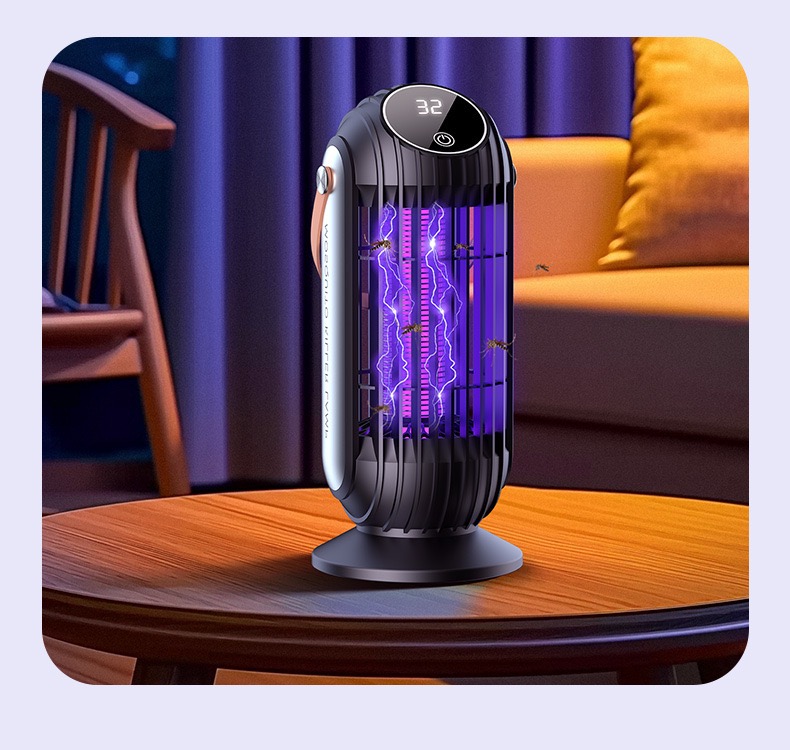
Types of Bug Zappers Matter
- How They Work: These bug zappers use an electric grid charged with high voltage. When insects are attracted to the light source (usually ultraviolet light), they come into contact with the grid and are electrocuted. For electric grid bug zappers that are hard-wired into your home's electrical system, it's generally not necessary to turn them off and on frequently. Constant operation allows them to continuously target insects, especially during peak bug seasons like summer. However, if you're going on an extended vacation (for example, more than a week), it makes sense to turn it off. This not only saves a small amount of electricity but also reduces wear and tear on the components.
- Maintenance Considerations: Frequent switching on and off can potentially cause minor electrical arcing at the switch contacts over time, which might lead to premature switch failure. Additionally, if the bug zapper has a collection tray for dead insects, it should be emptied regularly (at least once a week) regardless of how often you turn the device on or off. This helps maintain the efficiency of the zapper and prevents a buildup of debris that could potentially interfere with the electrical components.
- Functioning Mechanism: Solar-powered bug zappers rely on sunlight to charge their internal batteries during the day, and then use that stored energy to operate the light and zapping mechanism at night. These types of bug zappers often have automatic sensors that turn the unit on when it gets dark and off when it's light outside. So, in a sense, you don't need to manually turn them on and off each time you want to use them. However, if you notice that the performance of the solar bug zapper has declined (for example, it's not zapping as many insects as before), it could be due to a dirty solar panel. In such cases, you can clean the solar panel (using a soft cloth and water) and then test the unit. If you plan to store the solar bug zapper for an extended period (such as during the winter months in regions with cold winters where bug activity is low), it's a good idea to turn it off and store it in a dry place. This helps preserve the battery life, as leaving it on during storage can cause the battery to discharge slowly over time, reducing its overall lifespan.
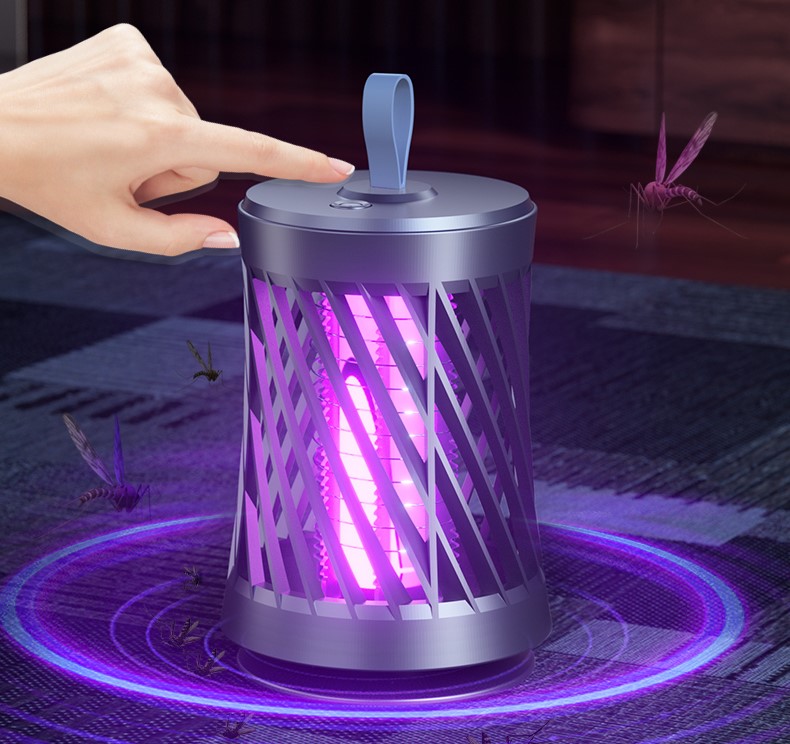
Usage Scenarios Influence the Decision
Indoor Use
- Occasional Bug Problems: If you only use a bug zapper indoors during rare occasions when there's a sudden influx of flying insects, such as after opening a window and letting a few moths in, it's reasonable to turn it on when needed and off once the problem seems to be resolved. This way, you're not wasting electricity when it's not necessary. For example, if you live in an urban area where bugs don't typically enter the house often, but there's an occasional fly that makes its way in, you can simply turn on the bug zapper for a few hours until the fly is zapped, and then turn it off.
- Constant Bug Presence: On the other hand, if you live in an area with a chronic indoor bug problem, like a home near a marshy area where mosquitoes are constantly trying to get in, leaving the bug zapper on continuously might be more effective. It can act as a continuous deterrent and capture insects as soon as they enter the room. However, make sure to place the bug zapper in a location where it won't be a nuisance to people, such as in a corner of a room away from where people are sitting or sleeping.
Outdoor Use
- Seasonal Use: For outdoor bug zappers, the decision to turn them on and off can be related to the season. In areas with distinct seasons, during the colder months when bug activity is minimal, it's advisable to turn off the bug zapper. For instance, in temperate regions, once the temperature drops below a certain point (usually around 50°F or 10°C), most flying insects become inactive or die off. Turning off the bug zapper during this time not only saves energy but also protects the device from potential damage due to cold temperatures or inclement weather. In the spring and summer, when bugs are abundant, you can leave the bug zapper on continuously. If you have an outdoor patio or a garden where you spend a lot of time in the evenings, a constantly-on bug zapper can help keep the area more comfortable by reducing the number of biting insects.
- Event-Based Use: If you only use your outdoor space for occasional events like barbecues or parties, you can turn the bug zapper on a few hours before the event to start clearing the area of insects. After the event is over, you can turn it off until the next time you plan to use the outdoor area. This is a practical approach if you don't use your outdoor space frequently but still want to ensure a bug-free environment during special occasions.
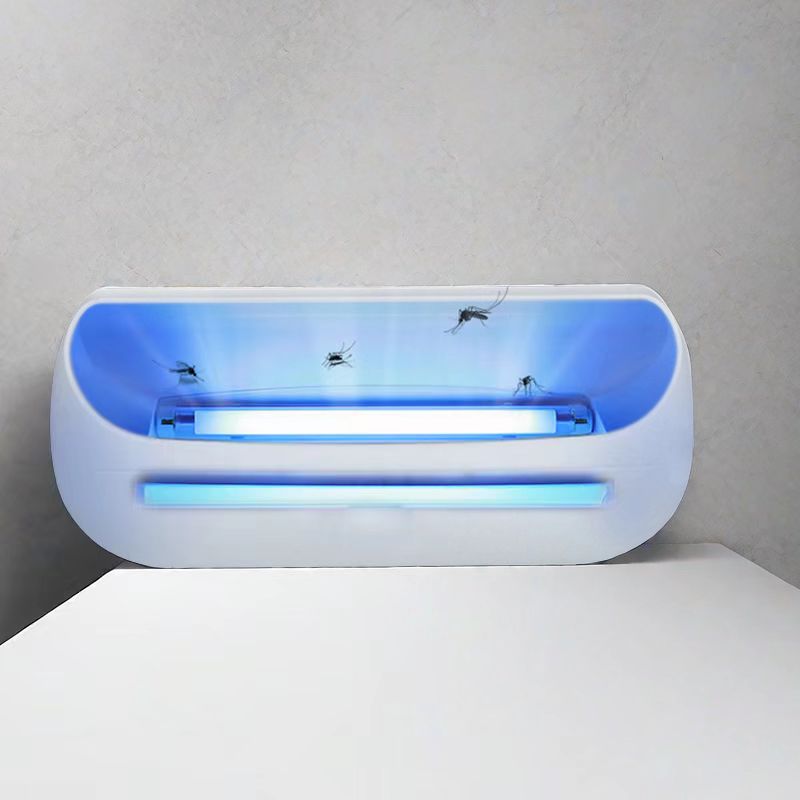
Safety and Energy Efficiency
Safety Aspects
- Fire Hazard Concerns: Leaving a bug zapper on continuously, especially if it's not properly maintained, can pose a fire hazard. If the collection tray of dead insects becomes over-filled and starts to touch the electric grid, it could potentially catch fire. Regularly checking and emptying the collection tray is crucial, whether you turn the bug zapper on and off frequently or leave it on all the time. Also, make sure that the bug zapper is placed in a location where it won't come into contact with flammable materials, such as curtains, paper, or dry leaves. If you plan to leave the bug zapper on for extended periods, it's a good idea to choose a model with safety features like grounded plugs and protective casings that prevent accidental contact with the electric grid.
- Electrical Safety: As mentioned earlier, frequent switching of the bug zapper can cause electrical issues over time. However, if you notice any strange smells, sparks, or if the bug zapper starts making unusual noises, it's important to turn it off immediately and unplug it. These could be signs of an electrical problem, and continuing to use the device could lead to further damage or even a fire.
Energy Efficiency
- Power Consumption: Bug zappers generally don't consume a large amount of electricity, but every bit of energy savings counts. If you have an electric grid-powered bug zapper and you're not using the area where it's installed for an extended period (such as when you're away on a long trip), turning it off can save some energy. On average, a typical bug zapper might consume around 10-40 watts of power. Over the course of a month, leaving it on continuously could add a few dollars to your electricity bill. By turning it off when not needed, you can reduce this unnecessary expense.
- Smart Energy Use: Some modern bug zappers come with features like motion sensors or timers. Bug zappers with motion sensors can detect when there are people or insects in the area and turn on automatically, then turn off after a period of inactivity. This is a great way to ensure that the bug zapper is only using energy when it's actually needed. If your bug zapper doesn't have such features but you want to be more energy-efficient, you can use an external timer to set specific hours for the bug zapper to be on, such as from dusk to dawn.
In conclusion, whether you need to turn your bug zapper on and off each time you use it depends on several factors, including the type of bug zapper, your usage scenarios, and your concerns about safety and energy efficiency. By considering these aspects, you can operate your bug zapper in the most effective and responsible way possible.
Why Red Light Is a No-Go for Mosquito Traps
Does a Mosquito Killer Lamp Make You Darker
Related Article

If you’re struggling with annoying mosquitoes, flies, and other flying pests indoors and outdoors, upgrading from traditional manual tools to anElectric Mosquito Swatter is the most efficient solution. Many homeowners and renters search where to buy fly swatter online to find durable, safe, and high-performance electric models that deliver instant pest control.
Where to Buy Fly Swatter
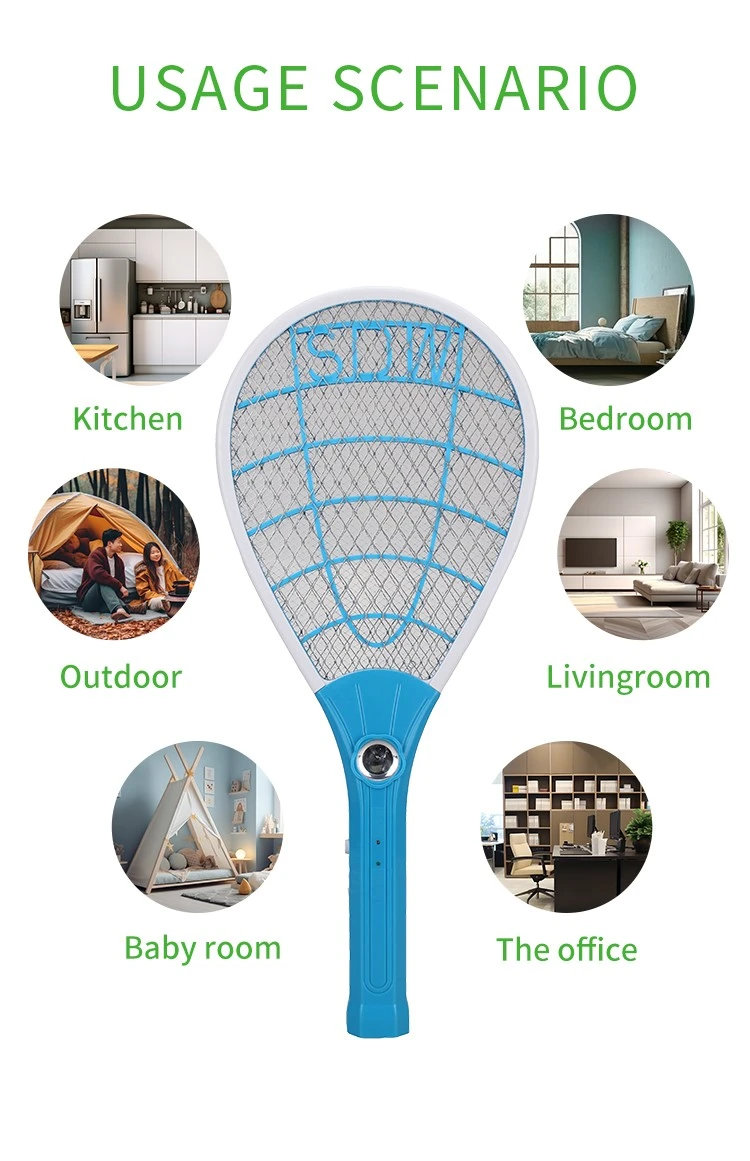
Most importers of electric mosquito swatters obsess over the first order: samples requested, factories vetted, a pre-shipment inspection booked. Then the reorder arrives eight months later and something is off. The grid feels softer. The charge port is a slightly different shade of black. The carton thickness dropped from 350 gsm to 300 gsm. Nothing is catastrophic — but the product no longer matches what your retail customers approved, and quietly, your return rate starts climbing.
How to Keep Mosquito Swatter Quality Consistent Across Repeat Orders
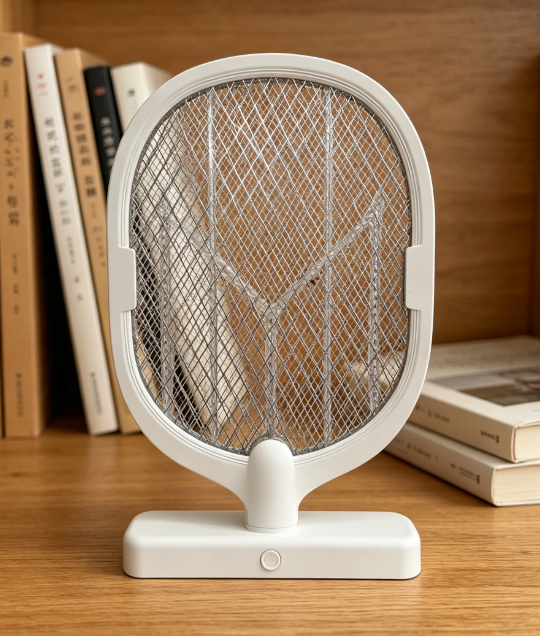
Warranty returns are the silent margin killer in the mosquito control category. A distributor who buys a swatter at $1.80 FOB and retails it at $9.90 can absorb a 1% return rate without noticing — but at 5%, the combined cost of replacement units, reverse logistics, and refund processing erases most of the line's profit.
Common mosquito swatter killer lamp failure modes wholesale spec guide

Digital bathroom scales rank as the second-highest-volume consumer weighing product category, only behind kitchen scales, with distinct market and product characteristics that set them apart from other scale types in importers’ product portfolios.
Digital bathroom body fat-bia-scale wholesale buyers guide