
Do Mosquito Killer Lamp Lights Harm Eyes
2026-01-21
Do Mosquito Killer Lamp Lights Harm Eyes? The Truth Lies in These Details
Mosquito killer lamps have become a common anti-mosquito device in many households and places due to their advantages of not requiring chemical sprays and efficiently attracting and killing mosquitoes. However, whether their continuously lit light sources can cause damage to human eyes has always been a focus of public concern, especially for special groups such as the elderly and children, where the attention to this issue is further heightened. This article will systematically analyze the potential impact of mosquito killer lamp light sources on eye health based on their characteristics, providing a reference for the scientific use of mosquito killer lamps.
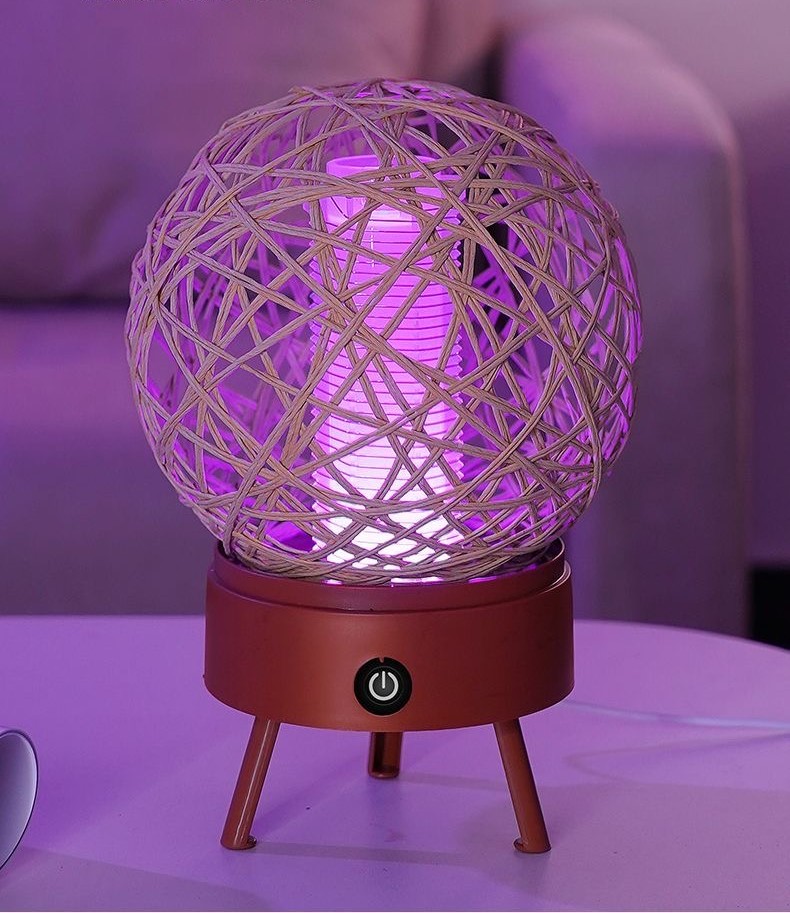
Types of Mosquito Killer Lamp Lights: Different Light Sources Have Different Impacts on Eyes
To determine whether a mosquito killer lamp's light source causes eye damage, it is first necessary to clarify its light source type and working principle. Currently, the core mosquito-attracting light sources of mainstream mosquito killer lamps on the market are mainly divided into two categories. Different types of light sources have distinct spectral characteristics, and their degrees of impact on eye health also vary, requiring separate analysis.
Ultraviolet Mosquito Killer Lamps: Potential Risks Exist, Protection Is Key
Ultraviolet mosquito killer lamps are a core type of traditional mosquito control equipment. Their working principle is to utilize the phototaxis of mosquitoes to ultraviolet light of a specific wavelength (mainly 365nm), attracting mosquitoes to the vicinity of the device before eliminating them through electric shock or adhesive traps. Ultraviolet light is invisible light; moderate ultraviolet irradiation has certain benefits for the human body, but excessive or close-range exposure to ultraviolet light can cause potential damage to eye tissues.
Short-term exposure to high-intensity ultraviolet light may irritate the cornea and conjunctiva, causing symptoms such as eye redness, dryness, tearing, and foreign body sensation, similar to the clinical manifestations of electric ophthalmia. Long-term repeated exposure may lead to chronic damage to retinal cells, a risk that is more significant in children with underdeveloped retinas and the elderly with declining visual function. However, ultraviolet mosquito killer lamps that meet national standards strictly control ultraviolet radiation intensity and are usually equipped with protective screen structures, which can effectively reduce the probability of direct light exposure to the human body. Under standardized use, their safety risks can be effectively controlled.
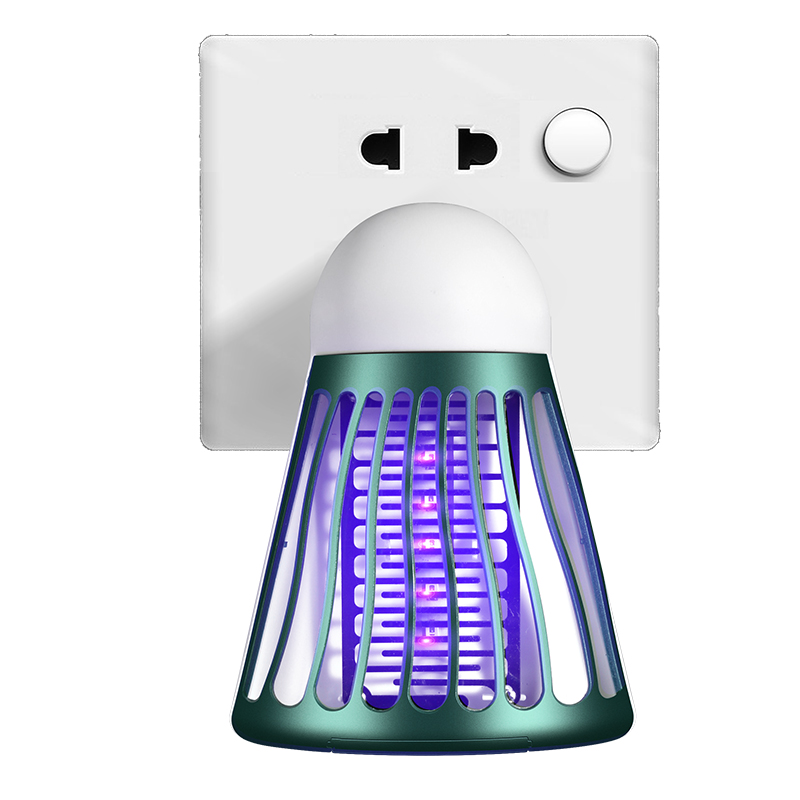
LED Mosquito Killer Lamps: Lower Irritation, More Suitable for Home Use
LED mosquito killer lamps have now become mainstream products on the market and are widely used in household scenarios. This type of mosquito killer lamp mostly adopts purple or blue LED light sources (wavelength range 400-450nm) to simulate the mosquito-attracting characteristics of ultraviolet light for mosquito elimination. It does not produce ultraviolet radiation itself, and its irritation to the eyes is significantly lower than that of ultraviolet mosquito killer lamps. LED light sources belong to the visible light range; under the premise of qualified product quality, stable light sources, and compliant brightness, normal use causes minimal damage to the eyes. It should be noted that some low-quality LED mosquito killer lamps may have problems such as light strobing, excessive blue light components, and abnormal brightness. Long-term close-range direct viewing of such light sources may cause discomfort symptoms such as visual fatigue and temporary blurred vision, with more prominent impacts on people with sensitive eyes.
Correct Use of Mosquito Killer Lamps: Avoid Misunderstandings That Harm Eyes
Compared with the type of light source, the way a mosquito killer lamp is used has a more critical impact on eye health. Ignoring standardized usage points may cause unnecessary irritation to the eyes even when using a mosquito killer lamp with a low-risk light source. The following are standardized usage suggestions for mosquito killer lamps based on eye health protection, balancing mosquito control effects and safety protection.
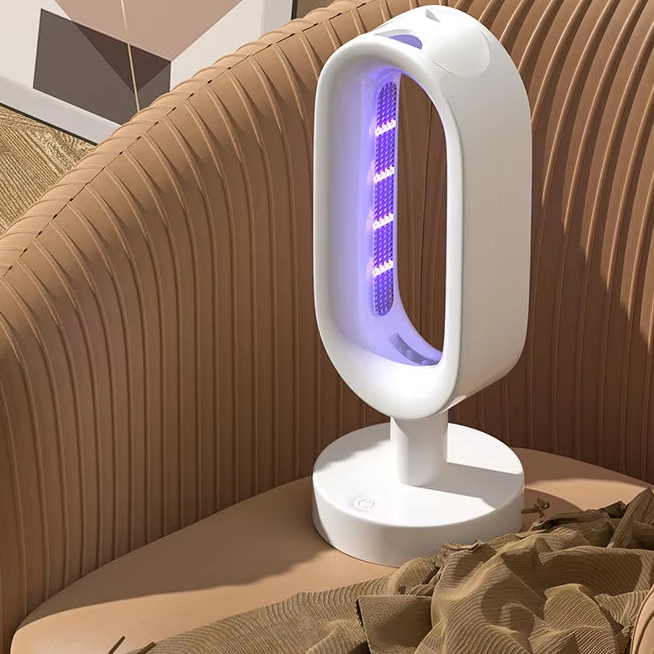
First, standardize the installation height and distance. It is recommended to install the mosquito killer lamp at a height of 1.5-2 meters, keeping a distance of at least 1 meter from human activity areas, and avoiding direct alignment with positions where people stay for a long time, such as beds and sofas. This installation method can not only ensure the mosquito-attracting coverage but also effectively reduce direct light exposure to the eyes, making it particularly suitable for scenarios with children, preventing discomfort caused by children staring directly at the light source out of curiosity.
Second, avoid long-term direct viewing of the light source. Neither ultraviolet nor LED mosquito killer lamps should be stared at intentionally for a long time; for children, enhanced supervision and guidance are required. When used in a room where someone is resting at night, light can be appropriately blocked by curtains, or products with dimming functions can be selected to reduce the impact of light on sleep quality and eyes.
Third, prioritize qualified products. When purchasing, choose products with 3C certification and good brand reputation, and avoid buying cheap and low-quality models. For ultraviolet mosquito killer lamps, check the ultraviolet radiation intensity parameters indicated in the product manual to ensure compliance with national safety standards; for LED mosquito killer lamps, check the light source stability, which can be detected by taking photos with a mobile phone camera (obvious strobing will show striped light and shadow when severe).
Fourth, strengthen protection for sensitive groups. For people with sensitive eyes such as infants, pregnant women, and glaucoma patients, it is recommended to prioritize LED mosquito killer lamps. They should be turned off in a timely manner after use at night or placed in non-rest areas such as living rooms and balconies to minimize the contact time between sensitive groups and the light source.
In summary, mosquito killer lamp light sources do not absolutely cause eye damage; the degree of impact mainly depends on the light source type and usage method. Qualified LED mosquito killer lamps cause almost no damage to the eyes of most people when used standardizedly. Although ultraviolet mosquito killer lamps have potential eye risks, safe use can be achieved by selecting compliant products, taking protective measures, and controlling the use distance. Reasonable selection and standardized use of mosquito killer lamps can not only effectively prevent and control mosquitoes but also protect eye health, providing double protection for the living environment.
How Rampant Were Mosquitoes in Ancient Times
Why Do Some Electric Mosquito Swatters Scratch Easily
Related Article

If you’re struggling with annoying mosquitoes, flies, and other flying pests indoors and outdoors, upgrading from traditional manual tools to anElectric Mosquito Swatter is the most efficient solution. Many homeowners and renters search where to buy fly swatter online to find durable, safe, and high-performance electric models that deliver instant pest control.
Where to Buy Fly Swatter

Most importers of electric mosquito swatters obsess over the first order: samples requested, factories vetted, a pre-shipment inspection booked. Then the reorder arrives eight months later and something is off. The grid feels softer. The charge port is a slightly different shade of black. The carton thickness dropped from 350 gsm to 300 gsm. Nothing is catastrophic — but the product no longer matches what your retail customers approved, and quietly, your return rate starts climbing.
How to Keep Mosquito Swatter Quality Consistent Across Repeat Orders

Warranty returns are the silent margin killer in the mosquito control category. A distributor who buys a swatter at $1.80 FOB and retails it at $9.90 can absorb a 1% return rate without noticing — but at 5%, the combined cost of replacement units, reverse logistics, and refund processing erases most of the line's profit.
Common mosquito swatter killer lamp failure modes wholesale spec guide

Digital bathroom scales rank as the second-highest-volume consumer weighing product category, only behind kitchen scales, with distinct market and product characteristics that set them apart from other scale types in importers’ product portfolios.
Digital bathroom body fat-bia-scale wholesale buyers guide