
Do Mosquito Killer Lamps Make Noise
2025-08-25
In summer, mosquito killer lamps are widely used as effective mosquito-repelling tools in homes, bedrooms, offices, and other scenarios. However, many people have a concern when choosing one: do mosquito killer lamps make noise during operation? In fact, the noise level of mosquito killer lamps is not a one-size-fits-all issue; it is closely related to the product’s working principle, design craftsmanship, and model. Below, we will analyze the noise characteristics of common types of mosquito killer lamps in detail to help you find the answer to "quiet mosquito elimination."
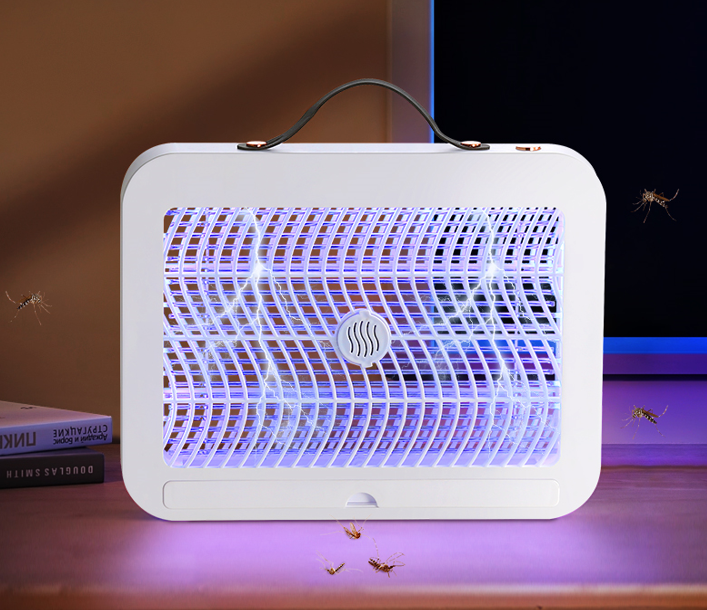
I. Noise Levels of Different Types of Mosquito Killer Lamps: Differences Stem from Working Principles
Currently, mainstream mosquito killer lamps on the market are mainly divided into three categories: electric shock type, glue trap type, and photocatalytic type. Their noise performances vary significantly, with the core reason being whether they rely on "mechanical moving parts" or "high-voltage electric shocks" to produce sound.
1. Electric Shock Mosquito Killer Lamps: May Produce "Crackling Sounds," No Continuous Operating Noise
Electric shock mosquito killer lamps are the most traditional type. Their working principle is to attract mosquitoes with ultraviolet light. When mosquitoes come into contact with the internal high-voltage power grid, they are instantly electrocuted to death, accompanied by a "crackling" discharge sound.
- Noise Characteristics: This type of noise is an "intermittent sudden noise" rather than continuous operating noise. It only occurs when a mosquito is electrocuted, and each sound lasts for an extremely short time (usually less than 1 second). The volume is similar to the sound of flicking a plastic box with a finger (about 30-40 decibels), which is almost negligible during the day when ambient noise is high. However, in a quiet bedroom at midnight, the occasional "crackling sound" may cause slight disturbance to light sleepers.
- Reason for No Continuous Noise: Electric shock mosquito killer lamps have no moving parts such as fans or motors. Except for the momentary sound when mosquitoes are electrocuted, they basically operate in a "mute state" and do not produce a buzzing sound like that of a fan.
2. Glue Trap Mosquito Killer Lamps: Completely Silent, Suitable for Noise-Sensitive Scenarios
Glue trap mosquito killer lamps (also known as "adhesive paper mosquito killer lamps") are currently the type with the best mute effect. Their principle is to attract mosquitoes with ultraviolet light, making the mosquitoes stick to the internal adhesive board and die naturally. The entire process involves no mechanical collisions or moving parts.
- Noise Characteristics: They operate with zero noise from startup to operation. There is neither the crackling sound of electric shocks nor the rotating sound of fans. They are even quieter than the operating sound of ordinary desk lamps (some high-quality models have a noise level as low as 20 decibels or below, close to the ambient background sound).
- Suitable Scenarios: Particularly suitable for noise-sensitive areas such as bedrooms, nurseries, studies, and offices. Even when used at close range at night, they will not affect sleep or work concentration.
3. Photocatalytic Mosquito Killer Lamps: May Produce Slight "Fan Noise," Controllable Volume
Photocatalytic mosquito killer lamps are an upgraded type that combines "light attraction" and "airflow capture": they generate carbon dioxide (simulating human breathing to enhance mosquito-attracting effect) through ultraviolet light and a photocatalytic coating. At the same time, they have a built-in small fan that sucks the attracted mosquitoes into a collection box, eventually causing them to die of dehydration.
- Noise Characteristics: The noise of this type of mosquito killer lamp mainly comes from the rotation of the built-in fan. The noise level depends on the fan’s power, blade design, and motor quality:
-
- Low-end models: When the fan rotates at a high speed or has poorly crafted blades, it may produce an obvious "buzzing sound" (about 40-50 decibels), similar to the low-speed sound of a small desktop fan, which may be noticeable in a quiet environment;
-
- Mid-to-high-end models: Adopting a "mute motor + optimized blade" design, the fan’s operating noise can be controlled below 30 decibels (close to a whisper). You can barely hear the sound unless you put your ear close to the device, which has minimal impact on daily activities and sleep.
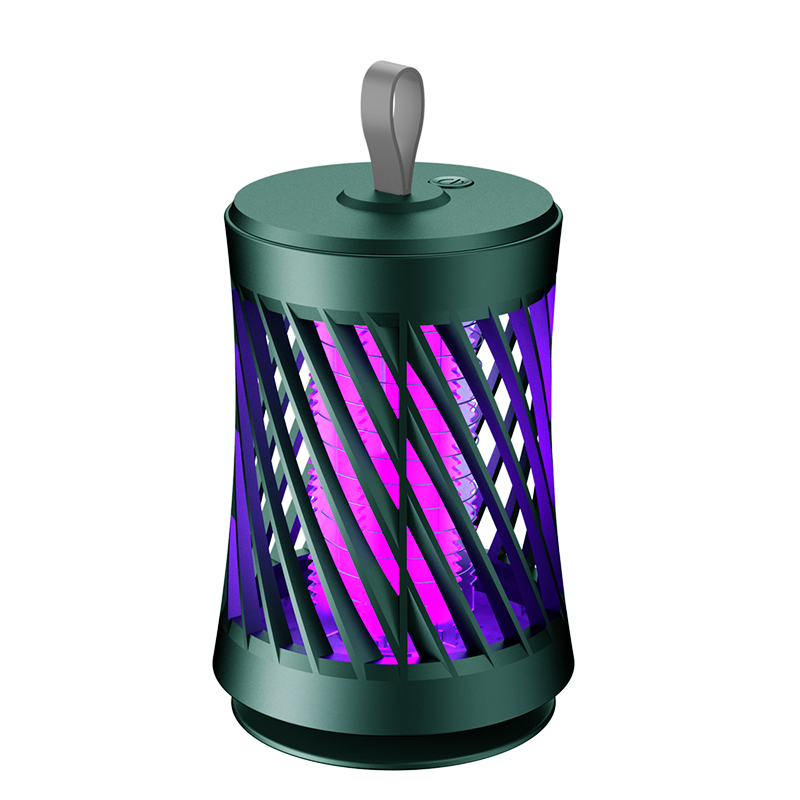
II. Two Key Factors Affecting the Noise of Mosquito Killer Lamps: Choose the Right Details for Quieter Operation
In addition to the working principle, the product’s design and craftsmanship also directly affect its noise performance. Even for the same type of mosquito killer lamp, the noise level can vary greatly among different brands and models, mainly reflected in the following two aspects:
1. Presence of "Redundant Moving Parts": The Fan Is the Core Noise Source
As mentioned earlier, only mosquito killer lamps with fans (mainly photocatalytic ones) may produce continuous noise. Therefore, when making a choice, you can pay attention to:
- If prioritizing mute effect, you can directly rule out "models with fans" and choose pure glue trap or fanless electric shock types;
- If you need the strong mosquito-attracting effect of photocatalysis (suitable for large spaces), focus on the "noise value" in the product parameters (usually marked as "operating noise ≤ 35dB") or choose models with "mute fans" (the product description will clearly mention "mute design").
2. Housing and Internal Structure: Whether "Noise Reduction Treatment" Is Applied
High-quality mosquito killer lamps will reduce noise through detailed designs during the manufacturing process: for example, the housing is made of sound-insulating materials (such as ABS flame-retardant plastic + sponge lining) to reduce resonance when the fan is running; the internal power grid or adhesive board is installed more stably to avoid friction noise caused by loose parts; some brands even optimize the startup method of the ultraviolet lamp tube to avoid current noise at the moment of turning on the light.
On the contrary, low-end products may omit these noise reduction designs due to cost control, resulting in even glue trap types possibly producing slight abnormal noises due to loose housings.
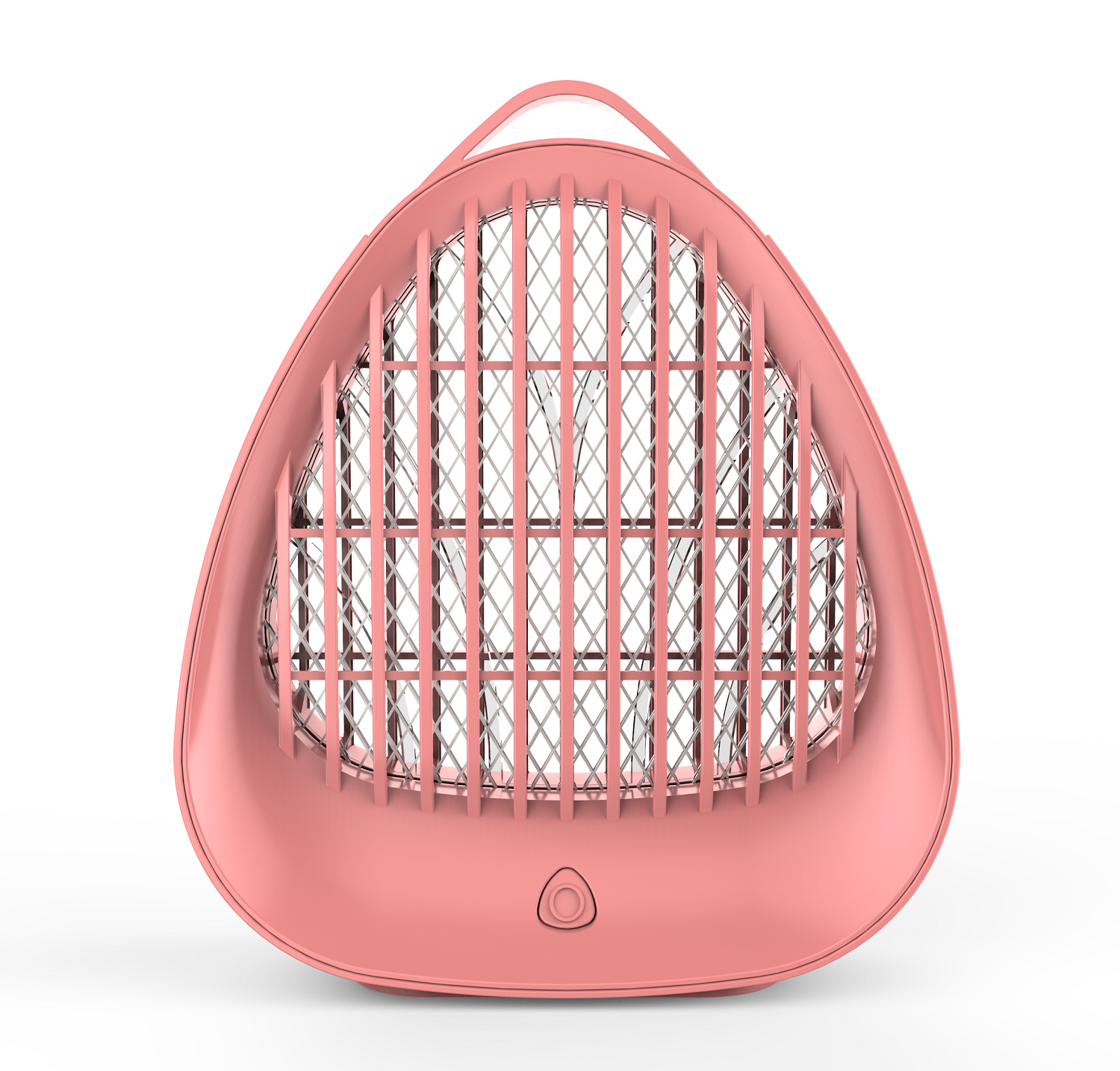
III. Summary: How to Choose a "Quiet and Effective" Mosquito Killer Lamp?
Based on the noise requirements of different scenarios, we can provide clear selection suggestions:
- For bedrooms, nurseries, and midnight use: Prioritize glue trap mosquito killer lamps, which operate silently and do not interfere with sleep. If you prefer the electric shock type, it is recommended to choose a "power grid-enclosed design" (to reduce the frequency of mosquitoes touching the power grid and indirectly reduce crackling sounds) and avoid placing it directly above the bedside.
- For living rooms, offices, and daytime use: You can choose photocatalytic types (with mute fans) or ordinary electric shock types. The former balances mosquito-attracting effect and low noise, while the intermittent crackling sound of the latter is almost imperceptible in the daytime ambient noise and does not affect daily life.
- Reminder to Avoid Pitfalls: When purchasing, try to check the "noise feedback in user reviews" to avoid models with "loud fan noise" or "harsh electric shock sounds". At the same time, note that "higher power does not equal louder noise"—mid-to-high-end photocatalytic mosquito killer lamps can control noise through mute technology even with relatively high power.
In conclusion, mosquito killer lamps do not "definitely make noise"—glue trap types can achieve complete silence, electric shock types only produce occasional slight sudden noises, and photocatalytic types can control noise by choosing mute models. As long as you select the right type according to the usage scenario and your own sensitivity to noise, you can achieve "quiet mosquito elimination", enjoying a mosquito-free environment without being troubled by noise.
How Does Small Fan Noise Affect User Experience
A Complete Guide to Small Fan Types
Related Article

If you’re struggling with annoying mosquitoes, flies, and other flying pests indoors and outdoors, upgrading from traditional manual tools to anElectric Mosquito Swatter is the most efficient solution. Many homeowners and renters search where to buy fly swatter online to find durable, safe, and high-performance electric models that deliver instant pest control.
Where to Buy Fly Swatter
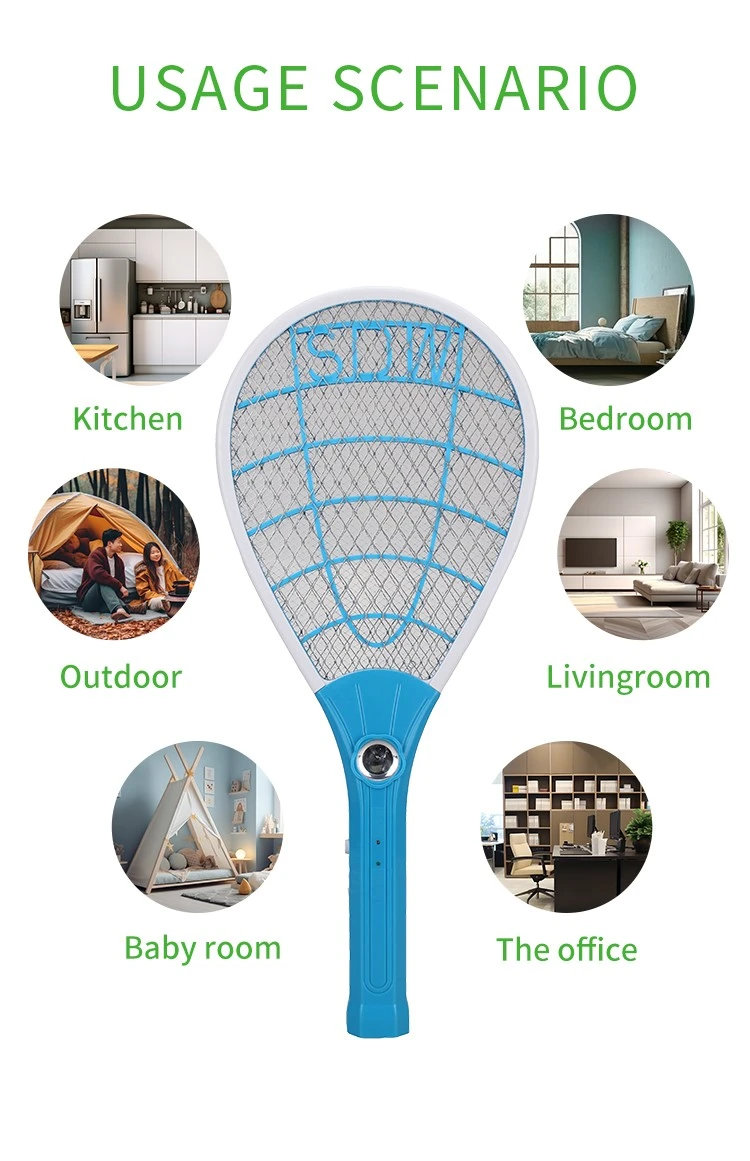
Most importers of electric mosquito swatters obsess over the first order: samples requested, factories vetted, a pre-shipment inspection booked. Then the reorder arrives eight months later and something is off. The grid feels softer. The charge port is a slightly different shade of black. The carton thickness dropped from 350 gsm to 300 gsm. Nothing is catastrophic — but the product no longer matches what your retail customers approved, and quietly, your return rate starts climbing.
How to Keep Mosquito Swatter Quality Consistent Across Repeat Orders
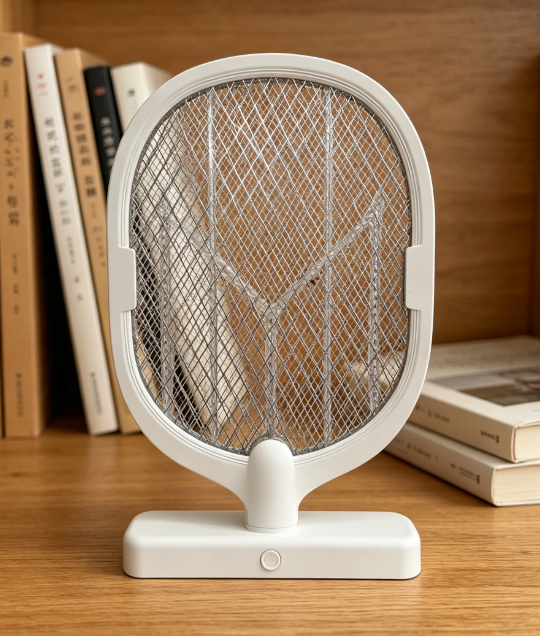
Warranty returns are the silent margin killer in the mosquito control category. A distributor who buys a swatter at $1.80 FOB and retails it at $9.90 can absorb a 1% return rate without noticing — but at 5%, the combined cost of replacement units, reverse logistics, and refund processing erases most of the line's profit.
Common mosquito swatter killer lamp failure modes wholesale spec guide

Digital bathroom scales rank as the second-highest-volume consumer weighing product category, only behind kitchen scales, with distinct market and product characteristics that set them apart from other scale types in importers’ product portfolios.
Digital bathroom body fat-bia-scale wholesale buyers guide