
Do Mosquito Lamp Lights Hurt Your Eyes
2026-05-17
Do Mosquito Lamp Lights Hurt Your Eyes? A Complete Guide to Safe Use
As summer arrives, mosquito lamps have become a "mosquito-repellent artifact" for many families and offices — no need to spray chemical agents, they kill mosquitoes by luring them with light, which is environmentally friendly and hassle-free. But along with this, there are many questions, the most concerned one being: Will the light emitted by mosquito lamps hurt our eyes? Especially for families with the elderly and children, they are even more worried that long-term use will cause eye discomfort. Today, we will detailedly break down this problem to help you understand the relationship between mosquito lamp light and eye health, and use mosquito-repellent tools safely.
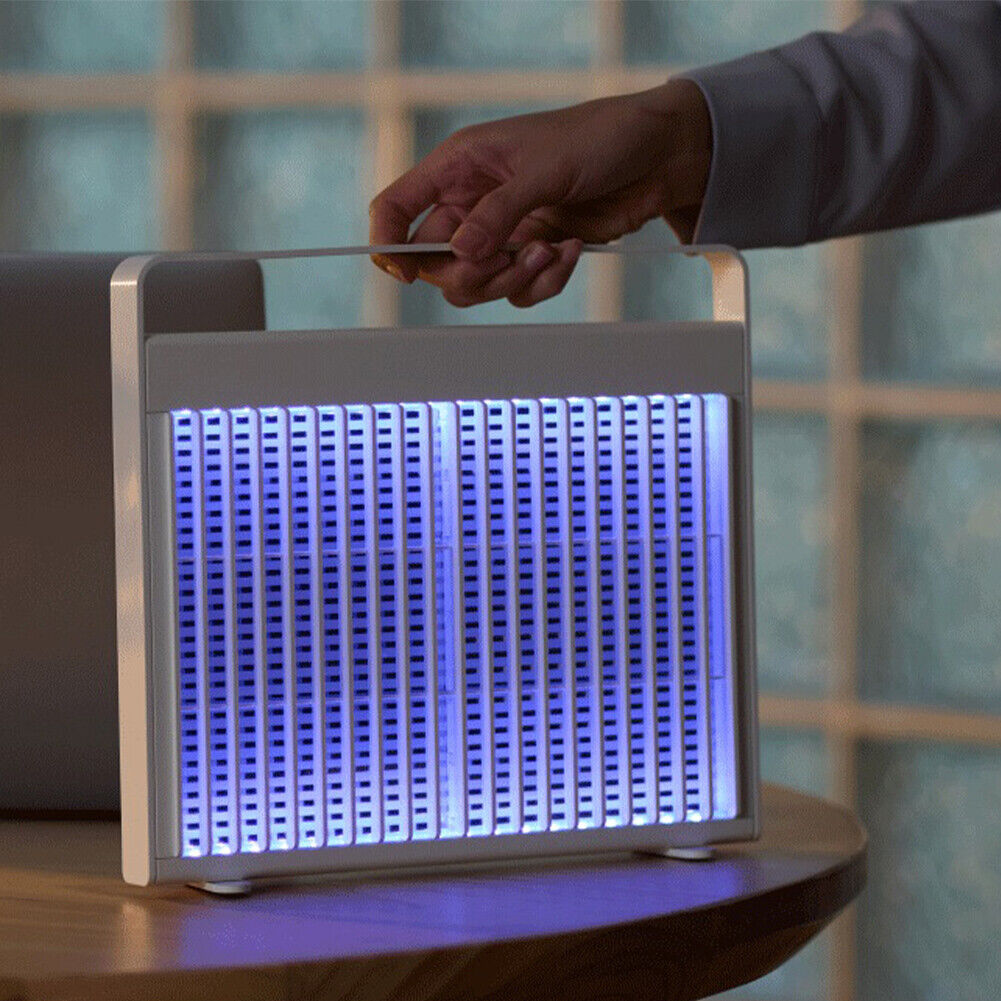
Core Conclusion: Light from Qualified Mosquito Lamps Hardly Hurts Eyes Under Normal Use
First, let's put your mind at ease: As long as you use a mosquito lamp that meets relevant national standards in accordance with the instructions, the light it emits will hardly cause harm to human eyes, let alone irreversible eye damage. The reason we have concerns is mainly because we do not understand the lighting principle and light type of mosquito lamps, and it is easy to equate them with "harmful ultraviolet rays". But in fact, the light of mosquito lamps is essentially different from the "eye-damaging light" we are worried about.
1. What Kind of Light is Mosquito Lamp Light?
The core function of a mosquito lamp is to "lure mosquitoes". Its lighting principle is to use the phototaxis of mosquitoes to emit light of a specific wavelength to attract mosquitoes close, and then kill them by electric shock, sticky trapping and other methods. The light of mainstream mosquito lamps on the market is mainly divided into two types, which have different properties and different impacts on the eyes:
The first type is the ultraviolet light type, which is also the most common type. The light it emits is mainly long-wave ultraviolet (UV-A, wavelength 315-400nm). This wavelength of ultraviolet light has the highest phototactic response intensity to mosquitoes and can accurately attract mosquitoes. However, it should be noted that the radiation intensity of this ultraviolet light is very low, and mosquito lamps are usually equipped with optical shields to reduce ultraviolet leakage, which meets safety standards such as EU EN 60825-1 and national standard GB/T 30001-2013, and will not cause harm to the eyes under normal use.
The second type is the visible light type, mostly blue-violet light (wavelength 400-450nm). Some high-end models will be equipped with phosphor conversion technology to emit soft visible light, which can not only lure mosquitoes but also be used as auxiliary lighting at night. This kind of visible light is a daily visible light, without ultraviolet components, and has extremely low irritation to the eyes, just like an ordinary night light, so there is no need to worry about damage.
It should be specially distinguished here: the ultraviolet light (UV-A) of mosquito lamps is completely different from the "sunburn light" (UV-B, UV-C) we usually worry about. UV-B has strong penetration and can damage the skin and eyes; UV-C is even more highly bactericidal and extremely harmful to the human body. However, the UV-A of mosquito lamps has a longer wavelength and lower intensity, and the transmittance of the human cornea to it is only 2-5%, so the risk of damage is extremely low.
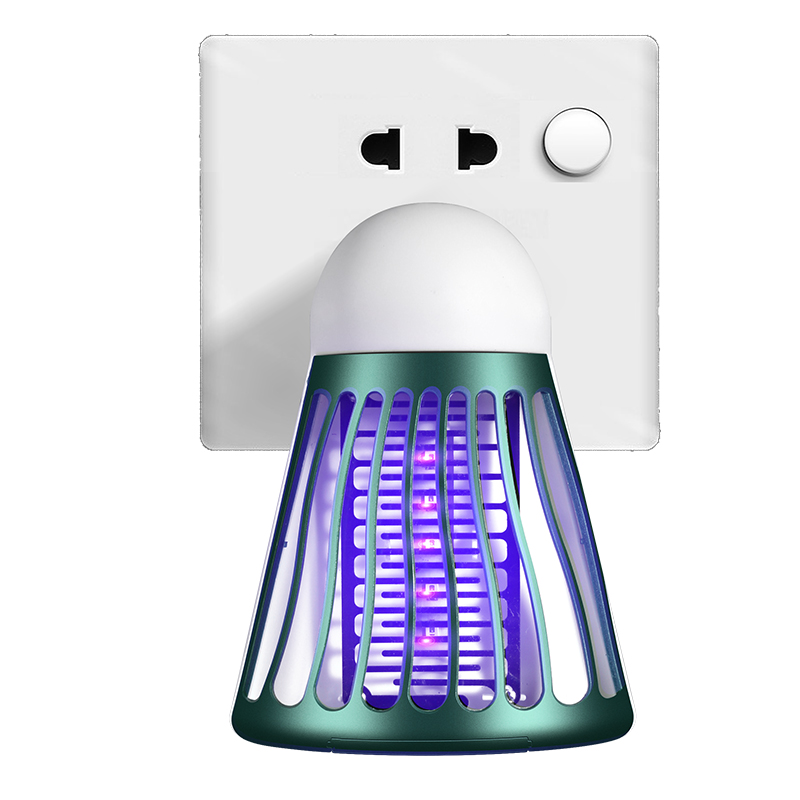
2. In Which Cases May Mosquito Lamp Light "Hurt Eyes"?
Although the light of qualified mosquito lamps is harmless in itself, if used improperly or inferior products are purchased, eye discomfort may indeed occur, mainly concentrated in the following 3 situations. It is not the "toxicity" of the light itself, but the problem of the use scenario:
1. Staring directly at the mosquito lamp light source for a long time at close range: According to the standards of the International Commission on Non-Ionizing Radiation Protection (ICNIRP), the safe limit for UV-A exposure is 10 J/cm²/hour, while the UV-A radiation intensity of mainstream qualified mosquito lamps at a distance of 30cm is only 0.5-1.2 μW/cm². Although it is far below the safe limit, if you stare directly continuously (such as staring at the lamp tube for a few minutes or longer), it may irritate the cornea and retina, resulting in temporary dry eyes, eye strain, and blurred vision. Just like staring at the mobile phone screen for a long time, it is visual fatigue, which can be relieved after rest and will not cause permanent damage.
2. Purchasing inferior and non-compliant products: In order to improve the mosquito-luring effect, some inferior mosquito lamps will arbitrarily increase the intensity of ultraviolet light and are not equipped with protective nets, leading to excessive ultraviolet leakage; some products have spectral distortion due to improper phosphor ratio, which not only reduces the mosquito-luring effect but also may produce extra harmful light. Long-term use may cause chronic irritation to the eyes and even trigger photosensitive pain.
3. Close contact with special groups of people: The elderly, children, pregnant women, and people with eye diseases such as dry eye and conjunctivitis have relatively sensitive eyes. If the mosquito lamp is too close (less than 30cm), even soft light may aggravate eye discomfort after long-term irradiation. For example, patients with dry eye will have more obvious dry eyes and foreign body sensation, and children may stare directly at the light source out of curiosity, causing temporary discomfort.
3. Use Mosquito Lamps Correctly to Completely Avoid Eye Risks
As long as you do the following 4 points, you can use mosquito lamps with confidence, which can not only repel mosquitoes but also protect your eyes, especially suitable for families with the elderly and children:
1. Prioritize qualified products and reject inferior ones: When purchasing, look for logos such as 3C certification and IEC 62471 biological hazard classification certification, check the product's ultraviolet leakage test report, and choose models with protective nets and transmittance meeting the standards; try to choose regular brands and avoid purchasing unmarked and low-priced inferior products, which often have problems such as excessive light and insufficient protection.
2. Place reasonably and keep a safe distance: The optimal placement height of the mosquito lamp is 1.5-2 meters, the distance from the wall is ≥50cm, and the safe distance from the human body is more than 1 meter. Avoid placing it in positions close to the eyes such as the bedside and desk; try to place it in the corner of the room, which not only does not affect the mosquito-luring effect but also reduces the direct irradiation of light on the eyes. At the same time, avoid forming spectral interference with incandescent lamps, fluorescent lamps, etc., to reduce eye irritation.
3. Use standardizedly and avoid staring directly at the light source: Do not deliberately stare at the lamp tube of the mosquito lamp when using it, especially for children, you should inform them in advance not to approach or stare directly; when using it at night, you can match it with a night light to avoid the light of the mosquito lamp being the only light source in the room, reducing the stimulation of light on the eyes; it is recommended to turn it on around 6 pm, keep away from or turn off other light sources, so as to improve the mosquito-luring effect and reduce the duration of direct light irradiation.
4. Maintain regularly and replace accessories in time: Clean the mosquito lamp filter every quarter to avoid the increase of radiation intensity due to excessive dust coverage; if the lamp tube is found to be damaged or the protective net is loose, replace it in time to prevent ultraviolet leakage; after the service life of the lamp tube expires (usually 8000-20000 hours, see the product manual for details), replace it with a new one in time to avoid abnormal light from the aging lamp tube stimulating the eyes.
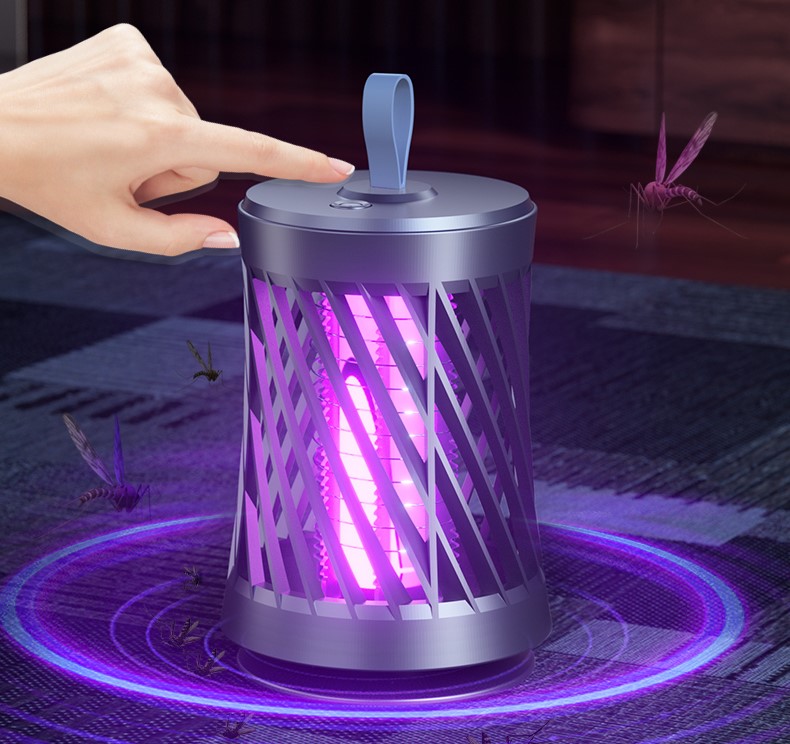
4. Clarify Common Misunderstandings and Bid Farewell to Unnecessary Worries
Finally, we will answer two of the most common misunderstandings to help you completely let go of your worries:
Misunderstanding 1: The purple light of mosquito lamps = harmful ultraviolet rays, and long-term use will hurt eyes? — Wrong! The purple light of mosquito lamps is either low-intensity UV-A (with protection) or harmless blue-violet light, which is completely different from UV-B and UV-C that burn the skin and hurt the eyes. It will not hurt the eyes under normal use, and its radiation dose is far below the national safety limit, so there is no need to worry excessively.
Misunderstanding 2: Turning on the mosquito lamp to sleep at night will damage eyesight? — Wrong! The light of qualified mosquito lamps is soft, and when the distance is more than 1 meter, the light intensity is extremely low, which will not cause harm to the eyes during sleep; on the contrary, if there are many mosquitoes in the room, frequent bites will affect sleep and indirectly affect eye rest. It is better to turn on the mosquito lamp to completely kill mosquitoes, which is more conducive to sleep and eye health. However, it should be noted that do not point the mosquito lamp directly at the bed to avoid direct light on the face.
To sum up: The light of mosquito lamps is not terrible in itself. Qualified products + correct use will not hurt the eyes at all. What we need to be vigilant about is the potential risks brought by inferior products and improper use. When using mosquito lamps in summer, as long as you choose the right products, place them in the right position, and use them standardizedly, you can safely enjoy a mosquito-free environment and protect the eye health of your family at the same time~
How to Choose an Electric Mosquito Swatter That Suits You
Notes for Online Shopping of Electric Mosquito Swatters
Related Article

If you’re struggling with annoying mosquitoes, flies, and other flying pests indoors and outdoors, upgrading from traditional manual tools to anElectric Mosquito Swatter is the most efficient solution. Many homeowners and renters search where to buy fly swatter online to find durable, safe, and high-performance electric models that deliver instant pest control.
Where to Buy Fly Swatter
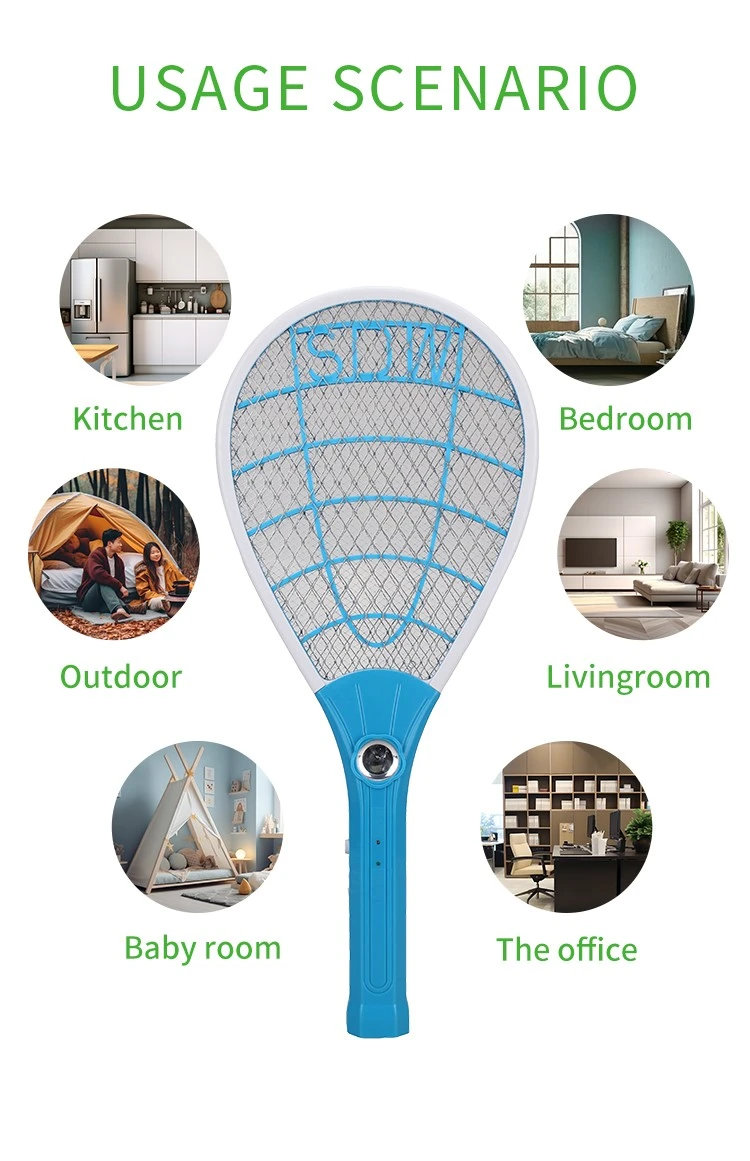
Most importers of electric mosquito swatters obsess over the first order: samples requested, factories vetted, a pre-shipment inspection booked. Then the reorder arrives eight months later and something is off. The grid feels softer. The charge port is a slightly different shade of black. The carton thickness dropped from 350 gsm to 300 gsm. Nothing is catastrophic — but the product no longer matches what your retail customers approved, and quietly, your return rate starts climbing.
How to Keep Mosquito Swatter Quality Consistent Across Repeat Orders
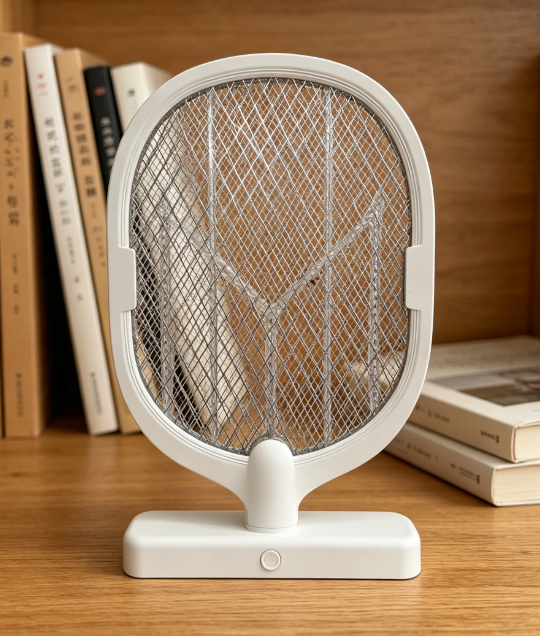
Warranty returns are the silent margin killer in the mosquito control category. A distributor who buys a swatter at $1.80 FOB and retails it at $9.90 can absorb a 1% return rate without noticing — but at 5%, the combined cost of replacement units, reverse logistics, and refund processing erases most of the line's profit.
Common mosquito swatter killer lamp failure modes wholesale spec guide

Digital bathroom scales rank as the second-highest-volume consumer weighing product category, only behind kitchen scales, with distinct market and product characteristics that set them apart from other scale types in importers’ product portfolios.
Digital bathroom body fat-bia-scale wholesale buyers guide