
Do Mosquito Lamps Emit Radiation
2026-04-17
Do Mosquito Lamps Emit Radiation? Everything You Need to Know About Its Safety to Enjoy a Mosquito-Free Summer Without Worries
As summer arrives, mosquito lamps have become a "mosquito-repelling artifact" for many families — no need to spray chemical insecticides, just plug them in and they quietly kill mosquitoes, making them especially suitable for families with the elderly, children and pregnant women. But accompanying doubts often arise: mosquito lamps emit purple light when working, do they really emit radiation? Will long-term use at home cause harm to human health? Today, we will clarify all these questions at once to help you eliminate worries and use mosquito lamps safely and correctly.
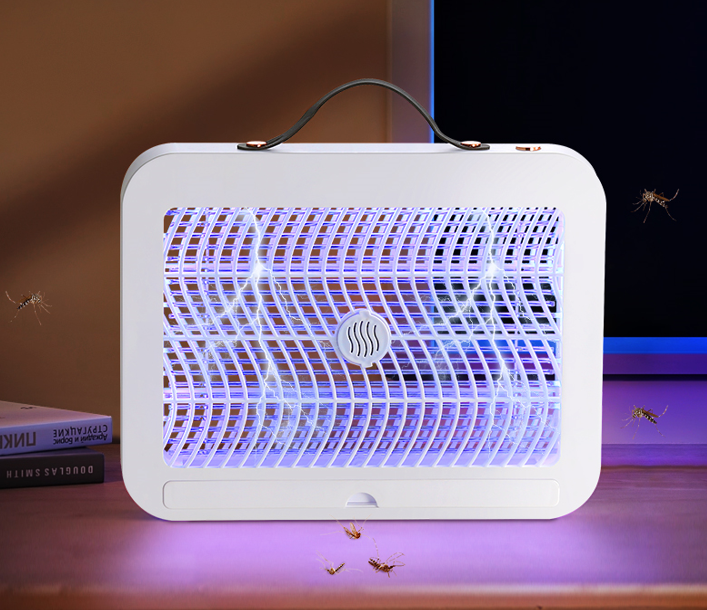
I. The Working Principle of Mosquito Lamps Determines Their Type of Radiation
To determine whether a mosquito lamp emits radiation, we first need to understand how it works. The core principle of mainstream mosquito lamps on the market is to use mosquitoes' phototaxis — mosquitoes are very sensitive to light of specific wavelengths, especially long-wave ultraviolet (UV-A) between 350-400nm. Mosquito lamps attract mosquitoes by emitting this kind of light, and then kill them through methods such as electric shock from a high-voltage power grid, adhesive capture or negative pressure airflow suction.
It can be seen from the working principle that the radiation source of mosquito lamps is mainly related to their core components. Different types of mosquito lamps have slightly different radiation performances. Common mosquito lamps are mainly divided into three types: electric shock type, adhesive capture type and photocatalytic type. Among them, electric shock type and adhesive capture type are the most commonly used, while photocatalytic type is more high-end and environmentally friendly. Their radiation characteristics are basically the same, so there is no need to worry about them separately.
1.1 Two Types of Radiation from Mosquito Lamps: Both Are "Harmless" Non-Ionizing Radiation
Many people feel nervous when they hear the word "radiation". In fact, radiation is divided into "ionizing radiation" and "non-ionizing radiation", and the harm levels of the two are vastly different. Ionizing radiation (such as X-rays, nuclear radiation) has extremely high energy, which can damage human cells and DNA and requires strict protection; non-ionizing radiation has low energy and cannot damage cell structure. The radiation generated by mobile phones, routers, desk lamps and other devices we use daily is this type, which is basically harmless to the human body.
The radiation generated by mosquito lamps is precisely non-ionizing radiation, which is mainly divided into two types:
The first is ultraviolet radiation, which is the main radiation source of mosquito lamps, that is, the "purple light" we see. Its wavelength is concentrated around 365nm, belonging to the UV-A band (long-wave ultraviolet). It has weak penetration and minimal harm to human skin and eyes. It is the same type of ultraviolet radiation as we are exposed to when sunbathing daily, but its intensity is much lower than that of sunlight.
The second is extremely low-frequency electromagnetic radiation, which comes from the operation of the internal circuits and electronic components of the mosquito lamp. For example, when the high-voltage power grid of the electric shock type mosquito lamp works, it will generate weak electromagnetic radiation. However, the intensity of this radiation is extremely low. For regular mosquito lamps that have passed the 3C certification, the intensity of their electromagnetic radiation is usually only 1/10 or even lower than the national civil safety limit, which is equivalent to the radiation level of mobile phones and routers, and is completely within the safe range.
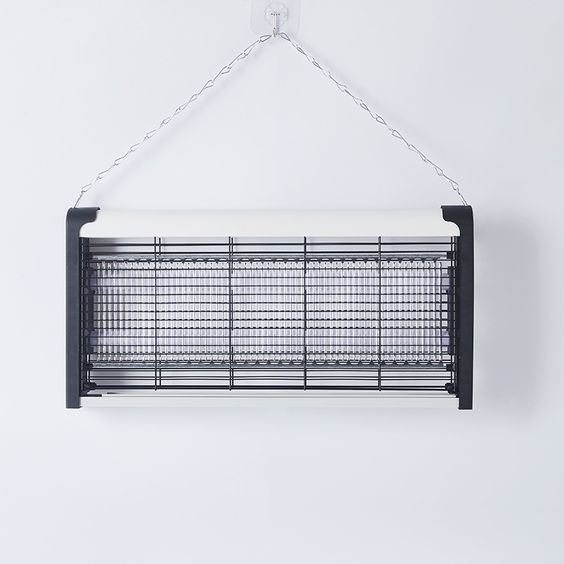
II. Key Question: Is the Radiation from Mosquito Lamps Really Harmless to the Human Body?
The answer is clear: as long as it is a qualified mosquito lamp that meets national standards, its radiation is almost harmless to the human body under normal use, and you can use it with confidence. We can explain it separately from the two core radiation types, using data and standards to eliminate your worries.
2.1 Ultraviolet Radiation: Low Intensity and Small Dose, No Need for Excessive Worry
Many people worry that the purple light of mosquito lamps will burn the skin and damage the eyes, but this worry is completely unnecessary. According to China's "Safety Requirements for Ultraviolet Radiation of Household and Similar Electrical Appliances" (GB/T 30001-2013), the intensity of ultraviolet radiation of qualified mosquito lamps is strictly limited. The radiation dose within 1 meter must be less than 1 milliwatt per square meter, which is an extremely low value.
Specifically, the ultraviolet output intensity of a mosquito lamp is only about 1% of the midday summer sun. Under normal use, the human body is usually more than 1 meter away from the mosquito lamp, and the received ultraviolet dose is far lower than the skin tolerance threshold, which will not cause problems such as sunburn and skin aging. Only continuous close-range direct exposure for more than 10 hours a day may cause slight tanning, which is almost impossible in daily use unless you deliberately stare at the mosquito lamp at close range.
Moreover, most mosquito lamps are designed with lampshades or baffles, which can effectively reduce the probability of direct ultraviolet radiation on the human body and further reduce potential risks. It should be noted that avoid letting infants and young children stare at the purple light of the mosquito lamp for a long time. Although the harm is minimal, long-term direct viewing may still cause eye fatigue.
2.2 Electromagnetic Radiation: Weaker Than Mobile Phone Radiation, Negligible
There is no need to worry about the electromagnetic radiation of mosquito lamps. According to China's "Limit Values for Electromagnetic Environment Control" (GB 8702-2014), the safety limit for civil electromagnetic radiation is extremely low frequency (30-1000Hz) electric field strength of 4000V/m and magnetic field strength of 100μT. The electromagnetic radiation intensity of regular mosquito lamps is far below this standard, even weaker than the radiation of mobile phones and routers we usually keep around us.
Many people will hear a "crackling" sound when the electric shock type mosquito lamp is working, and mistakenly think that this is a signal of increased radiation. In fact, this is just a physical sound generated when the high-voltage power grid shocks mosquitoes. It will not generate additional harmful radiation, nor will it increase the radiation intensity. It is a normal working phenomenon.
III. Usage Reminders: Do These 3 Things Well to Reduce Radiation Risk Further
Although the radiation of mosquito lamps is harmless in itself, correct use can further avoid potential risks and improve the mosquito-killing effect. Combined with the suggestions of quality inspection experts, we share 3 practical usage skills to help you kill mosquitoes and feel at ease:
3.1 Control the Usage Distance and Position
It is recommended to place the mosquito lamp more than 1.5 meters away from the human body, away from areas where people often stay such as beds, sofas and dining tables, to avoid long-term close contact; at the same time, do not place the mosquito lamp near flammable items such as curtains and paper (keep a distance of at least 0.5 meters) to prevent small sparks generated during electric shock from causing safety hazards. The mosquito lamp can be hung on the wall 1.8-2.2 meters high, which can not only improve the mosquito-killing effect, but also reduce the probability of human contact with radiation.
3.2 Reasonably Control the Usage Time
The mosquito-killing effect of mosquito lamps is best in a dark environment. It is recommended to turn them on when it just gets dark in the evening, when mosquitoes are most active; if used indoors, you can turn them on 2-3 hours in advance before entering the room to let the mosquito lamp work for a period of time. After entering the room, you can continue to turn it on without turning it off. It is not recommended to turn it on during the day, which not only has a poor mosquito-killing effect, but also wastes electricity (in fact, the power of mosquito lamps is very low. A mosquito lamp with less than 10 watts working continuously for 24 hours only costs about 0.15 yuan in electricity).
3.3 Prioritize Qualified Products
When buying mosquito lamps, you must choose products with 3C certification and in line with national standards such as GB/T 30001-2013 through formal channels, and avoid buying three-no products (products without manufacturer, production date and inspection certificate) — such products may have problems such as excessive ultraviolet intensity and abnormal electromagnetic radiation, which will bring safety hazards instead. At the same time, you can choose the appropriate type according to the usage scenario. For example, for families with children and pets, it is better to choose adhesive capture type mosquito lamps to avoid the risk of accidental electric shock caused by the high-voltage power grid of electric shock type.
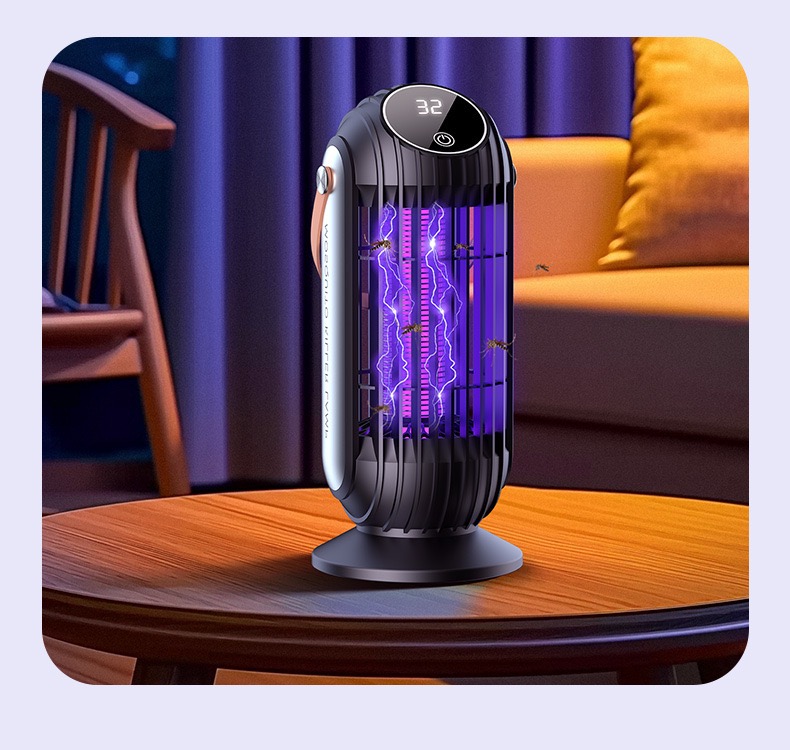
IV. Summary: Mosquito Lamp Radiation Is Not Terrible, Scientific Use Is More Assuring
In a word, mosquito lamps do emit radiation, but it is non-ionizing radiation that is harmless to the human body, mainly ultraviolet radiation and weak electromagnetic radiation. Their intensity is far lower than the national safety standards. Under normal use, they are also harmless to sensitive groups such as the elderly, children and pregnant women.
Compared with chemical mosquito-repelling products such as mosquito coils and mosquito repellent liquids, mosquito lamps adopt a physical mosquito-killing method, with no chemical residues and no peculiar smell, making them safer and more environmentally friendly. As long as we choose qualified products and master the correct use methods, we can safely use them to resist mosquito troubles and spend the whole summer at ease.
How Often Should You Charge an Electric Mosquito Swatter
Are Mosquito Lamps Effective
Related Article

If you’re struggling with annoying mosquitoes, flies, and other flying pests indoors and outdoors, upgrading from traditional manual tools to anElectric Mosquito Swatter is the most efficient solution. Many homeowners and renters search where to buy fly swatter online to find durable, safe, and high-performance electric models that deliver instant pest control.
Where to Buy Fly Swatter
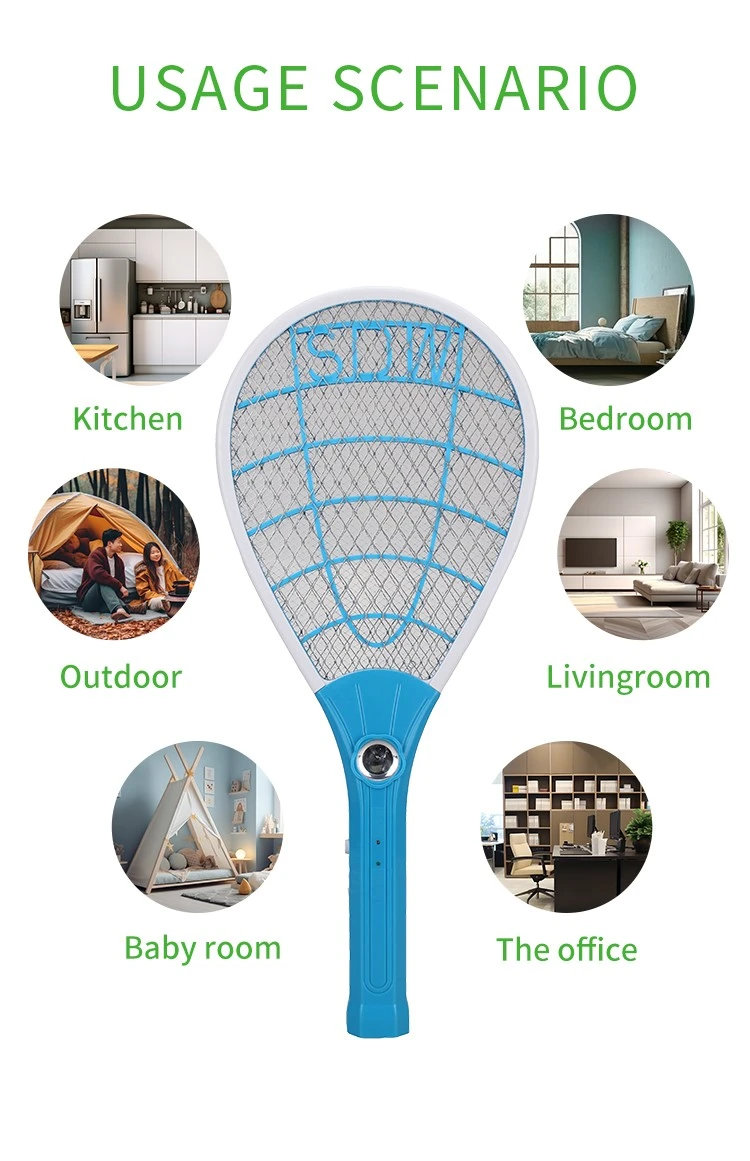
Most importers of electric mosquito swatters obsess over the first order: samples requested, factories vetted, a pre-shipment inspection booked. Then the reorder arrives eight months later and something is off. The grid feels softer. The charge port is a slightly different shade of black. The carton thickness dropped from 350 gsm to 300 gsm. Nothing is catastrophic — but the product no longer matches what your retail customers approved, and quietly, your return rate starts climbing.
How to Keep Mosquito Swatter Quality Consistent Across Repeat Orders
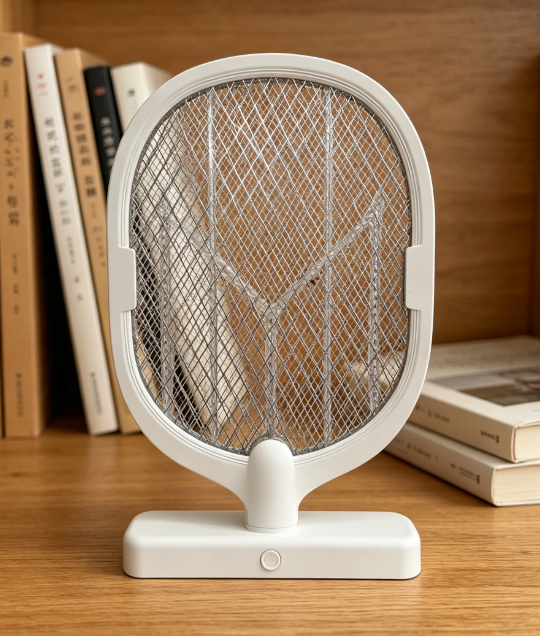
Warranty returns are the silent margin killer in the mosquito control category. A distributor who buys a swatter at $1.80 FOB and retails it at $9.90 can absorb a 1% return rate without noticing — but at 5%, the combined cost of replacement units, reverse logistics, and refund processing erases most of the line's profit.
Common mosquito swatter killer lamp failure modes wholesale spec guide

Digital bathroom scales rank as the second-highest-volume consumer weighing product category, only behind kitchen scales, with distinct market and product characteristics that set them apart from other scale types in importers’ product portfolios.
Digital bathroom body fat-bia-scale wholesale buyers guide