
Do Mosquito Lamps Kill Flies
2026-04-21
Do Mosquito Lamps Kill Flies? The Truth You Need to Know
It’s a common summer frustration: you set up a mosquito lamp to keep those buzzing pests at bay, only to notice flies buzzing around your kitchen, patio, or garbage can—ignoring the lamp entirely. If you’ve ever wondered, “Do mosquito lamps kill flies?” you’re not alone. Many homeowners and outdoor enthusiasts hope their trusty mosquito trap can double as a fly killer, but the answer isn’t as simple as a yes or no. Let’s break down the facts, how mosquito lamps work, and whether they’re an effective solution for flies.
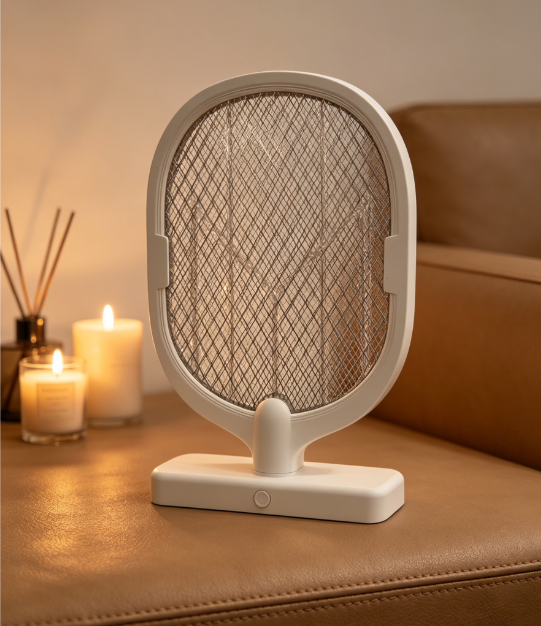
How Mosquito Lamps Work (And Why They Target Mosquitoes)
To understand if mosquito lamps can kill flies, we first need to know how these devices operate. Most mosquito lamps—also called bug zappers, UV mosquito traps, or electric insect traps—rely on two key mechanisms: light attraction and physical灭杀 (killing). Here’s a quick breakdown:
1. UV-A Light Attraction: The core of most mosquito lamps is a UV-A bulb that emits light in the 365–395 nm wavelength range. This specific light is invisible to humans but highly attractive to many flying insects, including mosquitoes. Insects exhibit positive phototaxis, meaning they’re drawn to light, and UV-A light falls right in the sweet spot for mosquito vision.
2. Killing Mechanisms: Once insects are lured close, the lamp uses one of three methods to kill them: - Electric Grid (Bug Zappers): A high-voltage electric grid surrounds the UV bulb; when insects touch it, they’re instantly electrocuted (often with a satisfying “pop” sound). - Sticky Traps: Some lamps use adhesive boards to trap insects instead of electricity—quiet, mess-free, and ideal for indoor spaces like kitchens where electrocution could send insect debris flying. - Fan Suction: Premium models use a quiet fan to suck insects into a chamber, where they dehydrate and die—great for bedrooms or areas where noise is a concern.
The key point here: mosquito lamps are designed to target mosquitoes, which are highly responsive to UV-A light. But what about flies?
Can Mosquito Lamps Kill Flies? The Short Answer
Yes, mosquito lampscan kill flies—but they’re not very effective at it. You might occasionally find a fly or two zapped or stuck to your mosquito lamp, but don’t expect it to eliminate a fly infestation. Here’s why:
Flies are also趋光性 (attracted to light), but their light preferences are different from mosquitoes. While mosquitoes are drawn to UV-A light (365 nm), flies—especially common house flies—prefer blue-green light (400–450 nm) and natural daylight over UV light. Their compound eyes have different light-sensitive proteins, making UV-A light far less appealing to them than it is to mosquitoes. In fact, studies show that the capture rate of flies with standard mosquito lamps is just a fraction of what it is for mosquitoes.
Another factor: flies are more motivated by smell than light. Unlike mosquitoes, which seek out light (and human scent for blood), flies are drawn to food sources—rotten fruit, garbage, pet waste, and other organic matter. The smell of these food sources is far more powerful than the weak UV light of a mosquito lamp, so flies will almost always choose the food over the lamp.
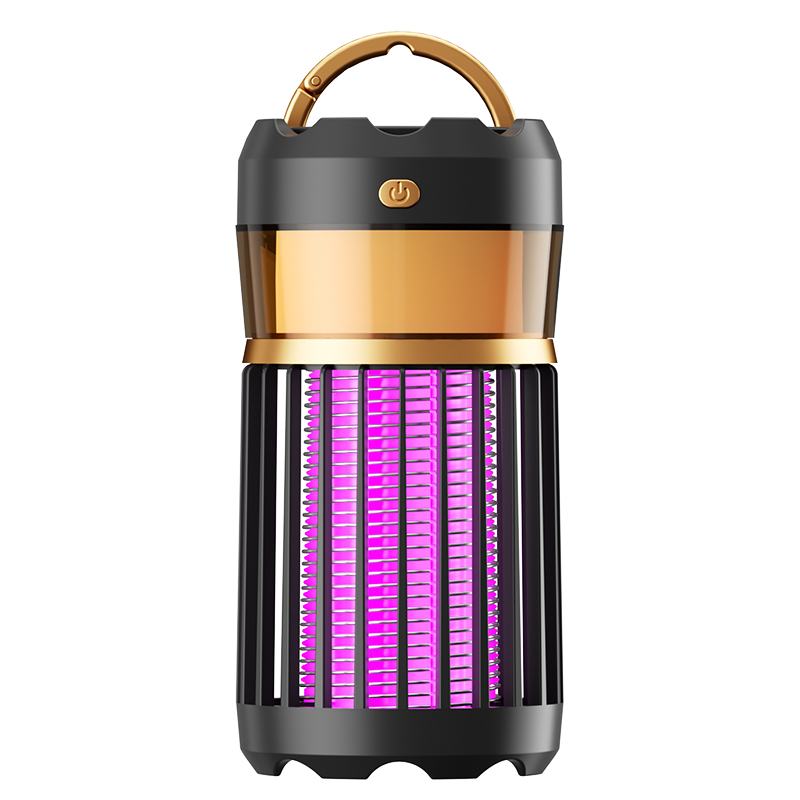
Why Mosquito Lamps Struggle With Flies
To dive deeper, let’s look at the three main reasons mosquito lamps aren’t great at killing flies:
1. Light Spectrum Mismatch
As mentioned earlier, mosquito lamps use UV-A light (365 nm), but flies are more responsive to blue-green light (400–450 nm). Experiments show that house flies have a 37% higher quantum efficiency for blue-green light than for UV-A light, thanks to differences in their eye proteins. A standard mosquito lamp simply doesn’t emit the light that flies find most attractive.
2. Smell Trumps Light for Flies
Flies have an extremely sensitive sense of smell—their antennae can detect even tiny amounts of volatile organic compounds (VOCs) from rotting food or waste. This sense of smell is so strong that it overrides their趋光性. If there’s a garbage can or a bowl of overripe fruit nearby, flies will ignore the mosquito lamp entirely and head for the food source.
3. Fly Behavior and Flight Patterns
Mosquitoes fly in slow, spiraling patterns when drawn to light, making them easy to trap. Flies, on the other hand, fly in fast, straight lines and have a higher light response threshold—meaning they need a brighter, more specific light to be lured in. Traditional mosquito lamps (with static UV light) often can’t trigger their flight response enough to capture them.
Tips to Make Your Mosquito Lamp More Effective for Flies
If you want to use your existing mosquito lamp to catch more flies (while still targeting mosquitoes), try these simple tips. They won’t turn it into a dedicated fly trap, but they can boost its effectiveness:
1. Place It Near Fly Hotspots: Put the lamp close to areas where flies gather—near garbage cans, compost bins, or kitchen counters (but not too close to food, to avoid contaminating it). This increases the chance that flies will stumble into the lamp while searching for food.
2. Eliminate Competing Light and Smells: Turn off other lights nearby (flies are less likely to notice the lamp if there’s brighter light around) and keep food covered, garbage sealed, and pet waste cleaned up. Removing competing smells will make the lamp’s light more noticeable to flies.
3. Choose the Right Lamp Type: Sticky trap mosquito lamps are better for flies than electric grid models. Flies are larger than mosquitoes, and electric zappers can sometimes blow them away (or leave messy debris), while sticky traps will hold them in place.
4. Replace Bulbs Regularly: UV bulbs lose their brightness over time—most last about 6 months. A dim bulb will be even less attractive to flies (and mosquitoes), so replace bulbs regularly to keep the lamp working at its best.
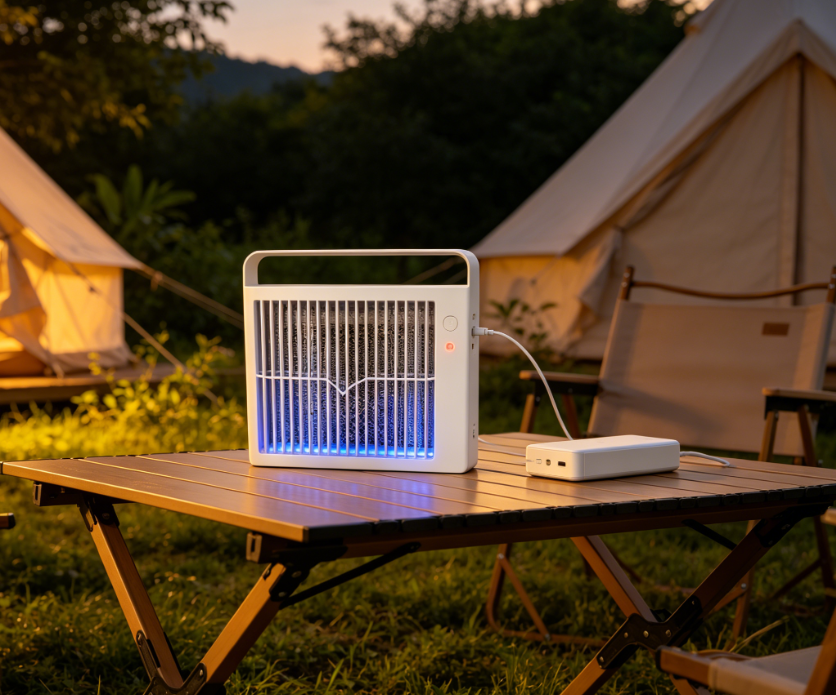
Final Verdict: Should You Use a Mosquito Lamp for Flies?
Mosquito lamps are not a reliable solution for flies. They’re designed for mosquitoes, and their UV-A light is far less appealing to flies than food smells or blue-green light. If you’re dealing with a fly problem, your best bet is to use a dedicated fly trap (which uses blue-green light or pheromone lures) and focus on eliminating their food sources.
That said, there’s no harm in using your mosquito lamp alongside other fly control methods. It might catch a few stray flies here and there, and it will still do its job of keeping mosquitoes at bay. Just don’t expect it to be your main line of defense against flies.
In short: Mosquito lamps kill flies occasionally, but they’re not effective fly killers. For mosquitoes? They’re great. For flies? Invest in a dedicated trap—and keep your kitchen clean!
Why Does It Itch When a Mosquito Bites
Can a Bug Zapper Racket Hurt a Human
Related Article

If you’re struggling with annoying mosquitoes, flies, and other flying pests indoors and outdoors, upgrading from traditional manual tools to anElectric Mosquito Swatter is the most efficient solution. Many homeowners and renters search where to buy fly swatter online to find durable, safe, and high-performance electric models that deliver instant pest control.
Where to Buy Fly Swatter
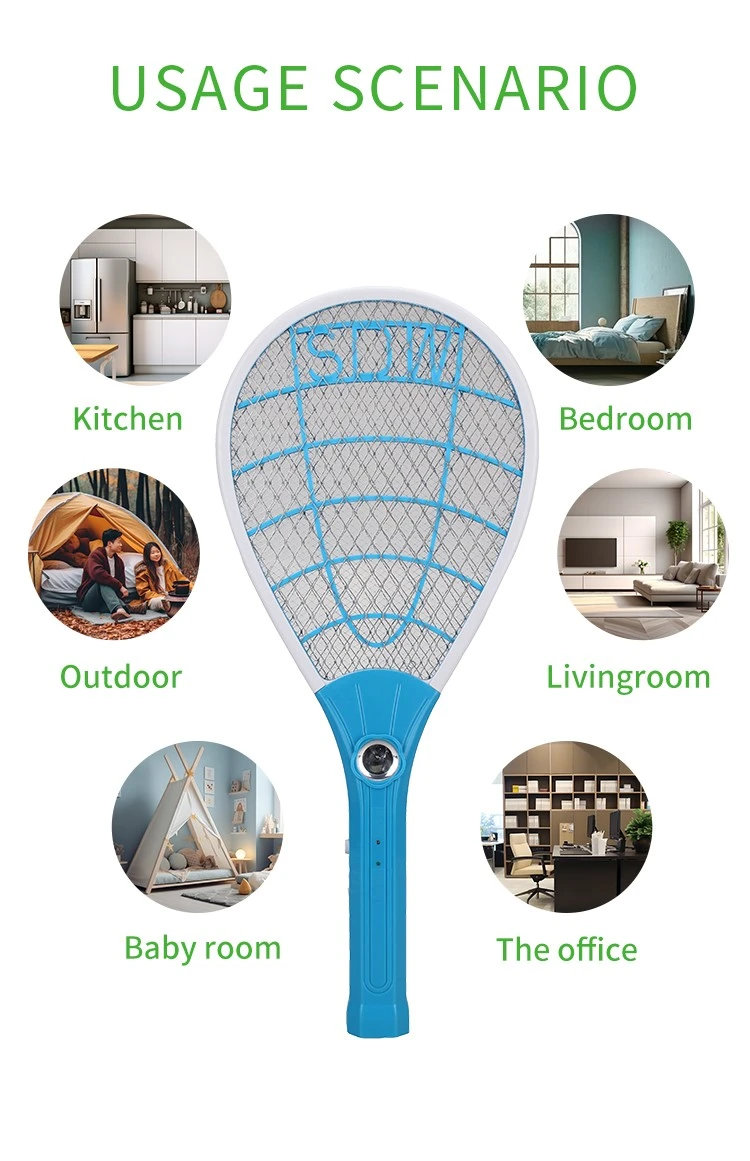
Most importers of electric mosquito swatters obsess over the first order: samples requested, factories vetted, a pre-shipment inspection booked. Then the reorder arrives eight months later and something is off. The grid feels softer. The charge port is a slightly different shade of black. The carton thickness dropped from 350 gsm to 300 gsm. Nothing is catastrophic — but the product no longer matches what your retail customers approved, and quietly, your return rate starts climbing.
How to Keep Mosquito Swatter Quality Consistent Across Repeat Orders
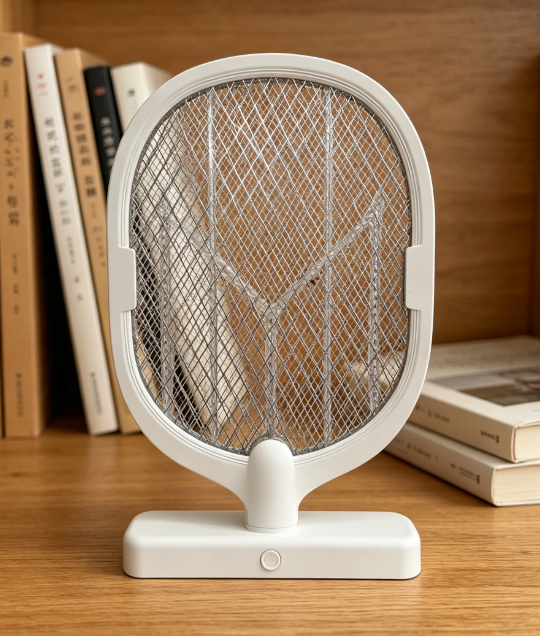
Warranty returns are the silent margin killer in the mosquito control category. A distributor who buys a swatter at $1.80 FOB and retails it at $9.90 can absorb a 1% return rate without noticing — but at 5%, the combined cost of replacement units, reverse logistics, and refund processing erases most of the line's profit.
Common mosquito swatter killer lamp failure modes wholesale spec guide

Digital bathroom scales rank as the second-highest-volume consumer weighing product category, only behind kitchen scales, with distinct market and product characteristics that set them apart from other scale types in importers’ product portfolios.
Digital bathroom body fat-bia-scale wholesale buyers guide