
Do Mosquito Lamps Need to Be Kept On All the Time
2025-09-12
Do Mosquito Lamps Need to Be Kept On All the Time?
Many people feel confused when using mosquito lamps: Do mosquito lamps really need to be kept on all the time? Leaving them on for too long may cause safety hazards and waste electricity, while turning them off may lead to mosquitoes "coming back". In fact, there is no uniform answer to "whether they need to be kept on all the time". The key lies in your actual usage scenario and a comprehensive judgment based on safety and practicality. The following will analyze from different perspectives to help you find the most suitable way to use them.
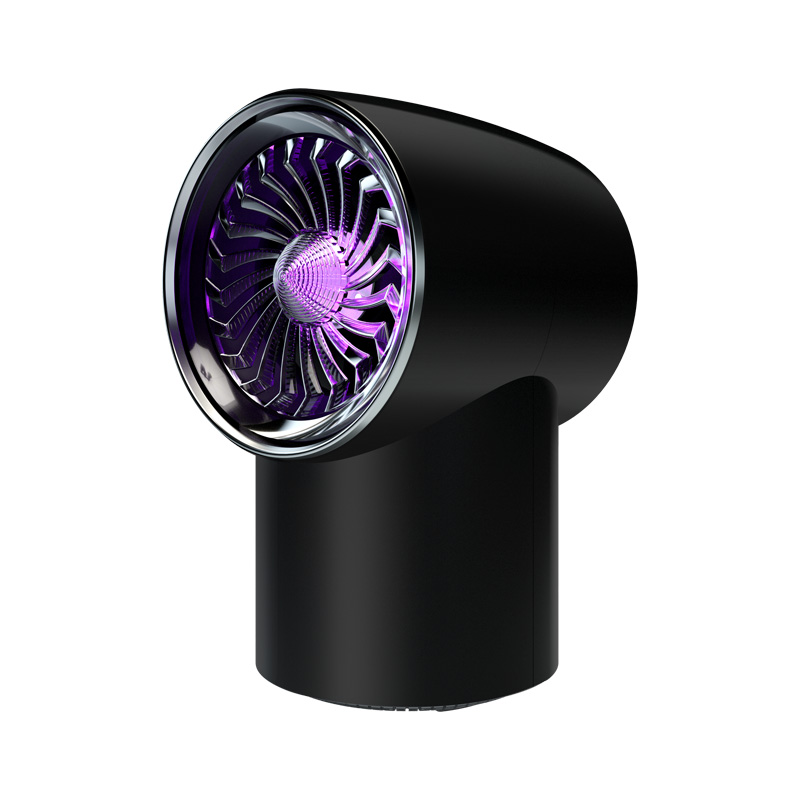
1. Scenarios Where Mosquito Lamps "Need to Be Kept On All the Time" Are More Reasonable
In some specific scenarios, keeping mosquito lamps working continuously can maximize the mosquito - repelling effect and solve practical problems, which can be specifically divided into the following three categories:
If you live on a low floor, near a green belt or a pond, or the doors and windows of your house have poor airtightness, mosquitoes will continuously enter the room through gaps and sewers. At this time, if you frequently turn the mosquito lamp on and off, there will be a "protective gap period", and mosquitoes are likely to stay and lay eggs during this gap. Keeping the mosquito lamp on all the time can form a "continuous interception barrier", catch the invading mosquitoes in time, and avoid the accumulation of their numbers. For example, during the rainy season, mosquitoes breeding in the sewers will continue to crawl out, and keeping the lamp on continuously can effectively reduce the density of mosquitoes indoors.
1.2 Families with Special Groups and No One to Take Care of Them
If there are infants, pregnant women, or people allergic to mosquito bites at home, even a small number of mosquitoes may cause discomfort; or if the whole family goes out to work or study during the day and needs to sleep deeply at night, making it impossible to operate the device frequently. In this case, keeping the mosquito lamp on all the time can prevent "mosquitoes from running amok when no one is at home", and you can be directly in a mosquito - free environment when you come home or wake up. For example, infants have delicate skin, which is prone to redness, swelling and inflammation after being bitten by mosquitoes, and continuous protection can reduce such risks.
1.3 Spaces That Need Long - Term Inhibition of Mosquito Breeding
In areas where debris is easy to accumulate, such as balconies, storage rooms, and garages, in addition to regular cleaning, mosquito lamps need to work continuously to inhibit mosquito breeding; if combined with mosquito - proof measures such as screen windows and mosquito repellent liquids, keeping the mosquito lamp on all the time can serve as the "last line of defense" to make up for the loopholes of other methods, such as intercepting mosquitoes in time when the screen window is damaged. For example, old cartons piled up on the balcony are easy to attract mosquitoes to lay eggs, and keeping the lamp on continuously can reduce the chance of mosquito reproduction.
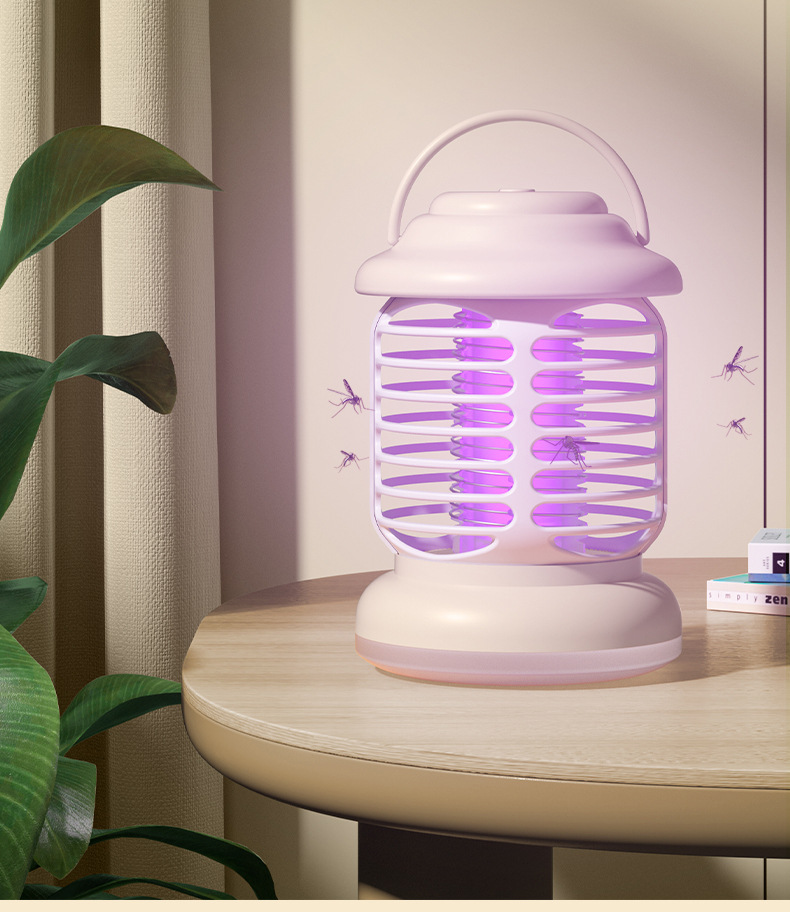
2. When "Needing to Be Kept On All the Time", 4 Points Must Be Done to Ensure Safety and Efficiency
If your scenario really requires the mosquito lamp to be on for a long time, you must not "ignore it". Only by doing the following 4 points well can you avoid safety hazards and ensure that the mosquito - killing effect is not reduced:
2.1 Prioritize the Selection of "Safe" Mosquito Lamps
For long - term use, it is recommended to choose a sticky mosquito lamp. It has no high - voltage power grid, will not generate high temperature and electric shock noise, and is suitable for closed spaces such as bedrooms and children's rooms; if you choose an electric shock type, you must confirm that the product has "leakage protection" and "flame - retardant shell" to avoid fire or leakage risks caused by component aging. When purchasing, you can check the product quality inspection report to ensure that the safety performance meets the standards.
2.2 Strictly Plan the Installation Location
Place the mosquito lamp in an area "more than 1 meter away from flammable materials and more than 0.5 meters away from people/pets", such as the corner of the living room and the wall of the balcony, and keep it away from items such as curtains, sofa covers, and tissue boxes; if it is turned on in the bedroom, choose a low - brightness soft light model and face it towards the wall to avoid direct light from affecting sleep. During installation, you can use a bracket to fix it to prevent the device from falling over.
2.3 Simple Check for 1 Minute Every Day
Spend 1 minute every day observing the status of the device to see if the lamp tube emits light normally (flickering or dimming indicates aging and needs to be replaced in time), whether there are too many mosquitoes accumulated on the sticky board/power grid (clean it when more than 1/3 is accumulated to prevent blockage from affecting heat dissipation), and whether the power cord is damaged (if it is cracked, cut off the power and replace it immediately). There is no need to turn off the power during the inspection, but avoid touching the high - voltage power grid part with your hands.
2.4 Forced Power - Off Maintenance Every 2 Weeks
Do not let the mosquito lamp work "all year round". Every 2 weeks, choose to cut off the power for 3 - 4 hours during the day, clean the internal dust and mosquito corpses (wipe with a soft brush or wet tissue, do not rinse with water), check whether the circuit board is hot, and replace the sticky board of the sticky mosquito lamp with a new one to reduce component loss and extend the service life. After maintenance, you can conduct a power - on test to confirm that the device is operating normally before continuing to use it.
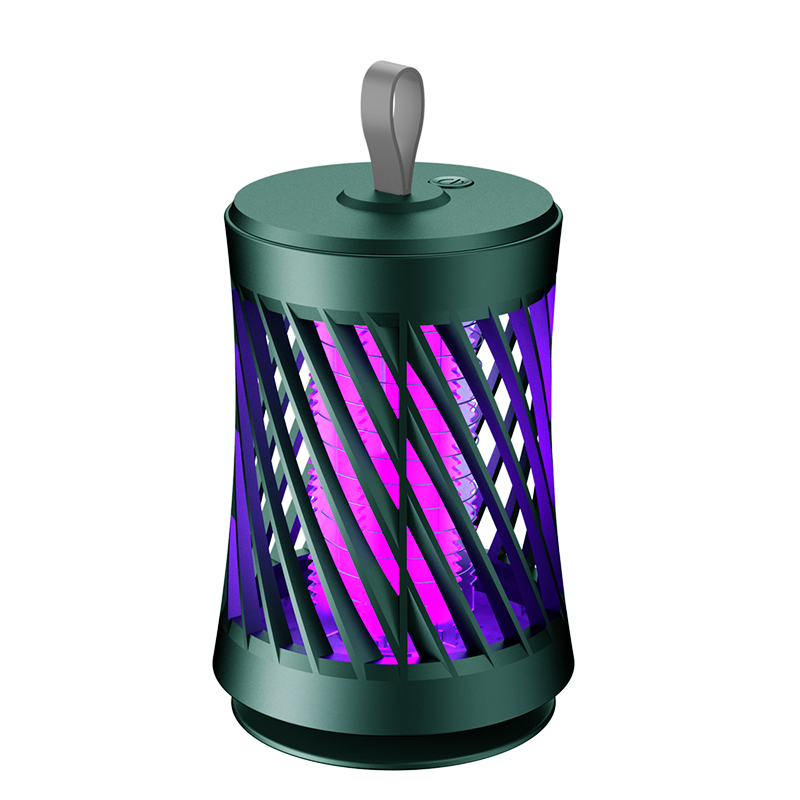
3. In These 2 Scenarios, Mosquito Lamps "Do Not Need to Be Kept On All the Time" to Avoid Wasting Resources
Not all scenarios are suitable for long - term operation. If you are in the following situations, it is more cost - effective to turn it on and off as needed, and it can also reduce unnecessary consumption:
3.1 Mosquito Off - Season or Short - Term Outing
The number of mosquitoes is small in spring and autumn, or if you only go to work for 8 hours during the day and go home at night, there is no need to keep it on all the time. Turn it on before going out during the day and turn it off after returning home; turn it on for 2 - 3 hours before going to bed at night, which just covers the peak period of mosquito activity (18:00 - 20:00 in the evening and 4:00 - 6:00 in the early morning). This can not only save electricity costs but also reduce equipment wear. Calculated by a power of 20 watts, turning it on for 8 hours a day instead of 24 hours can save about 2.4 kWh of electricity per month.
3.2 Indoor Sealed and No Mosquito Traces
If the screen windows at home are intact, the doors and windows are often closed, and no mosquito corpses are found on the mosquito lamp for 2 - 3 consecutive days, it means there are very few mosquitoes indoors. At this time, you can change it to "turn on for 4 hours every other day", observe the mosquito situation and then adjust it to avoid "idling without mosquitoes" and reduce unnecessary energy consumption. If you find that the number of mosquitoes increases later, you can resume high - frequency operation.
4. Conclusion: Whether Mosquito Lamps "Need to Be Kept On All the Time" Depends on Scenarios and Methods
Returning to the core question - Do mosquito lamps need to be kept on all the time? The answer is "determined by the scenario": when there is a continuous need for mosquito prevention and safety protection is well done, they can be kept on all the time; when there are few mosquitoes and the environment is closed, it is more reasonable to turn them on and off as needed. The key is not "whether to turn them on" but "how to turn them on scientifically": choose the right equipment, place it in the right position, do a good job in maintenance, and then combine with auxiliary measures such as cleaning up stagnant water and checking screen windows. Only in this way can you be safe and efficient and completely get rid of the trouble of mosquitoes.
Does a Mosquito Killer Lamp Make You Darker
The Badminton Draw-out UV Mosquito Trap Lamp
Related Article

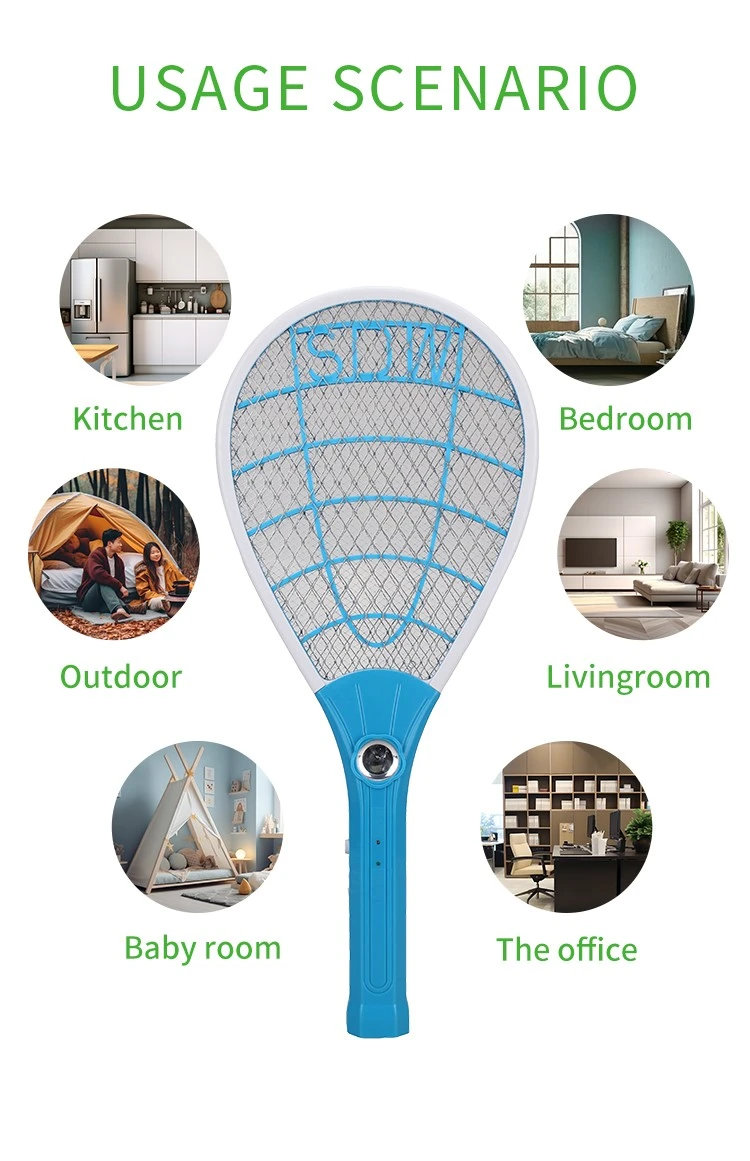
If you’re struggling with annoying mosquitoes, flies, and other flying pests indoors and outdoors, upgrading from traditional manual tools to anElectric Mosquito Swatter is the most efficient solution. Many homeowners and renters search where to buy fly swatter online to find durable, safe, and high-performance electric models that deliver instant pest control.
Where to Buy Fly Swatter
Most importers of electric mosquito swatters obsess over the first order: samples requested, factories vetted, a pre-shipment inspection booked. Then the reorder arrives eight months later and something is off. The grid feels softer. The charge port is a slightly different shade of black. The carton thickness dropped from 350 gsm to 300 gsm. Nothing is catastrophic — but the product no longer matches what your retail customers approved, and quietly, your return rate starts climbing.
How to Keep Mosquito Swatter Quality Consistent Across Repeat Orders
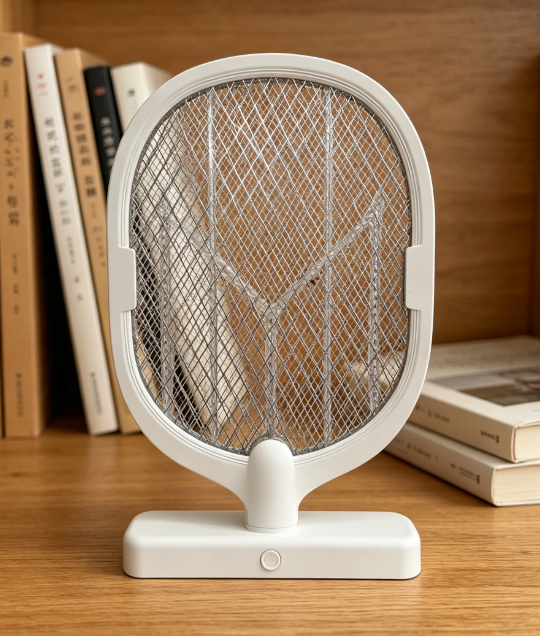
Warranty returns are the silent margin killer in the mosquito control category. A distributor who buys a swatter at $1.80 FOB and retails it at $9.90 can absorb a 1% return rate without noticing — but at 5%, the combined cost of replacement units, reverse logistics, and refund processing erases most of the line's profit.
Common mosquito swatter killer lamp failure modes wholesale spec guide

Digital bathroom scales rank as the second-highest-volume consumer weighing product category, only behind kitchen scales, with distinct market and product characteristics that set them apart from other scale types in importers’ product portfolios.
Digital bathroom body fat-bia-scale wholesale buyers guide