
Do Mosquitoes Exist in the Arctic
2025-08-17
Do Mosquitoes Exist in the Arctic? The "Seasonal Mosquito Swarms" Hiding in the Frigid Zone
In winter, we rarely see mosquitoes. When it comes to the Arctic, most people think of a world covered in ice and snow, with polar days and nights. It’s hard to associate this region with mosquitoes—creatures commonly found in warmer areas. Many even assume that mosquitoes can’t survive in environments with temperatures as low as minus tens of degrees Celsius. But the truth is quite the opposite—not only do mosquitoes exist in the Arctic, but they also form surprisingly dense swarms during specific seasons, becoming a unique ecological phenomenon in the area. Today, let’s uncover the "mystery" of Arctic mosquitoes.
I. Arctic Mosquitoes: Active Only During the "Warm Season Window"
Arctic mosquitoes are not visible year-round; their survival depends entirely on the Arctic’s short "warm season window"—June to August each year. During this time, the Arctic enters summer: daylight hours extend significantly (with polar days in some regions), surface temperatures rise noticeably, and the maximum daytime temperature can reach 10-20°C. More importantly, permafrost thaws under the heat, forming numerous shallow ponds, swamps, and glacial meltwater puddles—these are the "natural nurseries" for mosquito larvae (wrigglers) to grow and develop.
Unlike mosquitoes in temperate zones, the life cycle of Arctic mosquitoes is extremely compressed. The entire process from egg hatching into larvae, then pupae transforming into adults, takes only 2-3 weeks. They must complete reproduction before the standing water freezes and temperatures drop. This "rapid growth" trait allows them to make the most of the Arctic’s warm season (which lasts only about 3 months) to sustain their population.
II. Arctic Mosquitoes’ "Survival Skills": Cold Resistance and Ferocity
Mosquitoes that can survive in the Arctic have evolved "skills" to adapt to extreme environments. In terms of species, most Arctic mosquitoes belong to the Aedes genus. The eggs of these mosquitoes have extremely strong cold resistance—even in permafrost at -50°C, the eggs can survive for years, and will hatch only when standing water appears in the next warm season. Larvae, meanwhile, can develop normally in cold water around 10°C, far exceeding the low-temperature tolerance limit of ordinary mosquitoes.
The "ferocity" of adult Arctic mosquitoes is another striking feature. Due to the short Arctic summer, female mosquitoes need to complete blood-sucking (to replenish nutrients for egg-laying) and mating in a very short time. As a result, their bites are more aggressive and frequent. In Arctic tundra areas, the density of mosquito swarms in summer can even reach a level where they "fly in clusters," disturbing local mammals such as caribou and Arctic foxes. Humans who expose their skin are also prone to frequent bites.
III. Limited Distribution: Concentrated in "Ice-Free Tundra Areas"
However, Arctic mosquitoes are not found everywhere in the Arctic; their distribution has obvious limitations. They are mainly concentrated in tundra areas south of the Arctic Circle, such as northern Alaska, northern Canada, and northern Siberia. These regions have two key conditions: first, sufficient permafrost meltwater to form standing water, meeting the developmental needs of larvae; second, low-lying vegetation (such as moss and lichen), which not only provides habitats for adult mosquitoes but also helps swarms hide and forage more easily.
In contrast, the core Arctic regions covered by ice sheets and glaciers have no mosquitoes at all—permanent ice and snow cover means a lack of standing water and vegetation. In short, the distribution rule of Arctic mosquitoes is: "Mosquito swarms can only exist where there is meltwater and vegetation."
IV. For Humans in the Arctic: How to Deal with "Seasonal Mosquito Infestations"
For people traveling to the Arctic for scientific research or tourism, encountering mosquito swarms in summer is common, so proper protection is essential:
- Prioritize physical protection: Wear long-sleeved clothes and pants, choose light-colored fabrics (mosquitoes are more sensitive to dark colors), and wear wide-brimmed hats or anti-mosquito face masks to minimize exposed skin. If staying outdoors, avoid swampy and tundra areas with dense standing water as much as possible.
- Use professional mosquito repellents: Choose repellents containing effective ingredients such as DEET (N,N-Diethyl-meta-toluamide) or picaridin. Apply them to exposed skin and clothing surfaces—these ingredients are equally effective at repelling Arctic mosquitoes.
- Use the environment to avoid mosquitoes: The Arctic has strong winds in summer. In open, windy areas, mosquito swarms will be scattered by the wind, reducing the chance of being bitten. Indoors, close doors and windows or use screens to block mosquitoes from entering.
Conclusion
The cold of the Arctic has not completely isolated mosquitoes; instead, it has given rise to "seasonal mosquito swarms" that adapt to extreme environments. With their short but efficient life cycles, they survive and reproduce on the Arctic tundra, becoming a unique part of the Arctic ecosystem. Next time someone asks, "Do mosquitoes exist in the Arctic?" you can answer with certainty: "Not only do they exist, but they can also be quite 'busy'!"
Do European Countries Need Electric Mosquito Swatters
Do People with Type O Blood Attract More Mosquitoes
Related Article

If you’re struggling with annoying mosquitoes, flies, and other flying pests indoors and outdoors, upgrading from traditional manual tools to anElectric Mosquito Swatter is the most efficient solution. Many homeowners and renters search where to buy fly swatter online to find durable, safe, and high-performance electric models that deliver instant pest control.
Where to Buy Fly Swatter
Most importers of electric mosquito swatters obsess over the first order: samples requested, factories vetted, a pre-shipment inspection booked. Then the reorder arrives eight months later and something is off. The grid feels softer. The charge port is a slightly different shade of black. The carton thickness dropped from 350 gsm to 300 gsm. Nothing is catastrophic — but the product no longer matches what your retail customers approved, and quietly, your return rate starts climbing.
How to Keep Mosquito Swatter Quality Consistent Across Repeat Orders
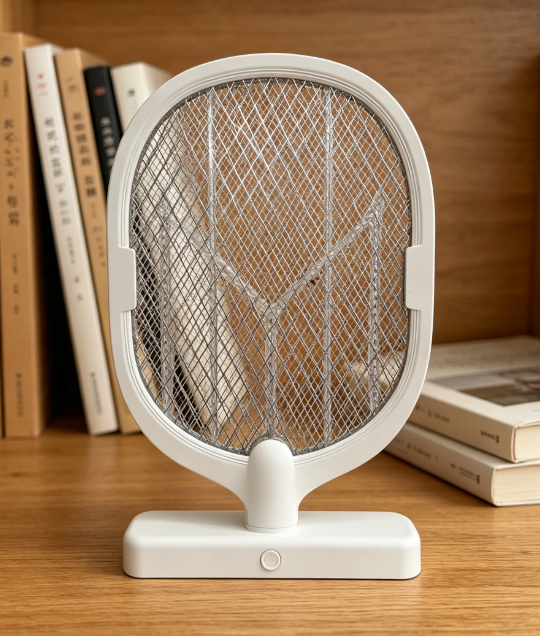
Warranty returns are the silent margin killer in the mosquito control category. A distributor who buys a swatter at $1.80 FOB and retails it at $9.90 can absorb a 1% return rate without noticing — but at 5%, the combined cost of replacement units, reverse logistics, and refund processing erases most of the line's profit.
Common mosquito swatter killer lamp failure modes wholesale spec guide

Digital bathroom scales rank as the second-highest-volume consumer weighing product category, only behind kitchen scales, with distinct market and product characteristics that set them apart from other scale types in importers’ product portfolios.
Digital bathroom body fat-bia-scale wholesale buyers guide