
Do Mosquitoes Like Light
2025-06-28
Do Mosquitoes Like Light
Have you ever wondered why mosquitoes seem to flock around lights at night? The question of whether mosquitoes like light has puzzled many. In this blog, we will explore the complex relationship between mosquitoes and light, uncovering the truth behind this common phenomenon.
The Popular Belief and Initial Misconceptions
For a long time, it has been a common belief that mosquitoes are attracted to light. People often observe swarms of mosquitoes around street lamps, porch lights, and indoor lighting fixtures, which has reinforced this idea. However, this initial impression might not tell the whole story. This misconception could stem from the fact that when we are near lights, we are more likely to notice the presence of mosquitoes, leading us to assume that the light is what draws them in.
Scientific Studies and Findings
The Role of Phototaxis in Mosquitoes
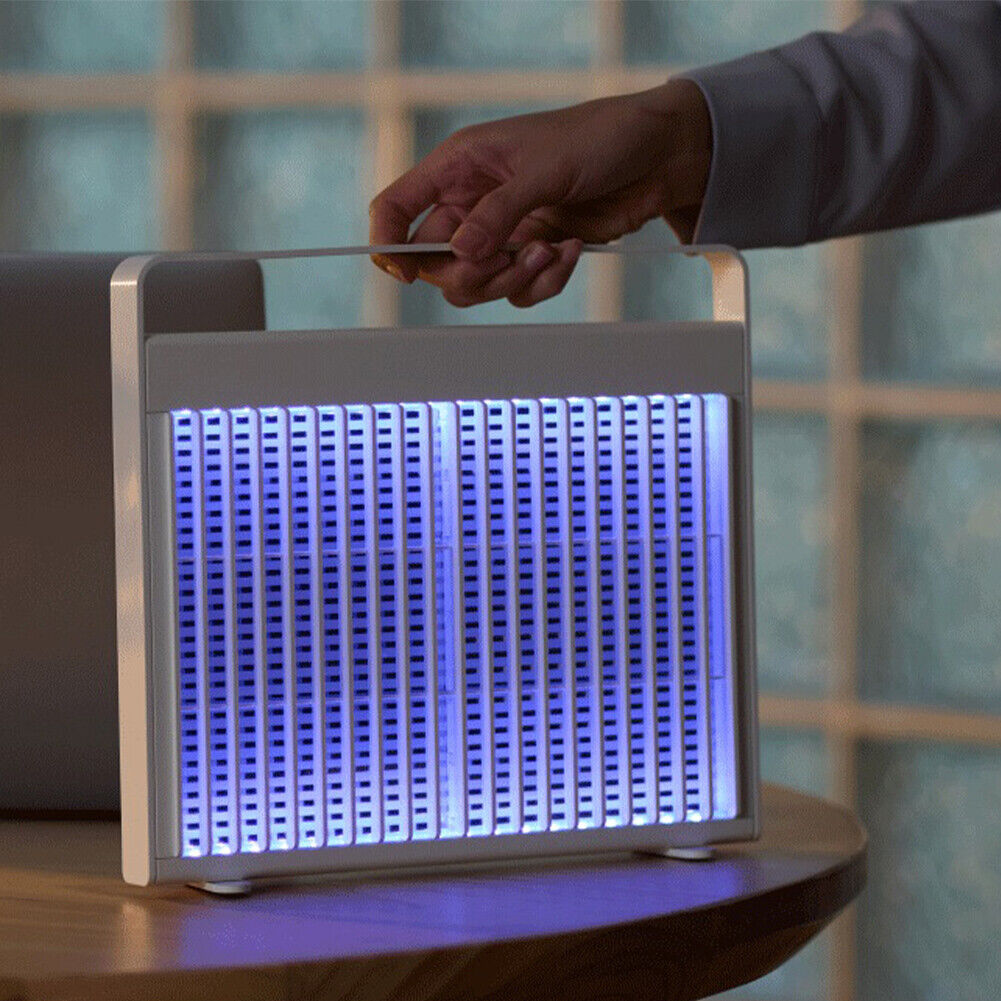
Phototaxis, the movement of organisms in response to light, is a well - studied concept. In the case of mosquitoes, different species may exhibit varying degrees of phototaxis. Some scientific research suggests that certain mosquito species do show a weak positive phototaxis during their early life stages, such as when they are larvae. Mosquito larvae, which live in water, may be attracted to light as it can indicate the surface of the water, where they can access oxygen.
Adult Mosquitoes and Light Preference
However, when it comes to adult mosquitoes, the situation is more complicated. Most adult mosquitoes are actually negatively phototactic during the day. They tend to avoid bright light and prefer to rest in shaded, dark places like under leaves, in tall grass, or in dark corners of buildings. At night, although they are more active, their attraction to light is not straightforward. Instead of being truly “attracted” to light sources, they may be disoriented by them. When a mosquito encounters a bright light, the sudden change in light intensity can disrupt its normal navigation system, causing it to fly towards the light by mistake.
Factors Affecting Mosquitoes’ Response to Light
Light Wavelength and Intensity
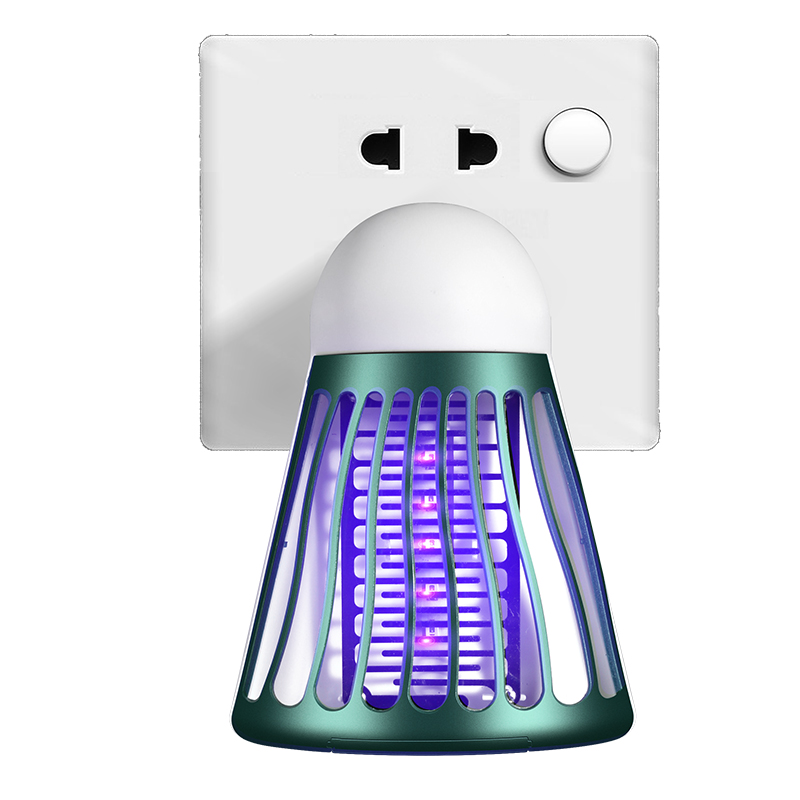
The wavelength and intensity of light play important roles in how mosquitoes react. Ultraviolet (UV) light, which is invisible to the human eye but detectable by mosquitoes, can be more attractive to some species compared to visible light. Additionally, very bright lights are more likely to disorient mosquitoes than dim ones. For example, a high - intensity floodlight is more likely to draw in a confused mosquito than a small, dim bedside lamp.
Environmental and Behavioral Factors
Environmental conditions and the behavior patterns of mosquitoes also influence their interaction with light. In areas with a lot of artificial light pollution, mosquitoes may become more accustomed to and less affected by lights. Moreover, when mosquitoes are seeking hosts for blood meals, their primary cues come from factors like body heat, carbon dioxide emissions, and the smell of skin rather than light. So, even if a light is present, a mosquito is more likely to be drawn to a nearby human or animal if it detects the right chemical and thermal signals.
Practical Implications and Prevention Tips
Lighting Choices for Mosquito Control
Understanding the relationship between mosquitoes and light can help us make better decisions for mosquito control. Using yellow or sodium - vapor lights, which emit less UV light, can be less attractive to mosquitoes compared to white or blue - toned lights. Installing outdoor lights away from entrances and seating areas can also reduce the likelihood of mosquitoes being drawn to where people gather.
Complementary Mosquito Prevention Measures
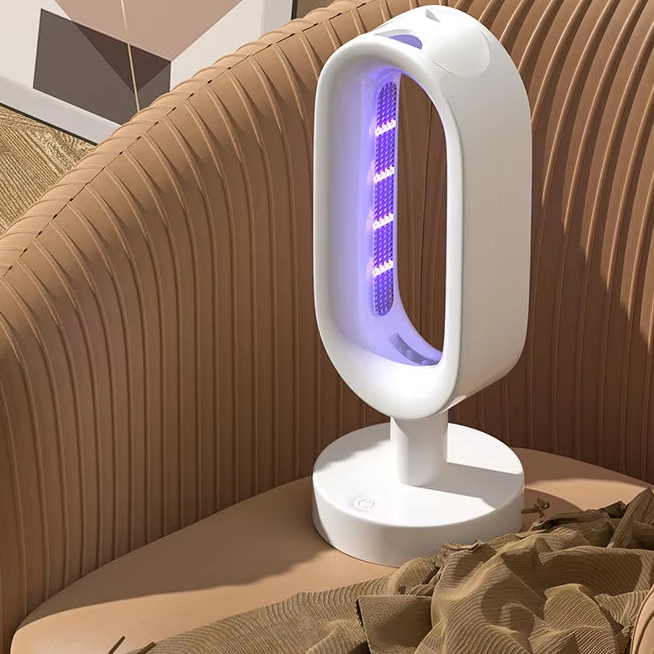
While adjusting lighting can be helpful, it should be combined with other mosquito prevention methods. Keeping windows and doors screened, removing standing water where mosquitoes breed, and using mosquito repellents are all essential steps in protecting ourselves from mosquito bites.
Conclusion
In conclusion, the answer to whether mosquitoes like light is not a simple yes or no. Mosquitoes’ response to light varies depending on their life stage, species, and a variety of environmental and behavioral factors. While they may not have a true “liking” for light in the way we might assume, lights can still have an impact on their behavior, often causing disorientation rather than a direct attraction. By understanding these nuances, we can take more targeted and effective measures to deal with mosquitoes and reduce the annoyance and health risks they pose.
Does Mosquito Spray Kill Bees
How to Catch Fruit Fly
Related Article

If you’re struggling with annoying mosquitoes, flies, and other flying pests indoors and outdoors, upgrading from traditional manual tools to anElectric Mosquito Swatter is the most efficient solution. Many homeowners and renters search where to buy fly swatter online to find durable, safe, and high-performance electric models that deliver instant pest control.
Where to Buy Fly Swatter
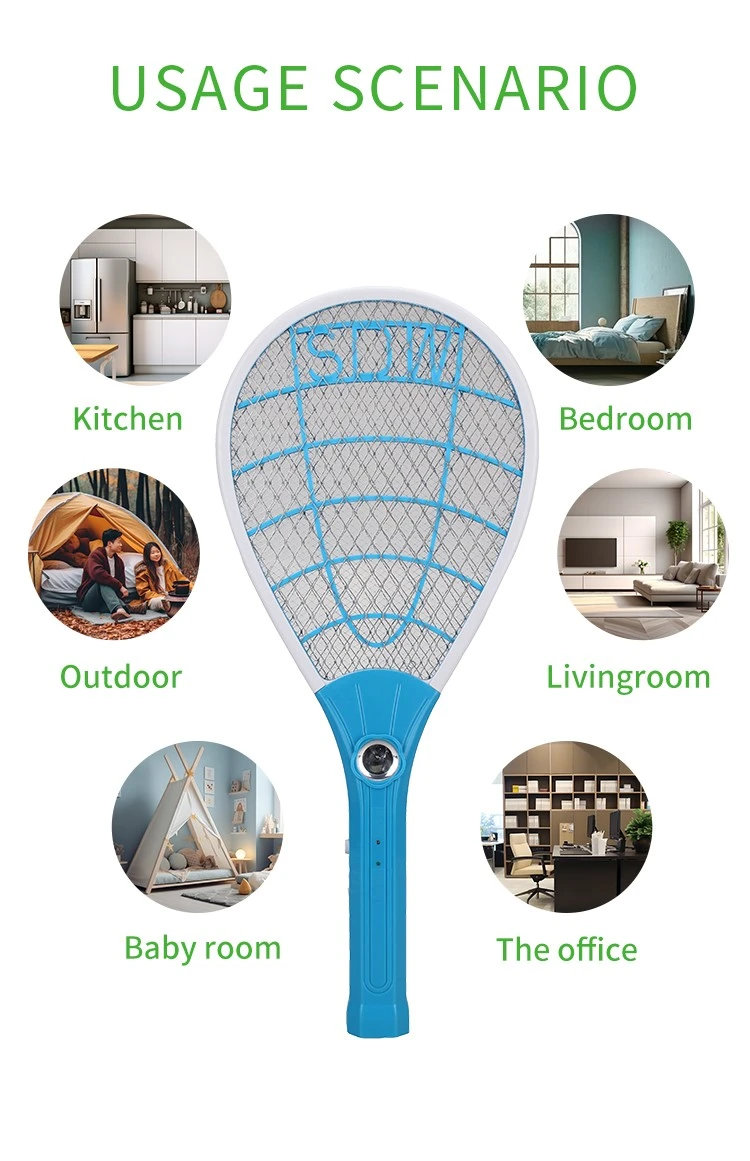
Most importers of electric mosquito swatters obsess over the first order: samples requested, factories vetted, a pre-shipment inspection booked. Then the reorder arrives eight months later and something is off. The grid feels softer. The charge port is a slightly different shade of black. The carton thickness dropped from 350 gsm to 300 gsm. Nothing is catastrophic — but the product no longer matches what your retail customers approved, and quietly, your return rate starts climbing.
How to Keep Mosquito Swatter Quality Consistent Across Repeat Orders
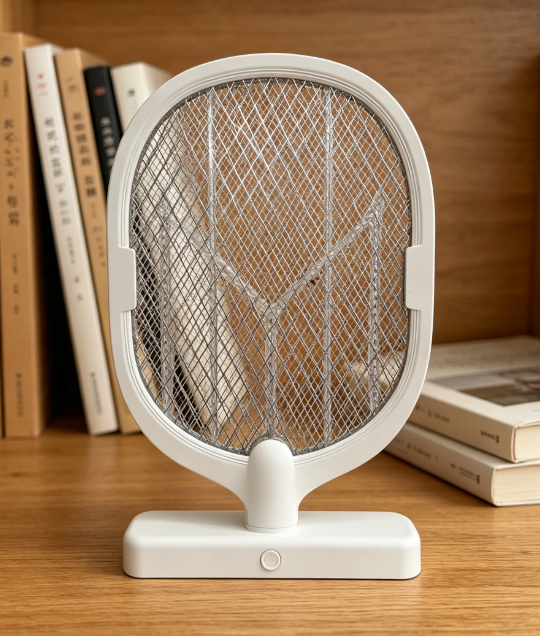
Warranty returns are the silent margin killer in the mosquito control category. A distributor who buys a swatter at $1.80 FOB and retails it at $9.90 can absorb a 1% return rate without noticing — but at 5%, the combined cost of replacement units, reverse logistics, and refund processing erases most of the line's profit.
Common mosquito swatter killer lamp failure modes wholesale spec guide

Digital bathroom scales rank as the second-highest-volume consumer weighing product category, only behind kitchen scales, with distinct market and product characteristics that set them apart from other scale types in importers’ product portfolios.
Digital bathroom body fat-bia-scale wholesale buyers guide