
Do Mosquitoes Prefer Darkness or Light
2025-11-27
Do Mosquitoes Prefer Darkness or Light? The Truth Is Not as Simple as You Think
You must have had this experience: shortly after turning off the light and lying down, you hear the annoying "buzz" of mosquitoes in your ear, but as soon as you turn the light back on, they seem to vanish into thin air. This makes people wonder: do mosquitoes prefer darkness, or are they afraid of light? In fact, the answer is neither "black nor white" nor aligned with our intuition.
Mosquitoes Find Targets Not by "Seeing Light" but by a "Combination of Senses"
To understand mosquitoes’ "light preference," we first need to figure out their "navigation system." When mosquitoes search for targets, they don’t rely on "seeing light" as we might assume—instead, they use a "combination of senses": first, chemical receptors on their antennae detect carbon dioxide exhaled by humans and lactic acid in sweat; then, thermal receptors lock onto the heat emitted by our bodies; finally, their compound eyes assist in sensing light to help them determine their flight direction. In other words, for mosquitoes, "where humans are" is 100 times more important than "how bright the environment is".
Why Are Mosquitoes More Active After Turning Off the Light? It’s Not That They Love Darkness, But That Light Interference Is Gone
So why are mosquitoes more "active" after turning off the light? It’s not that mosquitoes "love darkness"—rather, dark environments make their "primary navigation tools" more sensitive. When the light is on, it disrupts mosquitoes’ visual judgment; just like we can’t see clearly in strong light, mosquitoes are also "dazzled" by light and can’t find their targets. After turning off the light, without light interference, mosquitoes can more accurately follow the "signals" of carbon dioxide and heat to fly straight toward our skin. You might think mosquitoes are hiding in the dark, but in reality, they finally lock onto their "meal" in the dark.
Do Lights Attract Mosquitoes? They Only "Care About" Specific Wavelengths
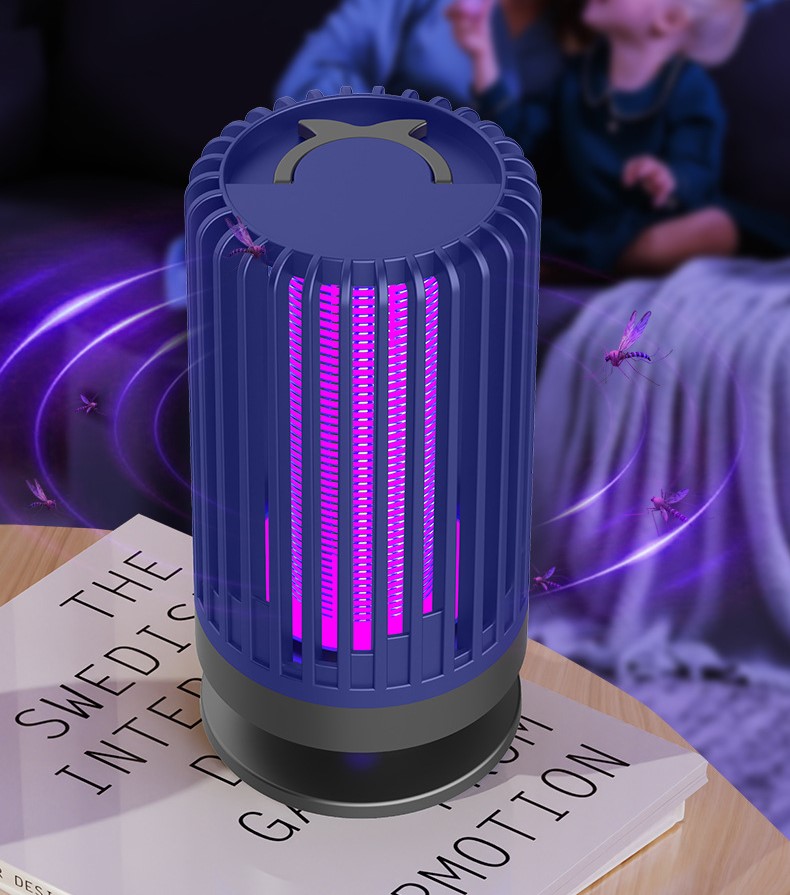
There’s also a misunderstanding about "whether lights attract mosquitoes." Not all lights can attract mosquitoes—they are only sensitive to light of specific wavelengths, such as blue light and ultraviolet light (the kind often used in mosquito zappers). They have little interest in warm yellow incandescent lamps or fluorescent lamps. However, even if attracted by short-wavelength lights, mosquitoes won’t "abandon their host": if there’s a person near the light, they will still prioritize flying toward the person, after all, blood is their "necessity." It’s like you wouldn’t skip going home for dinner just because the streetlights by the road are on.
Fewer Mosquitoes During the Day? It’s Not That They Fear Light, But That They Fear High Temperatures
Some people also say, "Mosquitoes fear light, so you rarely see them during the day"—this isn’t entirely true either. Mosquitoes don’t disappear during the day; they just hide in cool places like tree shades or grass to "rest"—it’s not light they fear, but high temperatures. Mosquitoes’ favorite temperature range is 25-30°C (77-86°F). During the day, areas exposed to direct sunlight are too hot, which is not conducive to their activities. In the evening, when the temperature drops and light weakens, they come out to "forage."
Conclusion: Mosquitoes Only "Prefer Environments with Hosts"
To sum up: Mosquitoes neither "prefer darkness" nor "crave light"—they only "prefer environments with hosts". Darkness just makes their positioning smoother, and specific lights may occasionally attract them, but neither is as attractive as "human scent + body heat."
To Reduce Mosquito Harassment, These 3 Things Are More Reliable
Instead of worrying about "whether to turn the light on or off," do these 3 things to reduce mosquito harassment:
- Clean up stagnant water at home (in flower pots, trash cans, floor drains) before going to bed—mosquito larvae can’t survive without water, so this reduces their breeding at the source.
- Use mosquito repellents containing DEET or picaridin—these directly disrupt mosquitoes’ chemical receptors.
- Hang a mosquito net when sleeping—physical isolation is more reliable than "competing with mosquitoes for reaction speed."
Next time you encounter the situation where "there are mosquitoes when the light is off, but none when it’s on," stop blaming the light or darkness—it’s actually that the "attraction" from your body was locked onto by mosquitoes long ago!
Choosing an outdoor electric mosquito swatter
Quick Overview of the Red and Black List for Maternity Mosquito Swatters
Related Article

If you’re struggling with annoying mosquitoes, flies, and other flying pests indoors and outdoors, upgrading from traditional manual tools to anElectric Mosquito Swatter is the most efficient solution. Many homeowners and renters search where to buy fly swatter online to find durable, safe, and high-performance electric models that deliver instant pest control.
Where to Buy Fly Swatter
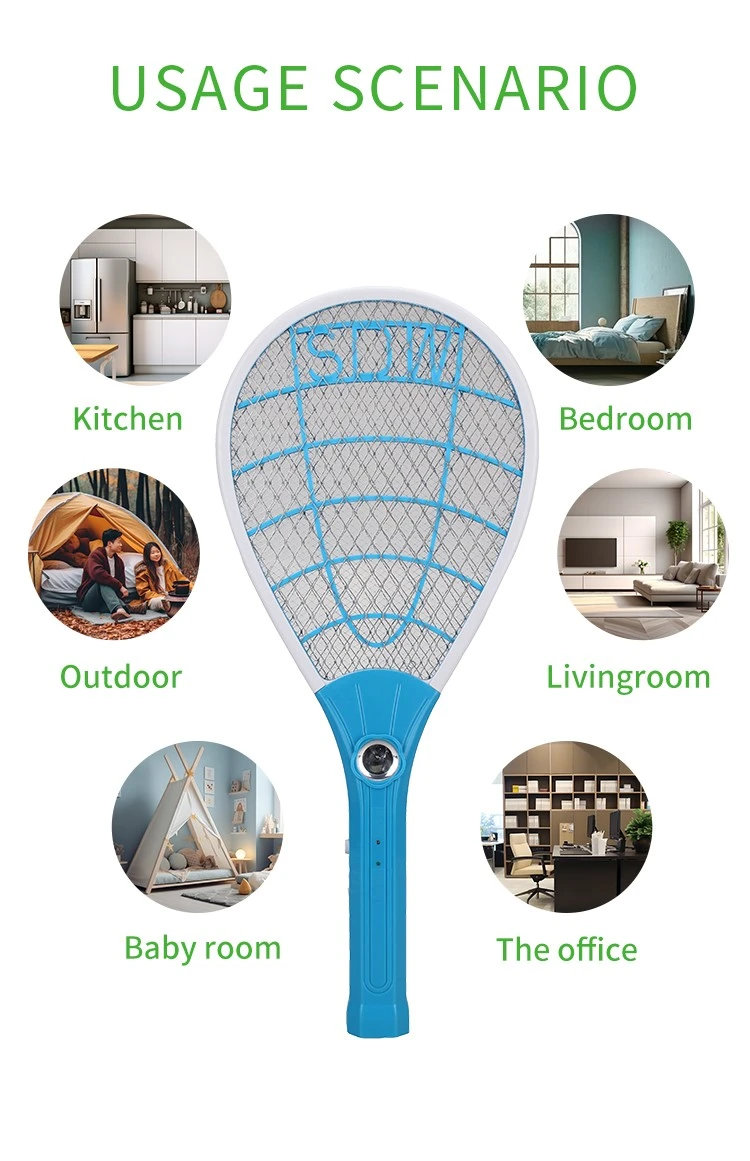
Most importers of electric mosquito swatters obsess over the first order: samples requested, factories vetted, a pre-shipment inspection booked. Then the reorder arrives eight months later and something is off. The grid feels softer. The charge port is a slightly different shade of black. The carton thickness dropped from 350 gsm to 300 gsm. Nothing is catastrophic — but the product no longer matches what your retail customers approved, and quietly, your return rate starts climbing.
How to Keep Mosquito Swatter Quality Consistent Across Repeat Orders
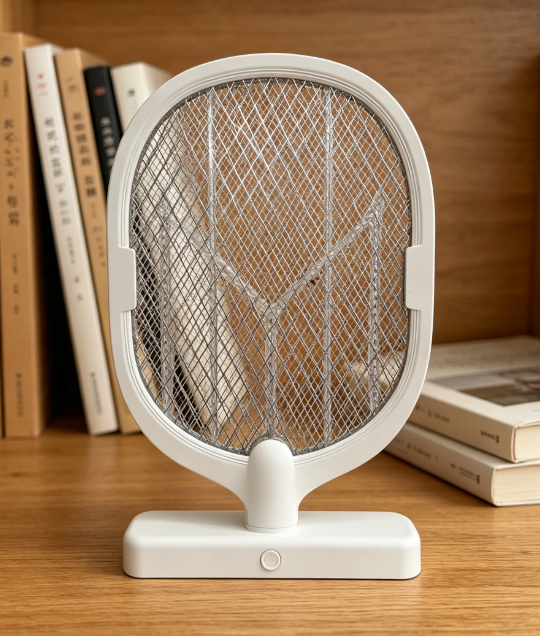
Warranty returns are the silent margin killer in the mosquito control category. A distributor who buys a swatter at $1.80 FOB and retails it at $9.90 can absorb a 1% return rate without noticing — but at 5%, the combined cost of replacement units, reverse logistics, and refund processing erases most of the line's profit.
Common mosquito swatter killer lamp failure modes wholesale spec guide

Digital bathroom scales rank as the second-highest-volume consumer weighing product category, only behind kitchen scales, with distinct market and product characteristics that set them apart from other scale types in importers’ product portfolios.
Digital bathroom body fat-bia-scale wholesale buyers guide