
Do Mosquitoes Sleep During the Day
2026-04-30
Do Mosquitoes Sleep During the Day? The Truth About Their Daytime Habits
If you’ve ever wondered why mosquitoes seem to vanish when the sun is high, only to reappear at dusk or night, you’re not alone. One of the most common questions about these tiny pests is: Do mosquitoes sleep during the day? The short answer is not exactly—but they do enter a rest state that’s similar to sleep. Unlike humans, mosquitoes don’t have eyelids or a traditional sleep cycle, but their daytime behavior reveals a lot about how they conserve energy and survive. Let’s dive into the science behind their daytime habits.
First: Do Mosquitoes “Sleep” at All?
Before we tackle daytime habits, it’s important to clarify what “sleep” means for mosquitoes. Scientists have found that mosquitoes don’t sleep in the same way mammals do—they don’t have deep or REM sleep cycles. Instead, they enter a state called quiescence (or torpor), which is a period of prolonged immobility, reduced responsiveness to stimuli, and lower metabolic rate. This state is critical for their survival: it helps them conserve energy, avoid predators, and undergo physiological repair.
Research shows that if mosquitoes are deprived of this rest, they exhibit a “rebound” effect—they’ll rest longer to make up for lost time. This compensatory behavior proves that this rest state is functionally similar to sleep, even if it’s not identical to how we sleep. So, while mosquitoes don’t “sleep” in the human sense, they do need regular periods of rest to stay healthy and active.
Do Mosquitoes Rest (or “Sleep”) During the Day?
For most mosquito species, the answer is yes—they spend the day in a rest state. This is because mosquitoes are highly sensitive to heat and sunlight. Prolonged exposure to direct sunlight and high temperatures can quickly dehydrate them, which is fatal for these small insects. To avoid this, they seek out cool, dark, and humid spots to rest during the day, conserving energy for their active periods.
Why Most Mosquitoes Avoid Daytime Activity
There are three key reasons why most mosquitoes choose to rest during the day:
-
Dehydration risk: Mosquitoes have thin exoskeletons that lose moisture easily. The hot sun and dry air of daytime can quickly dry them out, so they hide in shaded areas to retain moisture.
-
Predator avoidance: Daytime is when many of their natural predators—like birds, dragonflies, and bats—are active. By resting in secluded spots, mosquitoes minimize their chance of being eaten.
-
Energy conservation: Mosquitoes use a lot of energy flying, mating, and (for females) seeking blood meals. Resting during the day allows them to save energy for their peak activity times, which are usually dawn, dusk, or night.
Where Do Mosquitoes Rest During the Day?
Mosquitoes are picky about their daytime resting spots—they need cool, dark, and humid environments to stay comfortable. Common hiding places include:
-
Outdoor shelters: Dense vegetation (like tall grass, bushes, and the undersides of leaves), under decks or porches, hollow logs, and shaded areas near water sources (since water helps maintain humidity).
-
Indoor spots: Dark corners of garages, sheds, closets, bedrooms, and even under beds or on clothes. A study in Ho Chi Minh City found that Aedes mosquitoes (a common daytime-biting species) often rest in bedrooms and on clothing, usually 1-2 meters off the ground.
During rest, mosquitoes often adopt a specific posture: their hind legs droop, and their bodies press close to the resting surface—a clear sign they’re in a quiescent state.
The Exception: Daytime-Active Mosquitoes
Not all mosquitoes rest during the day. Some species are diurnal (active during the day) or crepuscular (active at dawn and dusk). The most well-known daytime biters are from the Aedes genus, including the Asian tiger mosquito (Aedes albopictus) and the yellow fever mosquito (Aedes aegypti).
These mosquitoes have adapted to avoid the midday heat by being most active in the early morning (7-11 AM) and late afternoon (3 PM to sunset). They’re visual hunters, relying more on sight than chemical cues to find hosts, which allows them to thrive in daylight. Even these species, however, will rest during the hottest part of the day—they just don’t sleep the entire day like their nocturnal relatives.
What This Means for You
Understanding that most mosquitoes rest during the day (but aren’t truly “asleep”) can help you avoid bites and reduce their presence around your home. Here are a few tips:
-
Trim overgrown vegetation and clear leaf litter to eliminate outdoor resting spots.
-
Keep dark indoor areas (like closets and garages) clean and dry to make them less appealing to resting mosquitoes.
-
Be extra cautious during dawn, dusk, and (if you’re in an area with Aedes mosquitoes) early morning and late afternoon—these are their peak activity times.
So, to circle back to the original question: Do mosquitoes sleep during the day? They don’t sleep like we do, but most species spend the day in a rest state that’s vital for their survival. The next time you don’t see mosquitoes in the sun, know they’re probably hiding nearby, recharging for their next round of activity—whether that’s at dusk or (for a few species) later in the day.
How to Dispose of Lithium Batteries
2026 New Mosquito Killer Lamp
Related Article

If you’re struggling with annoying mosquitoes, flies, and other flying pests indoors and outdoors, upgrading from traditional manual tools to anElectric Mosquito Swatter is the most efficient solution. Many homeowners and renters search where to buy fly swatter online to find durable, safe, and high-performance electric models that deliver instant pest control.
Where to Buy Fly Swatter
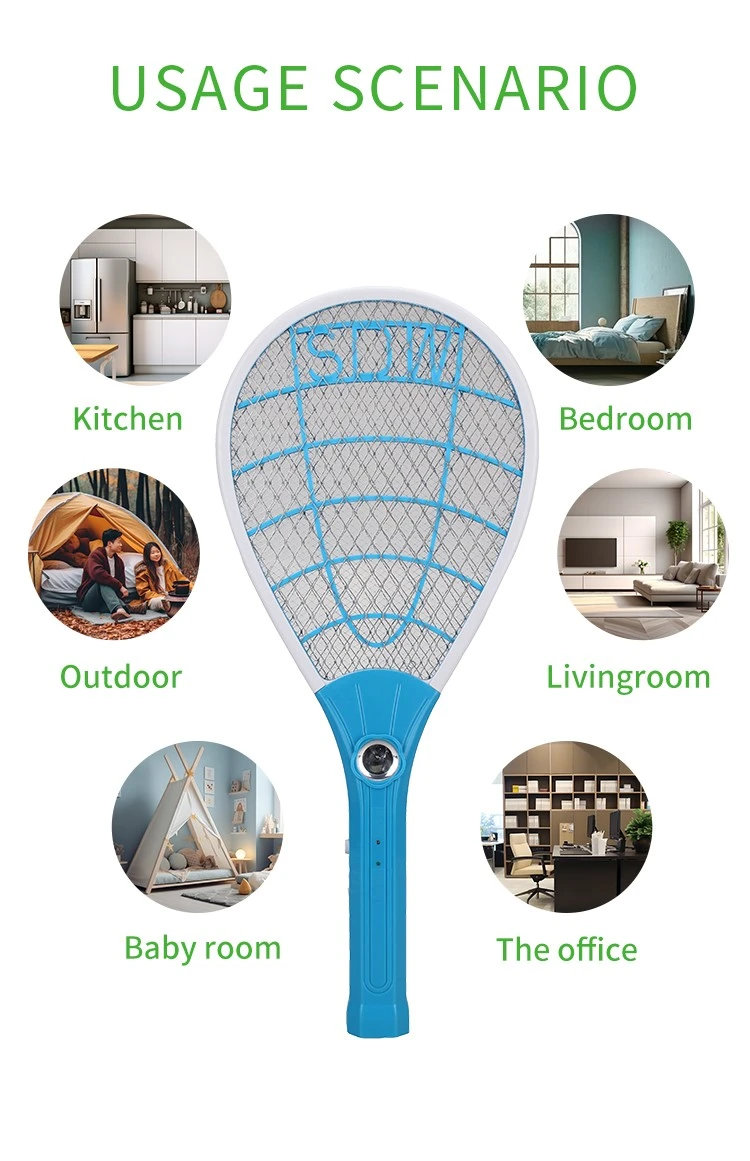
Most importers of electric mosquito swatters obsess over the first order: samples requested, factories vetted, a pre-shipment inspection booked. Then the reorder arrives eight months later and something is off. The grid feels softer. The charge port is a slightly different shade of black. The carton thickness dropped from 350 gsm to 300 gsm. Nothing is catastrophic — but the product no longer matches what your retail customers approved, and quietly, your return rate starts climbing.
How to Keep Mosquito Swatter Quality Consistent Across Repeat Orders
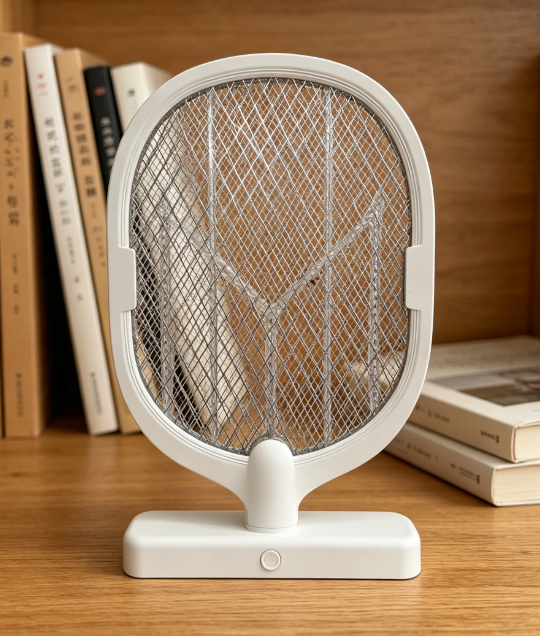
Warranty returns are the silent margin killer in the mosquito control category. A distributor who buys a swatter at $1.80 FOB and retails it at $9.90 can absorb a 1% return rate without noticing — but at 5%, the combined cost of replacement units, reverse logistics, and refund processing erases most of the line's profit.
Common mosquito swatter killer lamp failure modes wholesale spec guide

Digital bathroom scales rank as the second-highest-volume consumer weighing product category, only behind kitchen scales, with distinct market and product characteristics that set them apart from other scale types in importers’ product portfolios.
Digital bathroom body fat-bia-scale wholesale buyers guide