
Do the Plastic Parts of Electric Mosquito Swatters Emit Formaldehyde
2025-09-18
Do the Plastic Parts of Electric Mosquito Swatters Emit Formaldehyde? Everything You Need to Know
With the increasing awareness of health, many people are concerned about whether home decorations and household items emit harmful substances. Electric mosquito swatters are kept at home every day and even come into close contact occasionally—do their plastic parts emit formaldehyde, which could harm the body? Today, we will focus on the core question of "whether the plastic parts of electric mosquito swatters emit formaldehyde" and analyze it from aspects such as materials, risks, detection, and prevention.
I. Do the Plastic Parts of Electric Mosquito Swatters Pose a Risk of Formaldehyde Emission?
Although all are plastics, there are many types of plastic materials. To determine whether the plastic of an electric mosquito swatter emits formaldehyde, we first need to understand what materials are used in its plastic parts and the relationship between these materials and formaldehyde.
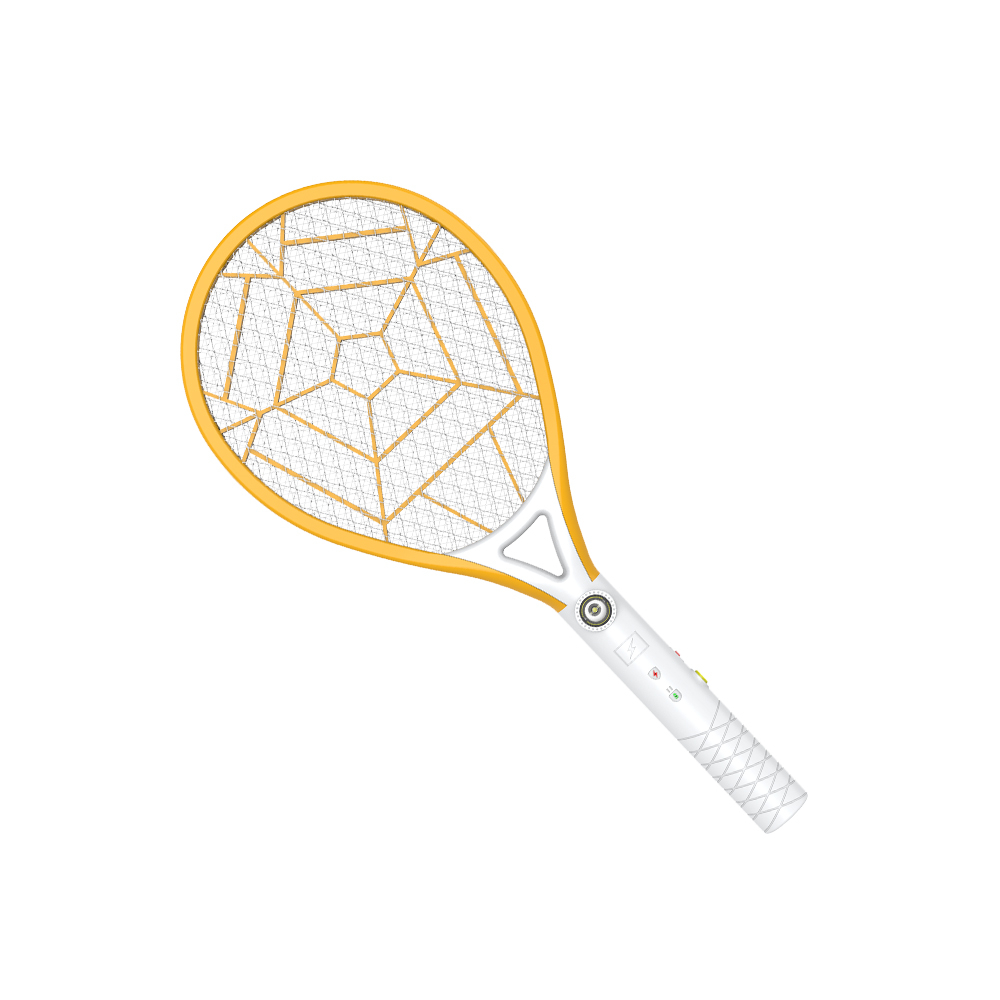
The plastic parts of electric mosquito swatters mainly include the frame and handle shell, with common materials such as ABS plastic, PP plastic (polypropylene), and PVC plastic (polyvinyl chloride). The "relationship" between different materials and formaldehyde varies:
- PP Plastic (Polypropylene): Its molecular structure does not contain formaldehyde, and it has strong stability. At normal operating temperatures (the surface temperature of an electric mosquito swatter usually does not exceed 50°C during use), it barely emits formaldehyde, making it a relatively safe material.
- ABS Plastic: Composed of acrylonitrile, butadiene, and styrene copolymers, it also does not contain formaldehyde itself. However, some low-quality ABS plastics may use additives containing formaldehyde (such as adhesives and stabilizers) during production. If the manufacturing process is substandard, these additives may slowly release formaldehyde during subsequent use.
- PVC Plastic (Polyvinyl Chloride): PVC plastic does not contain formaldehyde itself, but plasticizers or preservatives containing formaldehyde may be added during processing. However, due to its poor temperature resistance (it is prone to deformation at high temperatures), PVC plastic is rarely used in products like electric mosquito swatters that generate slight heat. Only some low-priced products may adopt it.
In short: The plastic parts of high-quality electric mosquito swatters (especially those made of PP material) have an extremely low risk of formaldehyde emission. However, low-quality electric mosquito swatters that use plastics with formaldehyde-containing additives or have substandard production processes do pose a risk of formaldehyde emission.
II. What Situations Increase Formaldehyde Emission from the Plastic of Electric Mosquito Swatters?
Even if the plastic parts of an electric mosquito swatter contain trace amounts of formaldehyde, it does not mean they will "exceed emission standards" in all cases. The following 3 situations may increase the amount of formaldehyde emitted and require special attention:
1. Long-Term Placement in High-Temperature Environments
The volatilization rate of formaldehyde accelerates with increasing temperature. If the electric mosquito swatter is placed in direct sunlight for a long time (such as on a balcony or windowsill) or near high-temperature areas like heating vents or air conditioning outlets, the formaldehyde in the plastic may be released more quickly, increasing the formaldehyde concentration in the surrounding air.
2. Newly Purchased "Unventilated" Electric Mosquito Swatters
For newly produced electric mosquito swatters, the formaldehyde (if any) in the plastic parts is still in an "active state" and has not fully volatilized. If a new electric mosquito swatter is used immediately after unpacking and placed in a closed space (such as a bedroom), a strong "plastic smell" may be noticeable, which may include formaldehyde and other volatile substances.
3. Aging or Damaged Plastic Parts
As the service life increases, the plastic parts of electric mosquito swatters may experience aging, cracking, deformation, and other issues. At this time, the additives inside the plastic (including formaldehyde, if present) are more likely to be exposed to the air, and the emission volume may also increase accordingly. In particular, electric mosquito swatters that have been used for more than 3-5 years and have significantly brittle plastic surfaces pose a higher risk.
III. How to Determine if the Plastic of an Electric Mosquito Swatter is Emitting Formaldehyde? 2 Practical Methods for You
It is difficult for ordinary people to determine whether an electric mosquito swatter emits formaldehyde through "visual inspection," but the following 2 simple methods can be used for preliminary screening to reduce health risks:
1. Smell: Avoid Electric Mosquito Swatters with Pungent Odors
After unpacking a new electric mosquito swatter, place it in a well-ventilated area for 1-2 days before smelling it closely. If there is only a slight "natural plastic smell" (non-irritating), it is usually not a problem. However, if a strong pungent smell, sour smell, or an odor similar to "glue" is detected, it is likely that formaldehyde or other harmful volatile substances are being released. Such electric mosquito swatters are recommended to be returned or exchanged immediately and should not be used.
2. Tool Detection: Targeted Screening for Formaldehyde Concentration
If you have concerns about the safety of the electric mosquito swatter at home, you can use a household formaldehyde detector (choose a regular product certified by national metrology) for testing. During the test, place the electric mosquito swatter in a small closed space (such as a bathroom, with doors and windows closed for 1 hour), then place the detector within 30 cm of the electric mosquito swatter and read the formaldehyde concentration value. According to the national standard Indoor Air Quality Standard (GB/T 18883-2002), the indoor formaldehyde concentration should be ≤ 0.1 mg/m³. If the test value exceeds this standard, it indicates that the electric mosquito swatter may be emitting formaldehyde, and its use should be stopped and properly handled.
IV. How to Reduce the Impact of Formaldehyde Emission from the Plastic of Electric Mosquito Swatters? 4 Prevention Measures to Take
Regardless of whether there is a risk of formaldehyde emission from the electric mosquito swatter, taking the following 4 prevention measures can further protect the health of your family:
- Prioritize High-Quality Electric Mosquito Swatters and Reject "Three-No Products": When purchasing, choose products from well-known brands with production qualifications. Check the material description on the packaging (prefer PP or ABS materials) and avoid buying low-priced "three-no products" (no brand logo, no quality inspection report, no production address). Such products often use low-quality plastics to cut costs, resulting in a higher risk of formaldehyde emission.
- Let New Electric Mosquito Swatters "Ventilate" Before Use: Do not use a new electric mosquito swatter immediately after unpacking. First, place it in a well-ventilated area such as a balcony or windowsill for 3-5 days to allow volatile substances (including formaldehyde, if any) in the plastic to fully dissipate before using it indoors.
- Avoid High-Temperature Exposure and Regularly Check the Condition of Plastic Parts: When storing the electric mosquito swatter daily, keep it away from direct sunlight and high-temperature areas, and place it in a cool and dry place. Before each use, check whether the plastic parts are cracked, aged, or deformed. If such problems occur, replace the electric mosquito swatter in a timely manner and do not continue to use the old one.
- Keep Ventilation During Use and Reduce Closed Contact: When using the electric mosquito swatter to repel mosquitoes, try to keep the room ventilated (such as opening windows) and avoid using it in a completely closed small space for a long time to reduce the concentration of formaldehyde that may exist in the air.
Conclusion: No Need for Excessive Panic About Formaldehyde Risk from Electric Mosquito Swatter Plastic, but Scientific Prevention is Necessary
Returning to the original question—"Do the plastic parts of electric mosquito swatters emit formaldehyde?" The answer is: The plastic of high-quality electric mosquito swatters barely emits formaldehyde, while low-quality ones pose a certain risk. However, this risk can be effectively avoided through measures such as "choosing the right product, ventilating it properly, and storing it correctly."
In fact, the main safety hazard of electric mosquito swatters lies more in "electric shock" (such as damaged swatter nets or aging circuits) rather than formaldehyde from plastic. As long as we choose regular products and use and store them correctly, electric mosquito swatters remain safe and effective mosquito-repelling tools, and there is no need to abandon them blindly due to "worries about formaldehyde."
Can Electric Mosquito Swatters Kill Flies
Can an Electric Mosquito Swatter Still Work After Getting Wet
Related Article

If you’re struggling with annoying mosquitoes, flies, and other flying pests indoors and outdoors, upgrading from traditional manual tools to anElectric Mosquito Swatter is the most efficient solution. Many homeowners and renters search where to buy fly swatter online to find durable, safe, and high-performance electric models that deliver instant pest control.
Where to Buy Fly Swatter
Most importers of electric mosquito swatters obsess over the first order: samples requested, factories vetted, a pre-shipment inspection booked. Then the reorder arrives eight months later and something is off. The grid feels softer. The charge port is a slightly different shade of black. The carton thickness dropped from 350 gsm to 300 gsm. Nothing is catastrophic — but the product no longer matches what your retail customers approved, and quietly, your return rate starts climbing.
How to Keep Mosquito Swatter Quality Consistent Across Repeat Orders
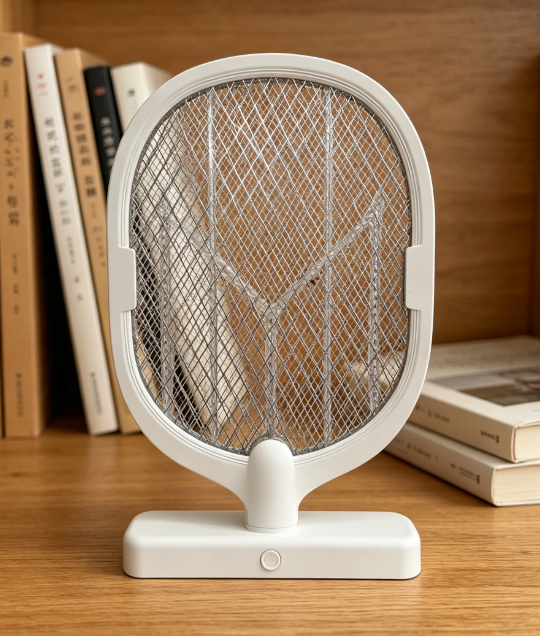
Warranty returns are the silent margin killer in the mosquito control category. A distributor who buys a swatter at $1.80 FOB and retails it at $9.90 can absorb a 1% return rate without noticing — but at 5%, the combined cost of replacement units, reverse logistics, and refund processing erases most of the line's profit.
Common mosquito swatter killer lamp failure modes wholesale spec guide

Digital bathroom scales rank as the second-highest-volume consumer weighing product category, only behind kitchen scales, with distinct market and product characteristics that set them apart from other scale types in importers’ product portfolios.
Digital bathroom body fat-bia-scale wholesale buyers guide