
Do UV Lights Kill Bed Bugs
2025-06-21
Do UV Lights Kill Bed Bugs
Bed bugs are a persistent nuisance that can disrupt your sleep and peace of mind. In the quest to eliminate these unwelcome pests, many people turn to various methods, and one question that frequently pops up is: do UV lights kill bed bugs? Let’s dive into this topic to uncover the truth.
Understanding UV Lights
What Are UV Lights?
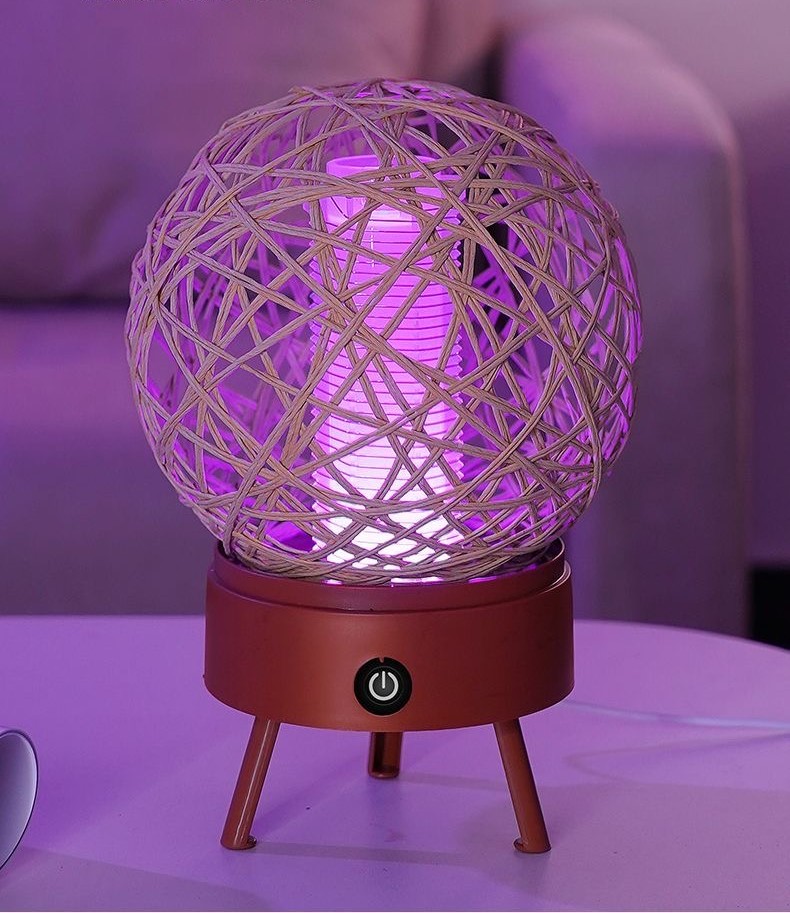
UV lights, or ultraviolet lights, are a form of electromagnetic radiation. They have wavelengths shorter than vi
sibl light but longer than X - rays. There are three main types: UVA, UVB, and UVC. UVA is often associated with skin aging and is used in tanning beds. UVB causes sunburn and is involved in vitamin D production in humans. UVC, with the shortest wavelength and highest energy, is renowned for its germ - killing capabilities and is commonly used in sterilization processes, like purifying water and disinfecting hospital equipment.
How Do UV Lights Work to Kill Organisms?
UV lights, especially UVC, work by damaging the DNA and RNA of organisms. When exposed to UVC light, the high - energy radiation breaks the molecular bonds in the genetic material of bacteria, viruses, and other small organisms. This disruption prevents them from reproducing and eventually leads to their death. It's a powerful mechanism that makes UV lights a popular choice for sanitization in many industries.
Bed Bugs: An Overview
Physical Traits of Bed Bugs
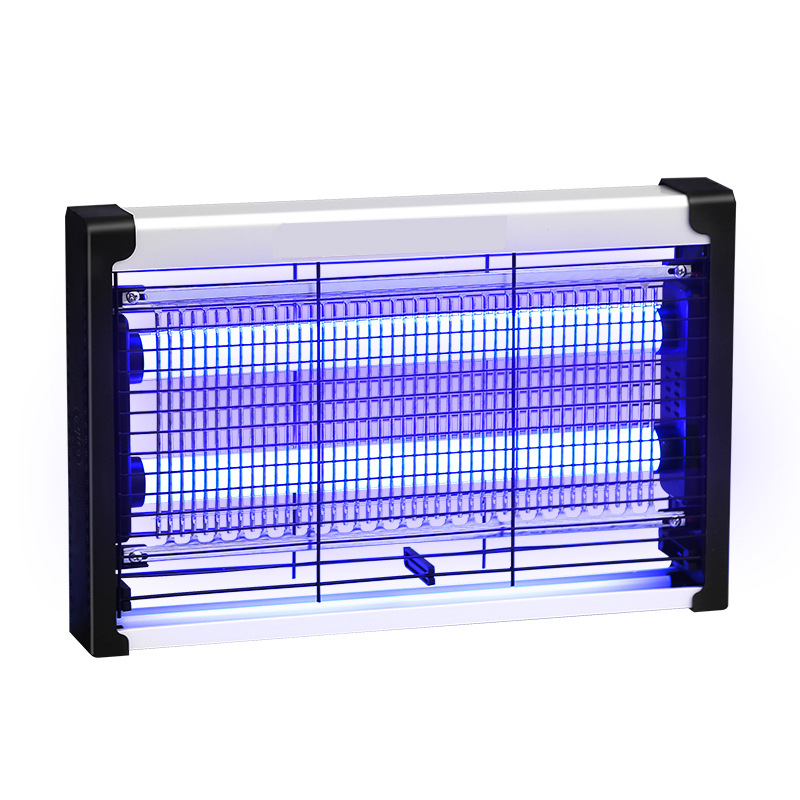
Bed bugs are small, wingless insects about the size of a poppy seed. They have flat, oval - shaped bodies that allow them to squeeze into tiny cracks and crevices, such as those in mattresses, headboards, and furniture joints. Their flattened shape enables them to hide easily during the day and emerge at night to feed on human blood.
Life Cycle of Bed Bugs
Bed bugs go through three main life stages: eggs, nymphs, and adults. Bed bug eggs are minuscule, white, and have a sticky coating that helps them adhere to surfaces. Nymphs look like smaller versions of adults and need to molt five times before reaching maturity. Each molt requires a blood meal. Understanding these life stages is crucial when evaluating the effectiveness of UV lights against bed bugs.
Can UV Lights Really Kill Bed Bugs?
Effect on Bed Bug Eggs
Bed bug eggs have a tough outer shell that offers some protection. Research indicates that UV lights may not be very effective against bed bug eggs. The shell can shield the genetic material inside from the harmful effects of UV radiation. As a result, a large number of eggs are likely to survive exposure to UV light, making it difficult to completely eradicate a bed bug infestation using only UV light treatment for eggs.
Impact on Nymphs and Adults
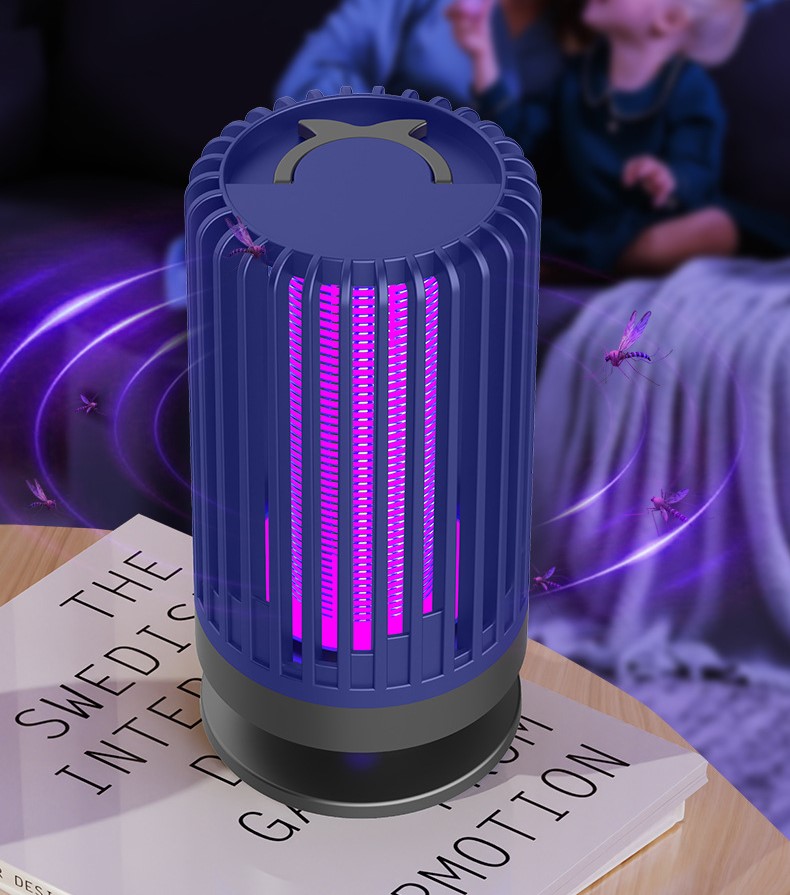
Nymphs and adult bed bugs are more susceptible to UV light compared to eggs. However, the effectiveness of UV light in killing them depends on several factors. The intensity of the UV light, the duration of exposure, and the distance between the bed bugs and the UV light source all play a role. Higher - intensity UV light and longer exposure times increase the chances of killing nymphs and adults. But in real - world situations, bed bugs often hide in dark, hard - to - reach places, which can limit the exposure to UV light and reduce its effectiveness.
Real - World Challenges of Using UV Lights
Using UV lights to kill bed bugs comes with practical challenges. Bed bugs are masters of concealment, often hiding in places that are difficult for UV light to reach, such as deep within mattresses, behind baseboards, or inside electrical outlets. Additionally, UV lights can be harmful to humans and pets. Prolonged exposure can cause skin burns and eye damage. Special precautions, like wearing protective gear and ensuring the area is unoccupied during treatment, are necessary, which can make the process cumbersome and time - consuming.
Alternative Methods for Bed Bug Control
Chemical Treatments
Insecticides formulated specifically for bed bugs are a common and effective option. These chemicals can penetrate the hiding spots of bed bugs and kill them at all life stages. However, some bed bugs have developed resistance to certain insecticides, so it’s important to choose the right product and follow the application instructions carefully to ensure maximum effectiveness.
Heat Treatments
Heat treatment is another popular approach. Bed bugs cannot survive high temperatures. Professional heat treatment involves raising the temperature of the infested area to around 120 - 130°F (49 - 54°C), which is lethal to bed bugs and their eggs. This method is effective as it can reach all the nooks and crannies where bed bugs are hiding, providing a comprehensive solution to the infestation.
Physical Removal
Physical removal methods, such as vacuuming, can also be helpful. Using a powerful vacuum cleaner to clean mattresses, furniture, and floors can physically remove bed bugs, eggs, and nymphs. After vacuuming, the vacuum bag should be sealed and disposed of immediately to prevent the bugs from escaping and reinfesting the area.
Conclusion
In conclusion, while UV lights have the potential to kill bed bug nymphs and adults under certain ideal conditions, they have significant limitations. Their effectiveness against bed bug eggs is poor, and real - world challenges, such as the bugs’ hiding habits and the risks to humans and pets, make them less practical as a standalone solution. When dealing with a bed bug infestation, it’s best to consider a combination of methods, including chemical treatments, heat treatments, and physical removal. If you’re unsure about how to handle a bed bug problem, consulting a professional pest control service is a wise choice.
What to Do After Spreading Insect Killer Granules
Will a Bug Zapper Kill Wasps
Related Article

If you’re struggling with annoying mosquitoes, flies, and other flying pests indoors and outdoors, upgrading from traditional manual tools to anElectric Mosquito Swatter is the most efficient solution. Many homeowners and renters search where to buy fly swatter online to find durable, safe, and high-performance electric models that deliver instant pest control.
Where to Buy Fly Swatter

Most importers of electric mosquito swatters obsess over the first order: samples requested, factories vetted, a pre-shipment inspection booked. Then the reorder arrives eight months later and something is off. The grid feels softer. The charge port is a slightly different shade of black. The carton thickness dropped from 350 gsm to 300 gsm. Nothing is catastrophic — but the product no longer matches what your retail customers approved, and quietly, your return rate starts climbing.
How to Keep Mosquito Swatter Quality Consistent Across Repeat Orders

Warranty returns are the silent margin killer in the mosquito control category. A distributor who buys a swatter at $1.80 FOB and retails it at $9.90 can absorb a 1% return rate without noticing — but at 5%, the combined cost of replacement units, reverse logistics, and refund processing erases most of the line's profit.
Common mosquito swatter killer lamp failure modes wholesale spec guide

Digital bathroom scales rank as the second-highest-volume consumer weighing product category, only behind kitchen scales, with distinct market and product characteristics that set them apart from other scale types in importers’ product portfolios.
Digital bathroom body fat-bia-scale wholesale buyers guide