
Do UV Lights Work to Kill Bed Bugs
2025-08-04
Do UV Lights Work to Kill Bed Bugs? Unveiling the Truth
Bed bugs, those tiny blood-sucking pests, are a nightmare for homeowners. They can hide in cracks and crevices, reproduce rapidly, and can survive for months without feeding, making it a major project to completely eliminate them. When searching for effective pest control methods online, some people may wonder: can UV lights kill bed bugs?
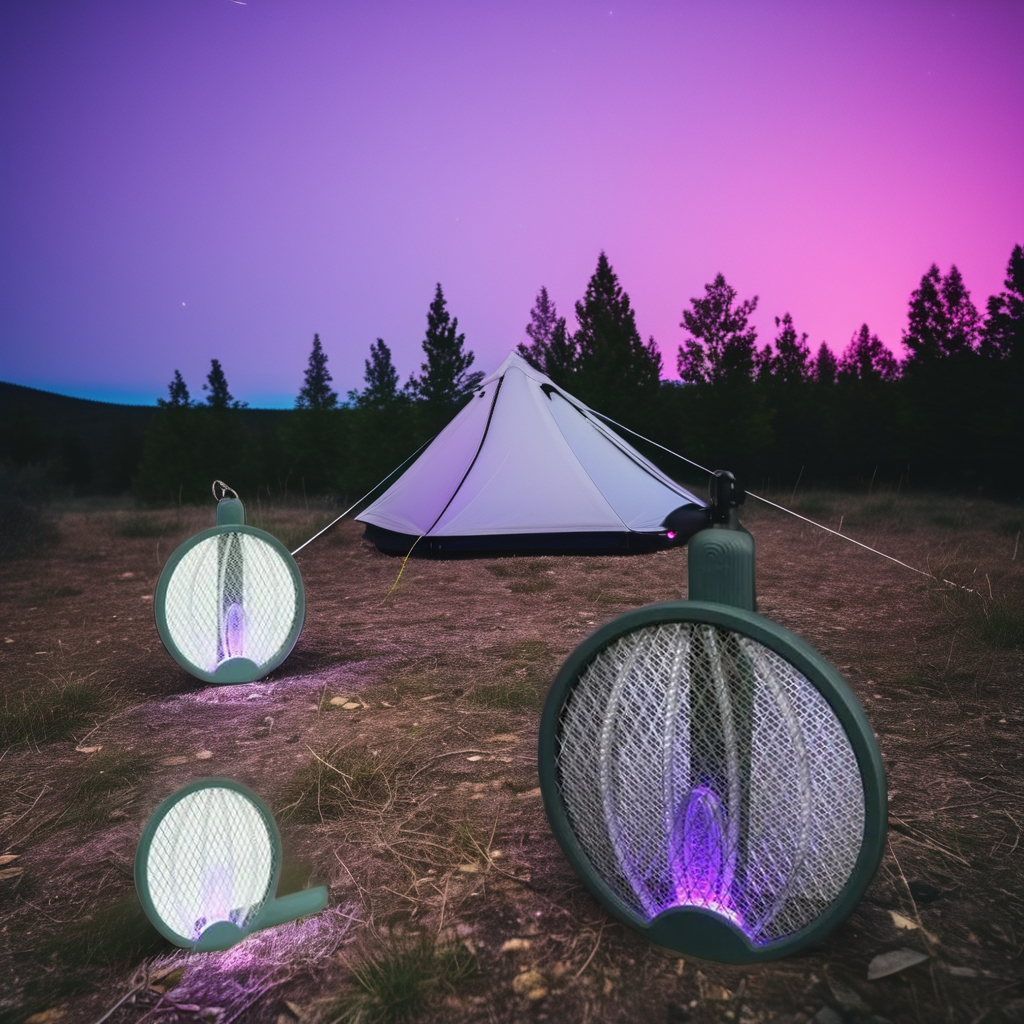
I. Understanding UV Lights
Ultraviolet (UV) light is a form of electromagnetic radiation with a shorter wavelength than visible light. It is commonly used in disinfection, such as in water purification and surface disinfection, because it can damage the DNA of some microorganisms. However, bed bugs are not microorganisms but small insects, so the effect of UV light on them may be different.
II. The Effect of UV Lights on Bed Bugs
(1) Research and Expert Opinions
Researchers and pest control experts have explored the impact of UV lights on bed bugs. The results are somewhat mixed, but overall, UV lights are not an effective method for killing bed bugs.
(2) Reasons for Poor Effectiveness
Hiding Characteristics of Bed Bugs: Bed bugs are adept at hiding in dark, secluded places such as mattress seams, box springs, furniture cracks, and behind baseboards. UV light has a limited range and can only affect the areas it directly illuminates. And because bed bugs avoid light, they are unlikely to be exposed to UV light for a long enough time to be killed.
Requirements for Irradiation Intensity and Duration: Even if bed bugs are exposed to UV light, it takes sufficient time and intensity to have a lethal effect. Most UV lights used in household settings, such as those for reptile tanks or black lights, do not have enough intensity to kill bed bugs. Some high-intensity UV lights used in industrial environments may cause harm to bed bugs, but they also pose risks to humans and pets, including skin damage and eye irritation.
External Protection of Bed Bugs: Bed bugs have a hard exoskeleton that provides them with some protection. Although UV light can damage cells, the exoskeleton acts as a barrier, reducing the effectiveness of UV light in killing bed bugs. In addition, UV light cannot penetrate the hiding places of bed bugs, so even if you shine a UV light in a room, bed bugs hiding in secluded spots are unlikely to be affected.
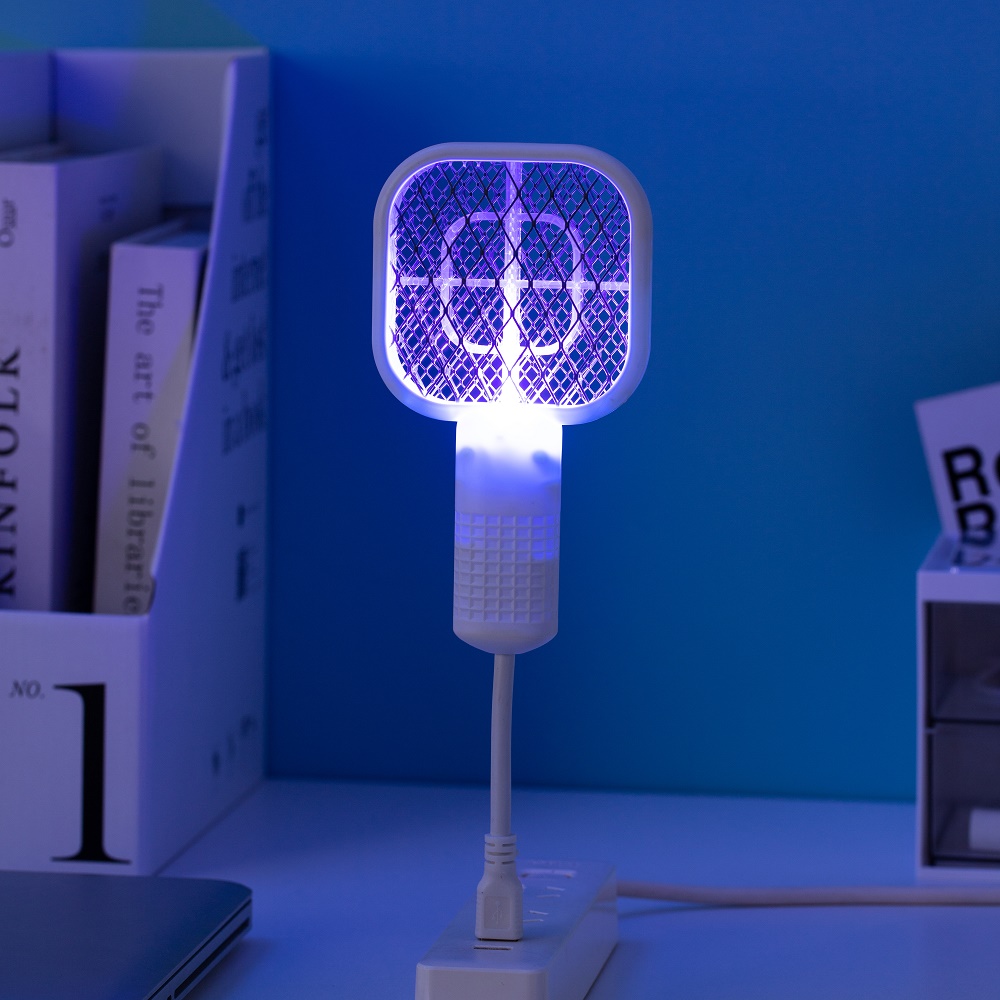
III. Effective Methods to Eliminate Bed Bugs
Since UV lights are ineffective against bed bugs, what methods are effective? Eliminating bed bugs usually requires a combination of multiple methods.
(1) Thorough Cleaning
Thorough cleaning is crucial: vacuum all areas where bed bugs may hide, including mattresses, box springs, furniture, and carpets. Wash bedding, clothing, and other fabrics in hot water (at least 120°F/49°C) and dry them on high heat; this can kill bed bugs and their eggs.
(2) Using Specialized Insecticides
Using insecticides specifically labeled for bed bug control can also be effective, but be sure to follow the instructions carefully and spray them in all cracks and crevices where bed bugs may hide.
(3) Seeking Professional Help
In severe infestations, it may be necessary to contact a professional pest control company. They have more powerful treatment methods and professional knowledge to ensure the complete elimination of bed bugs.
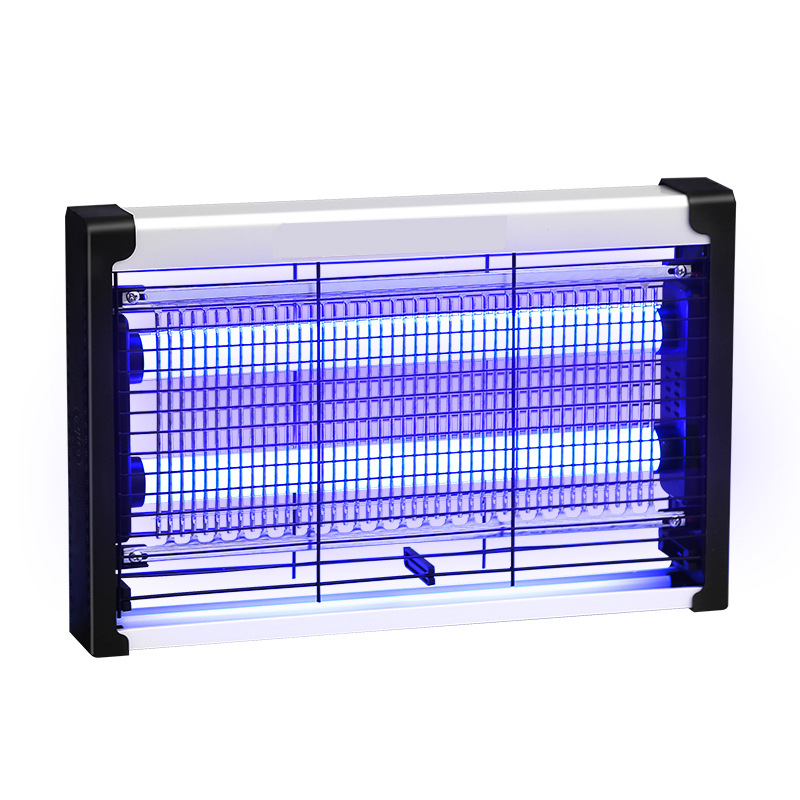
IV. Conclusion
In short, although UV lights have their uses in disinfection, they are not a reliable or effective method for killing bed bugs. The hiding ability of bed bugs and their resistance to UV light make other methods, such as thorough cleaning, heat treatment, and professional pest control, more effective.
Does a Bug Zapper Only Attract Light-Sensitive Insects
Will Bleach Kill Mosquito Larvae
Related Article

If you’re struggling with annoying mosquitoes, flies, and other flying pests indoors and outdoors, upgrading from traditional manual tools to anElectric Mosquito Swatter is the most efficient solution. Many homeowners and renters search where to buy fly swatter online to find durable, safe, and high-performance electric models that deliver instant pest control.
Where to Buy Fly Swatter
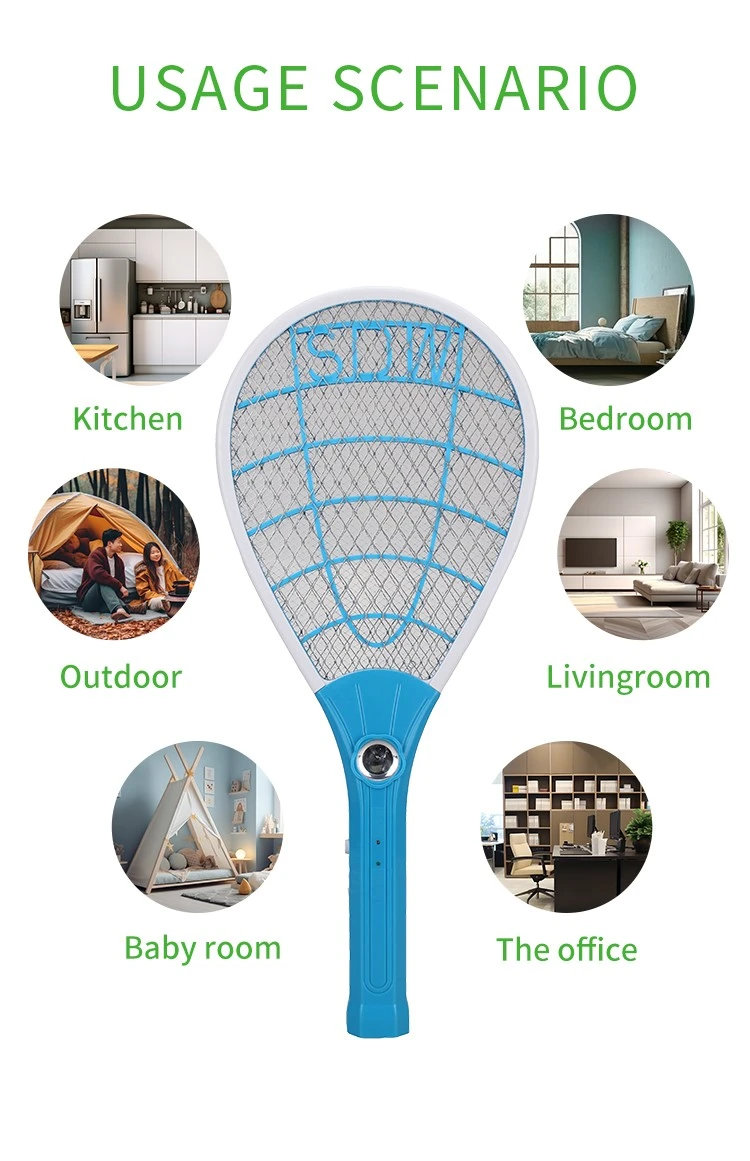
Most importers of electric mosquito swatters obsess over the first order: samples requested, factories vetted, a pre-shipment inspection booked. Then the reorder arrives eight months later and something is off. The grid feels softer. The charge port is a slightly different shade of black. The carton thickness dropped from 350 gsm to 300 gsm. Nothing is catastrophic — but the product no longer matches what your retail customers approved, and quietly, your return rate starts climbing.
How to Keep Mosquito Swatter Quality Consistent Across Repeat Orders
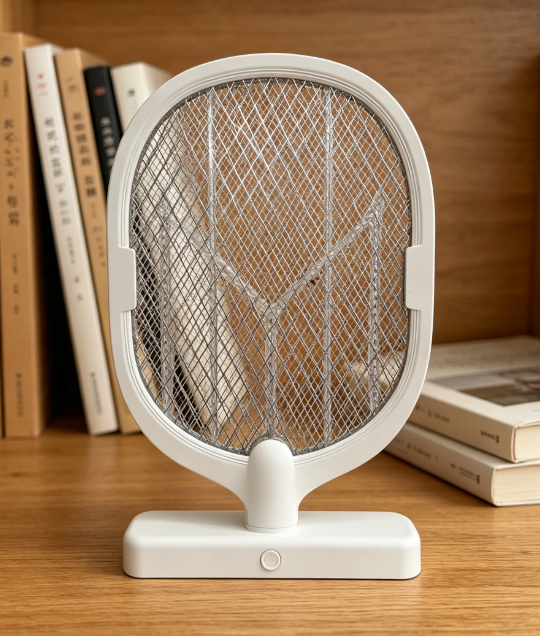
Warranty returns are the silent margin killer in the mosquito control category. A distributor who buys a swatter at $1.80 FOB and retails it at $9.90 can absorb a 1% return rate without noticing — but at 5%, the combined cost of replacement units, reverse logistics, and refund processing erases most of the line's profit.
Common mosquito swatter killer lamp failure modes wholesale spec guide

Digital bathroom scales rank as the second-highest-volume consumer weighing product category, only behind kitchen scales, with distinct market and product characteristics that set them apart from other scale types in importers’ product portfolios.
Digital bathroom body fat-bia-scale wholesale buyers guide