
Do UV Mosquito Lights Work on Flies
2026-06-11
Do UV Mosquito Lights Work on Flies? Science-Backed Truth
UV mosquito lights, also known as bug zappers or UV insect traps, are a staple household tool for fighting flying pests. Most people buy them to get rid of annoying mosquitoes, but a common question arises: do these UV lights also work on flies?
If you’re tired of house flies, fruit flies, and gnats buzzing around your home, kitchen, or patio, this guide will break down exactly how UV lights perform against flies, why results vary, and how to maximize their pest-killing efficiency. Spoiler alert: they work, but not equally well on all fly species, and they have clear limitations.
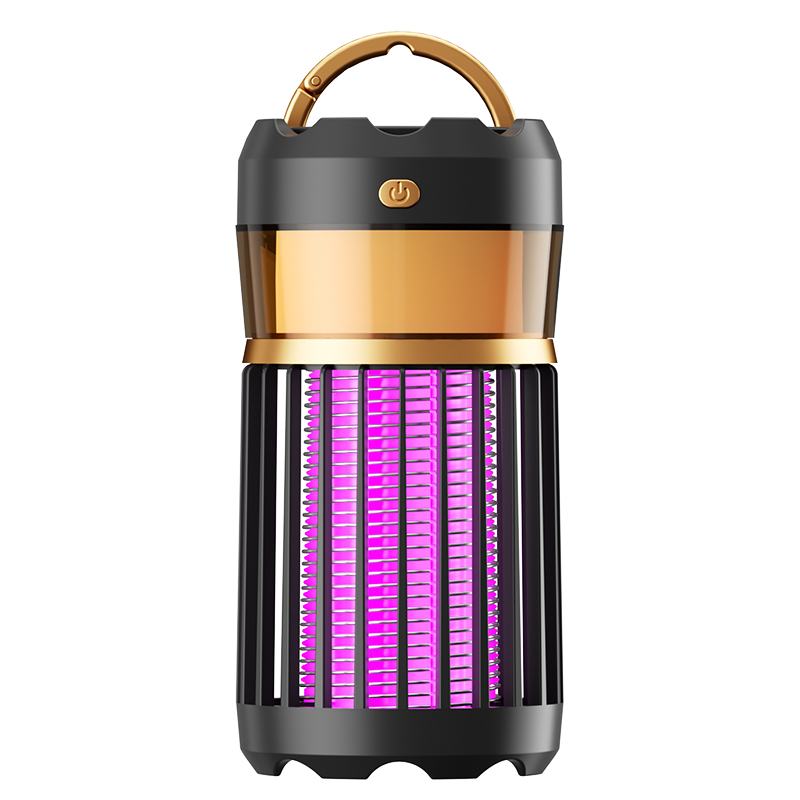
How Do UV Mosquito Lights Work in General?
To understand their effect on flies, you first need to know how UV insect traps function. Most household mosquito lights emit UVA light (365–400nm), a wavelength invisible to the human eye but highly visible to most flying insects.
Insects rely on UV and blue light for navigation, mating, and foraging—a biological trait called positive phototaxis (light attraction). When pests fly toward the bright UV source, they are eliminated by an electric grid or trapped by sticky glue boards inside the device.
Traditional mosquito lights are optimized for mosquitoes, which are strongly attracted to UVA wavelengths, plus additional lures like CO₂ and heat in premium models. But flies have different visual preferences and behaviors, which changes everything.
Do UV Lights Work on Flies? The Real Answer
Yes, UV mosquito lights can kill flies, but their effectiveness depends entirely on the fly type and environmental conditions. They work exceptionally well on small fly-like pests but struggle with common house flies in many scenarios.
1. Flies UV Lights Work Best On
Small flying pests that belong to the fly family are highly susceptible to UV traps. These insects prioritize light cues over food odors, making UV lights extremely effective:
-
Fruit flies: Drawn strongly to UVA light; easily trapped indoors near kitchens and fruit bowls
-
Fungus gnats: Common in potted plants; UV traps outperform many traditional traps for these tiny pests
-
Drain flies: Attracted to UV light, ideal for bathroom and kitchen use
-
Midges and sandflies: Highly responsive to UVA wavelengths
For these small pests, standard UV mosquito lights deliver consistent, noticeable results, reducing populations significantly within a few days.
2. Flies UV Lights Struggle With (House Flies)
Common house flies (Musca domestica) are the main disappointment for UV light users. While they can see UVA light, UV attraction is only a secondary trigger for them.
Scientific studies show house flies’ compound eyes are 37% more sensitive to 400–450nm blue-green light than standard UVA light. More importantly, their behavior is driven primarily by scent, not light. House flies chase organic odors, rotting food, garbage, and decaying matter far more aggressively than they chase UV light.
In real-world tests, standard UV mosquito traps only catch around 36% of nearby house flies, compared to nearly 90% of small gnats and fruit flies. This is why many homeowners complain that their bug zapper “kills everything but house flies.”
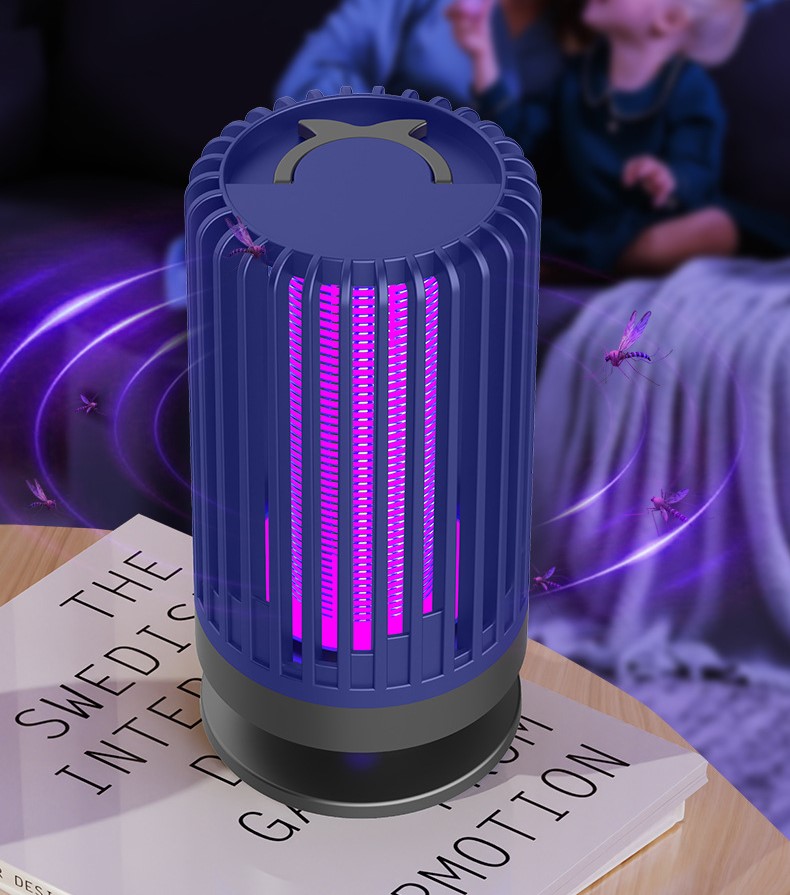
Why Mosquito Lights Perform Differently on Mosquitoes vs Flies
The performance gap boils down to core biological differences between mosquitoes and flies:
-
Sensory priorities: Mosquitoes rely on UV light, CO₂, and body heat to locate hosts. House flies rely almost entirely on food and waste odors.
-
Visual sensitivity: Mosquitoes peak at 365nm UVA light (the exact wavelength of most mosquito lights). Flies favor blue-green spectrums beyond standard UVA ranges.
-
Movement patterns: Mosquitoes hover and linger near light sources. House flies fly fast and erratically, rarely lingering long enough to be zapped.
Key Factors That Improve UV Light Performance on Flies
If you want your existing UV mosquito light to catch more flies, adjust these critical variables to boost results:
1. Proper Placement Is Critical
Never place the UV trap near strong food odors, garbage cans, or pet waste. These scents override UV light attraction for house flies. Position the light 1.5–2 meters above the ground, in dark corners away from competing indoor lights, to maximize UV visibility.
2. Choose the Right Light Wavelength
Standard 365nm UVA works for small flies, but upgrading to a dual UVA + blue-green light (400–450nm) trap will drastically improve house fly capture rates. Newer multi-spectrum mosquito lights are designed to target both mosquitoes and flies.
3. Run the Trap Consistently
Flies are active day and night, unlike mosquitoes that peak at dusk and dawn. Keep the UV light running 24/7 indoors to trap flies throughout the day. Turning it on only at night will miss most fly activity.
Limitations of UV Lights for Fly Control
UV mosquito lights are a supplementary solution, not a standalone fix for fly infestations. Here are their key limits:
-
They cannot eliminate large house fly infestations caused by poor sanitation or open garbage sources
-
Traditional single-wavelength UVA lights are inefficient for adult house flies
-
They may trap beneficial phototactic insects like moths and lacewings
Best Fly Control Strategy: UV Light + Sanitation
For complete fly elimination, combine your UV mosquito light with basic sanitation practices—this is the only foolproof method:
-
Seal all food containers and clean up crumbs, spills, and organic waste immediately
-
Empty garbage bins daily and use sealed lids
-
Fix damp areas to eliminate drain fly and gnat breeding grounds
-
Use UV traps as a ongoing maintenance tool to catch remaining stray flies
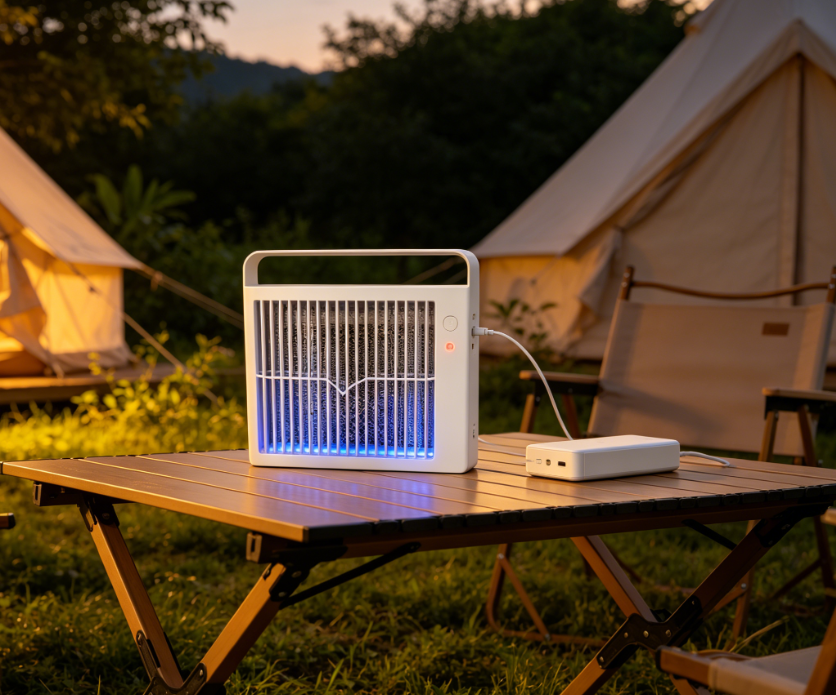
Final Verdict: Are UV Mosquito Lights Worth It for Flies?
Absolutely worth it for small flies; partially effective for house flies.
If your home struggles with fruit flies, gnats, or drain flies, a standard UV mosquito light is an excellent chemical-free solution with reliable results. If house flies are your main problem, upgrade to a multi-spectrum UV-blue light trap and pair it with strict sanitation for best results.
UV lights won’t solve every fly issue overnight, but they are a safe, quiet, and eco-friendly way to reduce flying pest populations year-round.
Complete Calibration Steps for First Use of an Electronic Scale
Traditional vs Smart Mosquito Swatter
Related Article

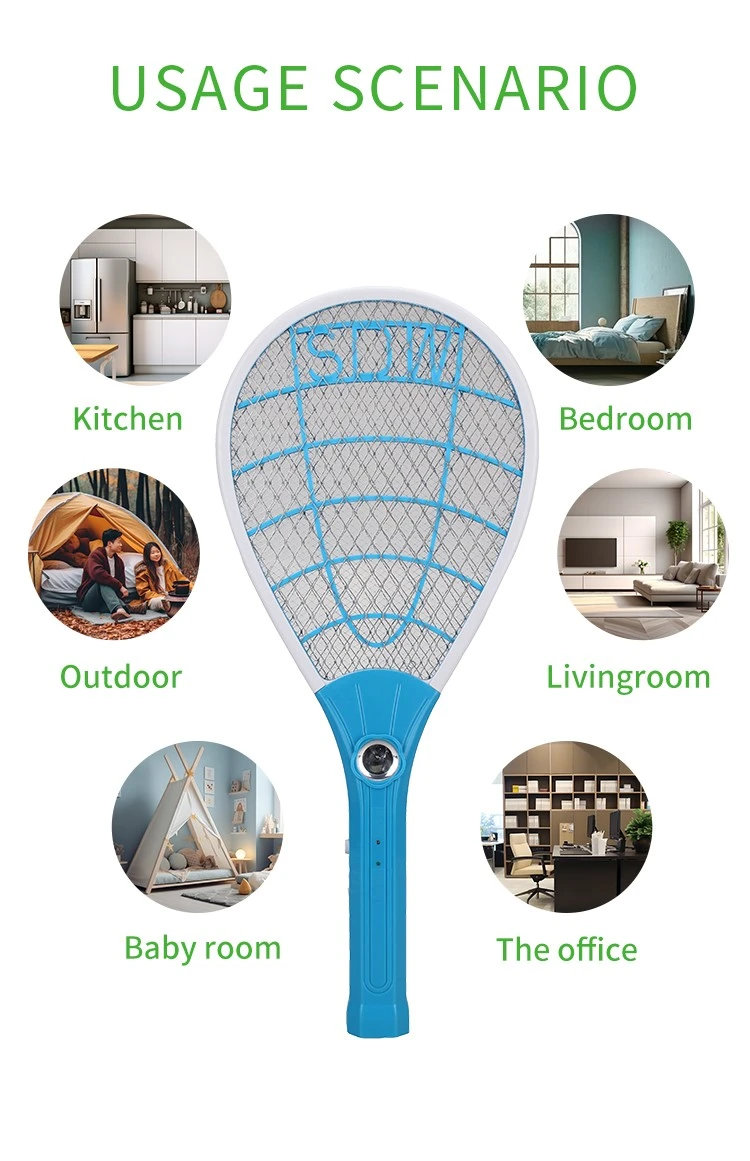
If you’re struggling with annoying mosquitoes, flies, and other flying pests indoors and outdoors, upgrading from traditional manual tools to anElectric Mosquito Swatter is the most efficient solution. Many homeowners and renters search where to buy fly swatter online to find durable, safe, and high-performance electric models that deliver instant pest control.
Where to Buy Fly Swatter
Most importers of electric mosquito swatters obsess over the first order: samples requested, factories vetted, a pre-shipment inspection booked. Then the reorder arrives eight months later and something is off. The grid feels softer. The charge port is a slightly different shade of black. The carton thickness dropped from 350 gsm to 300 gsm. Nothing is catastrophic — but the product no longer matches what your retail customers approved, and quietly, your return rate starts climbing.
How to Keep Mosquito Swatter Quality Consistent Across Repeat Orders
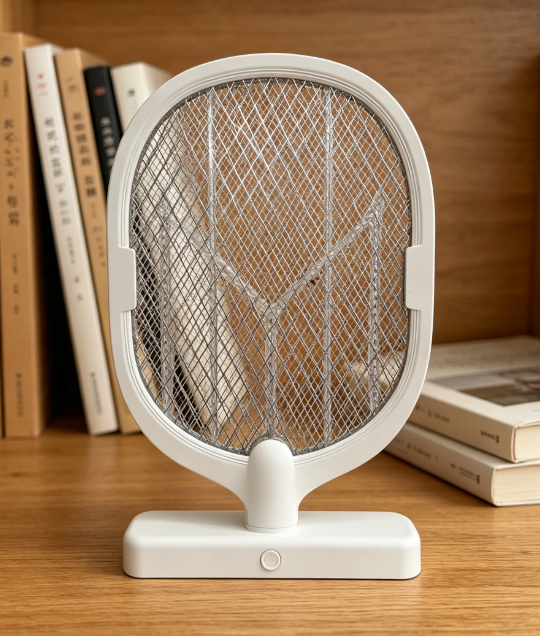
Warranty returns are the silent margin killer in the mosquito control category. A distributor who buys a swatter at $1.80 FOB and retails it at $9.90 can absorb a 1% return rate without noticing — but at 5%, the combined cost of replacement units, reverse logistics, and refund processing erases most of the line's profit.
Common mosquito swatter killer lamp failure modes wholesale spec guide

Digital bathroom scales rank as the second-highest-volume consumer weighing product category, only behind kitchen scales, with distinct market and product characteristics that set them apart from other scale types in importers’ product portfolios.
Digital bathroom body fat-bia-scale wholesale buyers guide