
Do UV Rays from Mosquito Traps Harm Eyes
2025-09-21
Do UV Rays from Mosquito Traps Harm Eyes?
As the warm weather arrives, mosquitoes become a nuisance, leading many to turn to mosquito traps for relief. Among the various types of mosquito traps available, those that use ultraviolet (UV) rays to attract and kill mosquitoes are quite popular. However, a common concern that arises is whether the UV rays from these traps can harm our eyes. In this blog post, we will explore this question in detail and provide you with the information you need to make an informed decision.
Understanding Mosquito Traps with UV Rays
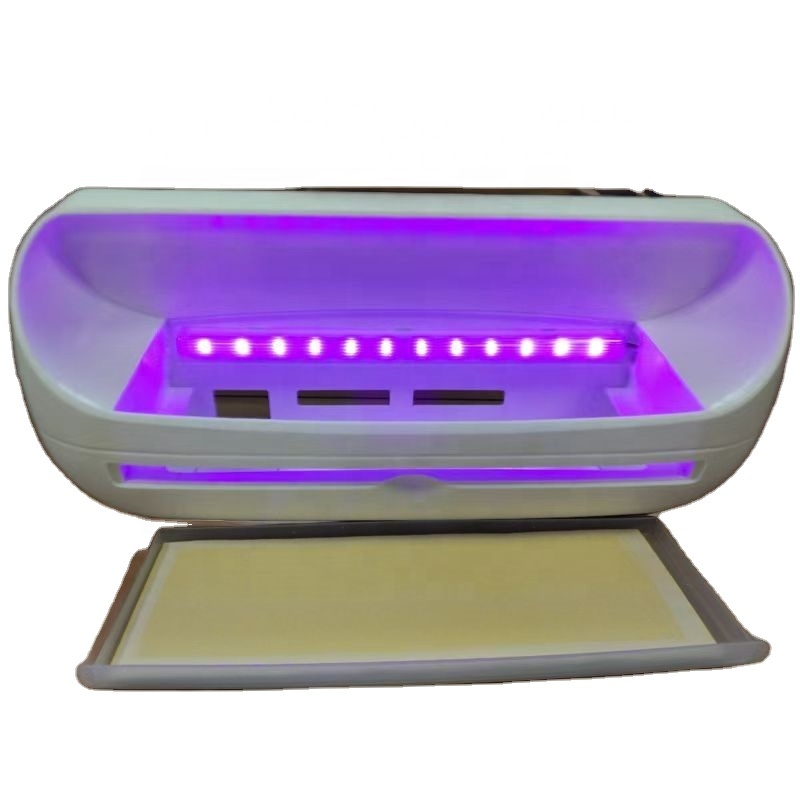
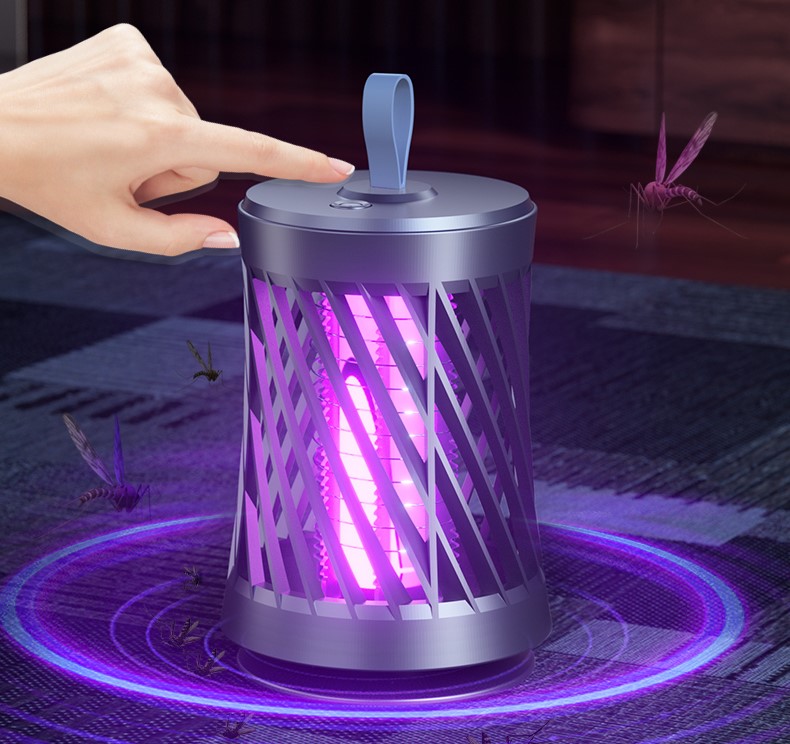
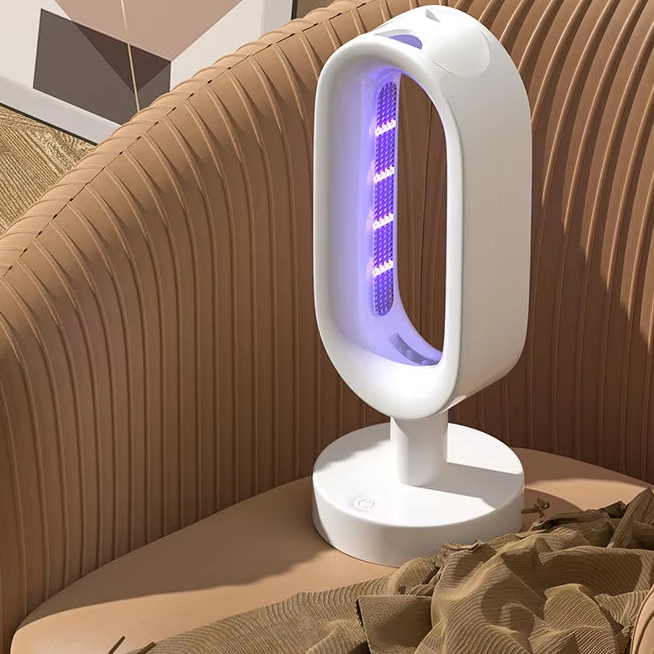
Mosquito traps that utilize UV rays operate on the principle that mosquitoes are naturally attracted to light, particularly UV light. These traps emit UV rays, which mimic the wavelengths that mosquitoes are drawn to, luring them towards the device. Once the mosquitoes are close enough, they are either electrocuted by a grid, sucked in by a fan, or trapped in a sticky substance. The UV rays used in these traps are typically in the UVA range, which has a wavelength of 315 to 400 nanometers.
The Potential Dangers of UV Rays to the Eyes
UV rays are a form of electromagnetic radiation that can have harmful effects on our eyes. Prolonged exposure to UV rays can cause several eye problems, including:
- Photokeratitis: Also known as "snow blindness" or "welder's flash," photokeratitis is a painful condition that occurs when the cornea, the clear front part of the eye, is damaged by UV rays. Symptoms include a gritty feeling in the eyes, redness, pain, sensitivity to light, and tearing. Photokeratitis is usually temporary, but it can be very uncomfortable and may require medical treatment.
- Cataracts: Cataracts are a clouding of the lens in the eye, which can lead to vision loss. Long-term exposure to UV rays has been linked to an increased risk of developing cataracts. The UV rays can damage the proteins in the lens, causing them to clump together and form cloudy areas.
- Age-related Macular Degeneration (AMD): AMD is a leading cause of vision loss in older adults. Some studies suggest that UV exposure may contribute to the development and progression of AMD. The UV rays can damage the cells in the macula, the part of the retina responsible for central vision.
- Pterygium: A pterygium is a growth of tissue on the white part of the eye that can eventually cover the cornea and affect vision. Prolonged exposure to UV rays, especially in combination with other environmental factors such as wind and dust, increases the risk of developing a pterygium.
The answer to this question depends on several factors, including the intensity of the UV rays emitted by the mosquito trap, the distance between the trap and the person, and the duration of exposure. In general, the UV rays emitted by mosquito traps are relatively low in intensity compared to the sun or other sources of UV radiation. However, if you are in close proximity to the trap for an extended period of time and directly looking at the UV light, there is a potential for harm.
Most mosquito traps are designed to be used in outdoor or well-ventilated areas, and the manufacturers typically recommend keeping a certain distance from the trap to minimize the risk of exposure. For example, some traps may suggest keeping a distance of at least 10 feet away. If you follow these guidelines and do not stare directly at the UV light, the risk of eye damage is likely to be minimal.
However, there are some situations where the risk may be higher. For instance, if you are using a mosquito trap in a small, enclosed space or if you are working or sitting very close to the trap for an extended period of time, you may be exposed to higher levels of UV rays. Additionally, children and individuals with certain eye conditions or sensitivities may be more vulnerable to the effects of UV rays.
Protecting Your Eyes from UV Rays
To minimize the potential risk of eye damage from UV rays, whether from mosquito traps or other sources, it is important to take appropriate precautions. Here are some tips to protect your eyes:
- Keep a Safe Distance: When using a mosquito trap, follow the manufacturer's instructions regarding the recommended distance to maintain from the device. Avoid standing or sitting too close to the trap, especially if it is emitting UV rays.
- Avoid Direct Eye Contact: Do not stare directly at the UV light emitted by the mosquito trap. If you need to be in the vicinity of the trap, try to keep your eyes averted from the light source.
- Wear Protective Eyewear: If you are concerned about UV exposure, consider wearing sunglasses or safety glasses that provide UV protection. Look for glasses that are labeled as blocking 99% or more of UVA and UVB rays.
- Limit Exposure Time: Try to limit the amount of time you spend in close proximity to the mosquito trap. If possible, turn off the trap when you are not in the area or when it is not needed.
- Use in Well-Ventilated Areas: Use mosquito traps in well-ventilated areas to reduce the concentration of UV rays in the air. This can help minimize the risk of exposure.
In conclusion, while the UV rays from mosquito traps have the potential to harm our eyes, the risk is generally low if the traps are used properly. By following the manufacturer's instructions, keeping a safe distance from the trap, avoiding direct eye contact with the UV light, and taking other protective measures, you can minimize the risk of eye damage. However, if you have any concerns about the safety of using a mosquito trap or if you experience any eye discomfort or symptoms after exposure to UV rays, it is always advisable to consult a healthcare professional or an eye doctor. Remember, protecting your eyes from UV rays is an important part of maintaining good eye health.
5 Creative Upcycling Ideas for Old Mosquito Swatters
How to Protect Your Pets from UV Traps
Related Article

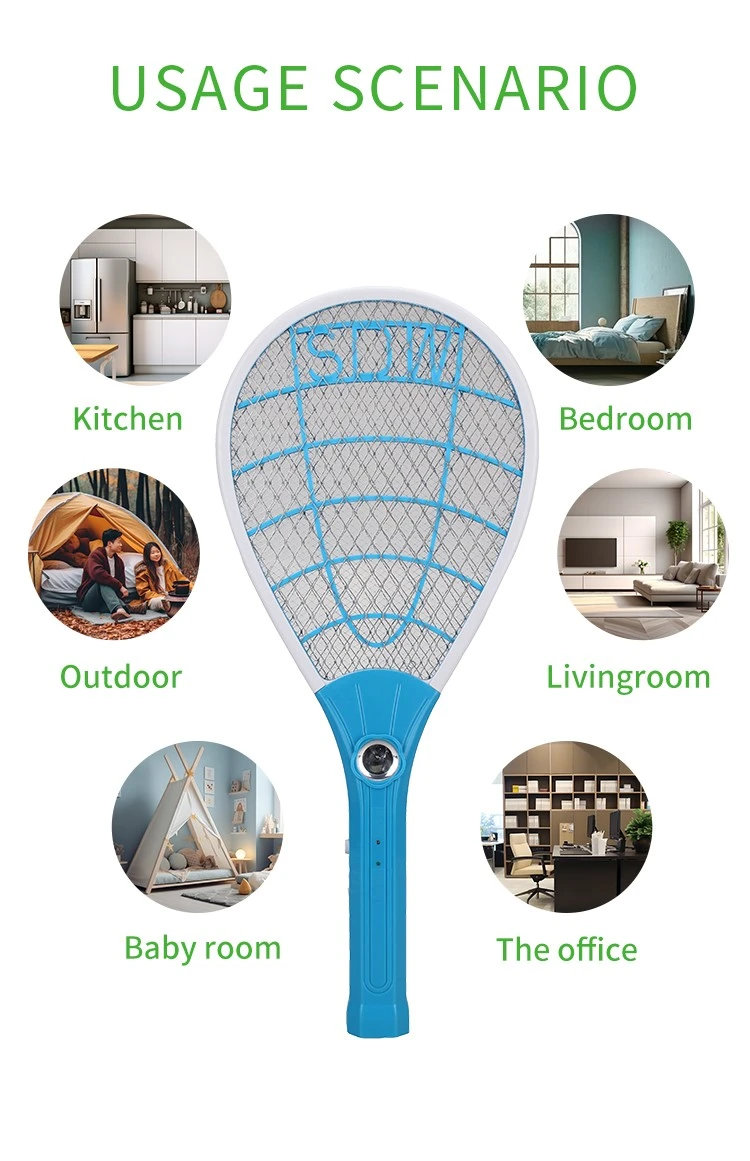
If you’re struggling with annoying mosquitoes, flies, and other flying pests indoors and outdoors, upgrading from traditional manual tools to anElectric Mosquito Swatter is the most efficient solution. Many homeowners and renters search where to buy fly swatter online to find durable, safe, and high-performance electric models that deliver instant pest control.
Where to Buy Fly Swatter
Most importers of electric mosquito swatters obsess over the first order: samples requested, factories vetted, a pre-shipment inspection booked. Then the reorder arrives eight months later and something is off. The grid feels softer. The charge port is a slightly different shade of black. The carton thickness dropped from 350 gsm to 300 gsm. Nothing is catastrophic — but the product no longer matches what your retail customers approved, and quietly, your return rate starts climbing.
How to Keep Mosquito Swatter Quality Consistent Across Repeat Orders
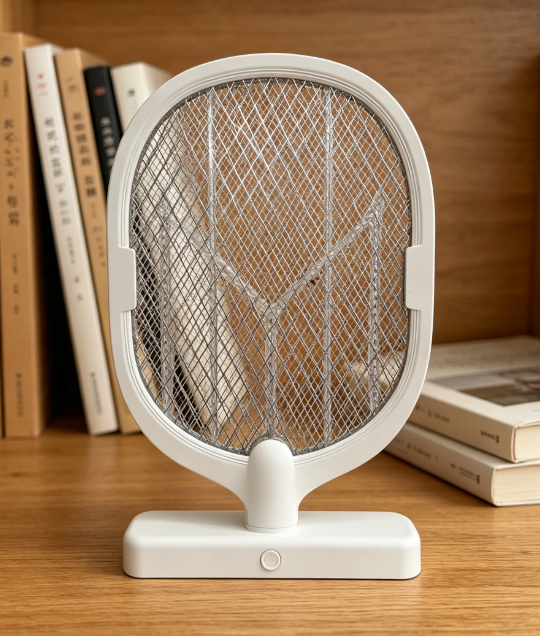
Warranty returns are the silent margin killer in the mosquito control category. A distributor who buys a swatter at $1.80 FOB and retails it at $9.90 can absorb a 1% return rate without noticing — but at 5%, the combined cost of replacement units, reverse logistics, and refund processing erases most of the line's profit.
Common mosquito swatter killer lamp failure modes wholesale spec guide

Digital bathroom scales rank as the second-highest-volume consumer weighing product category, only behind kitchen scales, with distinct market and product characteristics that set them apart from other scale types in importers’ product portfolios.
Digital bathroom body fat-bia-scale wholesale buyers guide