
Do you need a Tetanus Shot when you Scratched by Electric Mosquito Swatter Grid
2025-09-16
Scratched by Electric Mosquito Swatter Grid: Need a Tetanus Shot?
It’s quite common to accidentally get scratched or pricked by the metal grid of an electric mosquito swatter while using it to kill mosquitoes in summer. Staring at the wound on your hand, many people wonder: “Is such a small wound enough to require a tetanus shot?” In fact, the answer isn’t one-size-fits-all—it needs to be judged comprehensively based on the depth of the wound, the level of contamination, and your personal tetanus vaccination history. Let’s break down the key points starting from the unique characteristics of injuries caused by electric mosquito swatters.
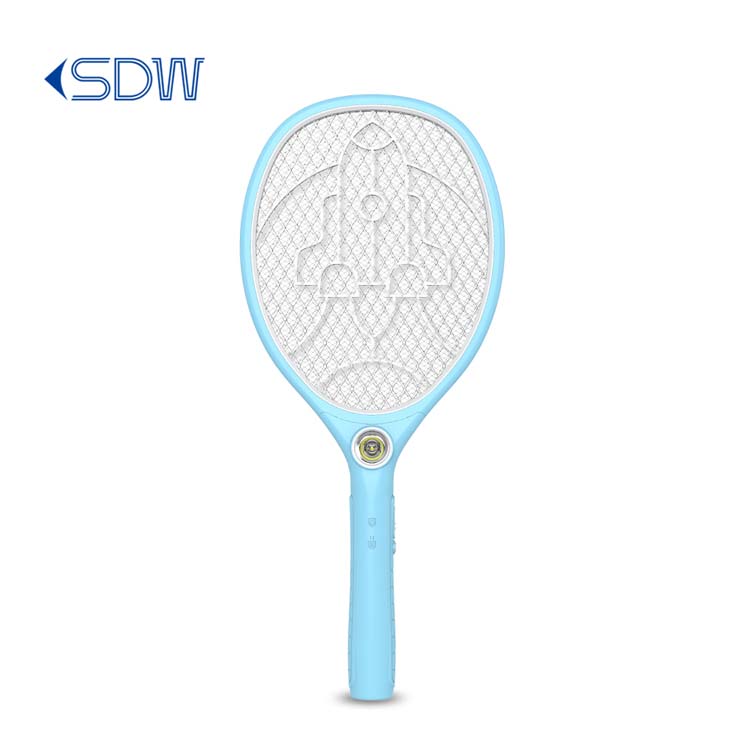
I. First, Understand the “Specificity” of Injuries from Electric Mosquito Swatter Grids
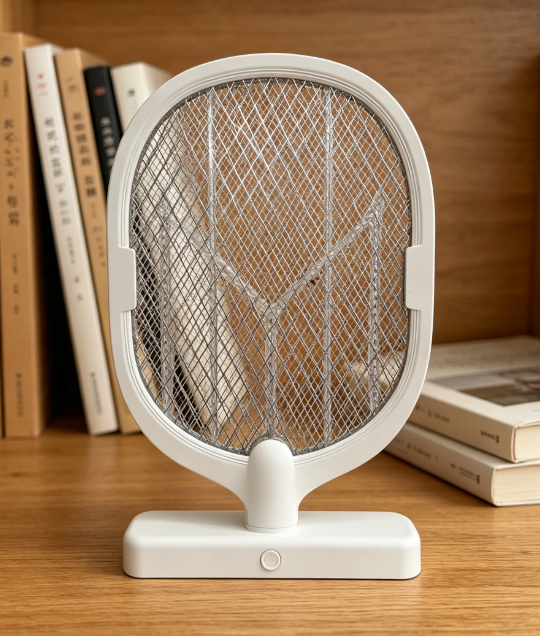
The metal grid of an electric mosquito swatter is usually made of iron wire or aluminum wire. The gaps between the grid pieces are small, and the edges may have tiny burrs. Once your hand comes into forceful contact with or accidentally touches the grid, two types of wounds are likely to occur:
- Superficial Scratches: These mostly involve only damage to the outer layer of the skin. The wound is shallow, with little to no bleeding, and may only be accompanied by a slight stinging sensation. Such wounds have a large surface area exposed to air, making it difficult for tetanus bacteria (anaerobic bacteria) to survive;
- Deep Puncture Wounds: If the tip of a grid wire pierces the hand, it may create a small but deep wound—often on areas like the fingertips or between the fingers. These wounds easily trap dirt (such as dust on the grid or mosquito remains) and the interior of the wound lacks oxygen, creating a risk of tetanus bacteria multiplying.
It’s important to note that while iron-aluminum grids themselves are not prone to rusting, they can accumulate dust, bacteria from the air, or even residual mosquito body fluids after long-term use. If the wound isn’t cleaned promptly, the risk of infection increases. However, infection is not a direct cause of tetanus—the oxygen-deficient environment of the wound and the presence of tetanus bacteria are the core factors determining whether a vaccination is needed.
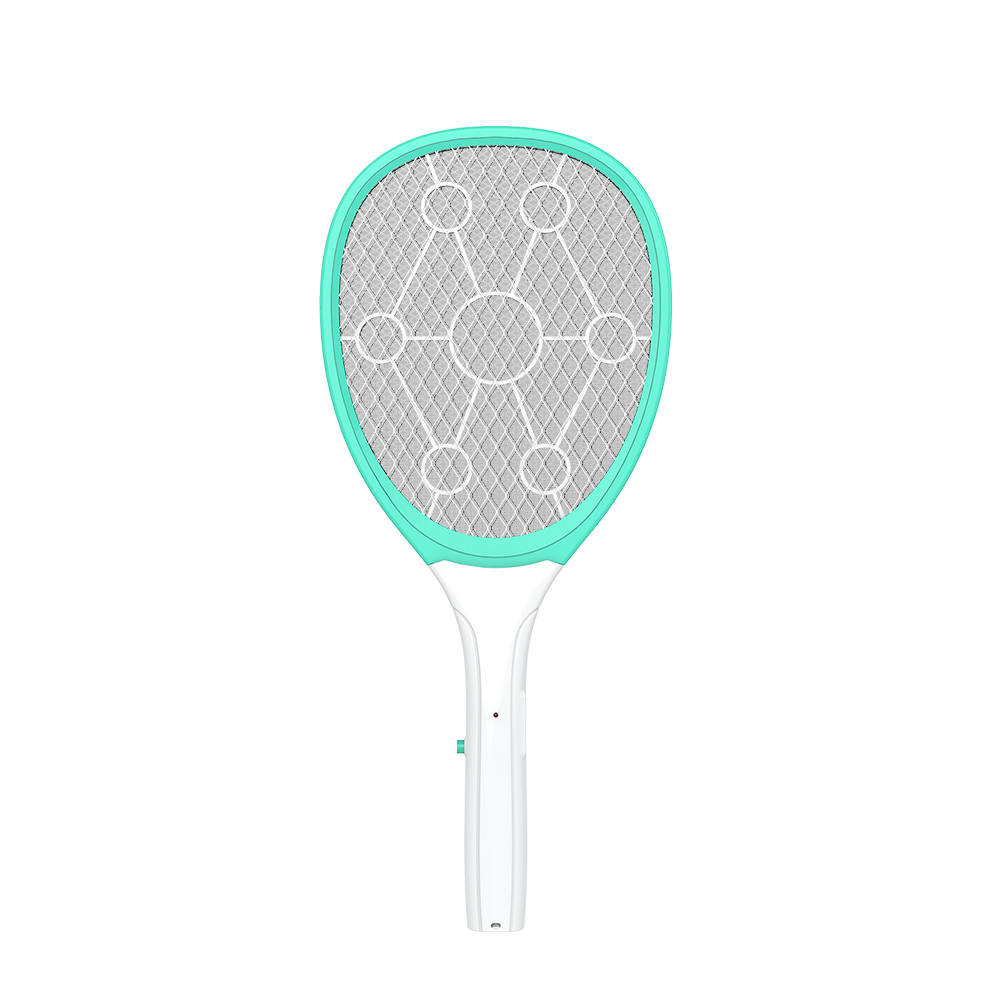
II. Key Judgment: 3 Factors to Decide “Whether You Need a Tetanus Shot”
To figure out if you need to go to the hospital for a tetanus shot, you can check step by step based on the following 3 factors. There’s no need for excessive panic, but you shouldn’t take the situation lightly either:
1. Check the Wound Type: “Shallow and Clean” vs. “Deep and Dirty”
- No Tetanus Shot Needed: If the wound only affects the epidermis, with no obvious bleeding or just a small amount of oozing, no foreign matter left after rinsing with water, and the electric mosquito swatter’s metal grid has been cleaned recently (no obvious dust or mosquito corpses);
- Tetanus Shot Recommended: If the wound is deep (e.g., subcutaneous tissue is visible), bleeds heavily, foreign matter (such as metal shavings or dust) is found after rinsing, or even a “small pit”-shaped puncture wound appears. Such wounds easily form an oxygen-deficient environment, providing conditions for tetanus bacteria to multiply.
2. Review Your Vaccination History: “Within Protection Period” vs. “Expired/Unvaccinated”

Even if the wound is relatively deep, you may not need an additional injection if you’ve received a tetanus vaccine recently. Refer to the following standards (based on WHO recommendations):
- Fully Vaccinated and Within Protection Period: If you’ve received a tetanus toxoid vaccine (e.g., a combined vaccine containing tetanus components) within the past 5–10 years, and the wound is not particularly severe (no necrosis or infection), no additional vaccination is usually required;
- Expired/Incompletely Vaccinated/No Vaccination History: If it has been more than 10 years since your last vaccination, or you have never received a tetanus vaccine, it’s advisable to seek medical attention promptly even if the wound is small. A doctor will assess whether you need an injection of Tetanus Antitoxin (TAT) or Tetanus Immunoglobulin (TIG), and administer a booster vaccine if necessary.
3. Observe Wound Reaction: “Normal Healing” vs. “Abnormal Infection”
After treating the wound, monitor it for 1–2 days. Seek medical attention immediately if any of the following symptoms appear, regardless of whether you’ve received a vaccine:
- The wound becomes red, swollen, and more painful, or even oozes purulent discharge;
- The skin around the wound feels hot, or you experience general discomfort (e.g., fatigue, fever);
- The wound heals slowly, with continuous oozing or a numb sensation.
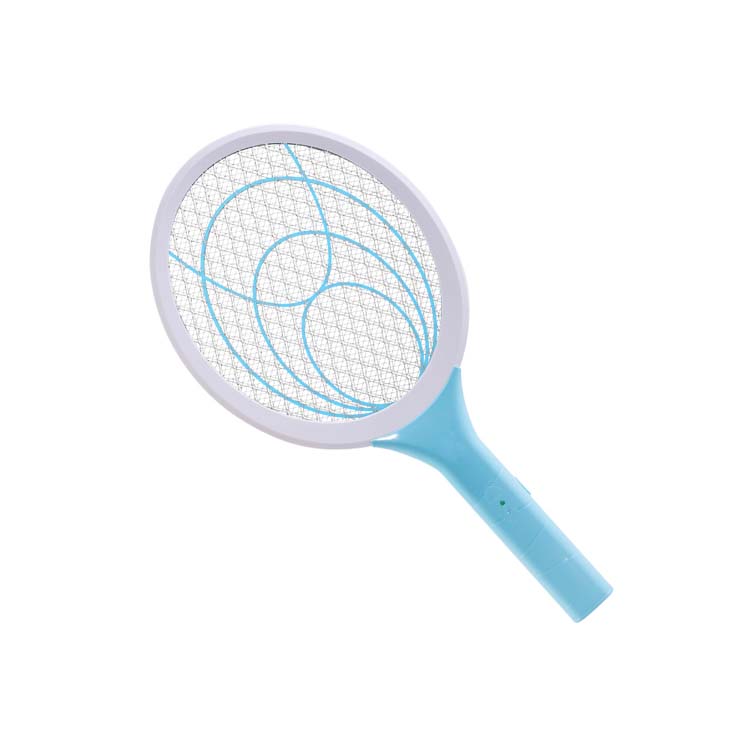
III. Correct Handling Steps: First Clean, Then Judge, Then Seek Medical Help
After being scratched by the metal grid of an electric mosquito swatter, don’t rush to decide whether to get a tetanus shot. First treat the wound according to the following steps, then make a judgment based on the above factors:
- Clean the Wound Immediately: Rinse the wound with running water for at least 5 minutes. If you have normal saline, use it for further rinsing to reduce bacterial residue. If there is obvious foreign matter in the wound, gently pick it out with a sterile cotton swab (avoid squeezing hard);
- Disinfect the Wound: Disinfect the wound and the surrounding skin with povidone-iodine (preferred for its low irritation) or medical alcohol. Avoid using tincture of iodine (it’s highly irritating and may worsen wound discomfort);
- Protect the Wound: If the wound is small and shallow, let it air dry after disinfection or cover it with a sterile band-aid. If the wound is deep or bleeding heavily, press it with sterile gauze to stop the bleeding, then seek medical attention promptly;
- Comprehensively Judge and Seek Medical Help: Determine whether a tetanus shot is needed based on the wound depth and vaccination history. If you’re unsure, take the electric mosquito swatter with you (to help the doctor examine the injury-causing object) and go to the hospital. A surgeon or emergency department doctor will assess the situation based on the wound and your vaccination history, and give the most accurate advice—avoiding “over-medicalization” or “missing potential risks.”
IV. Common Misconceptions: These Ideas May Harm You

Finally, let’s correct a few common misconceptions about tetanus to avoid delayed treatment due to wrong understanding:
- Misconception 1: “Only wounds caused by rusty metal require a tetanus shot.” Tetanus bacteria are widely present in soil, dust, and animal feces—not just on rusty metal. The “dirtiness” of the electric mosquito swatter’s metal grid is more dangerous than whether it’s rusty;
- Misconception 2: “Small wounds don’t need to be taken care of.” Smaller, deeper puncture wounds (such as the tiny holes left by electric mosquito swatter wires) are more likely to form an oxygen-deficient environment, making them more prone to causing tetanus than large, superficial wounds;
- Misconception 3: “Once vaccinated, you’re protected forever.” The protection period of a tetanus vaccine is limited, usually 5–10 years. After the protection period expires, the level of antibodies in the body will decrease, making it unable to effectively resist bacteria.
In short, after being scratched by the metal grid of an electric mosquito swatter, the key is to “distinguish the type of wound, remember your vaccination history, and treat the wound promptly and correctly.” If you’re unsure, the safest way is to consult a doctor. After all, tetanus is a preventable disease, but its mortality rate is relatively high if it occurs. When using an electric mosquito swatter in summer, remember to clean the metal grid regularly and avoid getting your hands too close to the grid surface during use—reducing the risk of injury at the source.
Choose the Right Electric Mosquito Swatter for Business Trips and Travels
Does a Larger Mosquito Swatter Mean Better Mosquito-Killing Effect
Related Article

If you’re struggling with annoying mosquitoes, flies, and other flying pests indoors and outdoors, upgrading from traditional manual tools to anElectric Mosquito Swatter is the most efficient solution. Many homeowners and renters search where to buy fly swatter online to find durable, safe, and high-performance electric models that deliver instant pest control.
Where to Buy Fly Swatter
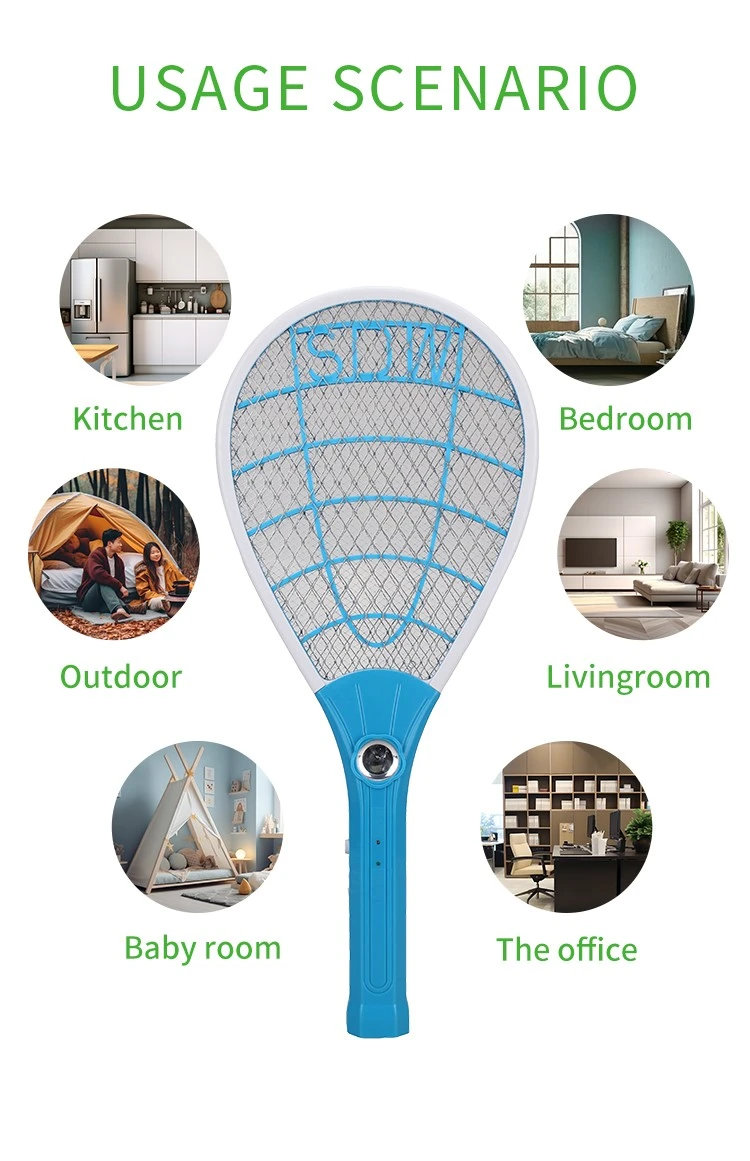
Most importers of electric mosquito swatters obsess over the first order: samples requested, factories vetted, a pre-shipment inspection booked. Then the reorder arrives eight months later and something is off. The grid feels softer. The charge port is a slightly different shade of black. The carton thickness dropped from 350 gsm to 300 gsm. Nothing is catastrophic — but the product no longer matches what your retail customers approved, and quietly, your return rate starts climbing.
How to Keep Mosquito Swatter Quality Consistent Across Repeat Orders
Warranty returns are the silent margin killer in the mosquito control category. A distributor who buys a swatter at $1.80 FOB and retails it at $9.90 can absorb a 1% return rate without noticing — but at 5%, the combined cost of replacement units, reverse logistics, and refund processing erases most of the line's profit.
Common mosquito swatter killer lamp failure modes wholesale spec guide

Digital bathroom scales rank as the second-highest-volume consumer weighing product category, only behind kitchen scales, with distinct market and product characteristics that set them apart from other scale types in importers’ product portfolios.
Digital bathroom body fat-bia-scale wholesale buyers guide