
Do Your Own Pest Control
2025-10-24
Do Your Own Pest Control: Save Money, Stay in Control, and Keep Your Home Safe
Let’s be real—finding pests in your home is never a pleasant surprise. Whether it’s a line of ants marching across the kitchen counter, a spider lurking in the bathroom corner, or even the occasional rodent scurrying in the garage, pests can quickly turn your safe space into a source of stress. But before you reach for the phone to call an expensive professional exterminator, here’s a game-changer to consider: do your own pest control.
DIY pest control isn’t just a budget-friendly alternative—it’s a way to take charge of your home’s health, use solutions that align with your values (like eco-friendly options), and avoid the wait time and recurring fees that come with professional services. If you’re new to the idea, don’t worry—this guide will break down everything you need to know to get started and succeed at do your own pest control.
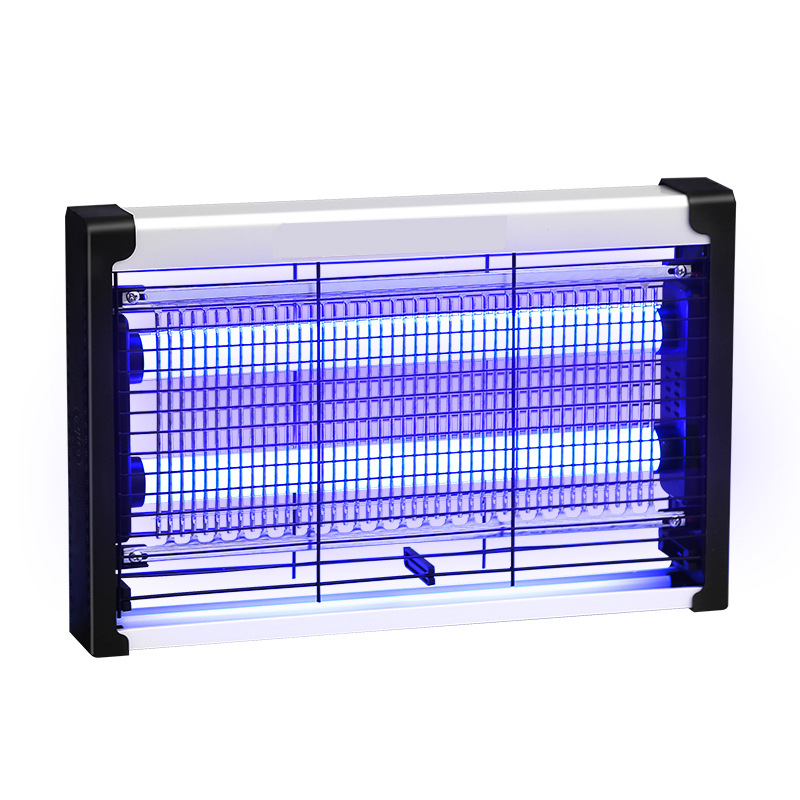
Why Choose Do Your Own Pest Control?
First, let’s talk about the perks of handling pest control on your own. The biggest draw for most people is cost savings. Professional extermination services can cost hundreds of dollars per visit, plus monthly or quarterly maintenance fees. When you do your own pest control, you only pay for the supplies you need—things like traps, natural repellents, or targeted pesticides—and those costs are often a fraction of what a pro would charge.
Another major benefit is flexibility and speed. When you spot a pest problem, you don’t have to wait a week for an appointment. You can grab your supplies and address the issue that same day, preventing small infestations from growing into bigger, more expensive ones. Plus, you get to choose the products you use. If you have kids, pets, or a preference for non-toxic solutions, DIY lets you skip harsh chemicals and opt for safer alternatives—something not all professional services prioritize.
Finally, do your own pest control teaches you to understand your home’s unique needs. You’ll start noticing patterns (like where ants enter, or which corners attract spiders) and can take proactive steps to prevent future problems. It’s a long-term solution, not just a quick fix.
How to Get Started with Do Your Own Pest Control
Ready to take the plunge? Follow these simple steps to make your DIY pest control efforts effective:
The key to successful pest control is knowing what you’re up against. Different pests require different solutions—for example, ant bait won’t work on cockroaches, and mouse traps won’t catch termites. Take a few minutes to observe the pest: note its size, color, where it’s appearing, and any signs of damage (like chewed wires or holes in walls).
If you’re not sure what the pest is, take a clear photo and use online resources (like university extension websites or pest identification apps) to ID it. Once you know what you’re dealing with, you can pick the right tools and methods.
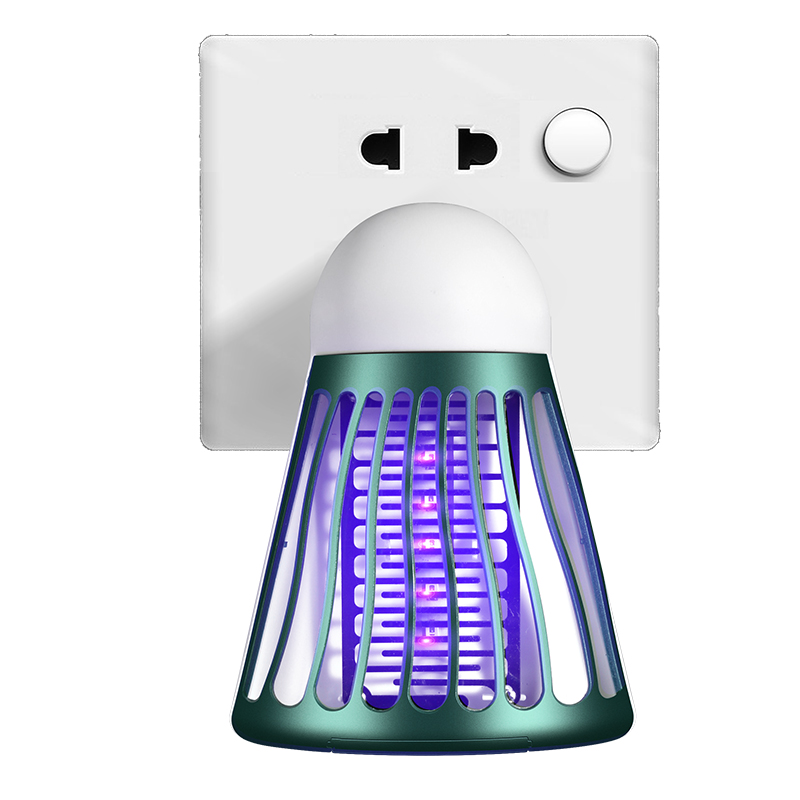
2. Gather Your DIY Supplies
You don’t need a garage full of fancy equipment to do your own pest control. Start with the basics, depending on the pest:
- For insects (ants, roaches, spiders): Natural repellents (like peppermint oil, vinegar, or diatomaceous earth), sticky traps, bait stations, or low-toxicity pesticides (look for products with ingredients like boric acid, which is safe for humans but deadly to many insects).
- For rodents (mice, rats): Snap traps, live traps (if you prefer to release them), or rodent bait (use caution if you have pets or kids).
- For prevention: Caulk to seal cracks and gaps (where pests enter), a vacuum to clean up crumbs and debris, and storage containers to keep food sealed.
You can find most of these supplies at your local hardware store, home improvement center, or online. Stick to products labeled for home use and follow the instructions carefully—safety first!
3. Focus on Prevention (Not Just Eradication)
One of the biggest mistakes people make with DIY pest control is only addressing the pests they see, not the root cause of the problem. Pests come into your home looking for food, water, and shelter—so your goal should be to remove those attractions.
- Seal entry points: Use caulk to fill cracks in walls, windows, and doors. Install door sweeps to block gaps under exterior doors.
- Keep your home clean: Wipe down counters daily, sweep floors, and take out the trash regularly. Store food (including pet food) in airtight containers.
- Fix moisture issues: Repair leaky faucets, clean out gutters, and use a dehumidifier in damp areas like basements or bathrooms. Pests like cockroaches and termites thrive in moist environments.
By focusing on prevention, you’ll reduce the need for constant pest control treatments—and save even more time and money in the long run.
Common Mistakes to Avoid with Do Your Own Pest Control
While DIY pest control is straightforward, there are a few pitfalls to watch out for:
- Using too much product: More isn’t always better. Overusing pesticides can be dangerous for your family and pets, and it can even make pests resistant to the product over time. Follow the dosage instructions on the label.
- Ignoring hidden areas: Pests love to hide in dark, hard-to-reach spots—like under appliances, in closets, or behind furniture. Make sure to treat these areas, not just the ones where you see pests.
- Giving up too soon: DIY pest control takes time. It might take a few days or weeks to fully eliminate an infestation, especially if it’s a bit larger. Be patient and consistent with your treatments.
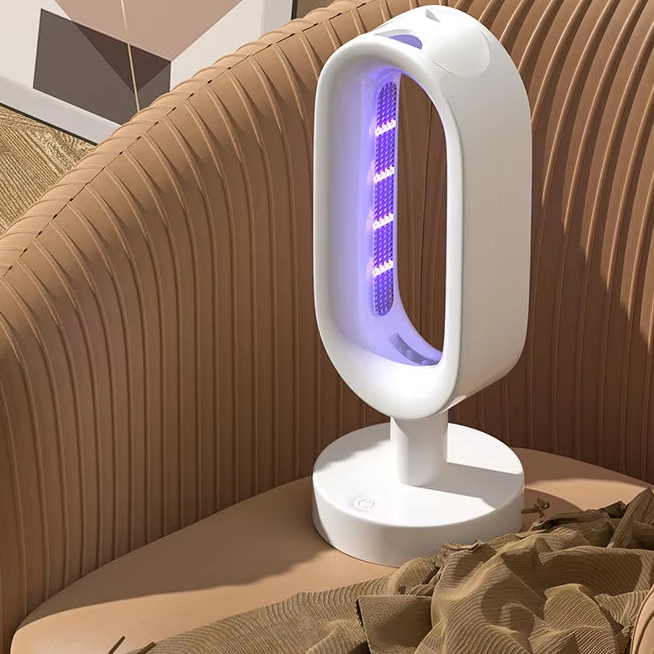
Final Thoughts: You’ve Got This!
Do your own pest control might seem daunting at first, but with a little knowledge and the right supplies, it’s a task anyone can handle. Not only will you save money, but you’ll also have the peace of mind knowing exactly what’s going into your home and that you’re taking proactive steps to keep it pest-free.
Remember: The best pest control is the kind that fits your lifestyle and values. Whether you prefer all-natural solutions or targeted pesticides, the power to protect your home is in your hands. So grab your supplies, seal those cracks, and say goodbye to pests—on your own terms.
This Tiny Insect Kills More Than Sharks
Why Does the Light of an Electric Mosquito Swatter Attract Mosquitoes
Related Article

If you’re struggling with annoying mosquitoes, flies, and other flying pests indoors and outdoors, upgrading from traditional manual tools to anElectric Mosquito Swatter is the most efficient solution. Many homeowners and renters search where to buy fly swatter online to find durable, safe, and high-performance electric models that deliver instant pest control.
Where to Buy Fly Swatter
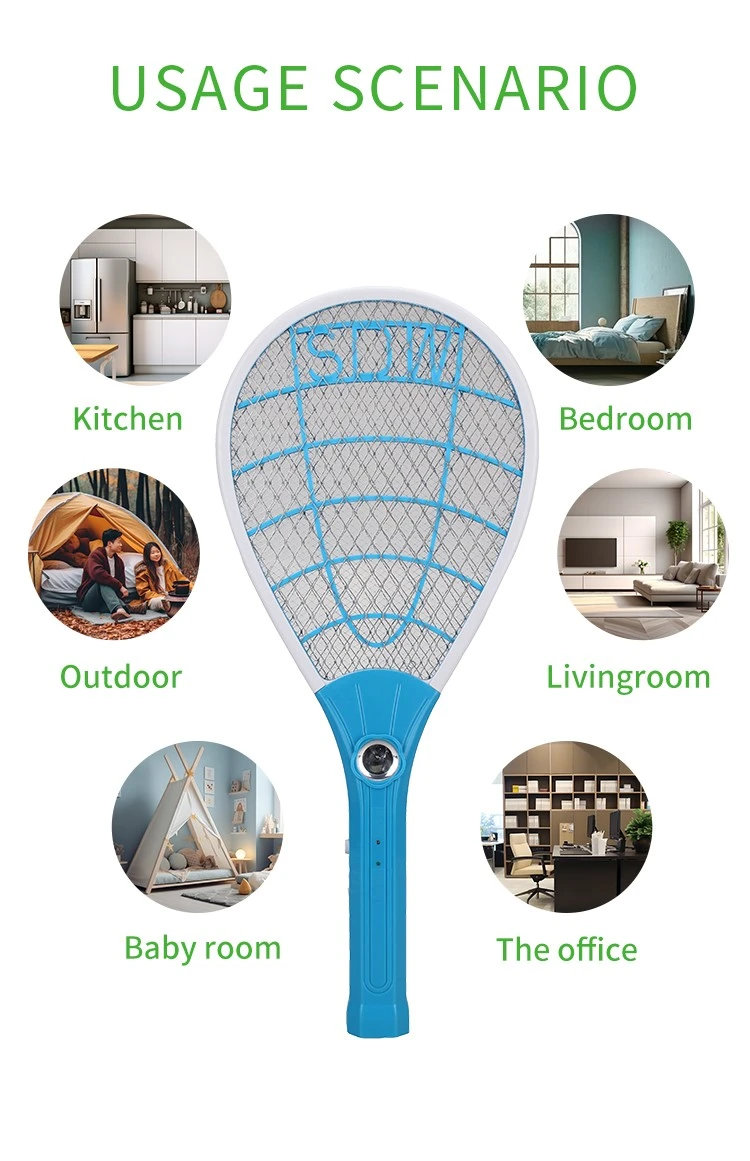
Most importers of electric mosquito swatters obsess over the first order: samples requested, factories vetted, a pre-shipment inspection booked. Then the reorder arrives eight months later and something is off. The grid feels softer. The charge port is a slightly different shade of black. The carton thickness dropped from 350 gsm to 300 gsm. Nothing is catastrophic — but the product no longer matches what your retail customers approved, and quietly, your return rate starts climbing.
How to Keep Mosquito Swatter Quality Consistent Across Repeat Orders
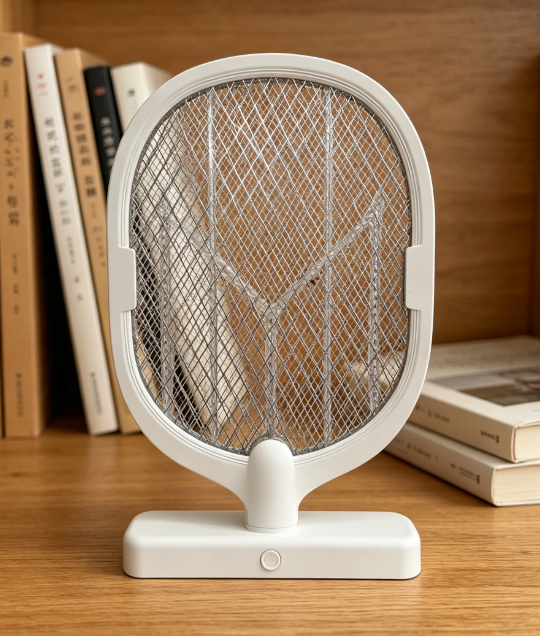
Warranty returns are the silent margin killer in the mosquito control category. A distributor who buys a swatter at $1.80 FOB and retails it at $9.90 can absorb a 1% return rate without noticing — but at 5%, the combined cost of replacement units, reverse logistics, and refund processing erases most of the line's profit.
Common mosquito swatter killer lamp failure modes wholesale spec guide

Digital bathroom scales rank as the second-highest-volume consumer weighing product category, only behind kitchen scales, with distinct market and product characteristics that set them apart from other scale types in importers’ product portfolios.
Digital bathroom body fat-bia-scale wholesale buyers guide