
Do Yourself Pest Control
2025-07-16
Do Yourself Pest Control: A Practical Guide to Home Pest Management
When you spot cockroaches scurrying across your kitchen counter or aphids nibbling on the plants on your balcony, many people find themselves in a dilemma: hiring professional pest control services is too expensive, yet handling the problem yourself feels ineffective. In fact, Do Yourself Pest Control is an efficient and cost-effective solution. With the right scientific methods, anyone can tackle common pests accurately, save money, and maintain full control over the safety of the pest control process.
I. First Step in Do Yourself Pest Control: Accurately Identify Pest Types
Before taking action, using insecticides blindly will only waste your efforts. One of the core principles of Do Yourself Pest Control is "diagnose first, treat later."
1.1 Identification Features of Common Household Pests
Different pests leave distinct traces of activity:
- Cockroaches: Small, dark brown granular feces in damp corners (such as under the kitchen sink), or the sight of fast-scurrying insects when you turn on the lights at night.
- Ants: Form "foraging trails" along walls and windowsills, often near sweet foods or kitchen waste.
- Aphids: Gather on the undersides of young plant leaves, causing leaves to curl and turn yellow, often accompanied by sticky honeydew.
- Fruit Flies: Hover around rotten fruit or trash cans, small in size (about 3mm) with red eyes.
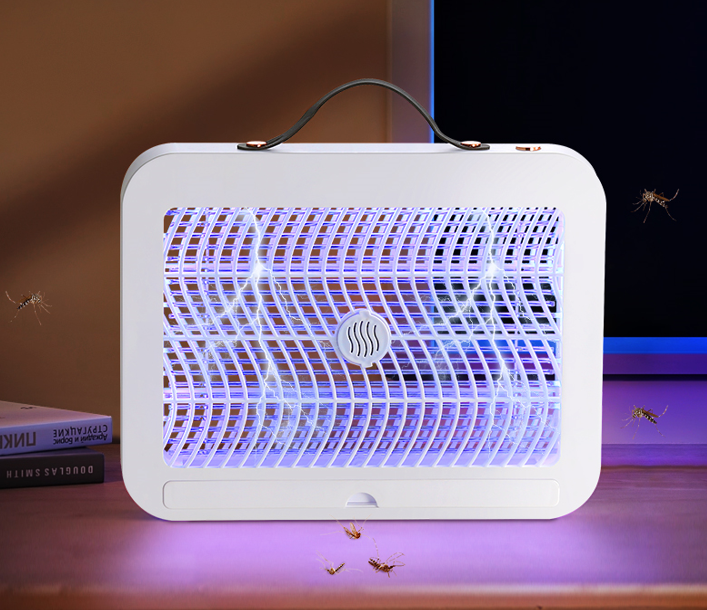
- Mosquitoes: Found near light sources.
1.2 Locate the Source of the Pest Infestation
To solve the problem at its root, you need to find where the pests are breeding:
- Check if there is accumulated food residue in kitchen floor drains (a common breeding ground for cockroaches and fruit flies).
- Look for crumbs in cabinet crevices (a prime target for ants).
- Inspect potted plants on the balcony for standing water (a breeding ground for mosquito larvae).
II. Do Yourself Pest Control in Action: Choose Solutions Based on Scenarios
Depending on the type of pest and your home environment (such as whether you have pets, children, or people with allergies), you can choose physical, chemical, or natural pest control methods—no professional equipment required.
2.1 Physical Control: A Safe, Non-Irritating Basic Solution
Ideal for mild infestations or households sensitive to chemical agents:
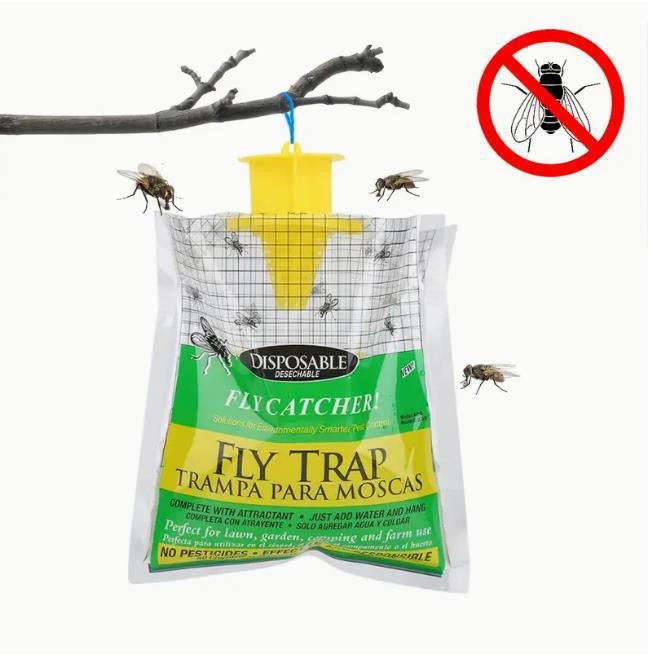
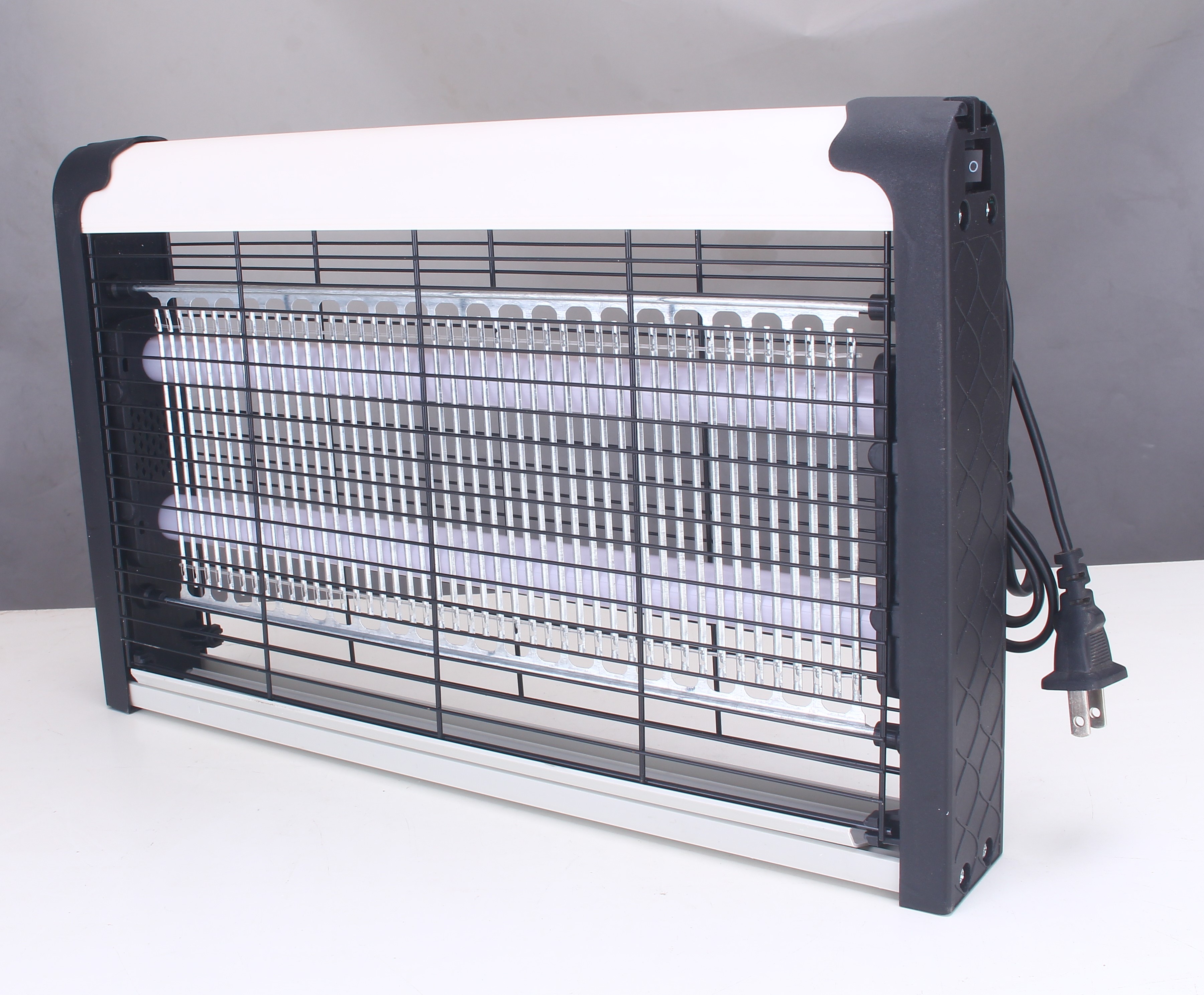
- Trapping Tools: Place cockroach sticky traps in areas where cockroaches are active, flypaper on windowsills, or mosquito traps. Replace them regularly.
- Barrier Methods: Seal wall cracks with silicone (to prevent cockroaches from entering), use double garbage bags for trash cans, and empty them daily.
- High-Temperature Treatment: Flush floor drains and gutters with boiling water (to kill cockroach egg cases) and soak moth-infested clothes in hot water.
2.2 Chemical Control: Targeted Elimination of Persistent Pests
When choosing household-grade pesticides, follow the principle of "use sparingly and precisely" to avoid over-application:
- For Cockroaches: Use gel baits (containing fipronil, for example). Apply small dots in cabinet corners—cockroaches will return to their nests after feeding and die, and other cockroaches that feed on their bodies will also be eliminated.
- For Ants: Use granular baits (containing thiamethoxam, for example). Worker ants will carry the bait back to the nest, killing the queen and completely destroying the colony.
- For Mosquitoes: Spray insecticides, wear mosquito repellent bracelets, use odorless mosquito repellent lotions, or apply mosquito-repellent essential oil patches.
Notes: Store pesticides out of reach of children and pets. Wash your hands thoroughly after use and avoid contact with food.
2.3 Natural Control: Suitable for Households with Pets/Children
Harness the pest-repellent properties of natural substances for a gentle, eco-friendly approach:
- Peppermint Essential Oil: Dilute and spray around windowsills and door frames to repel mosquitoes and flies.
- Vinegar Solution: Wipe tabletops and cabinets with a 1:1 mixture of vinegar and water. This removes food residue odors (which attract ants) and inhibits mold growth.
- Diatomaceous Earth: Sprinkle a small amount of food-grade diatomaceous earth (in powder form) in wardrobe corners or along carpet edges. It destroys pests’ exoskeletons through physical abrasion, effectively controlling clothes moths and fleas.
III. Core of Do Yourself Pest Control: Prevention is Better Than Cure
The ultimate goal of Do Yourself Pest Control is not just to "eliminate existing pests" but to "maintain a pest-free environment long-term." Adjusting daily habits can significantly reduce the risk of reinfestation.
3.1 Key Points for Daily Environmental Cleaning
- Dispose of kitchen waste daily and store it in lidded trash cans.
- Wipe down dining tables and stovetops immediately after meals to avoid leftover food residue.
- Flush floor drains and sewers with hot water weekly to reduce eggs in damp environments.
- Regularly declutter to avoid accumulating unnecessary items in the home.
3.2 Physically Block Pest Entry Points
- Install window screens and repair any damaged ones.
- Seal drain openings with odor-proof covers to prevent cockroaches from crawling up through pipes.
- Fill cracks in walls and floors (using silicone or cement) to block hiding places for ants and cockroaches.
IV. Advantages of Do Yourself Pest Control and Common Misconceptions
4.1 Why Choose DIY Pest Control?
- Lower Cost: The cost of a single pest control session is only 1/3 to 1/5 of professional services.
- Flexibility: You can adjust your approach at any time based on changes in the pest situation (e.g., switch to a different bait if ants develop resistance).
- Controllable Safety: You can choose low-toxicity or natural agents, making it more suitable for households with the elderly or children.
4.2 Avoid These Common Mistakes
- Don’t Overuse Insecticides: Excessive use is wasteful and may pollute the environment.
- Don’t Ignore Eggs While Killing Adults: For example, cockroach egg cases need to be scalded with boiling water or physically removed; otherwise, new cockroaches will hatch in 1–2 weeks.
- Don’t Neglect Cleaning After Pest Control: Even if pests are gone, maintaining good hygiene habits is essential to prevent them from returning.
Do Yourself Pest Control is not a "compromise for non-professionals" but a more proactive attitude toward life. From identifying pests to choosing solutions and maintaining long-term prevention, each step helps you understand your living environment better. By following the principles of "accurate identification, scientific control, and consistent prevention," you can bid farewell to pest troubles and turn your home into a truly safe and comfortable have
n.
Can Vinegar and Dish Soap Kill Mosquitoes
Analysis of the Desktop Small Electric Fan Market
Related Article

If you’re struggling with annoying mosquitoes, flies, and other flying pests indoors and outdoors, upgrading from traditional manual tools to anElectric Mosquito Swatter is the most efficient solution. Many homeowners and renters search where to buy fly swatter online to find durable, safe, and high-performance electric models that deliver instant pest control.
Where to Buy Fly Swatter
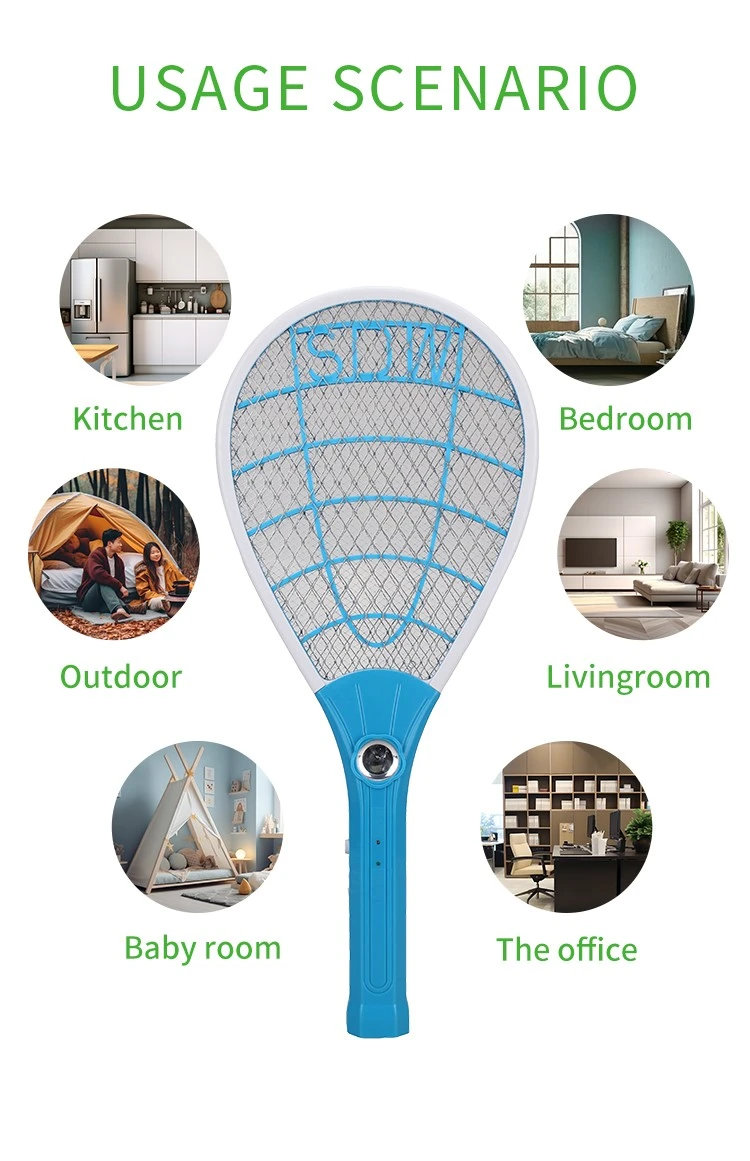
Most importers of electric mosquito swatters obsess over the first order: samples requested, factories vetted, a pre-shipment inspection booked. Then the reorder arrives eight months later and something is off. The grid feels softer. The charge port is a slightly different shade of black. The carton thickness dropped from 350 gsm to 300 gsm. Nothing is catastrophic — but the product no longer matches what your retail customers approved, and quietly, your return rate starts climbing.
How to Keep Mosquito Swatter Quality Consistent Across Repeat Orders
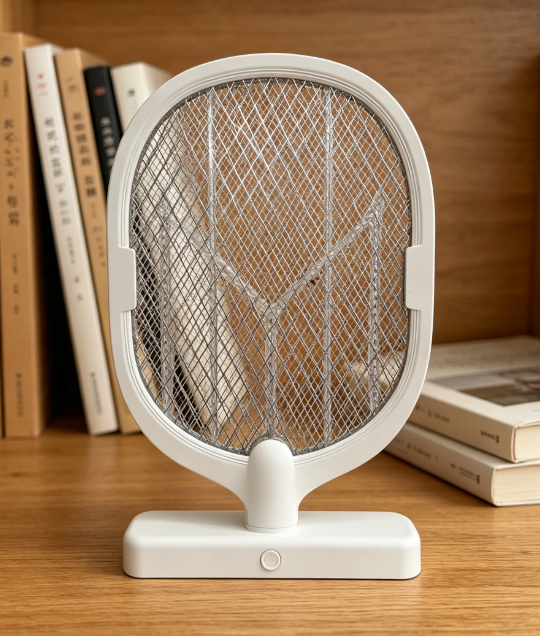
Warranty returns are the silent margin killer in the mosquito control category. A distributor who buys a swatter at $1.80 FOB and retails it at $9.90 can absorb a 1% return rate without noticing — but at 5%, the combined cost of replacement units, reverse logistics, and refund processing erases most of the line's profit.
Common mosquito swatter killer lamp failure modes wholesale spec guide

Digital bathroom scales rank as the second-highest-volume consumer weighing product category, only behind kitchen scales, with distinct market and product characteristics that set them apart from other scale types in importers’ product portfolios.
Digital bathroom body fat-bia-scale wholesale buyers guide