
Does a Bug Zapper Work on Mosquito
2025-06-23
Does a Bug Zapper Work on Mosquito
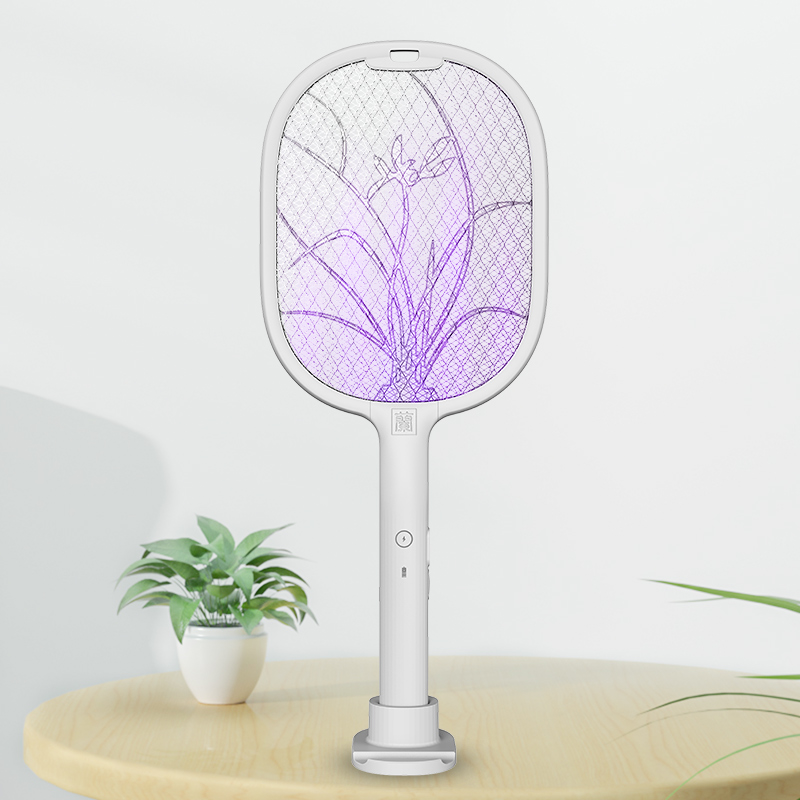
When the summer heat arrives and mosquitoes start buzzing around, many people turn to bug zappers as a potential solution for mosquito control. But the question remains: does a bug zapper actually work on mosquitoes? Let’s explore the science and practicality behind this common pest - control device.
How Bug Zappers Work
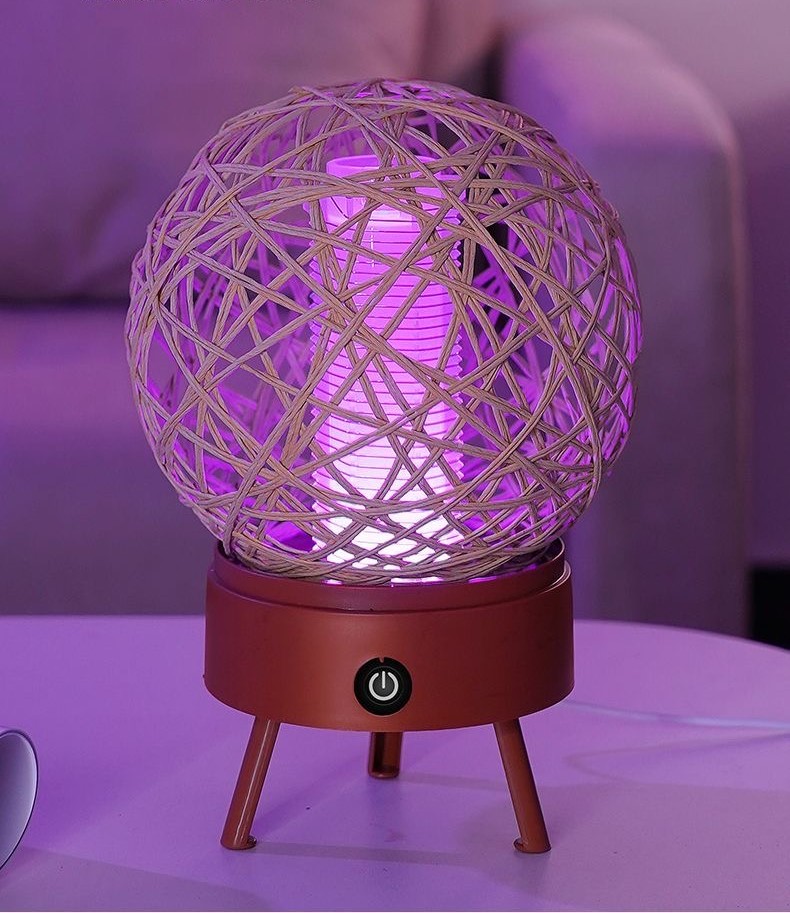
Bug zappers typically consist of a light source, usually a fluorescent or ultraviolet (UV) light, and an electrified grid. The basic concept is that the light attracts insects, and when the insects come close to investigate, they are electrocuted by the grid. The idea is rooted in the fact that many insects are attracted to light, and it seems logical that mosquitoes, being insects, would be lured in the same way.
The Attraction of Mosquitoes to Light
While it’s true that some insects are strongly attracted to light, the case of mosquitoes is more complex. Mosquitoes are primarily attracted to cues such as carbon dioxide, body heat, and the chemicals in human sweat when they are searching for a blood meal. Light, especially UV light, can have some level of attraction for mosquitoes, but it is not their primary or most reliable cue for finding hosts. Research has shown that mosquitoes may be drawn to light sources, but this attraction is often overshadowed by other more potent stimuli.
Effectiveness in Real - World Scenarios
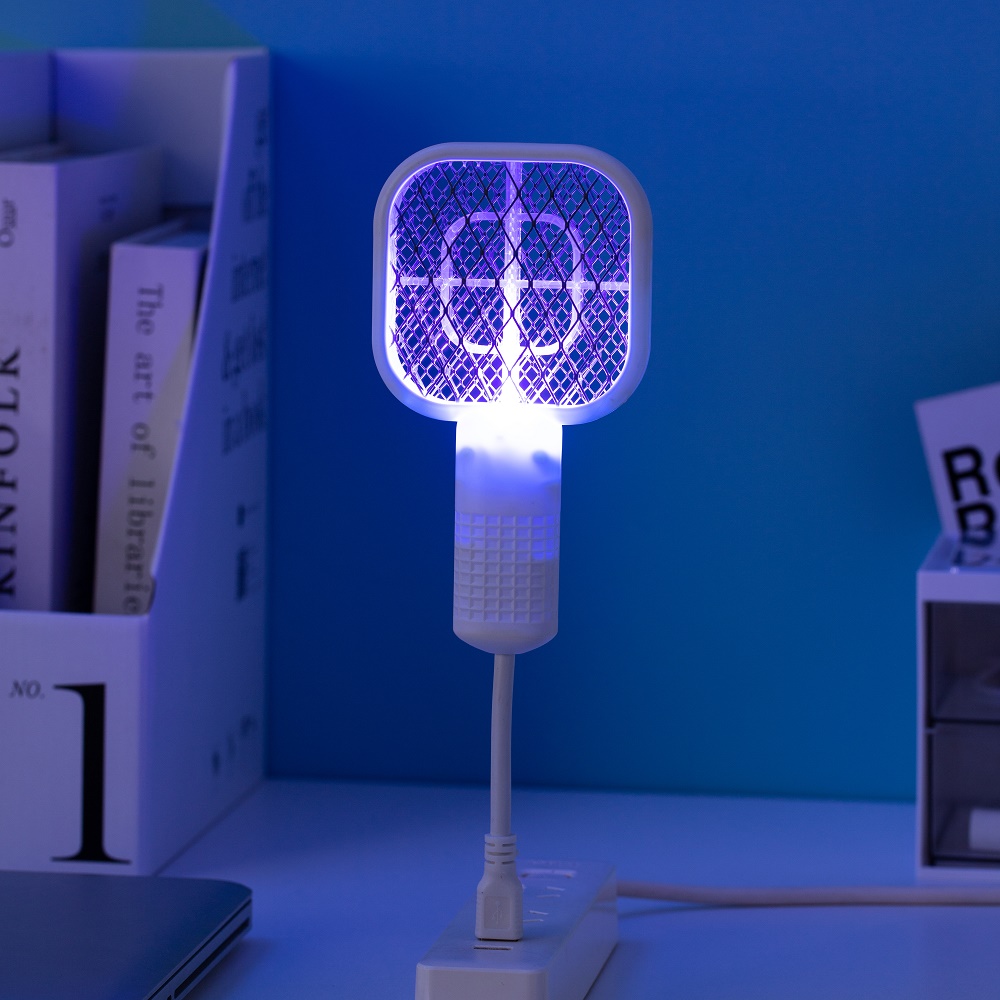
In real - world use, the effectiveness of bug zappers in controlling mosquito populations is limited. Studies have indicated that bug zappers tend to kill a large number of non - mosquito insects, such as moths, beetles, and other beneficial insects, rather than significantly reducing the mosquito population. The reason is that the light in bug zappers may draw in mosquitoes, but it also attracts a wide variety of other insects that are more strongly attracted to light. As a result, the proportion of mosquitoes among the insects killed by bug zappers is relatively low.
Factors Affecting Bug Zapper Performance
Several factors can influence how well a bug zapper works on mosquitoes. Location is crucial. If a bug zapper is placed far away from human activity areas where mosquitoes are actually seeking hosts, its effectiveness in catching mosquitoes will be minimal. Environmental conditions also play a role. Wind, for example, can disrupt the flight path of mosquitoes and make it harder for them to be drawn to the bug zapper. Additionally, the presence of other strong attractants nearby, such as standing water or a large number of people, can distract mosquitoes from the bug zapper’s light.
Alternative and Complementary Mosquito Control Methods
Since bug zappers have limited effectiveness in controlling mosquitoes, it’s important to consider other methods. Eliminating breeding sites, such as stagnant water in flower pots, gutters, or birdbaths, can significantly reduce the mosquito population. Using mosquito repellents containing effective ingredients like DEET, picaridin, or oil of lemon eucalyptus can provide personal protection against mosquito bites. Installing screens on windows and doors can prevent mosquitoes from entering indoor spaces.
Is UV Light Bad for You
What Insects Does Bifenthrin Kill
Related Article

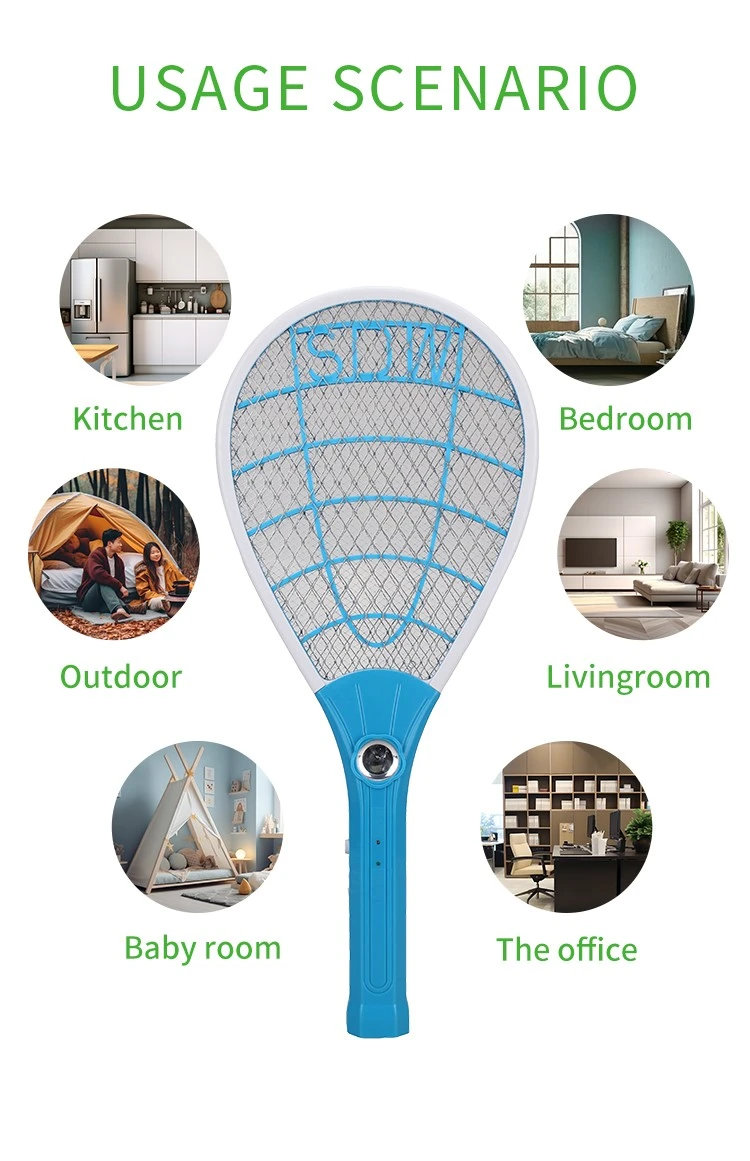
If you’re struggling with annoying mosquitoes, flies, and other flying pests indoors and outdoors, upgrading from traditional manual tools to anElectric Mosquito Swatter is the most efficient solution. Many homeowners and renters search where to buy fly swatter online to find durable, safe, and high-performance electric models that deliver instant pest control.
Where to Buy Fly Swatter
Most importers of electric mosquito swatters obsess over the first order: samples requested, factories vetted, a pre-shipment inspection booked. Then the reorder arrives eight months later and something is off. The grid feels softer. The charge port is a slightly different shade of black. The carton thickness dropped from 350 gsm to 300 gsm. Nothing is catastrophic — but the product no longer matches what your retail customers approved, and quietly, your return rate starts climbing.
How to Keep Mosquito Swatter Quality Consistent Across Repeat Orders
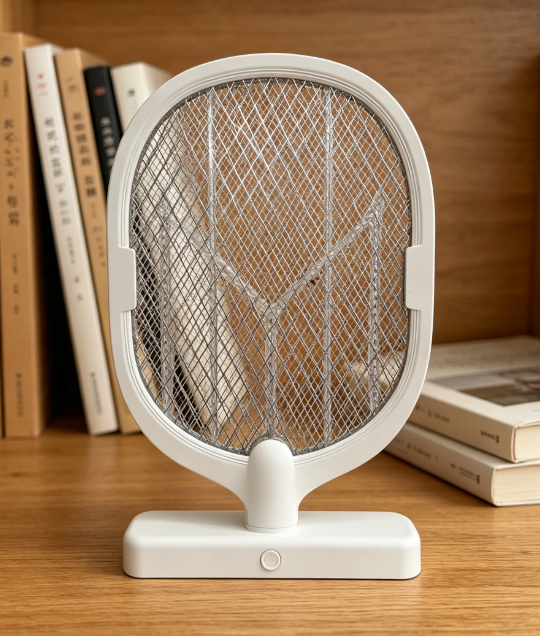
Warranty returns are the silent margin killer in the mosquito control category. A distributor who buys a swatter at $1.80 FOB and retails it at $9.90 can absorb a 1% return rate without noticing — but at 5%, the combined cost of replacement units, reverse logistics, and refund processing erases most of the line's profit.
Common mosquito swatter killer lamp failure modes wholesale spec guide

Digital bathroom scales rank as the second-highest-volume consumer weighing product category, only behind kitchen scales, with distinct market and product characteristics that set them apart from other scale types in importers’ product portfolios.
Digital bathroom body fat-bia-scale wholesale buyers guide