
Does a Bug Zapper Work on Mosquitoes
2025-05-17
Does a Bug Zapper Work on Mosquitoes
When the warm summer months roll in, along with the enjoyable outdoor activities come the pesky mosquitoes. Bug zappers are often seen as a popular solution to deal with these buzzing nuisances. But the burning question remains: does a bug zapper really work on mosquitoes? Let’s explore this topic in detail.
How Bug Zappers Work
The Attraction Mechanism
Most bug zappers operate by emitting ultraviolet (UV) light. Insects, including mosquitoes, are naturally attracted to UV light. The theory is that insects use light sources to navigate during flight. In the dark, the bright UV light of the bug zapper mimics the natural light cues that insects rely on, luring them towards the device.
The Elimination Process
Once the insects are attracted to the bug zapper, they come into contact with an electrified grid. When the insects touch the grid, an electric current is completed, effectively electrocuting them. Some bug zappers also feature a fan - based system or sticky surfaces to trap the insects instead of using an electric grid.
Effectiveness of Bug Zappers on Mosquitoes
Scientific Evidence
Scientific studies on the effectiveness of bug zappers against mosquitoes have yielded mixed results. While bug zappers do kill mosquitoes that are attracted to them, they also attract and kill a large number of non - mosquito insects, such as moths, beetles, and beneficial pollinators like bees. In fact, research shows that mosquitoes often make up a very small percentage of the total insects killed by bug zappers, sometimes as low as 1 - 3%.
Real - World Observations
In real - world scenarios, homeowners who use bug zappers may notice a reduction in the number of flying insects around the zapper, but the impact on the overall mosquito population in an area is usually minimal. Mosquitoes are often more attracted to the carbon dioxide exhaled by humans, body heat, and the scents of sweat and skin lotions. So, while a bug zapper might catch some mosquitoes, it may not be sufficient to significantly reduce the mosquito nuisance.
Factors Affecting the Effectiveness
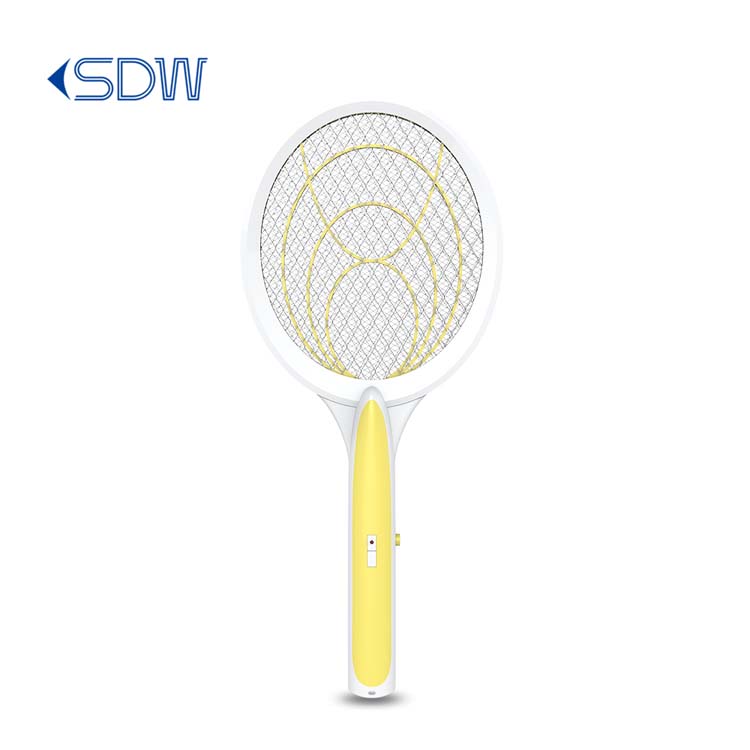
Location
The placement of a bug zapper is crucial. If it’s placed too close to human activity areas, it may attract more insects towards people instead of keeping them away. Placing the zapper away from patios, doorways, and seating areas can help reduce the chance of attracting mosquitoes to where you are. Also, areas with high vegetation or standing water, which are breeding grounds for mosquitoes, may require multiple zappers for better coverage.
Type of Bug Zapper
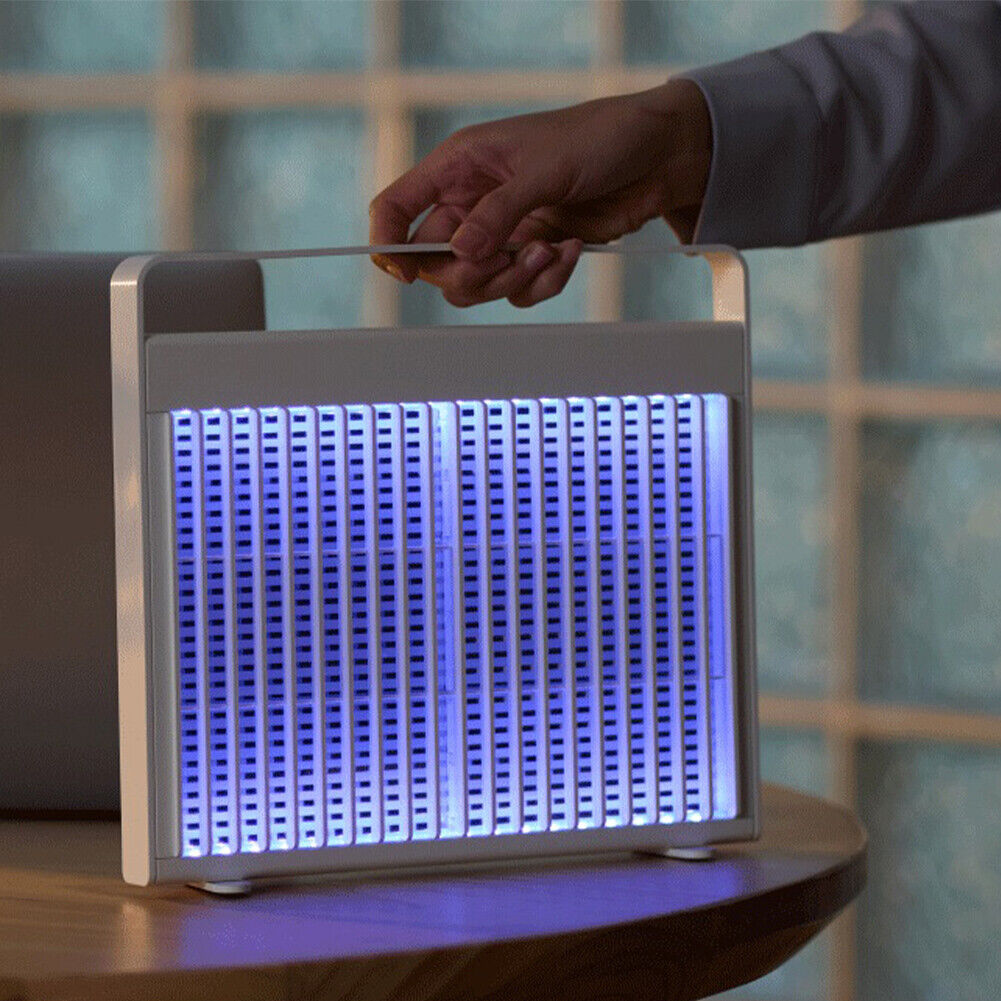
Different types of bug zappers have varying levels of effectiveness. Electric grid - based zappers are the most common but can be less selective in the insects they kill. Newer models that use additional attractants like carbon dioxide or heat, in combination with UV light, may be more effective at specifically targeting mosquitoes. Trap - style zappers with sticky surfaces can also be effective in capturing mosquitoes without the risk of electrocution - related safety hazards.
Tips for Using Bug Zappers More Effectively
- Proper Placement: Install bug zappers at least 10 - 15 feet away from areas where people gather, such as outdoor dining areas or pools. Hang them at a height of about 3 - 6 feet, as this is the typical flight range of mosquitoes.
- Regular Maintenance: Keep the bug zapper clean by regularly removing dead insects from the collection tray or sticky surface. A clogged zapper may be less effective at attracting and eliminating mosquitoes.
- Combination with Other Methods: Bug zappers work best when used in combination with other mosquito control measures. Use insect repellents, wear long - sleeved clothing, and eliminate standing water around your property to reduce the mosquito population more effectively.
Alternatives to Bug Zappers
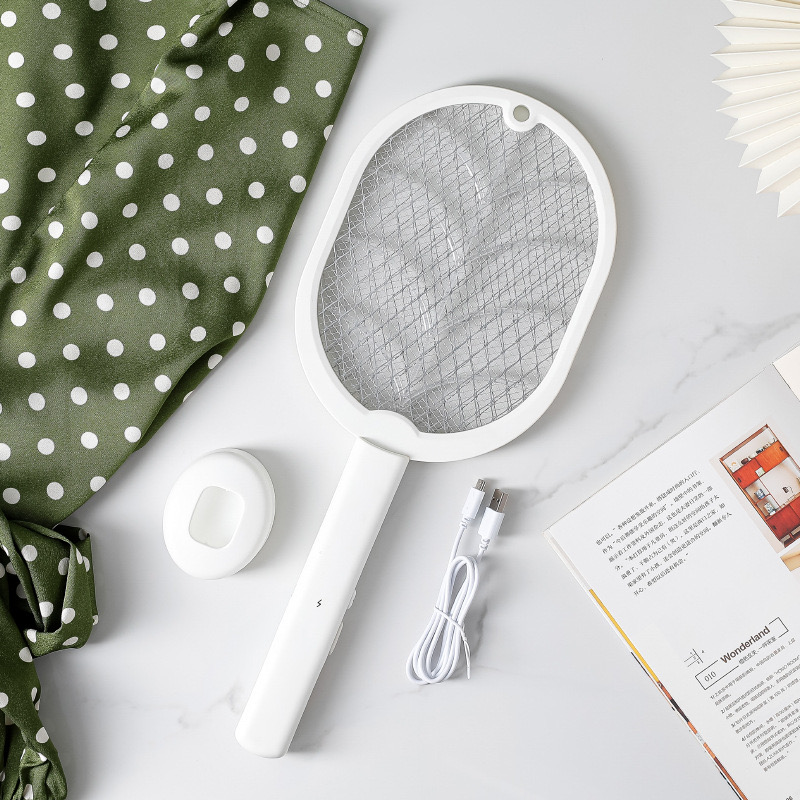
If you find that bug zappers aren’t providing the desired level of mosquito control, there are several alternatives. Mosquito - specific traps that use attractants like lactic acid, octenol, and carbon dioxide can be more targeted. Insecticide sprays, mosquito nets, and natural repellents such as citronella candles can also offer effective protection against mosquitoes.
In conclusion, while bug zappers can kill mosquitoes, their overall effectiveness in controlling the mosquito population and reducing the mosquito - related nuisance is limited. Understanding how they work, the factors affecting their performance, and using them in combination with other control methods can help you make the most of this mosquito - fighting tool.
How to Attract Mosquitoes to Bug Zapper
What is the Best Mosquito Zapper
Related Article

If you’re struggling with annoying mosquitoes, flies, and other flying pests indoors and outdoors, upgrading from traditional manual tools to anElectric Mosquito Swatter is the most efficient solution. Many homeowners and renters search where to buy fly swatter online to find durable, safe, and high-performance electric models that deliver instant pest control.
Where to Buy Fly Swatter

Most importers of electric mosquito swatters obsess over the first order: samples requested, factories vetted, a pre-shipment inspection booked. Then the reorder arrives eight months later and something is off. The grid feels softer. The charge port is a slightly different shade of black. The carton thickness dropped from 350 gsm to 300 gsm. Nothing is catastrophic — but the product no longer matches what your retail customers approved, and quietly, your return rate starts climbing.
How to Keep Mosquito Swatter Quality Consistent Across Repeat Orders

Warranty returns are the silent margin killer in the mosquito control category. A distributor who buys a swatter at $1.80 FOB and retails it at $9.90 can absorb a 1% return rate without noticing — but at 5%, the combined cost of replacement units, reverse logistics, and refund processing erases most of the line's profit.
Common mosquito swatter killer lamp failure modes wholesale spec guide

Digital bathroom scales rank as the second-highest-volume consumer weighing product category, only behind kitchen scales, with distinct market and product characteristics that set them apart from other scale types in importers’ product portfolios.
Digital bathroom body fat-bia-scale wholesale buyers guide