
Does a Bug Zapper Work
2025-06-04
Does a Bug Zapper Work
How Does a Bug Zapper Work
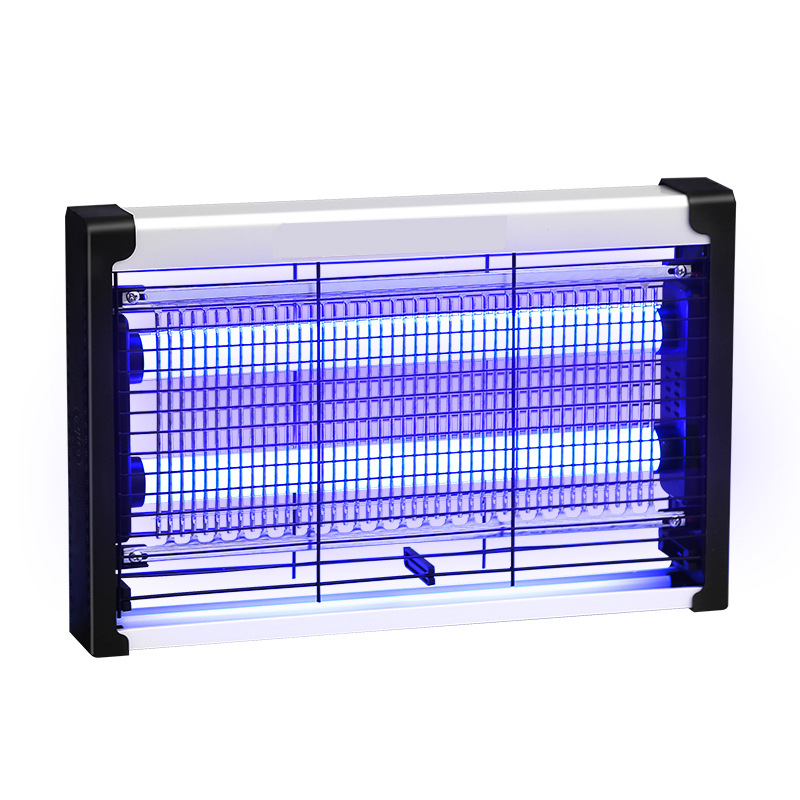
Bug zappers, increasingly common in both indoor and outdoor settings, are often advertised as effective weapons against pesky insects. However, many people wonder: does a bug zapper really work? To answer this question, we first need to understand how bug zappers operate.
Bug zappers primarily rely on the phototaxis of insects. Most insects, including mosquitoes, are attracted to specific wavelengths of light. Bug zappers typically emit ultraviolet (UV) light, which is highly appealing to many insects. When insects approach the light source, they are either electrocuted by the internal grid of the bug zapper or sucked into a collection tray by a fan.
Can Bug Zappers Actually Eliminate Insects?
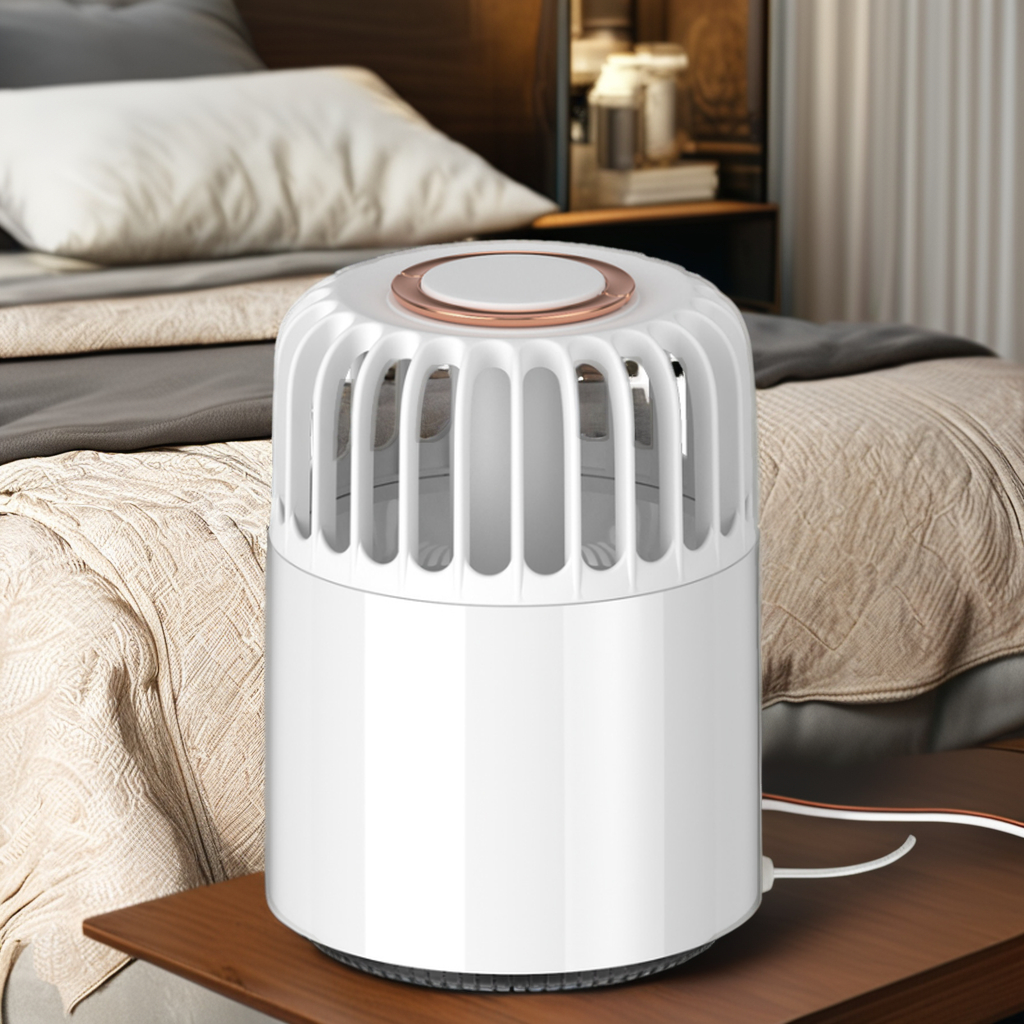
In theory, bug zappers can indeed eliminate some insects. In controlled laboratory environments, bug zappers have proven effective in attracting and killing large numbers of insects. However, in real-world use, the effectiveness of bug zappers may be significantly reduced.
Research shows that only a small portion of the insects killed by bug zappers are the mosquitoes that actually bite humans. Bug zappers attract more harmless flying insects such as moths and beetles. Additionally, mosquitoes locate their hosts mainly by detecting carbon dioxide, body heat, and sweat, rather than light. As a result, bug zappers have limited appeal to the blood-sucking mosquitoes that truly bother us.
Limitations of Bug Zappers
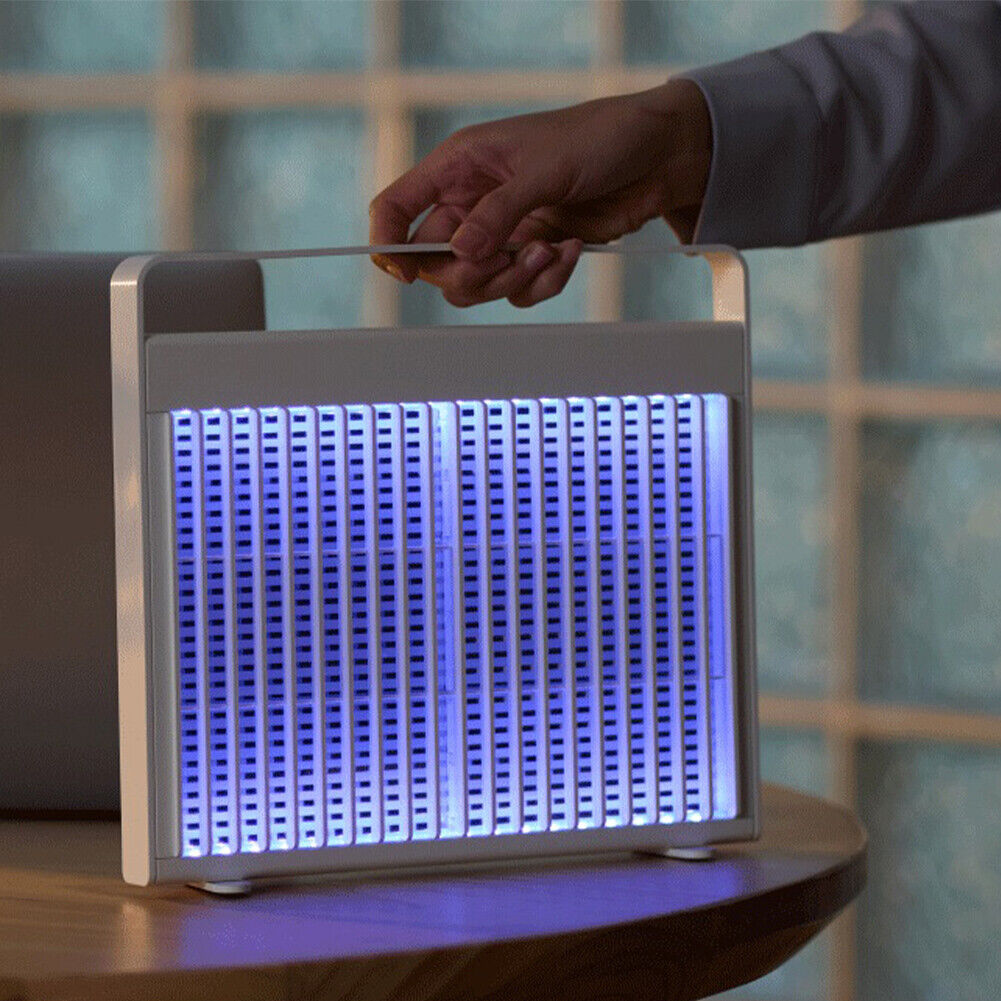
In addition to their limited attraction to biting mosquitoes, bug zappers have other drawbacks. First, the effective coverage area of bug zappers is limited. Most household bug zappers can only cover a small area, and multiple units may be needed to protect a larger space. Second, bug zappers are less effective outdoors due to the more complex environment and more distractions for insects. Finally, the electrocution of insects by bug zappers can produce unpleasant odors and debris, which may affect the user experience.
How to Use Bug Zappers More Effectively
Although bug zappers have certain limitations, they can still help control insect populations to some extent if used correctly. Here are some tips for using bug zappers:
- Placement: Place bug zappers away from areas where people are active. This can reduce the attraction of harmless insects and prevent the bug zapper from attracting mosquitoes that would not otherwise approach humans.
- Combine with Other Methods: Bug zappers should not be the sole method of mosquito prevention. Combine them with other methods such as insect repellents, window screens, and mosquito nets for better protection.
- Regular Cleaning: Regularly clean the collection tray and grid of the bug zapper to ensure its proper operation and reduce the generation of odors and debris.
Conclusion
In conclusion, while bug zappers can eliminate some insects, their effectiveness against the mosquitoes that bite humans is less than ideal. Bug zappers can be part of a comprehensive mosquito control strategy, but should not be relied on exclusively to protect us from mosquito bites. When choosing and using bug zappers, understanding their working principles and limitations, and combining them with other effective mosquito prevention methods, can help us better deal with mosquito problems.
How Does a Bug Zapper Work
will a bug zapper kill gnats
Related Article

If you’re struggling with annoying mosquitoes, flies, and other flying pests indoors and outdoors, upgrading from traditional manual tools to anElectric Mosquito Swatter is the most efficient solution. Many homeowners and renters search where to buy fly swatter online to find durable, safe, and high-performance electric models that deliver instant pest control.
Where to Buy Fly Swatter
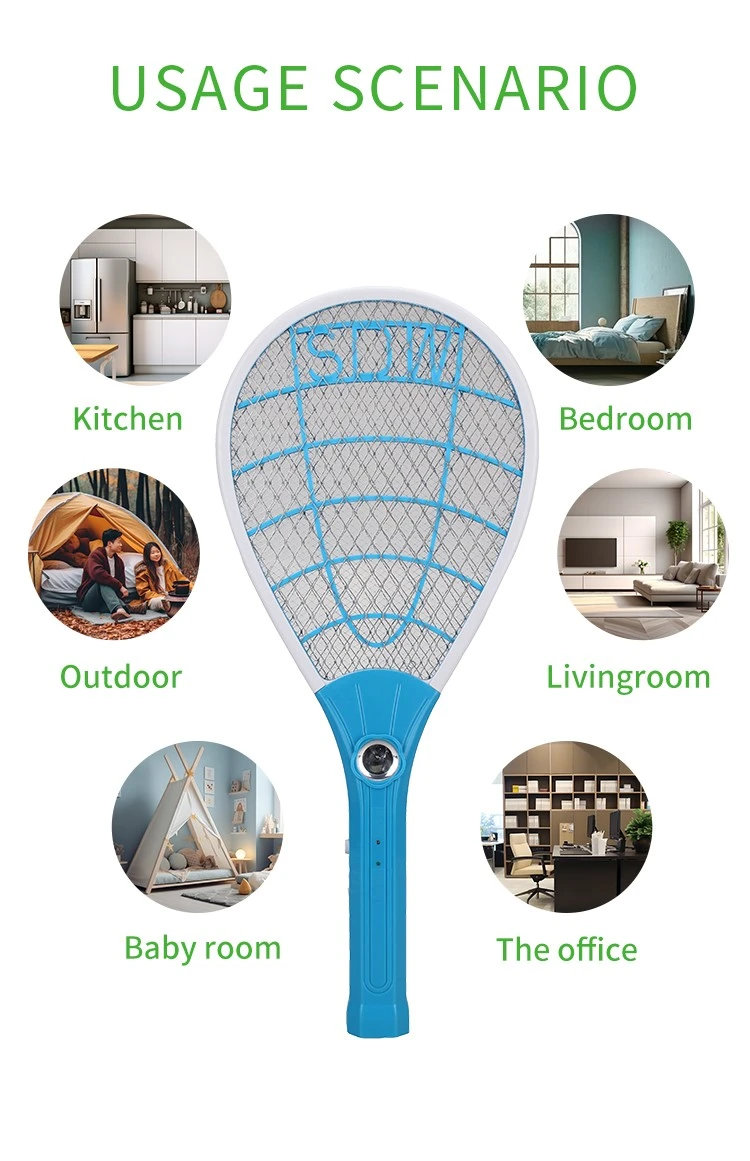
Most importers of electric mosquito swatters obsess over the first order: samples requested, factories vetted, a pre-shipment inspection booked. Then the reorder arrives eight months later and something is off. The grid feels softer. The charge port is a slightly different shade of black. The carton thickness dropped from 350 gsm to 300 gsm. Nothing is catastrophic — but the product no longer matches what your retail customers approved, and quietly, your return rate starts climbing.
How to Keep Mosquito Swatter Quality Consistent Across Repeat Orders
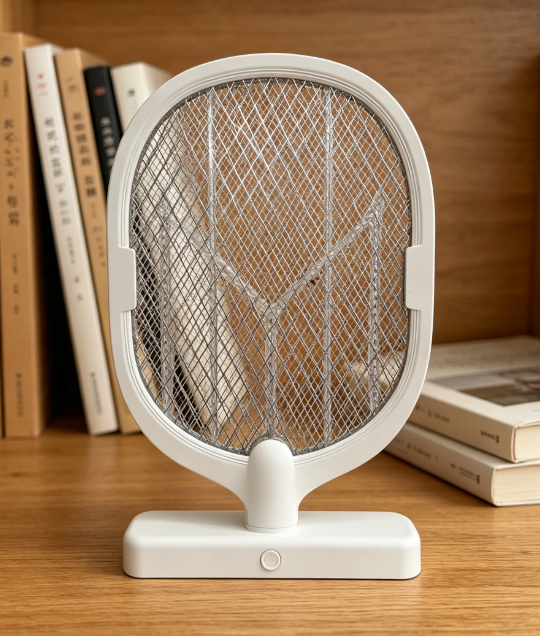
Warranty returns are the silent margin killer in the mosquito control category. A distributor who buys a swatter at $1.80 FOB and retails it at $9.90 can absorb a 1% return rate without noticing — but at 5%, the combined cost of replacement units, reverse logistics, and refund processing erases most of the line's profit.
Common mosquito swatter killer lamp failure modes wholesale spec guide

Digital bathroom scales rank as the second-highest-volume consumer weighing product category, only behind kitchen scales, with distinct market and product characteristics that set them apart from other scale types in importers’ product portfolios.
Digital bathroom body fat-bia-scale wholesale buyers guide