
Does a Mosquito Killer Lamp Consume Much Electricity
2025-10-29
Does a Mosquito Killer Lamp Consume Much Electricity? Understand the Truth About Its Energy Consumption in One Article
Every time the mosquito-infested season comes, mosquito killer lamps become a "savior" for many families — no need to spray chemical agents, no manual swatting, just plug it in and it silently eliminates mosquitoes. But along with it, there are many questions: "If it’s left on 24 hours a day, will it consume a lot of electricity?" "Will the electricity bill soar by the end of the month?" Today, let’s talk about the electricity consumption of mosquito killer lamps in detail, and use data and common sense to solve everyone’s doubts.
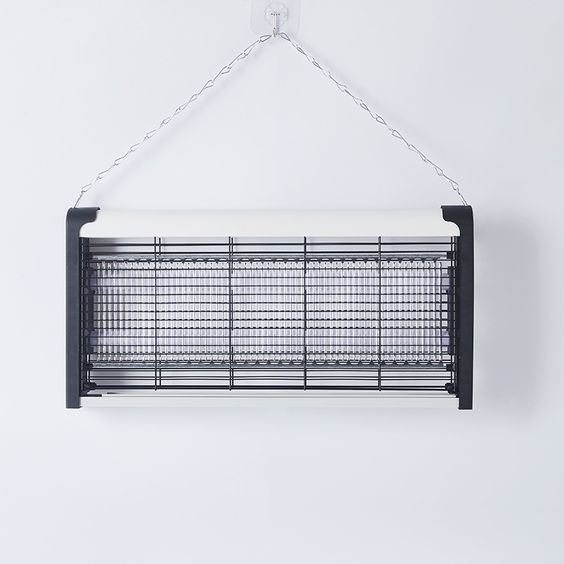
I. Core Judgment: The Power of Mosquito Killer Lamps is Generally Low
The most crucial indicator to determine whether an electrical appliance consumes much electricity is "power" (unit: Watt/W). The lower the power, the less electricity it consumes per unit time. One of the core advantages of mosquito killer lamps is that their power is generally small, which is the basis for them being "energy-efficient".
1.1 Power Range of Different Types of Mosquito Killer Lamps
Currently, the mainstream mosquito killer lamps on the market can be divided into "physical electric shock type" and "light-induced sticky trap type" according to their working principles. There is little difference in power between the two, and they are mainly classified by the applicable area:
- Small household mosquito killer lamps (suitable for 10-20 square meters, such as bedrooms and studies): The power is mostly between 5-15W, and common models are 8W and 10W;
- Medium-sized mosquito killer lamps (suitable for 20-50 square meters, such as living rooms and balconies): The power is generally 15-25W, and some "suction-type" models with fans may be close to 30W;
- Large commercial mosquito killer lamps (suitable for areas over 50 square meters, such as restaurants and warehouses): The power is relatively higher, usually 30-60W, but ordinary families basically don’t need this type.
1.2 Power Comparison with Common Electrical Appliances
Comparing with daily electrical appliances can help you better feel its energy-saving feature: the power of an ordinary electric fan is about 60-100W, an LED ceiling light is about 18-36W, and even a mobile phone charger has a power of 10-20W. That is to say, the electricity consumption of most household mosquito killer lamps is even lower than that of mobile phone charging, and far less than that of commonly used appliances such as electric fans and air conditioners.
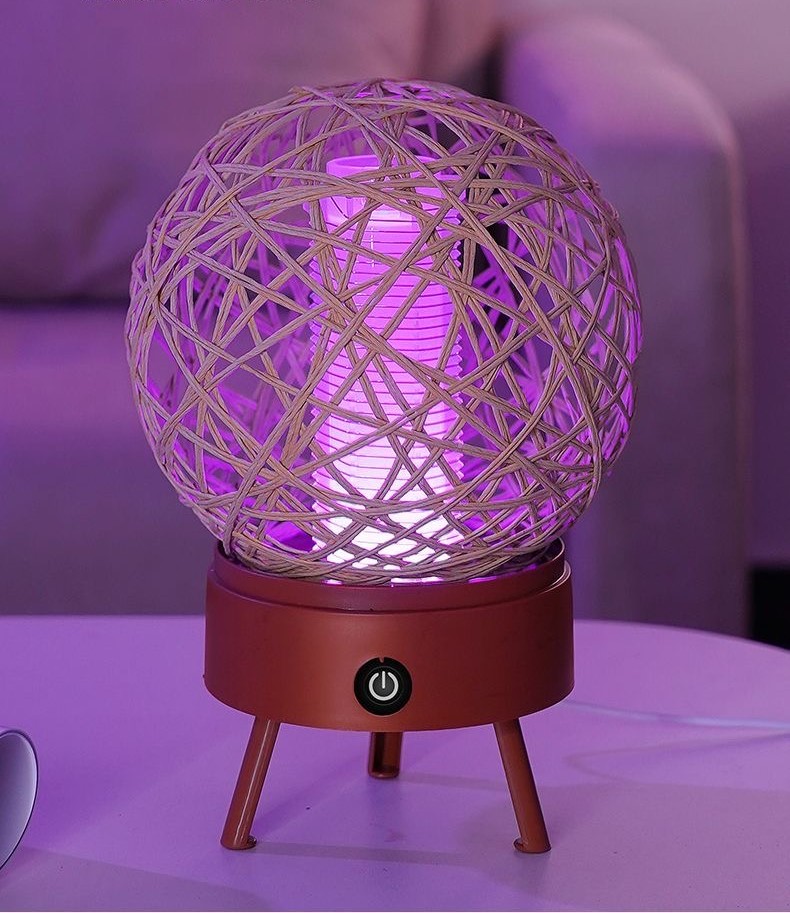
II. Actual Calculation: Electricity Cost of 24-Hour Operation
Just talking about power is not intuitive enough. Let’s calculate the actual cost based on the electricity bill calculation logic (electricity consumption = power × usage time) and the national average residential electricity price of 0.5-0.6 yuan per kilowatt-hour.
2.1 Taking a 10W Household Mosquito Killer Lamp as an Example
10W is the mainstream power of household mosquito killer lamps. If it is kept on 24 hours a day:
- Power conversion: 10W = 0.01 kilowatt (kW);
- Daily electricity consumption: 0.01kW × 24h = 0.24 kilowatt-hours;
- Monthly electricity consumption (based on 30 days): 0.24 kilowatt-hours × 30 = 7.2 kilowatt-hours;
- Monthly electricity cost: 7.2 kilowatt-hours × 0.5 yuan/kilowatt-hour = 3.6 yuan.
2.2 Electricity Cost Differences in Different Scenarios
- A 20W mosquito killer lamp kept on 24 hours a day: the monthly electricity cost is about 7.2 yuan;
- A 10W mosquito killer lamp only turned on at night (10 hours): the monthly electricity cost is less than 1.5 yuan;
- Conclusion: In any scenario, the electricity cost of mosquito killer lamps is negligible.
III. Key Reminders: 2 Details to Avoid "Hidden Electricity Consumption"
Although mosquito killer lamps themselves consume little electricity, improper selection or usage habits may lead to "hidden electricity consumption", which requires special attention.
3.1 Be Cautious When Choosing Models with "Many Additional Functions"
Some mosquito killer lamps are equipped with additional functions such as ultraviolet sterilization, night lights, and aromatherapy heating. These functions will increase the power extra (for example, the power of a model with a night light may increase from 10W to 15W). If you don’t need these functions, choosing a basic model is more energy-saving and can also reduce the purchase cost.
3.2 Avoid Long-Term "Idle Operation"
In seasons with no mosquitoes (such as winter), if the mosquito killer lamp is still plugged in continuously, although the electricity consumption is low, long-term "idle operation" will accelerate the aging of components (such as the lamp tube and power grid), shorten its service life, and thus cause more losses than gains.
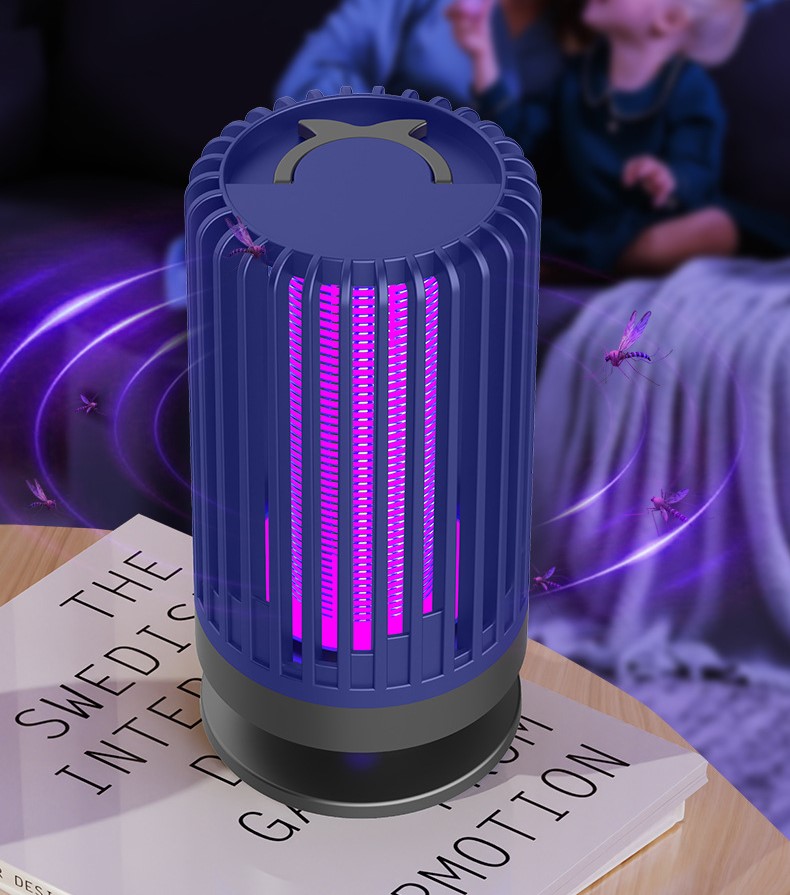
IV. Conclusion: Mosquito Killer Lamps Are an "Energy-Efficient and High-Effective" Mosquito Prevention Choice
The worry about the electricity consumption of mosquito killer lamps essentially comes from the fear of "being expensive and impractical". However, data proves that household mosquito killer lamps are typical energy-efficient electrical appliances.
4.1 Obvious Cost-Effectiveness Advantage
Keeping it on 24 hours a day only costs a few yuan per month, which is more cost-effective than mosquito-repellent liquid (about 5-10 yuan per month) and electric mosquito swatters (which have hidden energy consumption with frequent use). Moreover, it has no chemical residues and is safer for the elderly, children, and pets.
4.2 Core of Selection: Adapting to the Usage Scenario
There is no need to worry about electricity consumption. The key is to focus on "whether it is suitable for the environment": choose a quiet model for the bedroom and a model with a large coverage area for the living room, so that you can spend the mosquito-free season with peace of mind and economy.
Does Mosquito Killer Lamp Emit Radiation
Revealing the Material of Electric Mosquito Swatter Mesh
Related Article

If you’re struggling with annoying mosquitoes, flies, and other flying pests indoors and outdoors, upgrading from traditional manual tools to anElectric Mosquito Swatter is the most efficient solution. Many homeowners and renters search where to buy fly swatter online to find durable, safe, and high-performance electric models that deliver instant pest control.
Where to Buy Fly Swatter
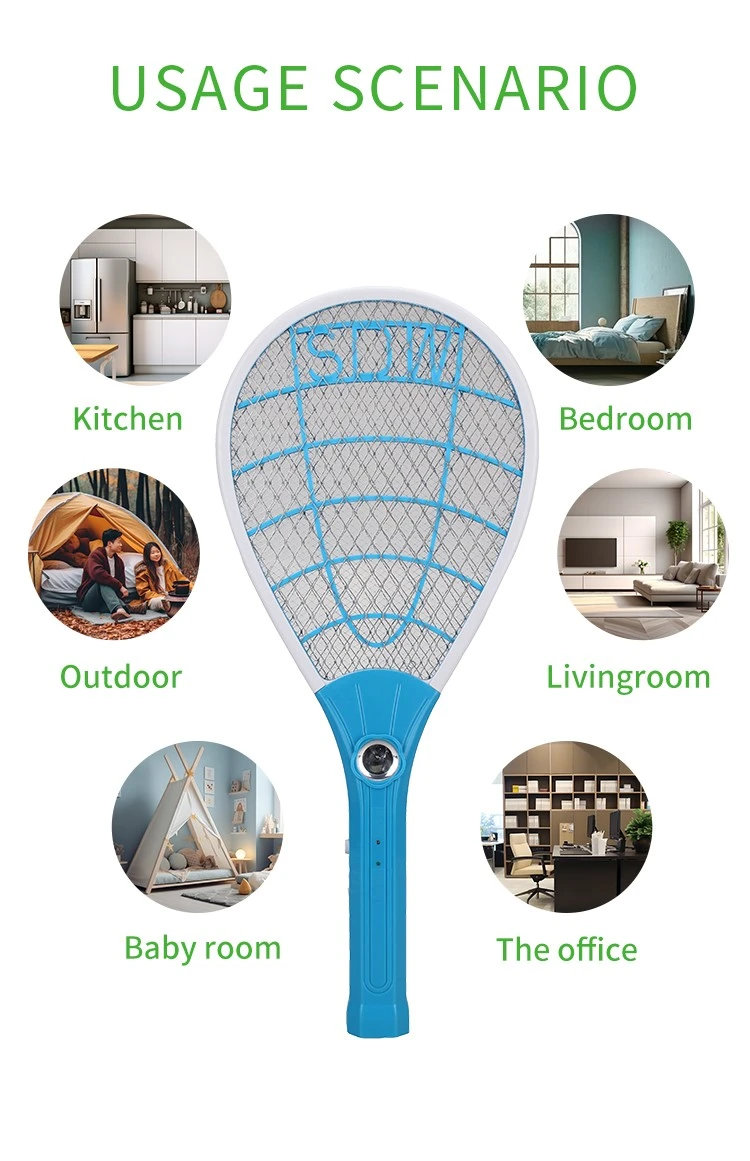
Most importers of electric mosquito swatters obsess over the first order: samples requested, factories vetted, a pre-shipment inspection booked. Then the reorder arrives eight months later and something is off. The grid feels softer. The charge port is a slightly different shade of black. The carton thickness dropped from 350 gsm to 300 gsm. Nothing is catastrophic — but the product no longer matches what your retail customers approved, and quietly, your return rate starts climbing.
How to Keep Mosquito Swatter Quality Consistent Across Repeat Orders
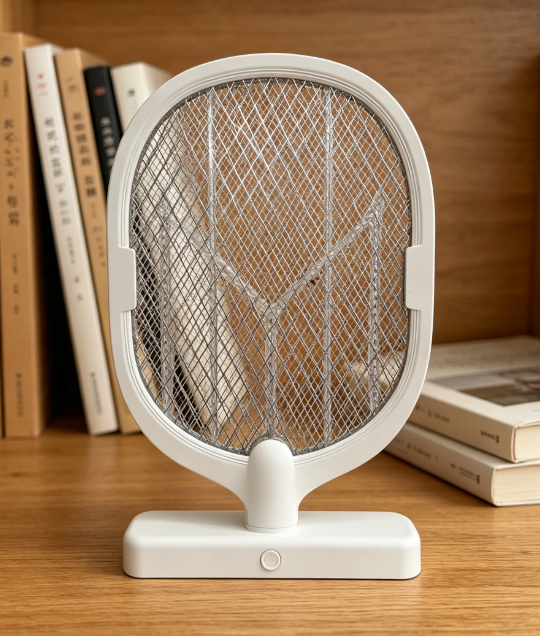
Warranty returns are the silent margin killer in the mosquito control category. A distributor who buys a swatter at $1.80 FOB and retails it at $9.90 can absorb a 1% return rate without noticing — but at 5%, the combined cost of replacement units, reverse logistics, and refund processing erases most of the line's profit.
Common mosquito swatter killer lamp failure modes wholesale spec guide

Digital bathroom scales rank as the second-highest-volume consumer weighing product category, only behind kitchen scales, with distinct market and product characteristics that set them apart from other scale types in importers’ product portfolios.
Digital bathroom body fat-bia-scale wholesale buyers guide