
Does a Mosquito Killer Lamp Emit Radiation
2025-12-05
1. Does a Mosquito Killer Lamp Emit Radiation? First, Understand These Two Types of Radiation
The "radiation" that concerns radiation-sensitive individuals mainly falls into two categories when it comes to mosquito killer lamps, and their safety levels are vastly different:
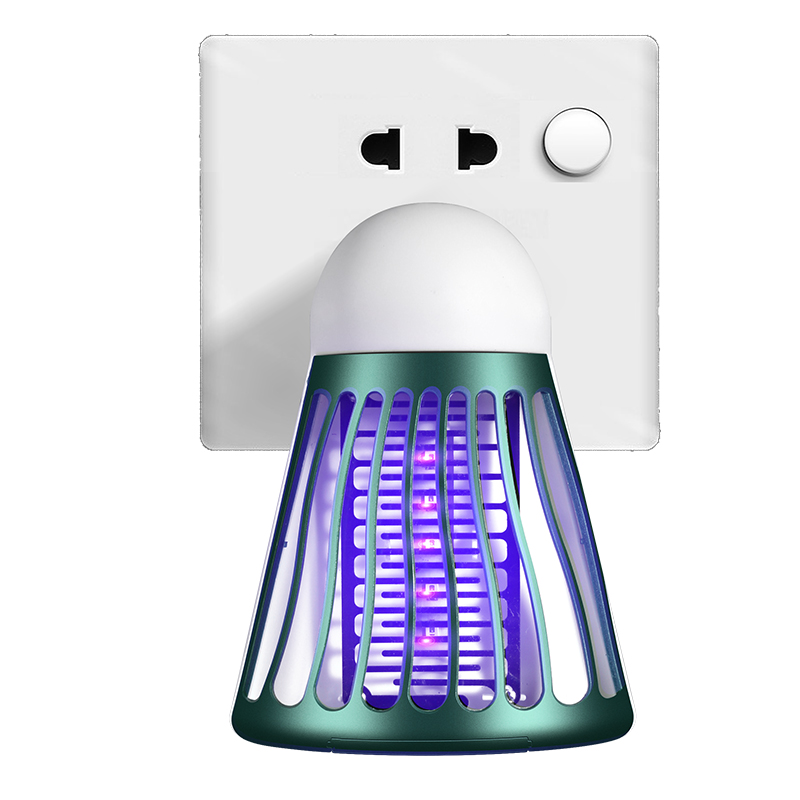
- Electromagnetic Radiation: Negligible for Compliant Products
As a household appliance, a mosquito killer lamp emits weak electromagnetic radiation during operation, but China has long established clear regulations. According to the national standard GB 4343.1-2018, the limit for its radiated disturbance shall be ≤40 dBμV/m. Moreover, products with 3C certification (category code 0809) must meet the requirements for circuit safety and electromagnetic compatibility. Actual tests show that the electromagnetic radiation intensity of qualified mosquito killer lamps is far lower than that of mobile phones and microwave ovens. Beyond a distance of 1 meter, it is almost the same as the ambient background radiation, so radiation-sensitive individuals need not panic excessively.
- Ultraviolet Radiation: Risk Depends on Distance
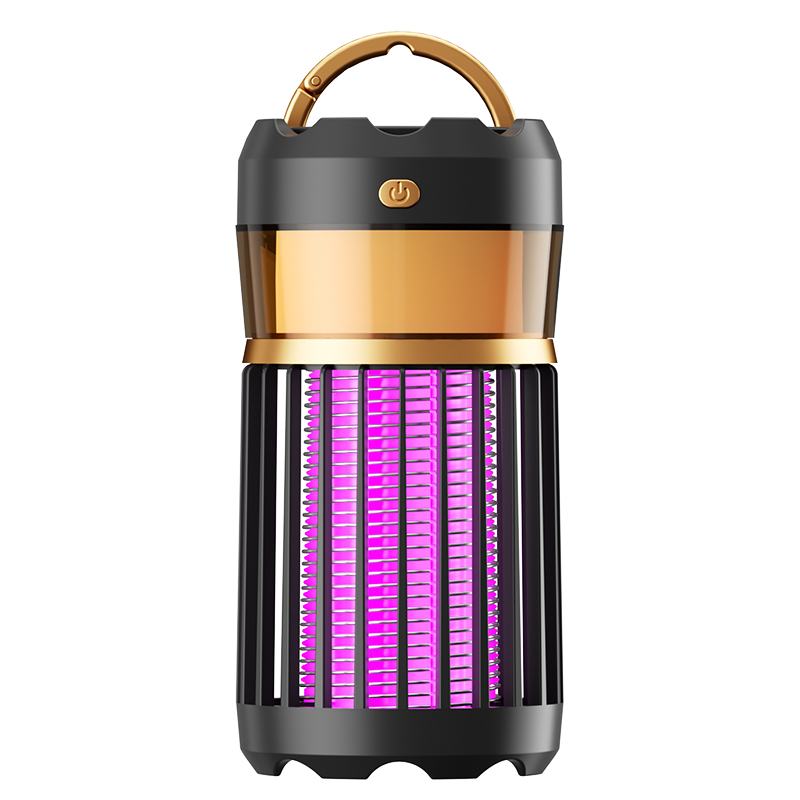
The purple light of a mosquito killer lamp mainly consists of long-wave ultraviolet rays (UVA, 320-400 nm), which is the key to attracting mosquitoes. The national standard GB 4706.76 mandates that the ultraviolet radiation level at a distance of 1 meter shall be <1 mW/m², which is only 1/1000 of the intensity of midday sunlight. However, close-range exposure should be guarded against - experiments by Zhejiang University show that continuous exposure at a distance of 10 cm for 1 hour can increase the skin darkening index by 10%-20%.
2. Three Types of Potential Hazards That Radiation-Sensitive Individuals Should Watch Out For
Radiation is not the only hidden danger; improper use can also cause the following problems:
- Direct Ultraviolet Damage: Staring at the light source for a long time (even just 10 seconds) may lead to corneal epithelial detachment, causing symptoms such as photophobia and tearing. Long-term accumulation can also accelerate skin aging. Children have thin lens, and pregnant women have sensitive skin, so they face higher risks.
- Invisible Ozone Irritation: Some electric shock-type mosquito killer lamps produce ozone due to high-voltage air ionization. The ozone concentration of low-quality products can reach 0.1 mg/m³, far exceeding the national standard limit of 0.05 mg/m³. Inhalation by radiation-sensitive individuals can easily trigger coughing and asthma.
- Debris and Noise Disturbance: The insect debris generated by electric shock-type mosquito killer lamps may spread allergens, and the fan noise of low-quality products may also affect the sleep of radiation-sensitive individuals.
3. Exclusive Usage Guide for Radiation-Sensitive Individuals
By following the principle of "choosing the right product + using it correctly", risks can be minimized:
1. Three Golden Rules for Purchase
- Recognize dual certifications: The product must have the 3C mark. Prioritize products labeled "ozone-free" and "LED light source", such as models with ultraviolet leakage <10 μW/cm²;
- Choose the right type: Suction-type (wind-suction) or sticky trap-type lamps are safer than electric shock-type ones, with no sparks and nearly zero ozone emission;
- Avoid low-price traps: Sampling inspections show that 10% of unqualified products (without necessary certifications) have excessive ozone, and their ultraviolet intensity can even reach 80 μW/cm² (8 times the national standard).
2. Four Key Details for Usage
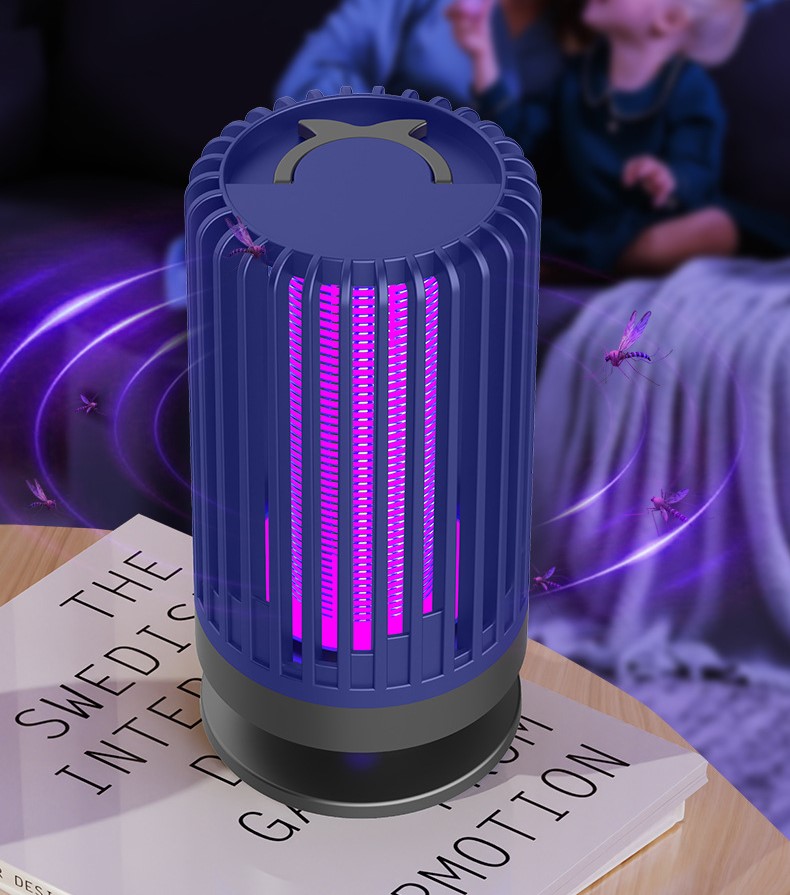
- Distance: When placed in the bedroom, it should be at least 2 meters away from the bed. Install a lampshade for children's rooms to avoid direct light exposure;
- Time: Turn it on during the peak mosquito activity period (6-9 PM), and turn it off 1 hour before people enter the room. Do not use it overnight;
- Location: Place it in the corner or on the windowsill, away from frequently occupied areas such as sofas and bed heads;
- Maintenance: Clean the mosquito storage box weekly to prevent bacteria growth from debris.
3. Alternative Solutions for Greater Peace of Mind
If you still have concerns, you can switch to physical mosquito prevention methods: 304 stainless steel screen windows (with a pore size of 0.8 mm) + gridless electric mosquito swatters, or choose lemon eucalyptus oil mosquito repellent patches (SGS-certified, suitable for people over 3 years old).
No More Mosquito Troubles
Can Insecticide Sprays Really Poison You
Related Article

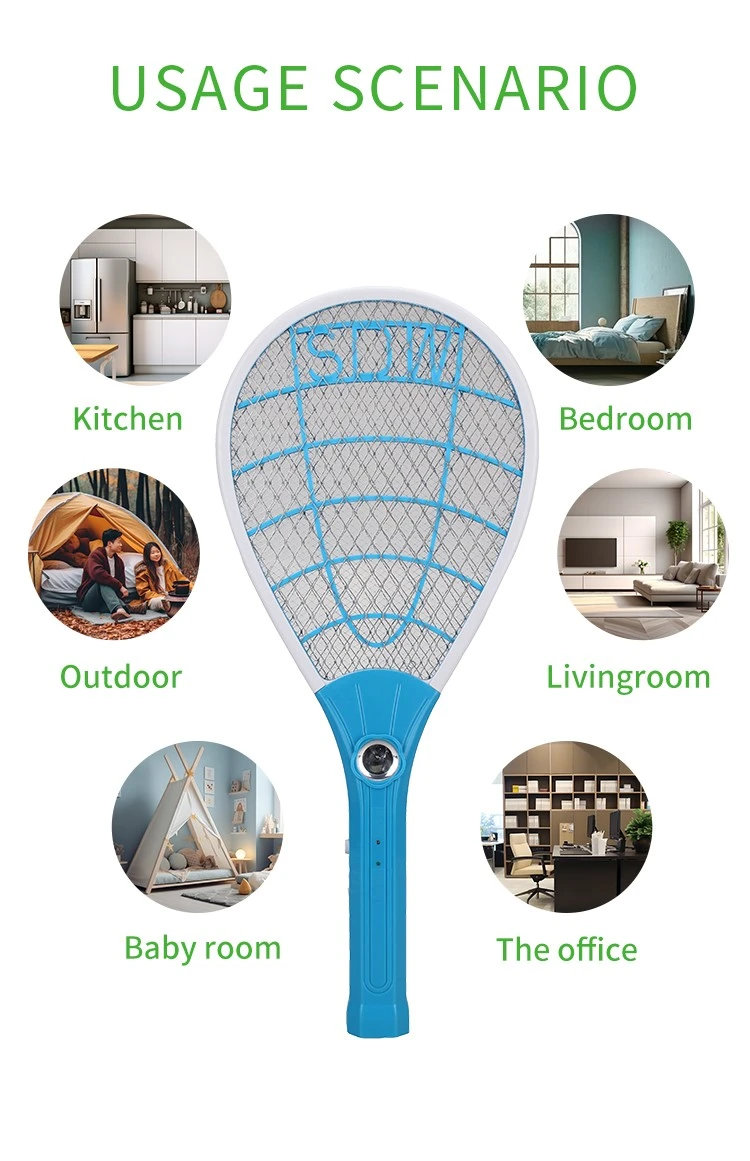
If you’re struggling with annoying mosquitoes, flies, and other flying pests indoors and outdoors, upgrading from traditional manual tools to anElectric Mosquito Swatter is the most efficient solution. Many homeowners and renters search where to buy fly swatter online to find durable, safe, and high-performance electric models that deliver instant pest control.
Where to Buy Fly Swatter
Most importers of electric mosquito swatters obsess over the first order: samples requested, factories vetted, a pre-shipment inspection booked. Then the reorder arrives eight months later and something is off. The grid feels softer. The charge port is a slightly different shade of black. The carton thickness dropped from 350 gsm to 300 gsm. Nothing is catastrophic — but the product no longer matches what your retail customers approved, and quietly, your return rate starts climbing.
How to Keep Mosquito Swatter Quality Consistent Across Repeat Orders
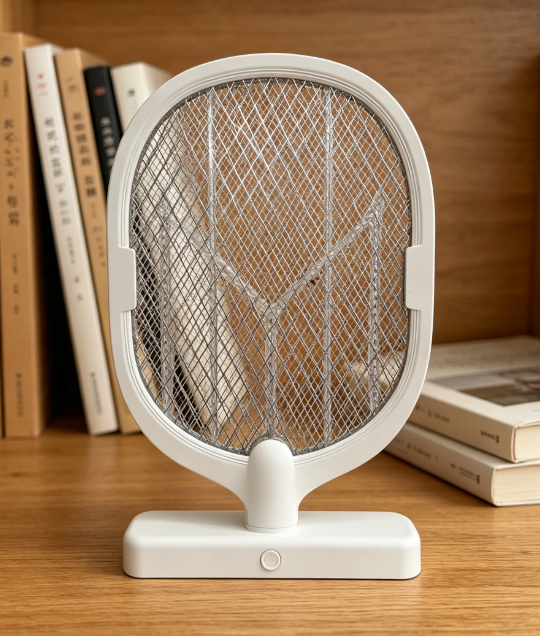
Warranty returns are the silent margin killer in the mosquito control category. A distributor who buys a swatter at $1.80 FOB and retails it at $9.90 can absorb a 1% return rate without noticing — but at 5%, the combined cost of replacement units, reverse logistics, and refund processing erases most of the line's profit.
Common mosquito swatter killer lamp failure modes wholesale spec guide

Digital bathroom scales rank as the second-highest-volume consumer weighing product category, only behind kitchen scales, with distinct market and product characteristics that set them apart from other scale types in importers’ product portfolios.
Digital bathroom body fat-bia-scale wholesale buyers guide