
Does a Mosquito Killer Lamp Make You Darker
2025-09-12
Does a Mosquito Killer Lamp Make You Darker? An Article to Clarify the Truth
Some people think that since mosquito-killing lamps emit purple light, it must be ultraviolet rays that can darken the skin. They may worry, "If I'm exposed to a mosquito-killing lamp every day, will I get tanned like being in the sun?" Today, we will break down this question from a scientific perspective to help everyone thoroughly understand the relationship between mosquito-killing lamps and "skin darkening".
I. First, Understand: What is the Core Principle of Skin "Getting Darker"?
To determine whether a mosquito killer lamp makes you darker, we first need to clarify the essence of "getting darker" — melanocytes produce a large amount of melanin when stimulated, and in daily life, the most important stimulant is ultraviolet (UV) radiation.
1.1 The "Culprits" of Darkening: UVA and UVB in Ultraviolet Rays
Ultraviolet rays from the sun are divided into UVA (long-wave ultraviolet), UVB (medium-wave ultraviolet), and UVC (short-wave ultraviolet). Among them, UVA and UVB are the main causes of skin darkening:
- UVB (Medium-Wave Ultraviolet): It has weak penetrating power but acts directly on the outer layer of the skin. It activates melanocytes and promotes the production of melanin, making it a direct factor leading to "sun tanning". It may also cause sunburn and redness.
- UVA (Long-Wave Ultraviolet): It has strong penetrating power and can reach the dermis layer of the skin. It causes the already produced melanin to spread and precipitate, which not only aggravates skin dullness but also accelerates skin aging and the appearance of fine lines.
In short, only when the skin is exposed to "sufficient and harmful ultraviolet rays" for a long time will the melanin production mechanism be triggered, eventually leading to darkening.
II. Then Analyze: Does the Light from Mosquito Killer Lamps Produce "Skin-Darkening Ultraviolet Rays"?
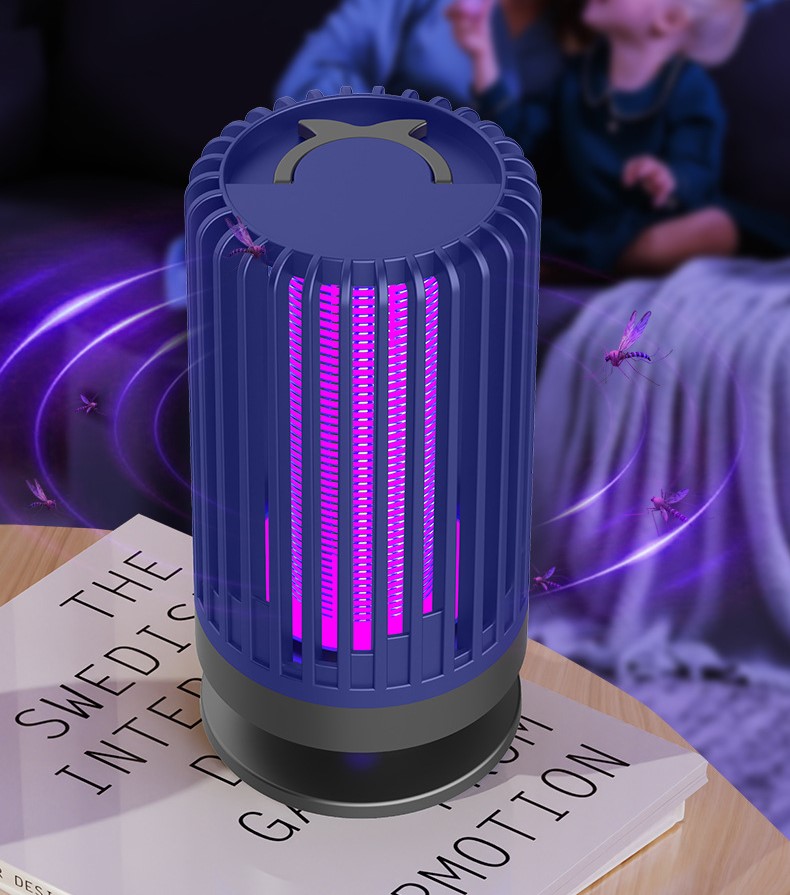
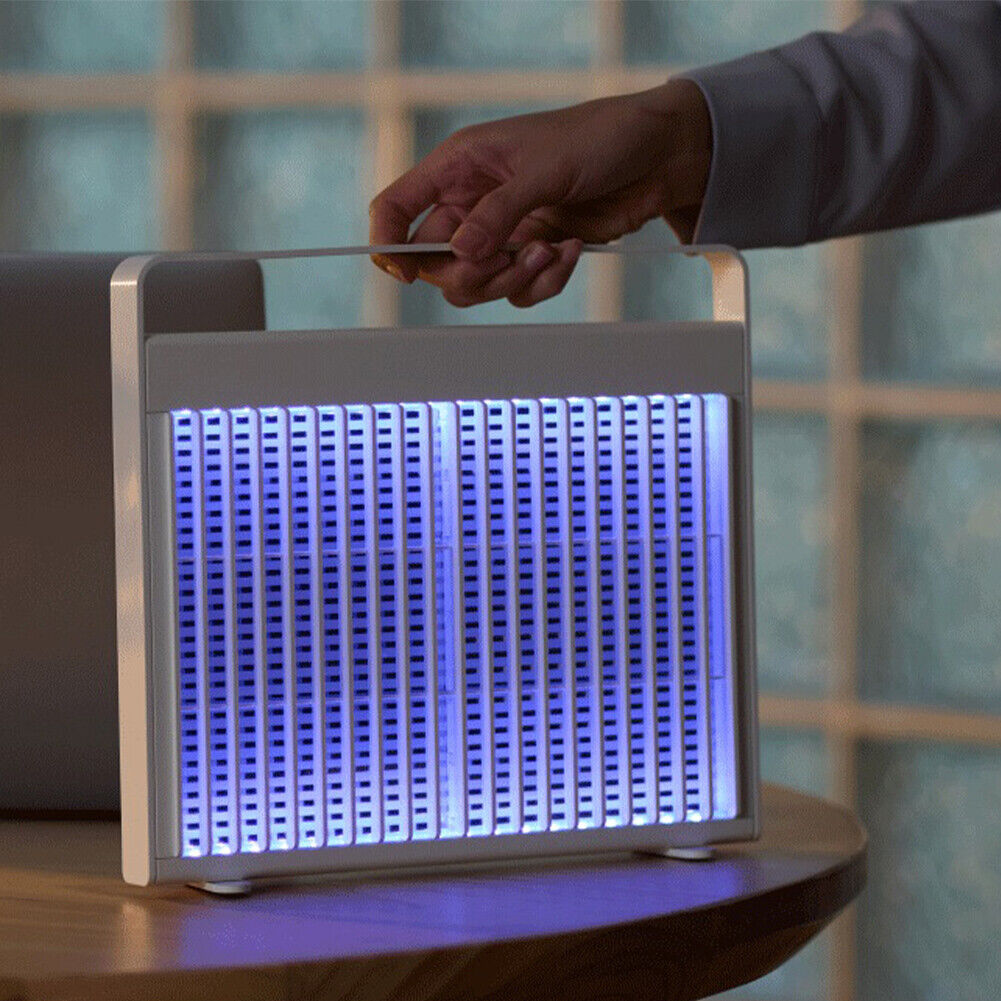
The core function of mainstream mosquito killer lamps on the market is to "attract and kill mosquitoes". The design of their light is essentially different from the ultraviolet rays in sunlight, and they hardly produce ultraviolet rays that can darken the skin. We can understand this from two aspects: "working principle" and "practical impact".
2.1 The "Mosquito-Attracting Light" of Mosquito Killer Lamps: Weak UVA with Extremely Low Power
There are mainly two ways for mainstream mosquito killer lamps to attract mosquitoes, and the one related to "light" is "UV light attraction":
- Mosquitoes have a natural phototaxis towards "ultraviolet light with a wavelength of 365-380nm". Mosquito killer lamps use this characteristic to emit light of this wavelength to attract mosquitoes, and then kill them through electric grid shock or fan negative pressure.
- However, it should be noted that the ultraviolet light in this wavelength range belongs to the "weak UVA band". Moreover, the UV power of a mosquito killer lamp is usually only 3-5 watts, which is far lower than the intensity threshold of "harmful ultraviolet rays" specified in sunscreen protection standards (generally, a power of more than 10 watts may pose a slight risk of darkening), so it is not strong enough to stimulate melanocytes.
2.2 The "Usage Scenario" of Mosquito Killer Lamps: Far from the Human Body with Short Irradiation Time
In addition to the harmless nature of the light itself, the way mosquito killer lamps are used also determines that they will not make you darker:
- Their design purpose is to "attract mosquitoes" rather than "irradiate the human body". Therefore, they are mostly recommended to be installed in areas far from daily activities, such as corners and wall edges, with a light coverage range of only 1-2 meters.
- In daily use, we will not be exposed to their light "at close range for a long time" like we are to the sun. The short-term irradiation when passing by occasionally results in a negligible cumulative dose of ultraviolet rays, which is not enough to trigger melanin production.
III. Clarify Doubts: Why Do Some People Feel "Skin Dullness After Using Mosquito Killer Lamps"?
Some people report that "their skin condition worsens after using mosquito killer lamps", but this is not caused by "tanning" from the lamp. Instead, it is due to the interference of other factors:
3.1 Skin is Prone to "Dullness" in Summer
In summer, the temperature is high and oil secretion is vigorous. If the skin is not cleaned in time, the accumulation of cuticles will make the skin look dull. At the same time, the ultraviolet rays in summer are strong. If daily sun protection is not done properly, the skin may darken due to sun exposure even without using a mosquito killer lamp. People tend to mistakenly attribute this "tanning" to the mosquito killer lamp.
3.2 The Impact of Living Habits or Skincare Products
- Staying up late, eating greasy food, and insufficient water intake will slow down skin metabolism, leading to poor complexion and uneven skin tone.
- If you use skincare products containing ingredients such as niacinamide and retinoic acid at the same time, you may experience temporary dullness in the early stage due to skin tolerance issues, which has nothing to do with the mosquito killer lamp.
IV. 3 Precautions for Using Mosquito Killer Lamps (Unrelated to "Darkening" but Related to Safety)
Although mosquito killer lamps do not make you darker, using them correctly can improve safety and mosquito-killing efficiency:
- Choose Regular Products: Prioritize brands with 3C certification to avoid additional radiation or safety hazards caused by circuit faults in low-quality mosquito killer lamps.
- Avoid Direct Irradiation to the Bedside: The strong light of mosquito killer lamps may affect the secretion of melatonin. Long-term use facing the bedside may lead to a decline in sleep quality.
- Clean the Mosquito Storage Box Regularly: If the bodies of killed mosquitoes accumulate for a long time, they may breed bacteria and produce odors. It is recommended to clean it once or twice a week.
V. Conclusion: Mosquito Killer Lamps Do Not Make You Darker; Summer Sun Protection is the Key
Based on the above analysis, mosquito killer lamps will not make you darker at all — their UV light intensity is low and their coverage range is small. They neither meet the conditions to stimulate melanin production nor irradiate the human body for a long time like the sun.
Instead of worrying about mosquito killer lamps, we should focus on summer sun protection: Apply a sufficient amount of sunscreen (SPF30+, PA+++ or above) 15 minutes before going out and reapply it every 2-3 hours. When engaging in outdoor activities for a long time, match it with a hat, sun umbrella, and sun-protective clothing to reduce UV damage to the skin from the source. This is the core of preventing darkening and protecting the skin.
Do I Need to Turn My Bug Zapper on and Off Each Time I Use It
Do Mosquito Lamps Need to Be Kept On All the Time
Related Article

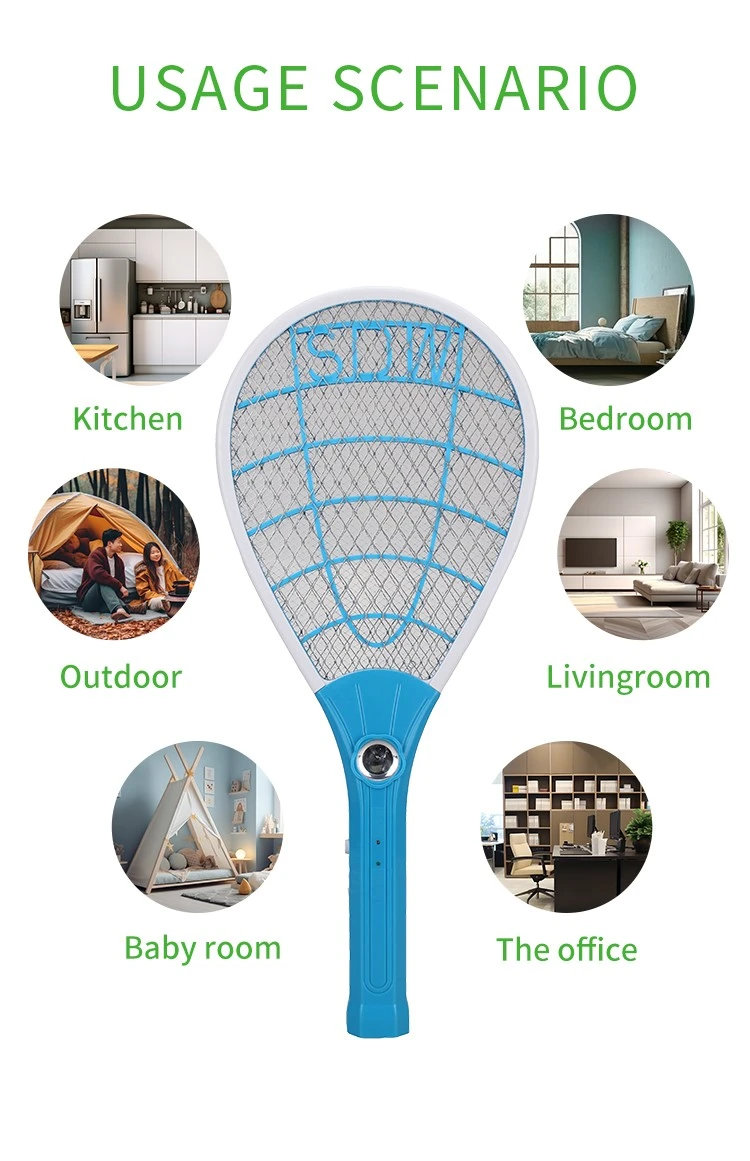
If you’re struggling with annoying mosquitoes, flies, and other flying pests indoors and outdoors, upgrading from traditional manual tools to anElectric Mosquito Swatter is the most efficient solution. Many homeowners and renters search where to buy fly swatter online to find durable, safe, and high-performance electric models that deliver instant pest control.
Where to Buy Fly Swatter
Most importers of electric mosquito swatters obsess over the first order: samples requested, factories vetted, a pre-shipment inspection booked. Then the reorder arrives eight months later and something is off. The grid feels softer. The charge port is a slightly different shade of black. The carton thickness dropped from 350 gsm to 300 gsm. Nothing is catastrophic — but the product no longer matches what your retail customers approved, and quietly, your return rate starts climbing.
How to Keep Mosquito Swatter Quality Consistent Across Repeat Orders
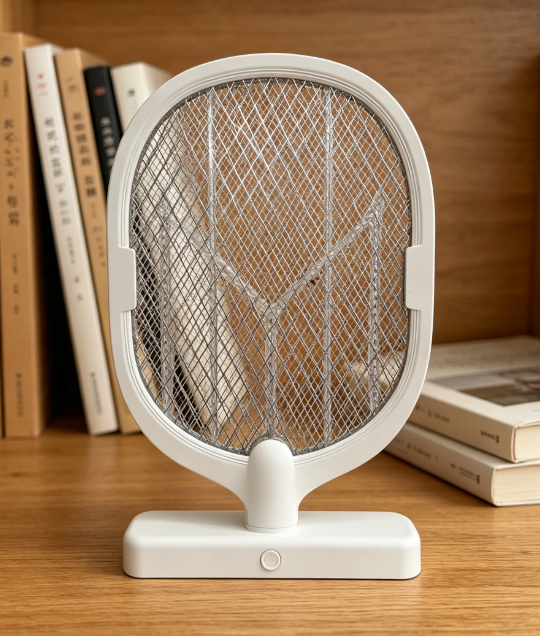
Warranty returns are the silent margin killer in the mosquito control category. A distributor who buys a swatter at $1.80 FOB and retails it at $9.90 can absorb a 1% return rate without noticing — but at 5%, the combined cost of replacement units, reverse logistics, and refund processing erases most of the line's profit.
Common mosquito swatter killer lamp failure modes wholesale spec guide

Digital bathroom scales rank as the second-highest-volume consumer weighing product category, only behind kitchen scales, with distinct market and product characteristics that set them apart from other scale types in importers’ product portfolios.
Digital bathroom body fat-bia-scale wholesale buyers guide