
Does a Mosquito Killer Lamp Raise Indoor Temperature
2025-10-03
Does a Mosquito Killer Lamp Raise Indoor Temperature? The Answer Might Surprise You
As mosquito season kicks into high gear, mosquito killer lamps have become a go-to "mosquito-fighting tool" for many households. But a friend recently asked me: "When I have the mosquito killer lamp on at home, I always feel the air is a bit stuffy—does it raise the indoor temperature?" In fact, this question needs to be analyzed based on the working principle of the mosquito killer lamp, its power rating, and the usage scenario. Today, let’s take a closer look at this easily overlooked detail.
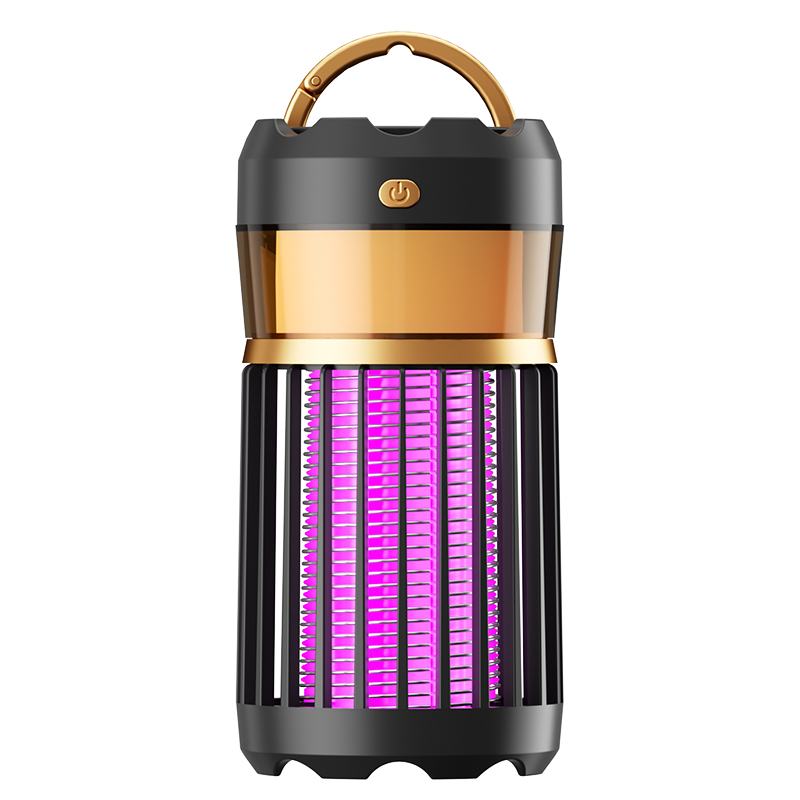
1. Heat Sources of Mosquito Killer Lamps: Significant Differences Between Types
To determine whether a mosquito killer lamp can cause indoor temperature rise, we first need to clarify its "heat sources". Currently, mainstream mosquito killer lamps on the market are mainly divided into three types, and the heat generation mechanism and intensity of different types vary significantly:
1.1 Physical Mosquito Killer Type (Electric Shock Type): Dual Heat Sources from Lamp Tube + Power Grid
This is the most familiar type of mosquito killer lamp. Its principle is to attract mosquitoes through an ultraviolet (UV) lamp tube; when mosquitoes get close, they are instantly killed by an electric shock from a high-voltage power grid. Heat is generated from two main parts: first, energy loss during the operation of the UV lamp tube, which is released in the form of heat; second, the instantaneous energy consumption of the high-voltage power grid when it electrocutes mosquitoes, which also produces a small amount of heat. However, its power rating is usually not high, mostly ranging from 10 to 20 watts—similar to the power of a household night light—so the heat intensity is relatively mild.
1.2 Sticky Trap Mosquito Killer Lamp: Single Heat Source from Lamp Tube Only
Sticky trap mosquito killer lamps do not have a high-voltage power grid. Their core components are a UV lamp tube and an adhesive board: the lamp tube attracts mosquitoes, and the mosquitoes get stuck when they land on the adhesive board. Therefore, their heat is only generated from the UV lamp tube, with no additional heat from a power grid. Their power rating is lower than that of electric shock type lamps, generally ranging from 8 to 15 watts, which is close to the heat output of a regular energy-saving light bulb.
1.3 Photocatalyst Mosquito Killer Lamp: No Additional Heat Sources
This type of mosquito killer lamp adds a photocatalyst coating to the UV lamp tube. When UV light irradiates the photocatalyst, it decomposes organic matter in the air to further attract mosquitoes. However, the photocatalyst reaction itself does not generate heat; the heat source still comes from the UV lamp tube. Therefore, its heat generation is basically the same as that of the sticky trap type, belonging to the low-heat category.
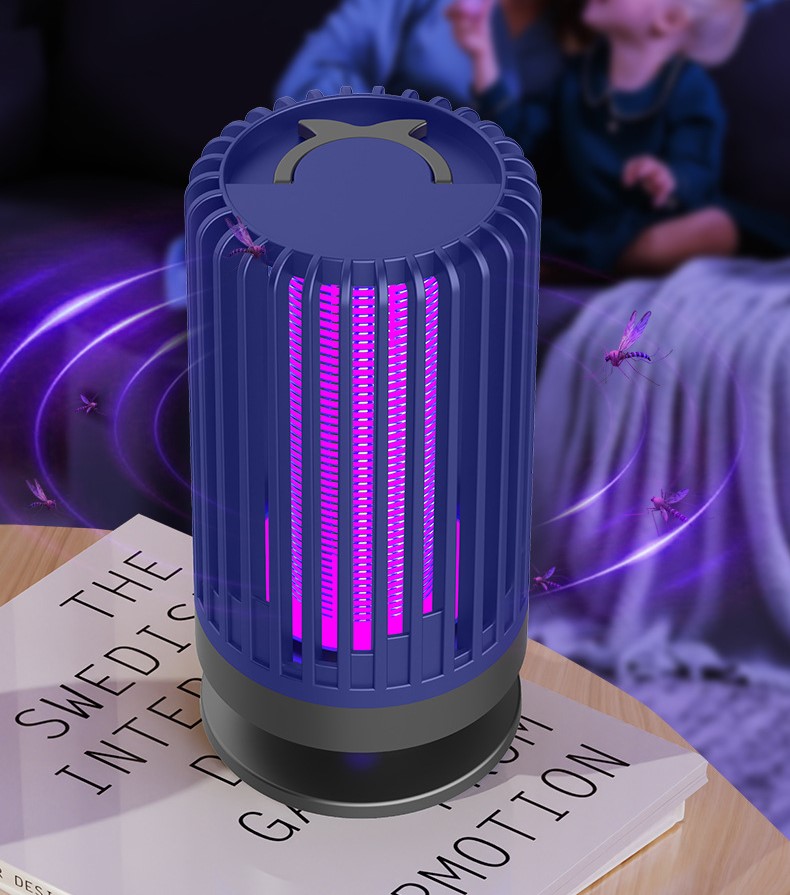
2. Indoor Temperature Changes: Influenced by Space and Usage Scenarios
Whether the heat generated by a mosquito killer lamp can significantly raise the indoor temperature cannot be generalized. It mainly depends on the space size and whether there are other temperature control devices. Let’s look at it more intuitively based on actual scenarios:
2.1 Regular Household Spaces (10-20 Square Meters): Temperature Difference Negligible
In common spaces such as bedrooms and living rooms, even if the mosquito killer lamp is turned on continuously for 8 hours, a thermometer will show that the indoor temperature only rises by 0.5-1°C. This temperature difference is so small that the human body can barely feel it, and it will not affect daily activities or sleep.
2.2 Small Enclosed Spaces (Less Than 5 Square Meters): Slight Stuffiness May Occur
If used in small, enclosed spaces such as bathrooms or storage rooms, heat cannot dissipate in a timely manner. After continuous use for 3-4 hours, the indoor temperature may rise by 1-2°C. At this point, you may faintly feel a bit stuffy, but it usually does not cause discomfort, and the temperature will quickly return to normal after turning off the lamp.
2.3 Used with Air Conditioning: No Temperature Impact Whatsoever
When the air conditioner is on in summer, the small amount of heat generated by the mosquito killer lamp is quickly offset by the cooling system of the air conditioner, and the indoor temperature is not affected at all. In this case, there is no need to worry about the heat generation of the mosquito killer lamp, and it can be used with confidence.
3. Safe and Efficient Use of Mosquito Killer Lamps: 3 Practical Tips
Although mosquito killer lamps have little impact on indoor temperature, to ensure both safety and mosquito-killing efficiency, you can pay attention to the following points when using them:
3.1 Placement: Keep at Least 1.5 Meters Away from the Human Body
Although the UV light and slight heat of mosquito killer lamps are harmless to the human body, if they are placed too close (less than 1 meter) to areas where people frequently stay, such as bedside or sofas, prolonged exposure may cause dry skin. It is recommended to place the lamp in a corner, at a high position, or at least 1.5 meters away from people—this way, it will not affect its use and will be more comfortable.
3.2 Regular Cleaning: Wipe Off Dust Weekly
No matter what type of mosquito killer lamp it is, after 1-2 weeks of use, dust will accumulate on the lamp tube and the outer shell. Dust can block heat dissipation, which may cause a slight increase in local temperature, and it will also affect the penetration of UV light, reducing the mosquito-killing effect. It is recommended to gently wipe off the dust with a dry cloth every week to keep the device clean.
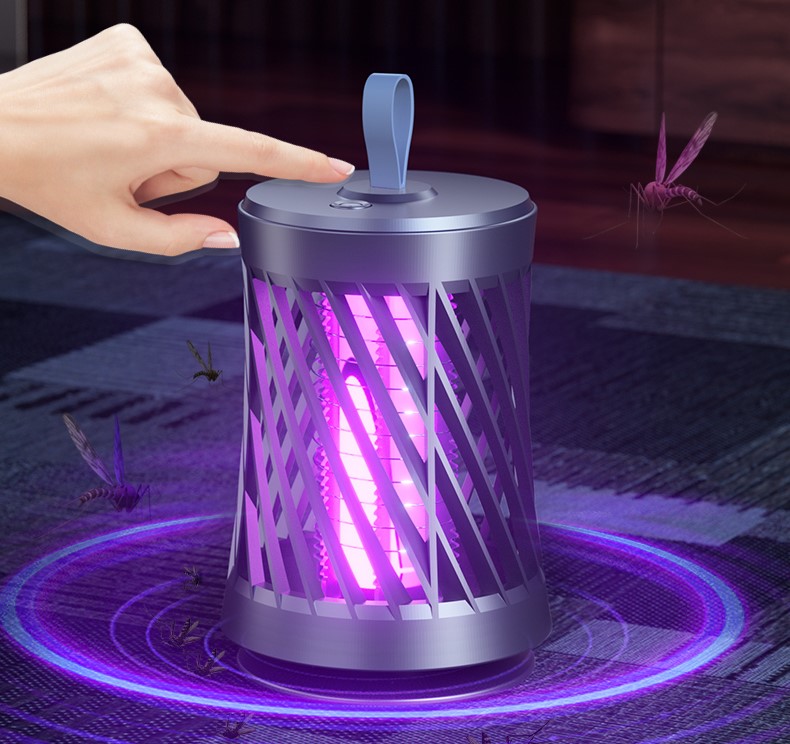
3.3 Rational On/Off: No Need to Turn On During the Day
Mosquitoes are mainly active at night, and there are few mosquitoes indoors during the day, so there is no need to keep the mosquito killer lamp on all the time. Turning it off during the day not only reduces unnecessary heat generation but also saves electricity and extends the service life of the lamp tube. You can just turn it on before going to bed at night.
4. Conclusion: No Need to Worry About Heat from Mosquito Killer Lamps—Focus on Correct Use
In summary, mosquito killer lamps do generate a small amount of heat and may cause a slight increase in indoor temperature, but this change is very small and negligible in most household scenarios, and it will not affect daily life. Instead of worrying about the temperature issue, it is better to focus on "correct use"—choosing the right placement, cleaning it regularly, and turning it on/off rationally. Only in this way can the mosquito killer lamp truly play its role as a "mosquito-fighting tool".
If you have other questions, such as "Will the UV light from mosquito killer lamps hurt eyes?" or "How often should the adhesive board be replaced?", please leave a comment below, and I will reply in a timely manner~
Will the UV Light from Mosquito Killer Lamps Hurt Eyes
5 Practical DIY Mosquito Repellent Tips
Related Article

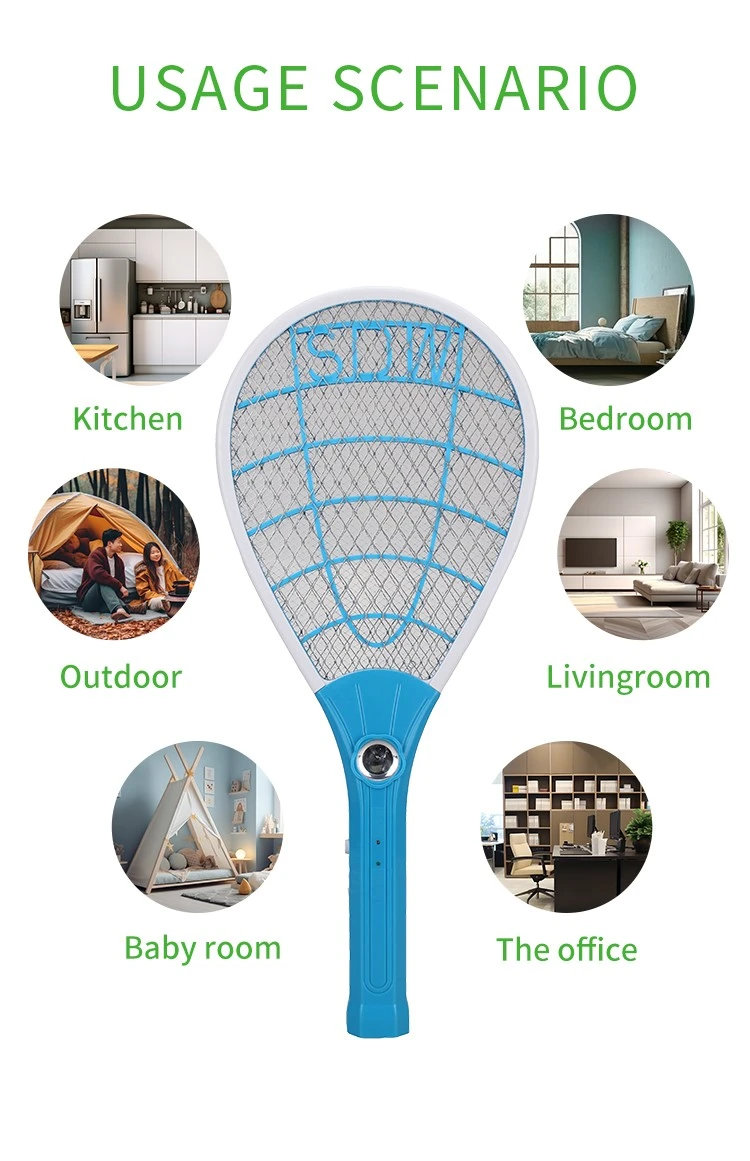
If you’re struggling with annoying mosquitoes, flies, and other flying pests indoors and outdoors, upgrading from traditional manual tools to anElectric Mosquito Swatter is the most efficient solution. Many homeowners and renters search where to buy fly swatter online to find durable, safe, and high-performance electric models that deliver instant pest control.
Where to Buy Fly Swatter
Most importers of electric mosquito swatters obsess over the first order: samples requested, factories vetted, a pre-shipment inspection booked. Then the reorder arrives eight months later and something is off. The grid feels softer. The charge port is a slightly different shade of black. The carton thickness dropped from 350 gsm to 300 gsm. Nothing is catastrophic — but the product no longer matches what your retail customers approved, and quietly, your return rate starts climbing.
How to Keep Mosquito Swatter Quality Consistent Across Repeat Orders
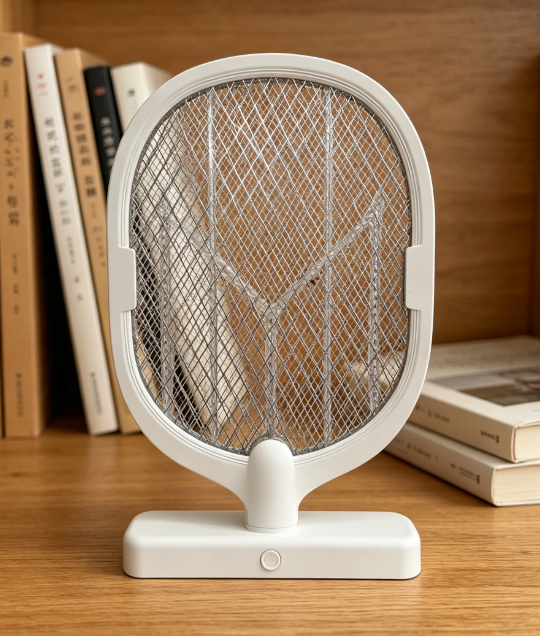
Warranty returns are the silent margin killer in the mosquito control category. A distributor who buys a swatter at $1.80 FOB and retails it at $9.90 can absorb a 1% return rate without noticing — but at 5%, the combined cost of replacement units, reverse logistics, and refund processing erases most of the line's profit.
Common mosquito swatter killer lamp failure modes wholesale spec guide

Digital bathroom scales rank as the second-highest-volume consumer weighing product category, only behind kitchen scales, with distinct market and product characteristics that set them apart from other scale types in importers’ product portfolios.
Digital bathroom body fat-bia-scale wholesale buyers guide