
Does a mosquito-killing lamp affect the growth of plants at home
2025-11-24
Does a mosquito-killing lamp affect the growth of plants at home?
When mosquito season hits, many people place mosquito lamps on their balconies or in living rooms. But looking at the thriving pothos, succulents, and monsteras nearby, it’s hard not to wonder: Will the light and heat from mosquito lamps affect plant growth? After all, plants “feed” on light—if the light from mosquito lamps “interferes” with photosynthesis, wouldn’t that be not worth the cost?
In fact, the answer isn’t one-size-fits-all—it mainly depends on what type of mosquito lamp you choose and how you use it.
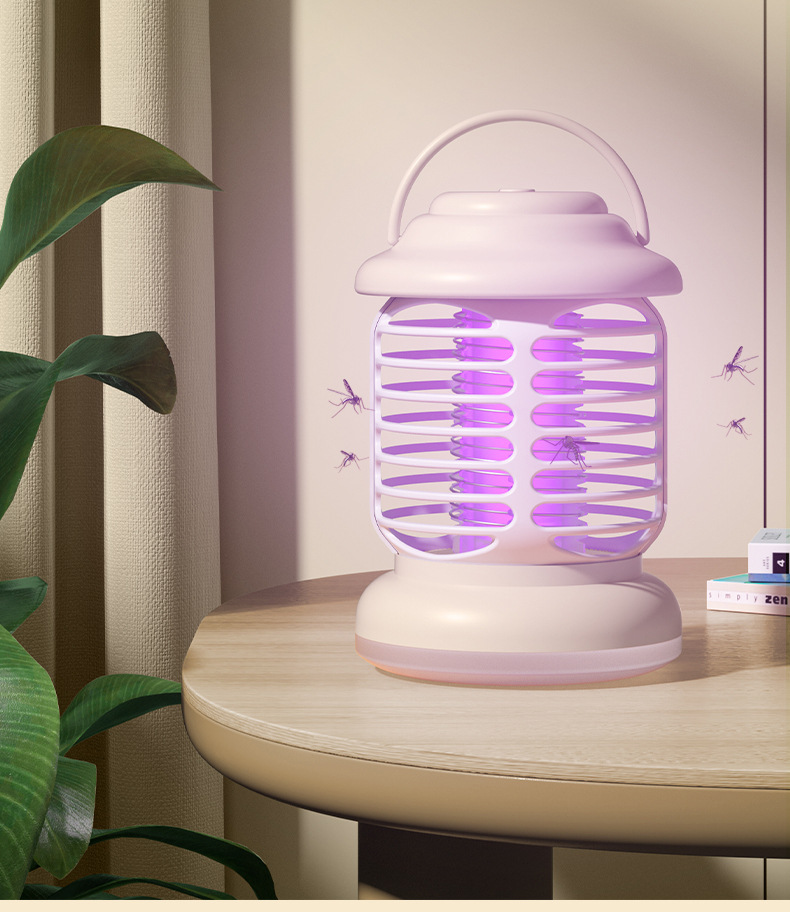
II. Different Mosquito Lamps Have Vastly Different Effects on Plants
There are three main types of household mosquito lamps, and their impacts on plants vary greatly. Let’s break them down one by one:
1. UV Mosquito Lamps (Most Common): Minimal Short-Term Impact, Long-Term Close-Range Risks
These lamps attract mosquitoes by emitting UVA ultraviolet light (wavelength: 320-400nm), then kill them via electric shock or sticky traps.
- What kind of “photosynthetic light” do plants need? Primarily red light (620-760nm) and blue light (400-500nm)—only these two types of light can drive photosynthesis.
- UVA ultraviolet light isn’t on plants’ “core needs list.” Additionally, the UV intensity of household mosquito lamps is very low (far lower than that in sunlight). So, when used for short periods and at a distance (e.g., over 1 meter from plants), they barely affect plants.
However, there are two pitfalls to avoid:
① Don’t use a mosquito lamp as a “grow light”! Some plant lovers think, “Leaving the lamp on lets plants get more light,” but UVA doesn’t help photosynthesis at all. Long-term close-range exposure (e.g., placed right next to succulents or orchids) can even cause leaf aging and darkening (such as abnormal sunspots on succulents).
② Avoid direct exposure to sensitive plants: Shade-loving plants like fittonia and ferns may develop yellow leaves if exposed to even weak UV light for a long time.
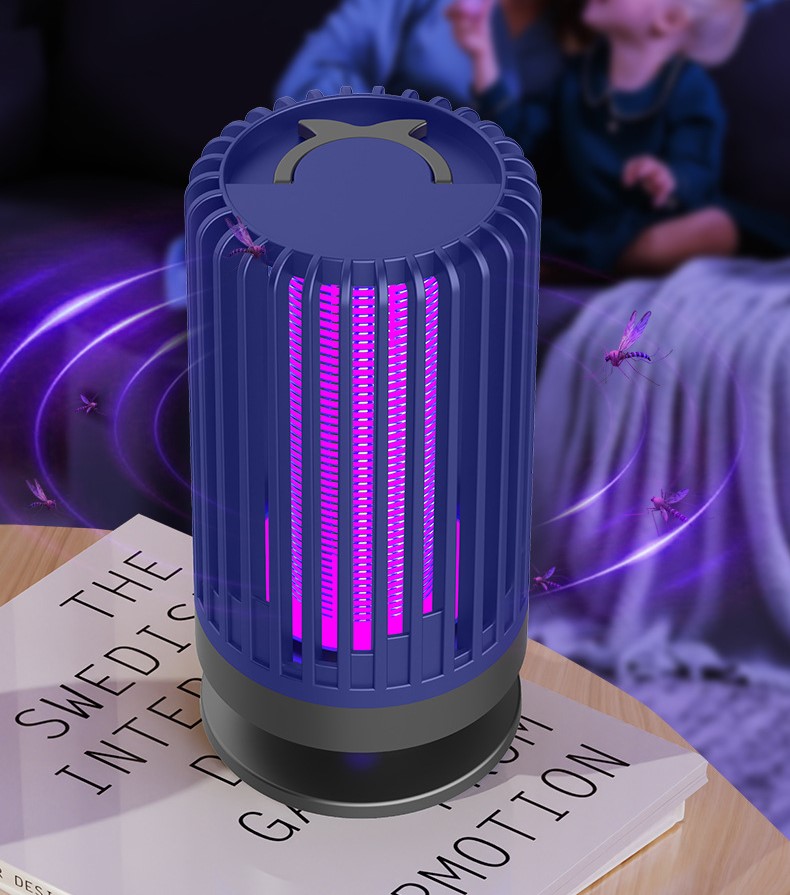
2. Electric Shock Mosquito Lamps: Watch for “Heat Scalding,” No Need to Fear Electromagnetic Radiation
These lamps add a “high-voltage grid” to the UV lamp design—when mosquitoes touch the grid, they’re electrocuted, producing small sparks and a tiny amount of high heat in an instant.
- The biggest risk is “splashing heat”: Although the heat from a single electric shock is minimal, if plant leaves are extremely close to the grid (e.g., within a few centimeters), occasional sparks may scald the leaves (especially thin-leaved plants like pothos and fiddle-leaf figs).
- What about electromagnetic radiation? Household mosquito lamps usually have a power rating of only 5-15W, and their radiation intensity is lower than that of a mobile phone. This won’t affect plant growth at all—no need to worry unnecessarily.
3. Sticky Trap Mosquito Lamps: Most Plant-Friendly, Almost Zero Impact
These lamps have no UV light or high-voltage grid—they attract mosquitoes by simulating human body temperature and releasing attractants, then trap them with sticky boards.
Since they don’t emit light, produce heat, or generate radiation, they have no impact on any plants. They’re especially suitable for balconies or windowsills with dense plants, or families with infants, young children, or pets.
III. 3 Practical Tips for Mosquito Lamps and Plants to Coexist Peacefully
No matter which type of mosquito lamp you choose, following these 3 tips will help you eliminate mosquitoes while protecting your plants:
- Control the “distance”: Keep at least 50cm away from plants
This is especially important for UV and electric shock mosquito lamps. Keeping them over 50cm away ensures mosquito-killing effectiveness while avoiding light and heat interference with plants. Sticky trap lamps can be a bit closer, but don’t stick them to leaves (to prevent fallen leaves or dust from sticking to the board and reducing mosquito-trapping efficiency).
- Choose the right “location”: Avoid plants’ “growing areas”
For example, a balcony mosquito lamp shouldn’t face the growing tips of succulents or roses; a living room mosquito lamp should be placed beside plants instead of directly above them for direct exposure. This way, mosquitoes are attracted, while plants “hide” at the edge of the light.
- Master the “duration”: Turn on at night, off during the day
Mosquitoes are most active at night, so there’s no need to keep mosquito lamps on 24/7. Turn them on from 7 PM to 2 AM (peak mosquito activity time) and off during the day—this saves electricity and prevents plants from being disturbed by “useless light” (after all, sunlight is enough during the day).
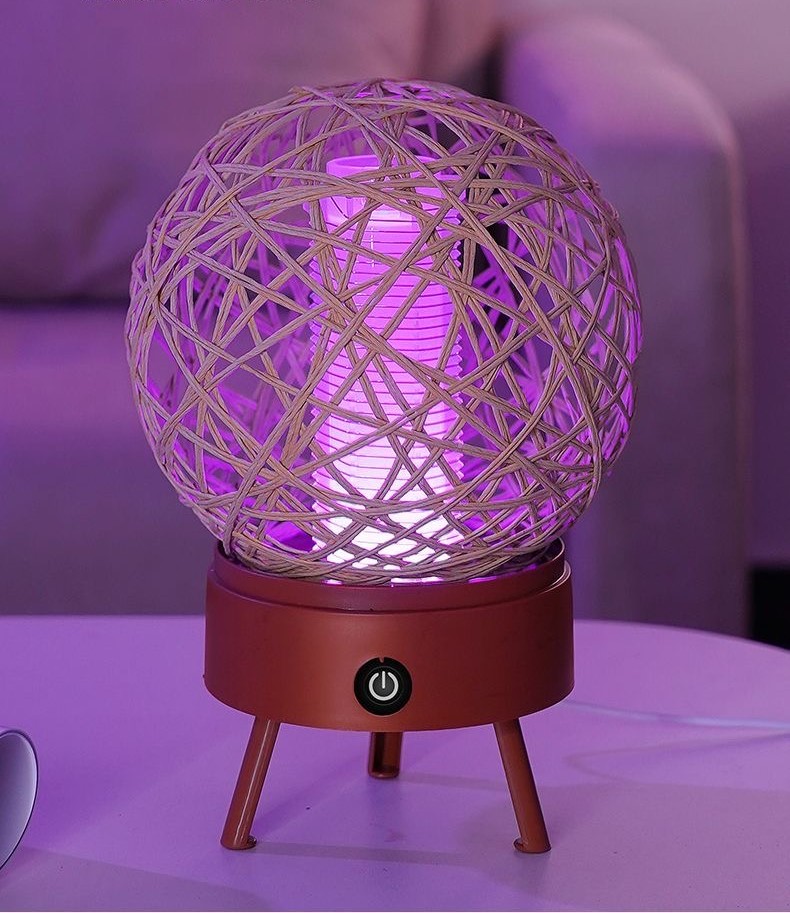
IV. Conclusion: Mosquito Lamps Won’t “Harm” Plants—The Key Is “Proper Use”
To put it simply:
- Prioritize sticky trap mosquito lamps—they have zero impact on plants.
- If you choose UV/electric shock lamps, as long as they’re over 50cm away from plants and only turned on at night, there will be no problem.
- Don’t use mosquito lamps as grow lights, and never expose shade-loving plants to direct light—this is the core of avoiding “accidental harm.”
In summer, you can enjoy a mosquito-free space while keeping your green plants lush. With the right mosquito lamp and proper usage, the two can coexist peacefully!
Why Mosquitoes Survive Every Summer
Mosquito Killer Lamps at Home
Related Article

If you’re struggling with annoying mosquitoes, flies, and other flying pests indoors and outdoors, upgrading from traditional manual tools to anElectric Mosquito Swatter is the most efficient solution. Many homeowners and renters search where to buy fly swatter online to find durable, safe, and high-performance electric models that deliver instant pest control.
Where to Buy Fly Swatter
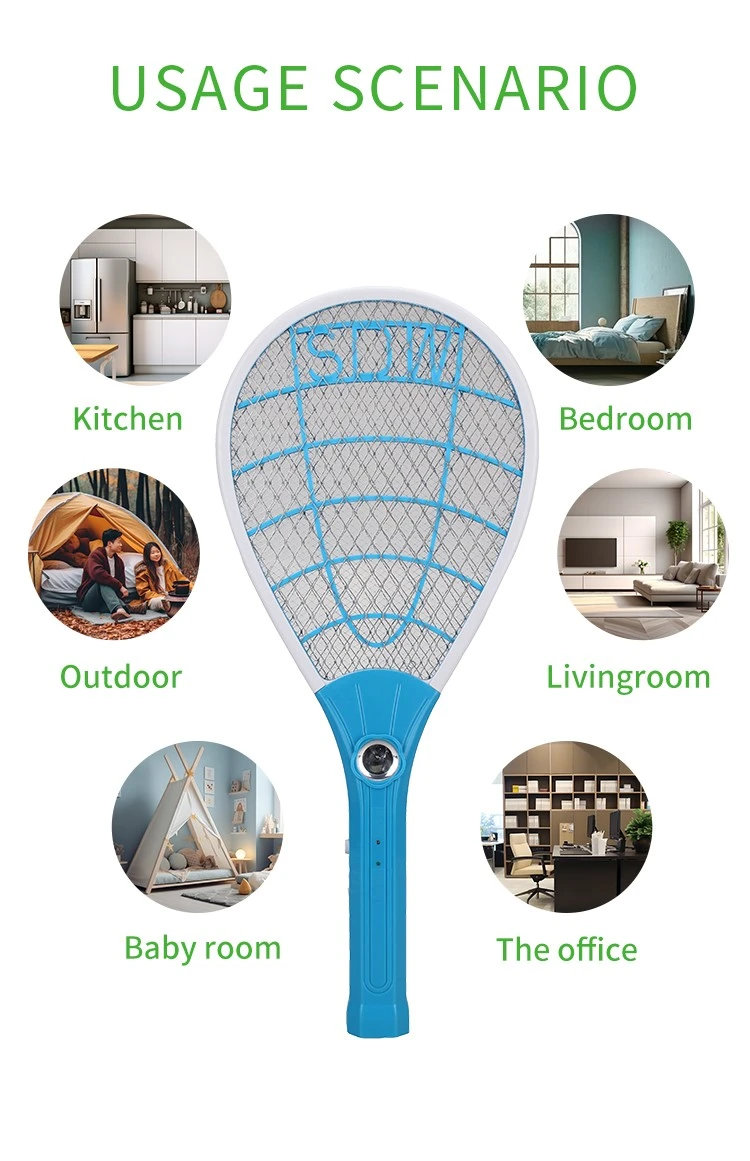
Most importers of electric mosquito swatters obsess over the first order: samples requested, factories vetted, a pre-shipment inspection booked. Then the reorder arrives eight months later and something is off. The grid feels softer. The charge port is a slightly different shade of black. The carton thickness dropped from 350 gsm to 300 gsm. Nothing is catastrophic — but the product no longer matches what your retail customers approved, and quietly, your return rate starts climbing.
How to Keep Mosquito Swatter Quality Consistent Across Repeat Orders
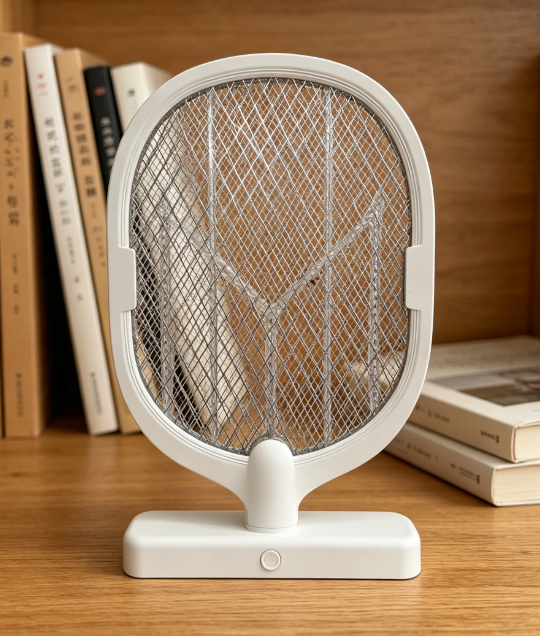
Warranty returns are the silent margin killer in the mosquito control category. A distributor who buys a swatter at $1.80 FOB and retails it at $9.90 can absorb a 1% return rate without noticing — but at 5%, the combined cost of replacement units, reverse logistics, and refund processing erases most of the line's profit.
Common mosquito swatter killer lamp failure modes wholesale spec guide

Digital bathroom scales rank as the second-highest-volume consumer weighing product category, only behind kitchen scales, with distinct market and product characteristics that set them apart from other scale types in importers’ product portfolios.
Digital bathroom body fat-bia-scale wholesale buyers guide