
Does a Mosquito Trap Work on Cockroaches
2025-09-23
Does a Mosquito Trap Work on Cockroaches? Don't Waste Your Money!
As summer arrives, mosquitoes and cockroaches take turns "invading" our homes. Many people rush to buy mosquito traps, hoping they can "serve multiple purposes"—getting rid of both mosquitoes and cockroaches. But the truth is: mosquito traps are basically useless against cockroaches. Don’t let them waste electricity by sitting idle in your socket anymore!
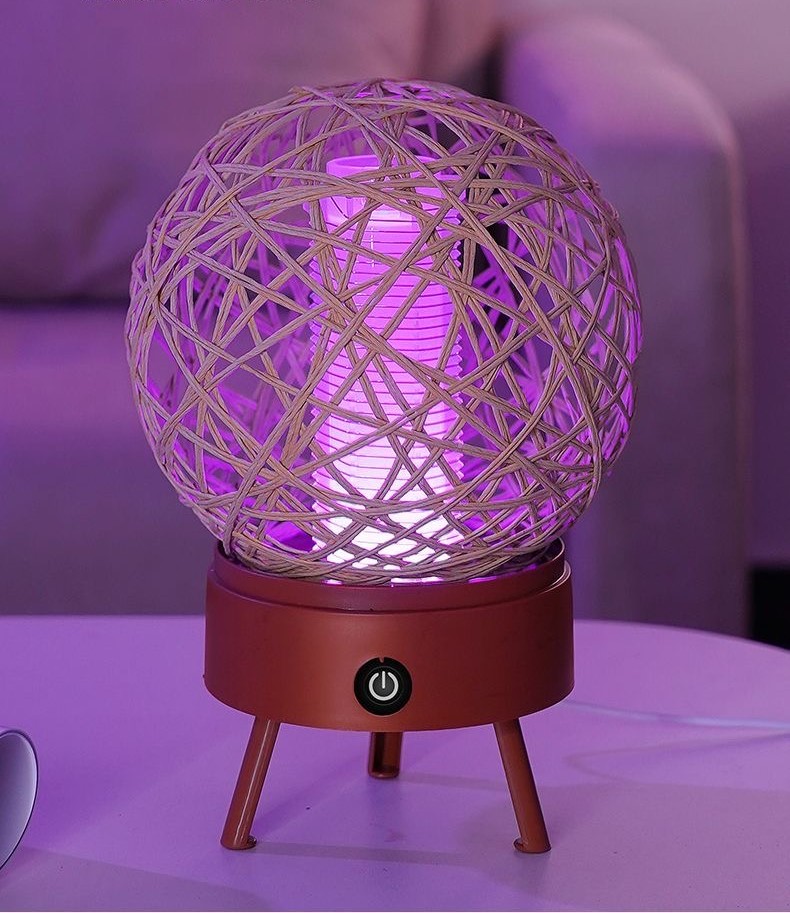
I. Why Are Mosquito Traps "Ineffective" Against Cockroaches? Let’s Start with Their "Working Logic"
Mosquito traps are originally designed for mosquitoes. Their core principle relies on mosquitoes’ sensitivity to ultraviolet light, carbon dioxide, or heat that simulates human body temperature. Mosquitoes are attracted to these signals; when they fly close, they are either electrocuted by the high-voltage grid or sucked into the mosquito storage box by a fan and dried out. However, cockroaches’ "living habits" and "sensory systems" are completely out of sync with those of mosquitoes— the "lures" of mosquito traps hold no appeal for them at all.
1. Cockroaches Are Naturally "Photophobic" and Will Actively Avoid the Bright Light of Mosquito Traps
Cockroaches are typical "photophobic insects"; they naturally dislike bright light, especially the ultraviolet light emitted by mosquito traps. Usually, the cockroaches we see hide in dark, damp places like cabinet crevices, under refrigerators, or near sewers. They deliberately avoid well-lit areas, so how could they take the initiative to fly toward a brightly lit mosquito trap?
2. The "Attractive Signals" for Cockroaches Are Completely Different from Those for Mosquitoes
Cockroaches’ olfactory and visual systems are far more sensitive to "carbon dioxide," "human sweat odor," and "food residue odor" than to "light." The logic of mosquito traps—using ultraviolet light and heat to lure pests— is like "ineffective advertising" to cockroaches. It neither sparks their interest nor lures them closer.
3. Cockroaches That "Get Caught" Occasionally Are Mostly "Accidents"
Some people may wonder: "I seem to have seen cockroaches crawl into mosquito traps before?" In fact, such cases are mostly accidents— for example, a cockroach might accidentally fall into the trap while climbing a wall, or be attracted by food residues around the trap, not by the light itself. Even if a few cockroaches "stray in," it won’t solve the root problem: cockroaches are social insects, and behind one cockroach, there may be dozens of egg cases. Relying on a mosquito trap to "catch the occasional straggler" is completely ineffective for eliminating cockroaches.
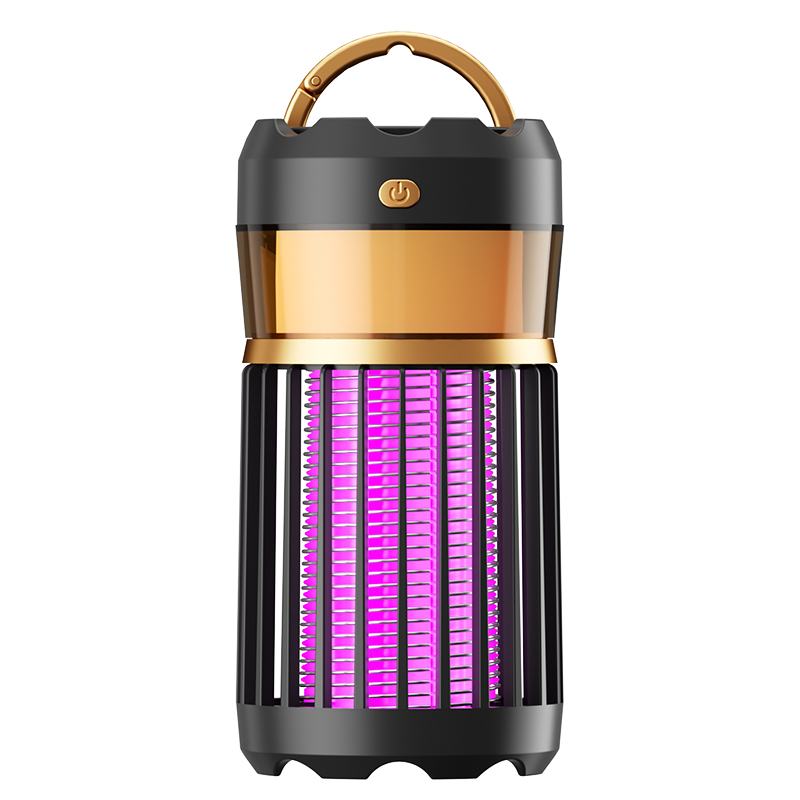
II. 3 More Effective Cockroach Elimination Methods Than Mosquito Traps to Solve the Problem at the "Source"
Since mosquito traps don’t work on cockroaches, what’s the best way to eliminate them efficiently? Here are 3 proven practical methods that work better than relying solely on tools:
1. Use "Cockroach Gel Bait" for Precise Targeting and "Chain Elimination"
The core advantage of cockroach gel bait is its "strong targeting." Its attractant is a protein component that cockroaches love, which can accurately lure them to feed. Unlike the "passive waiting" of mosquito traps, gel bait makes cockroaches come to it actively. Moreover, cockroaches won’t die immediately after eating the gel bait— they will carry the toxin back to their nests, die there, and other cockroaches will feed on their corpses, leading to a "chain elimination" effect. This can effectively clear the entire cockroach nest, making it far more efficient than a mosquito trap.
2. Keep the Environment Dry and Tidy to Cut Off Cockroaches’ "Survival Resources"
Cockroaches can’t survive without three things: "water, food, and dark environments." As long as you cut off these resources at the source, you can significantly reduce cockroach infestations. It’s recommended to take out kitchen trash in a timely manner every day to avoid food residue buildup; wipe dry water stains on stovetops and sinks to keep the environment dry; and store grains, snacks, and other food in airtight containers to leave no "food supply" for cockroaches. This "environmental management" method is more effective at fundamentally suppressing cockroaches than any tool.
3. Seal Gaps to Prevent Cockroaches from "Invading" Your Home
In many cases, cockroaches "invade" from the outside— they crawl into homes through channels like sewers, door/window gaps, and pipe joints. You can use silicone to seal gaps in cabinets and walls, install insect screens at sewer openings, and add weatherstripping to doors and windows. This blocks cockroaches’ invasion paths at the "entry points" and reduces the chance of them entering your home.
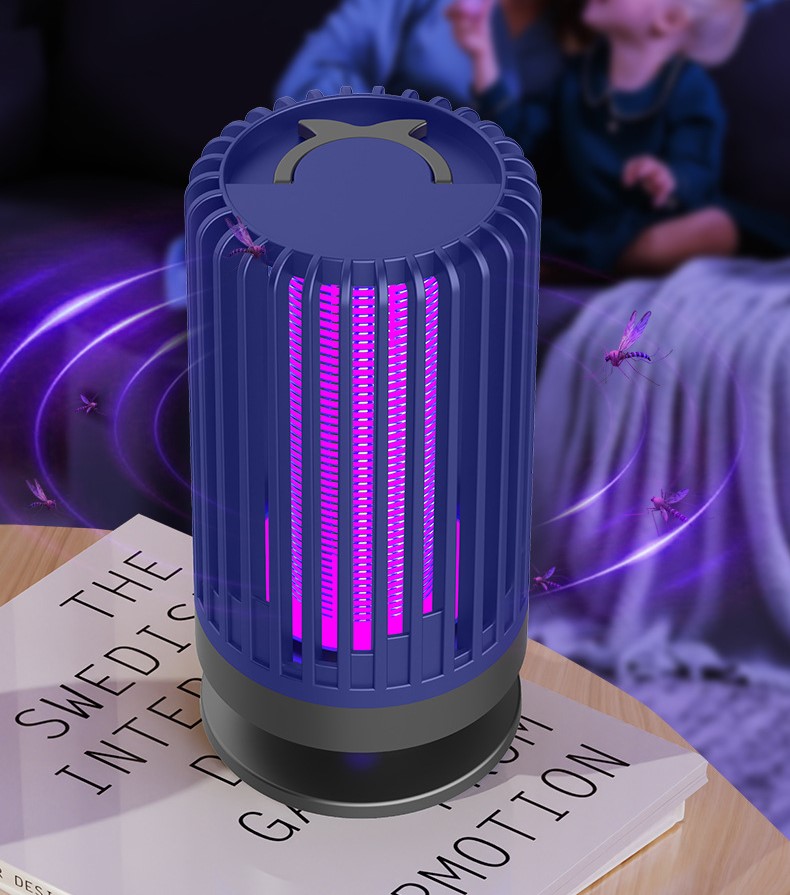
III. Conclusion: Don’t Let Mosquito Traps "Overstep Their Bounds"— Choosing the Right Tool Makes the Job Easier
Mosquito traps are originally designed "for mosquitoes." Their luring logic is completely incompatible with cockroaches’ habits, and they have almost no ability to trap cockroaches. Instead of expecting a mosquito trap to "cross boundaries" and eliminate cockroaches (wasting money and electricity in the process), it’s better to choose a specialized cockroach elimination tool (such as cockroach gel bait) and combine it with environmental cleaning and gap sealing to truly solve the cockroach problem.
Finally, a reminder: put your mosquito trap where it belongs— like on the balcony or in the bedroom— and let it focus on repelling mosquitoes. When it comes to eliminating cockroaches, you still need "targeted methods" to avoid taking unnecessary detours!
Why do Brazilians like bright-colored electric mosquito swatters
Super Typhoon is Approaching
Related Article

If you’re struggling with annoying mosquitoes, flies, and other flying pests indoors and outdoors, upgrading from traditional manual tools to anElectric Mosquito Swatter is the most efficient solution. Many homeowners and renters search where to buy fly swatter online to find durable, safe, and high-performance electric models that deliver instant pest control.
Where to Buy Fly Swatter
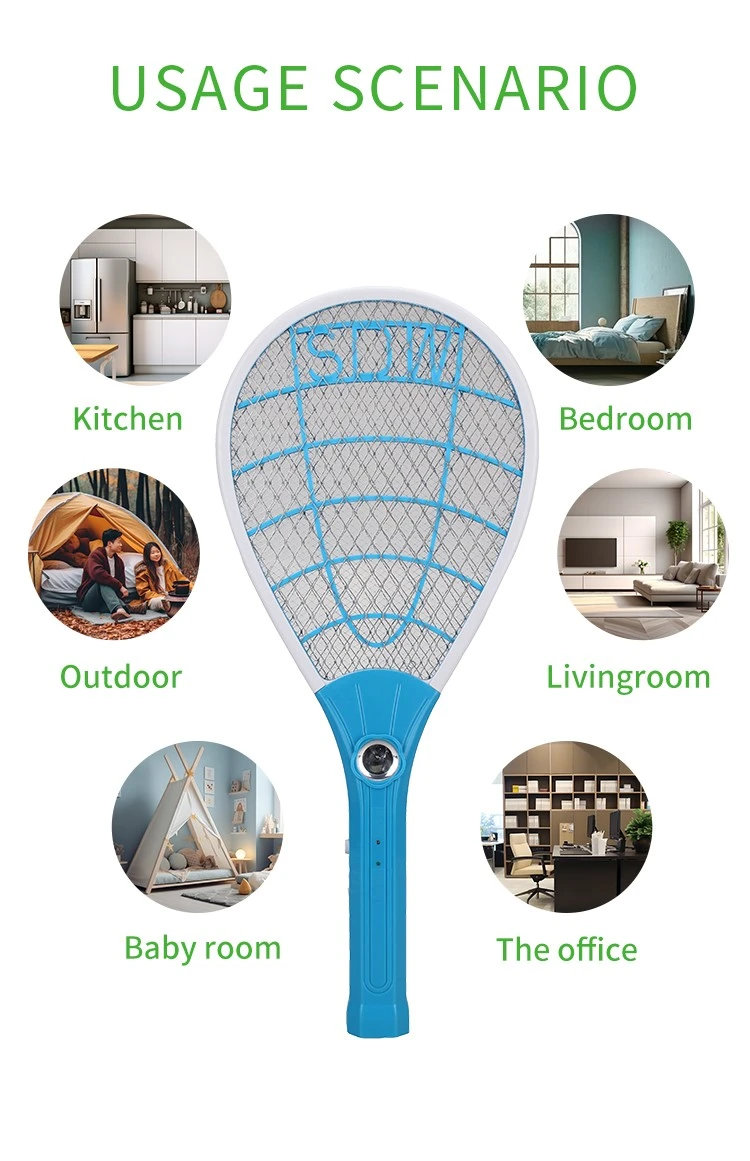
Most importers of electric mosquito swatters obsess over the first order: samples requested, factories vetted, a pre-shipment inspection booked. Then the reorder arrives eight months later and something is off. The grid feels softer. The charge port is a slightly different shade of black. The carton thickness dropped from 350 gsm to 300 gsm. Nothing is catastrophic — but the product no longer matches what your retail customers approved, and quietly, your return rate starts climbing.
How to Keep Mosquito Swatter Quality Consistent Across Repeat Orders
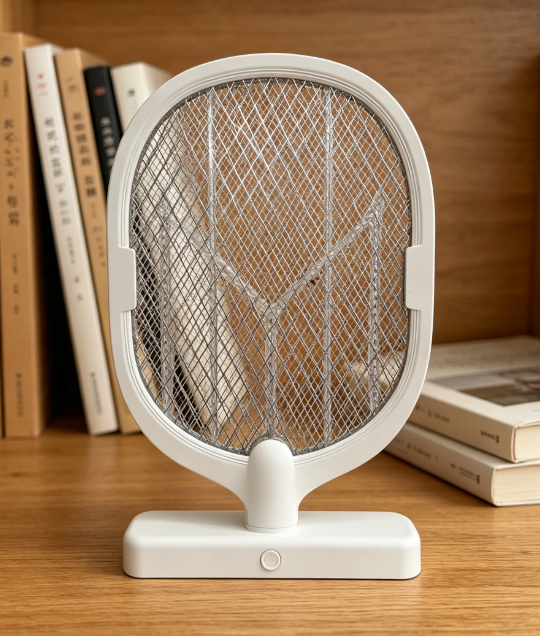
Warranty returns are the silent margin killer in the mosquito control category. A distributor who buys a swatter at $1.80 FOB and retails it at $9.90 can absorb a 1% return rate without noticing — but at 5%, the combined cost of replacement units, reverse logistics, and refund processing erases most of the line's profit.
Common mosquito swatter killer lamp failure modes wholesale spec guide

Digital bathroom scales rank as the second-highest-volume consumer weighing product category, only behind kitchen scales, with distinct market and product characteristics that set them apart from other scale types in importers’ product portfolios.
Digital bathroom body fat-bia-scale wholesale buyers guide