
Does an Electric Mosquito Swatter Have a Shelf Life
2026-01-23
Does an Electric Mosquito Swatter Have a Shelf Life? Key Facts You Need to Know
Does a small household appliance like an electric mosquito swatter have a shelf life? Can it be used for a long time as long as it looks intact? Do you need to check the production date when purchasing? The answer is clear—electric mosquito swatters do have a shelf life, and using them beyond the expiration date poses potential safety risks. This article systematically analyzes knowledge related to the shelf life of electric mosquito swatters to provide a reference for safe use.
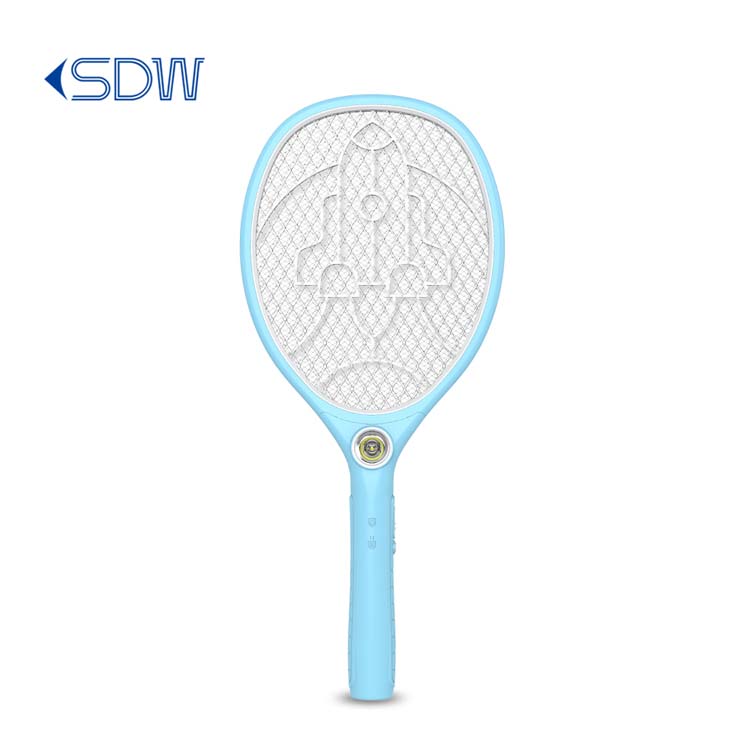
The Shelf Life of Electric Mosquito Swatters Lies in Core Components
Unlike the shelf life of food and daily necessities, electric mosquito swatters do not have a unified standard shelf life. Their service life is mainly determined by the service life of core components, with a general recommended service life of 2 to 3 years. High-quality products can be extended to 4 to 5 years, and the specific period shall be subject to the marking in the product manual. The key factors affecting the shelf life of electric mosquito swatters focus on three core components.
First is the battery, which serves as the power core of the electric mosquito swatter. Most products on the market use lead-acid batteries, lithium batteries, or nickel-cadmium batteries. Such batteries all have a limit on charge-discharge cycle life. After long-term use, problems such as capacity attenuation, reduced charging efficiency, and shortened battery life will occur, which not only affect the use performance but also may cause leakage, bulging, or even short-circuit fire in excessively aged batteries. Generally, the effective service life of a battery is 2 to 3 years, and it is recommended to replace it promptly after exceeding this period.
Second are the power grid and shell. The power grid of an electric mosquito swatter is made of metal wires. When exposed to air and humid environments for a long time, it is prone to oxidation and rust, leading to increased grid gaps and reduced conductivity, which not only impairs the mosquito-killing effect but also may cause local electric leakage. The shell is mostly made of plastic. After long-term exposure to sunlight, high temperature, or external impact, it will age, become brittle, and crack, failing to effectively protect internal circuits and thereby increasing the risk of electric shock during use.
Finally are the circuit components. Internal components of electric mosquito swatters, such as capacitors, resistors, and transformers, work under high voltage for a long time and will gradually age with the increase of service time and environmental changes. This may lead to insulation layer damage, component failure, and other problems, resulting in the electric mosquito swatter's inability to boost voltage normally, or malfunctions such as abnormal heating and noise, which may cause safety accidents in severe cases.
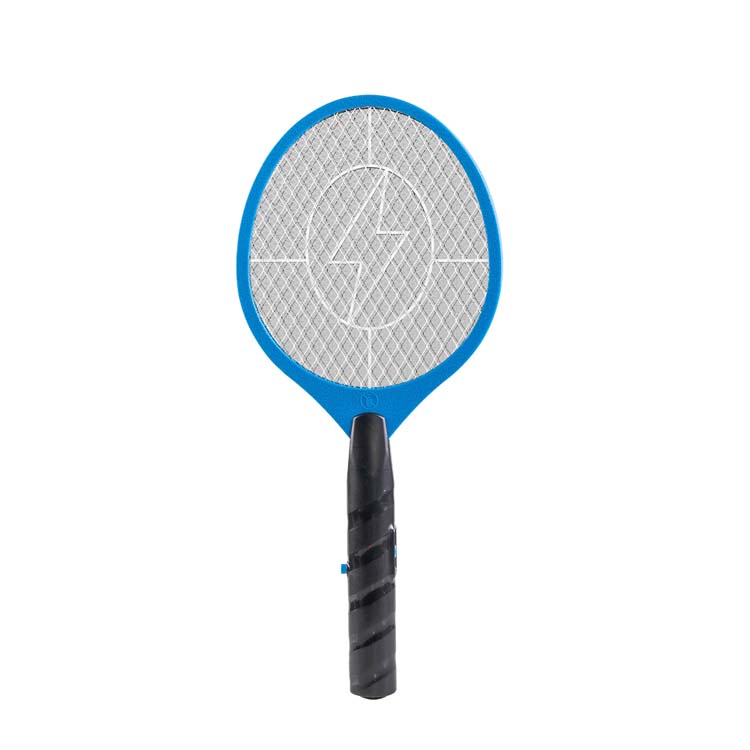
Risks to Watch Out for When Using an Expired Electric Mosquito Swatter
Some users believe that "an electric mosquito swatter is normal as long as it can make a sound and electrocute mosquitoes," but expired electric mosquito swatters have many potential safety hazards that require close attention.
The most common one is the risk of electric shock. Both grid rust and circuit insulation layer damage may cause current leakage, and electric shock is likely to occur when the human body touches the grid or damaged parts. For families with the elderly and children, the risk of accidental contact is higher, which may lead to serious consequences.
Second is the fire hazard. Bulging or leaking batteries may catch fire after short-circuiting, and aged circuit components may generate abnormal heat during operation, which may also ignite surrounding flammable materials such as curtains and paper, causing fires. In addition, if the electric mosquito swatter is operated with wet hands or used in a humid environment such as a bathroom, the reduced waterproof performance of the expired product will further aggravate the safety risk.
At the same time, the use performance of expired electric mosquito swatters will decline significantly. The battery life will decrease, possibly resulting in sudden power failure during use; the grid conductivity will decrease, only producing an electric shock sound but failing to kill mosquitoes effectively, losing its core use value.
How to Judge If an Electric Mosquito Swatter Is "Expired"? 3 Simple Methods
If you cannot judge whether the electric mosquito swatter at home has reached the replacement standard, you can use the following three methods to inspect and eliminate potential safety hazards in a timely manner.
First, check the service life and product manual. The package or manual of an electric mosquito swatter usually marks the "recommended service life," "shelf life," or "safe service period." Products exceeding the marked period are recommended to be replaced regardless of whether their appearance is intact. If the manual is lost, the general service cycle of 2 to 3 years can be used for estimation, and key inspection is required after exceeding this period.
Second, inspect the appearance and core components. Observe whether the shell is cracked, brittle, yellowed, or aged; check if the grid is rusted, deformed, or has fallen metal wires; pay attention to whether the battery heats abnormally, the charging time is significantly prolonged during charging, and whether the battery life drops sharply during use. If any of the above situations occur, it indicates that the electric mosquito swatter is approaching or exceeding its shelf life.
Third, test the use status. A normal electric mosquito swatter will emit a stable "sizzling" sound after being powered on, with sufficient electric shock intensity; if the sound is weak and intermittent after power-on, the mosquito-killing effect decreases, or abnormal heating and noise occur, it indicates that the internal components have aged, and the swatter must be stopped using and replaced immediately.
Extend the Service Life of Electric Mosquito Swatters: Do These Well
To extend the service life of electric mosquito swatters and ensure they maintain good performance within the shelf life, standardized daily use and maintenance are crucial.
First, standardize charging and storage. Follow the principle of "charging as you use" to avoid over-discharging the battery; use the original charger for charging, disconnect the power in a timely manner after full charging, and eliminate prolonged overcharging; when not in use for a long time (such as in winter), fully charge the battery before storage, and replenish the power every 1 to 2 months to prevent battery aging due to undercharging. The storage environment should be dry, ventilated, and cool, avoiding sunlight, high temperature, and humidity, and kept out of the reach of children.
Second, use the equipment in compliance with regulations. It is strictly prohibited to touch the power grid when it is powered on to avoid electric shock injury; do not use the electric mosquito swatter to electrocute metal objects, water, or flammable and explosive materials; avoid severe collision and falling during use to prevent shell damage and grid deformation; when there are residual mosquitoes on the grid, cut off the power first and then clean with a brush, and do not rinse non-waterproof models directly with water.
Finally, replace accessories in a timely manner. If only the battery is aged, you can contact the brand after-sales service to replace it with an original battery of the same model to extend the overall service life of the product; if the shell, power grid, or circuit components are severely aged, there is no need to replace accessories, and it is safer to replace the electric mosquito swatter with a new one directly.
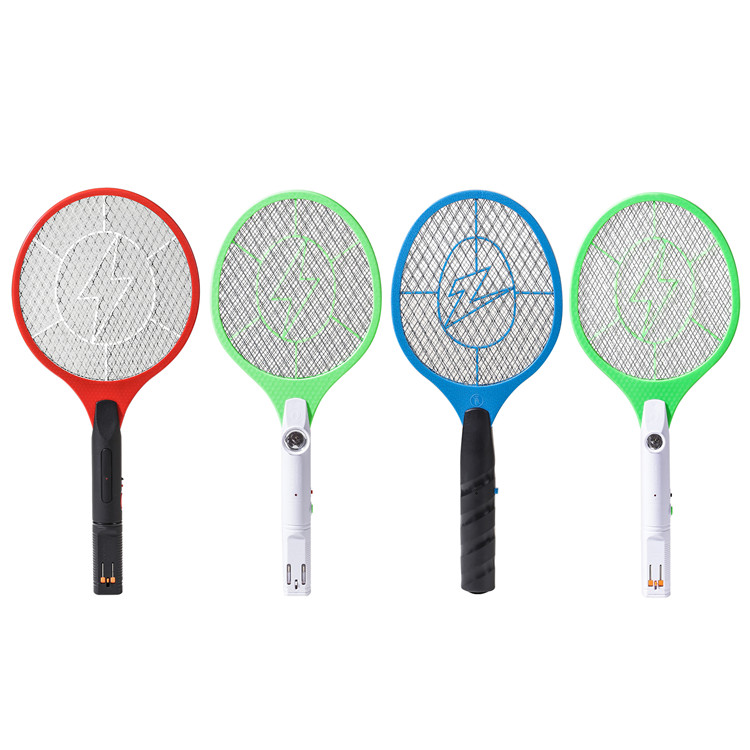
Conclusion: Don't Let Expired Electric Mosquito Swatters Pose Risks
Although electric mosquito swatters are small household appliances, they are directly related to family use safety. Their shelf life is not an unnecessary setting but an important basis for ensuring use safety. It is recommended to regularly inspect the electric mosquito swatter at home. If it has exceeded the service life or shows signs of aging and failure, replace it in a timely manner, and do not take risks using it to save costs. A new electric mosquito swatter has a low cost but can ensure safe mosquito repellent in summer, with high cost performance.
In summary, only by correctly understanding the shelf life of electric mosquito swatters and doing a good job in daily maintenance and regular inspection can we balance the mosquito-killing effect and use safety.
Can Electric Mosquito Swatters Be Sold as Scrap
Electric Mosquito Swatter Waste Classification Guide
Related Article

If you’re struggling with annoying mosquitoes, flies, and other flying pests indoors and outdoors, upgrading from traditional manual tools to anElectric Mosquito Swatter is the most efficient solution. Many homeowners and renters search where to buy fly swatter online to find durable, safe, and high-performance electric models that deliver instant pest control.
Where to Buy Fly Swatter
Most importers of electric mosquito swatters obsess over the first order: samples requested, factories vetted, a pre-shipment inspection booked. Then the reorder arrives eight months later and something is off. The grid feels softer. The charge port is a slightly different shade of black. The carton thickness dropped from 350 gsm to 300 gsm. Nothing is catastrophic — but the product no longer matches what your retail customers approved, and quietly, your return rate starts climbing.
How to Keep Mosquito Swatter Quality Consistent Across Repeat Orders
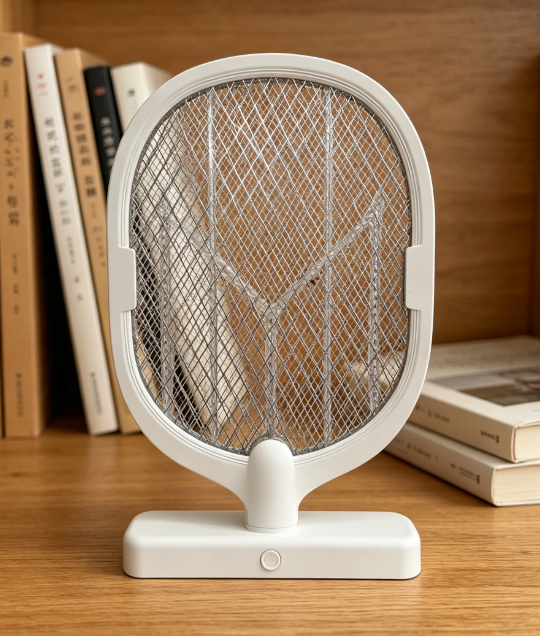
Warranty returns are the silent margin killer in the mosquito control category. A distributor who buys a swatter at $1.80 FOB and retails it at $9.90 can absorb a 1% return rate without noticing — but at 5%, the combined cost of replacement units, reverse logistics, and refund processing erases most of the line's profit.
Common mosquito swatter killer lamp failure modes wholesale spec guide

Digital bathroom scales rank as the second-highest-volume consumer weighing product category, only behind kitchen scales, with distinct market and product characteristics that set them apart from other scale types in importers’ product portfolios.
Digital bathroom body fat-bia-scale wholesale buyers guide