
Does Bleach Kill Mosquitoes
2025-05-16
Does Bleach Kill Mosquitoes
Mosquitoes can be a persistent nuisance, causing itchy bites and potentially spreading diseases. Many people wonder if common household items like bleach can be used as a solution to get rid of these pesky insects. In this blog post, we'll explore whether bleach is effective in killing mosquitoes and how it works.
Understanding Bleach and Its Properties
Bleach primarily contains sodium hypochlorite (\(NaClO\)), which is a strong oxidizing agent. This chemical gives bleach its disinfecting and whitening properties. When bleach comes into contact with organic matter, it breaks down the chemical bonds in the substances, effectively destroying them. This property makes bleach useful for killing bacteria, viruses, and some other small organisms.
How Bleach Can Affect Mosquitoes
- Direct Contact: When bleach comes into direct contact with mosquitoes, especially in its liquid form, it can damage the outer protective layer of the insects. The strong oxidizing nature of bleach breaks down the waxy coating on the mosquito's body, leading to dehydration and eventually death.
- Against Mosquito Larvae: Bleach is more effective against mosquito larvae. Mosquito larvae live in water, and adding bleach to their breeding sites can raise the water's pH level and introduce the oxidizing agent, which is lethal to the larvae. A small amount of bleach in standing water can disrupt the larvae's respiratory and feeding mechanisms, preventing them from developing into adult mosquitoes.
Limitations of Using Bleach to Kill Mosquitoes
- Short - Term Solution: While bleach can kill mosquitoes and larvae on contact, its effects are short - lived. Once the bleach is diluted in the environment or its chemical properties degrade over time, mosquitoes can return to the area.
- Environmental Concerns: Bleach is a harsh chemical. Using it in large quantities outdoors can harm other beneficial insects, plants, and aquatic life. It can also contaminate soil and water sources, posing risks to the ecosystem.
- Safety Risks: Handling bleach requires caution. It can cause skin irritation, eye damage, and respiratory problems if not used properly. Mixing bleach with other cleaning products, especially those containing ammonia, can produce toxic gases.
Safer and More Effective Alternatives
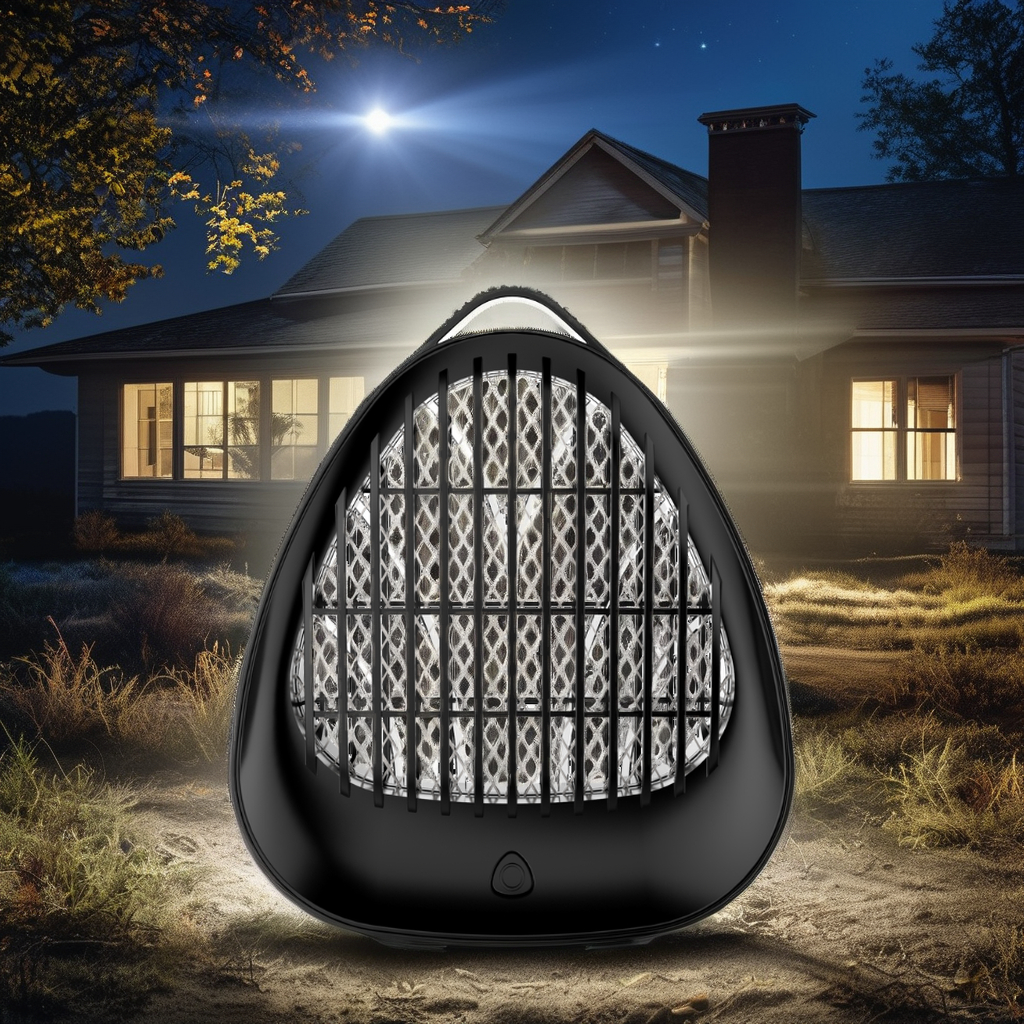
- Mosquito Traps: Electric mosquito traps use light and heat to attract mosquitoes and then trap or kill them. They are chemical - free and can be used safely indoors and outdoors.
- Natural Repellents: Essential oils like citronella, lavender, and eucalyptus can repel mosquitoes. These natural options are less harmful to the environment and human health.
- Eliminating Breeding Sites: Regularly emptying and cleaning containers that hold water, such as flower pots, buckets, and birdbaths, is one of the most effective ways to reduce the mosquito population. Without suitable breeding sites, mosquitoes cannot reproduce.
In conclusion, while bleach can kill mosquitoes and their larvae, its use has significant limitations and potential risks. It's better to consider safer and more sustainable methods for long - term mosquito control.
What Is a Good Bug Zapper
How to Hang a Bug Zapper
Related Article

If you’re struggling with annoying mosquitoes, flies, and other flying pests indoors and outdoors, upgrading from traditional manual tools to anElectric Mosquito Swatter is the most efficient solution. Many homeowners and renters search where to buy fly swatter online to find durable, safe, and high-performance electric models that deliver instant pest control.
Where to Buy Fly Swatter
Most importers of electric mosquito swatters obsess over the first order: samples requested, factories vetted, a pre-shipment inspection booked. Then the reorder arrives eight months later and something is off. The grid feels softer. The charge port is a slightly different shade of black. The carton thickness dropped from 350 gsm to 300 gsm. Nothing is catastrophic — but the product no longer matches what your retail customers approved, and quietly, your return rate starts climbing.
How to Keep Mosquito Swatter Quality Consistent Across Repeat Orders
Warranty returns are the silent margin killer in the mosquito control category. A distributor who buys a swatter at $1.80 FOB and retails it at $9.90 can absorb a 1% return rate without noticing — but at 5%, the combined cost of replacement units, reverse logistics, and refund processing erases most of the line's profit.
Common mosquito swatter killer lamp failure modes wholesale spec guide

Digital bathroom scales rank as the second-highest-volume consumer weighing product category, only behind kitchen scales, with distinct market and product characteristics that set them apart from other scale types in importers’ product portfolios.
Digital bathroom body fat-bia-scale wholesale buyers guide