
Does Bug Zapper Kill Bees
2025-05-19
Does Bug Zapper Kill Bees
Understanding Bug Zappers
How Bug Zappers Work
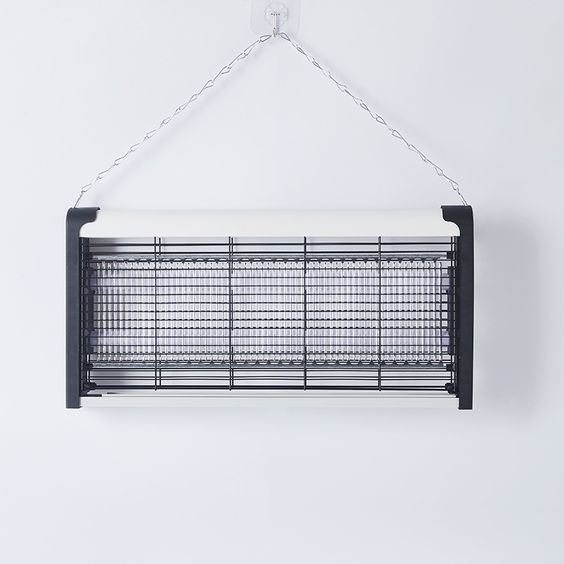
Bug zappers are popular devices used to control flying insects around homes and gardens. They typically use ultraviolet (UV) light to attract bugs. Once insects are lured in by the light, they come into contact with an electrically charged grid, which zaps and kills them instantly. This simple yet effective mechanism has made bug zappers a go-to solution for many people looking to reduce mosquito, fly, and other pest populations.
The Attraction of UV Light
Insects, including bees, are naturally drawn to UV light. Bees use UV patterns on flowers to find nectar and pollen, as these patterns act as a guide to the food source. Unfortunately, the UV light emitted by bug zappers mimics the light that bees are accustomed to following. As a result, bees can mistake the bug zapper for a potential food source and get too close, ultimately facing the risk of electrocution.
Do Bug Zappers Kill Bees?
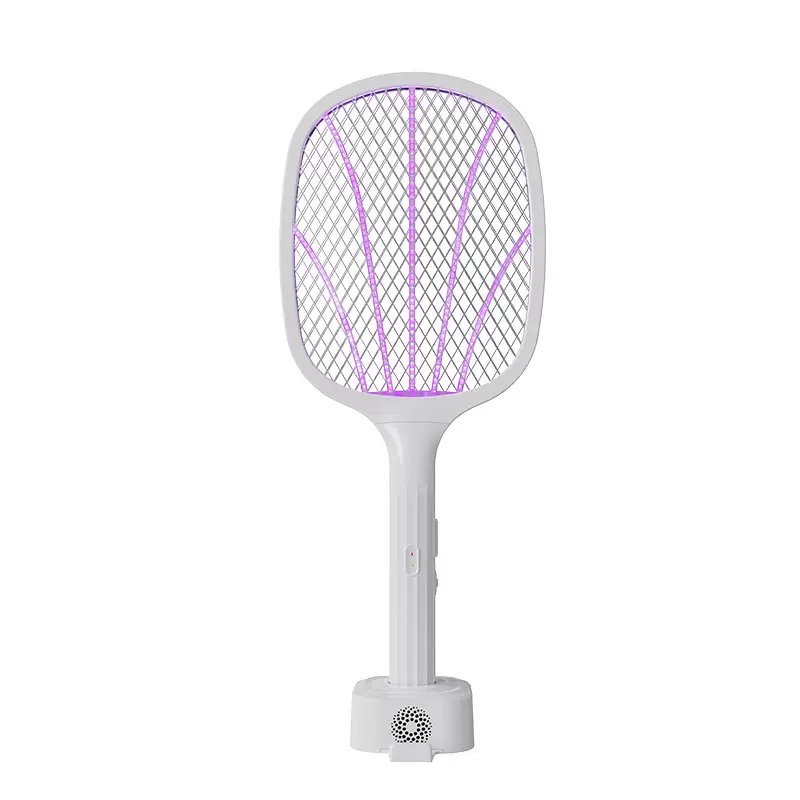
Yes, bug zappers do kill bees. While the primary target of bug zappers is often pests like mosquitoes and flies, their indiscriminate nature means that they don't differentiate between beneficial insects and pests. Bees, with their sensitivity to UV light, are frequently caught in the crossfire. Given the crucial role bees play in pollination, which is essential for the growth of many plants, including crops that humans rely on for food, the accidental killing of bees by bug zappers is a significant concern.
Mitigating the Impact
Alternative Pest Control Methods
To protect bees while still controlling pests, there are several alternative pest control methods available. For instance, using natural repellents like citronella candles, essential oils (such as lemon eucalyptus oil), or planting mosquito - repelling plants like lavender, mint, and basil can help keep pests at bay without harming bees. Another option is the use of physical barriers, such as window screens and netting, to prevent insects from entering living spaces.
Modifying Bug Zapper Usage
If you still want to use a bug zapper, there are ways to reduce its impact on bees. Place the bug zapper away from areas where bees are active, such as near flower beds, vegetable gardens, or fruit trees. Additionally, consider using bug zappers during periods when bees are less active, like at night when most bees have returned to their hives.
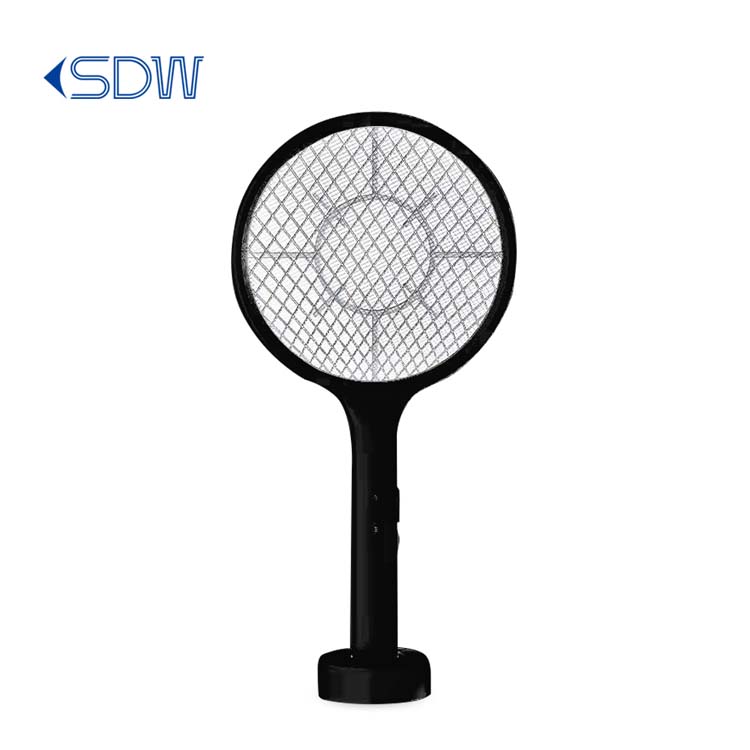
In conclusion, bug zappers do kill bees due to their reliance on UV light to attract insects. Given the vital role bees play in our ecosystem, it's essential to be aware of the potential harm that bug zappers can cause. By exploring alternative pest control methods or using bug zappers more strategically, we can strike a balance between pest management and bee conservation.
Can a Bug Zapper Cause a Fire
How to Attract Mosquitoes to Bug Zapper
Related Article

If you’re struggling with annoying mosquitoes, flies, and other flying pests indoors and outdoors, upgrading from traditional manual tools to anElectric Mosquito Swatter is the most efficient solution. Many homeowners and renters search where to buy fly swatter online to find durable, safe, and high-performance electric models that deliver instant pest control.
Where to Buy Fly Swatter

Most importers of electric mosquito swatters obsess over the first order: samples requested, factories vetted, a pre-shipment inspection booked. Then the reorder arrives eight months later and something is off. The grid feels softer. The charge port is a slightly different shade of black. The carton thickness dropped from 350 gsm to 300 gsm. Nothing is catastrophic — but the product no longer matches what your retail customers approved, and quietly, your return rate starts climbing.
How to Keep Mosquito Swatter Quality Consistent Across Repeat Orders

Warranty returns are the silent margin killer in the mosquito control category. A distributor who buys a swatter at $1.80 FOB and retails it at $9.90 can absorb a 1% return rate without noticing — but at 5%, the combined cost of replacement units, reverse logistics, and refund processing erases most of the line's profit.
Common mosquito swatter killer lamp failure modes wholesale spec guide

Digital bathroom scales rank as the second-highest-volume consumer weighing product category, only behind kitchen scales, with distinct market and product characteristics that set them apart from other scale types in importers’ product portfolios.
Digital bathroom body fat-bia-scale wholesale buyers guide