
Does Bug Zapper Kill Fleas
2025-06-12
Does Bug Zapper Kill Fleas? Unraveling the Truth
Fleas are common pests that trouble pet owners and households. They not only make pets itch unbearably but can also bite humans and transmit diseases. As a common pest control tool, many people wonder whether bug zappers can effectively kill fleas. Let's delve into the actual effect of bug zappers on fleas.
Understanding How Bug Zappers Work
The Principle of Attraction

Bug zappers work based on the principle of attracting and eliminating pests. Most bug zappers use ultraviolet (UV) light to attract insects. Insects are phototactic and are drawn to UV light of specific wavelengths, thinking it's a safe flight path or light source. When insects approach the bug zapper, they are electrocuted by the internal electric grid, achieving the goal of pest elimination.
Types of Bug Zappers
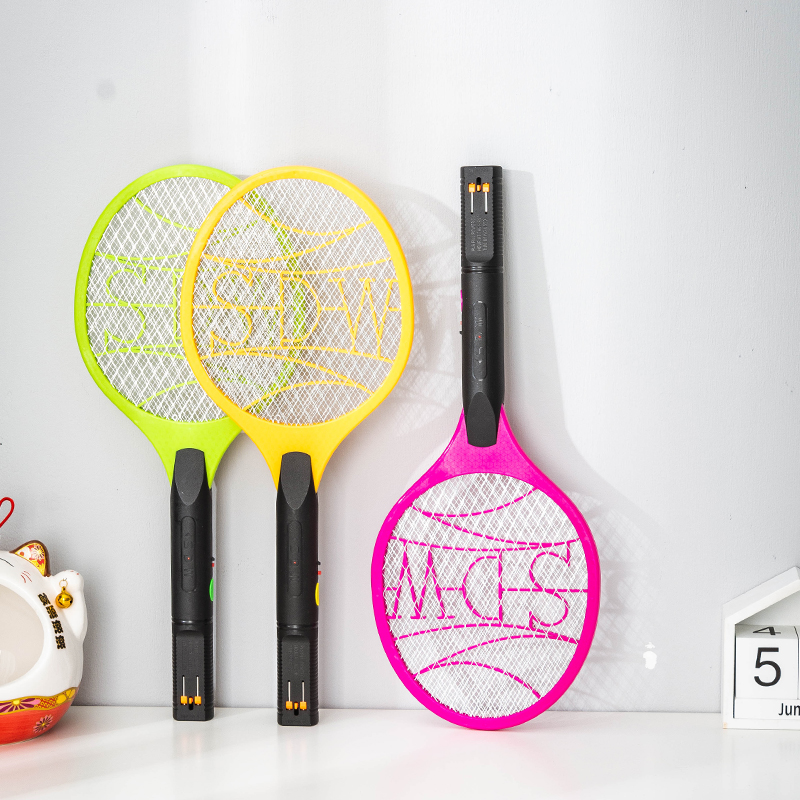
There are various types of bug zappers. Common ones include hanging types, tabletop types, and outdoor plug - in types. Hanging bug zappers are suitable for hanging in courtyards, balconies, etc.; tabletop bug zappers are easy to place on indoor tables and corners; outdoor plug - in ones are designed for large outdoor areas, with high power and a wide coverage range.
Can Bug Zappers Kill Fleas?
Fleas' Response to Light
Although bug zappers use insects' phototaxis to kill pests, fleas respond differently to light compared to other insects. Fleas mainly live in dark and humid places such as animal fur, carpets, and mattresses. They don't rely on light for navigation and are less sensitive to UV light, so they are not strongly attracted to the light of bug zappers like moths and mosquitoes.
Limitations of Bug Zappers for Fleas

Even if a small number of fleas are attracted to the bug zapper, there are limitations to its effectiveness in killing fleas. Fleas are tiny. Compared to larger insects like mosquitoes and flies, fleas may be more likely to avoid the electrocution area of the grid while flying. Moreover, bug zappers are usually designed to kill flying insects, and since fleas jump most of the time instead of flying, this also reduces the chance of the bug zapper contacting and killing fleas.
Alternatives for Flea Control
Chemical Treatments
If you want to effectively control fleas, chemical treatments are a common approach. You can use insecticides containing ingredients like fipronil and imidacloprid to spray on areas where pets are active, carpets, sofas, and other places where fleas hide. But when using them, ensure good ventilation and keep children and pets away from the wet 药剂.
Natural Remedies
Natural remedies can also play a role in flea control. For example, slice lemons, boil them in water, and spray the cooled liquid on pet beds and indoor corners. Or use diatomaceous earth, a natural powder that can physically damage the exoskeleton of fleas, causing them to dehydrate and die, and it's relatively safe for humans and pets.
Professional Pest Control

For severe flea infestations, seeking professional pest control services is a wise choice. Professionals have more efficient equipment and targeted pesticides, and they can thoroughly inspect and treat every corner of the house to ensure complete elimination of fleas and their eggs.
Although bug zappers perform well in killing other flying insects, they are not ideal tools for killing fleas. To effectively control and eliminate fleas, you need to combine multiple methods such as chemical treatments, natural remedies, or professional services. If you're troubled by fleas, try these more targeted solutions.
How to Kill Mosquitoes in Standing Water
How Do You Kill Mosquitoes
Related Article

If you’re struggling with annoying mosquitoes, flies, and other flying pests indoors and outdoors, upgrading from traditional manual tools to anElectric Mosquito Swatter is the most efficient solution. Many homeowners and renters search where to buy fly swatter online to find durable, safe, and high-performance electric models that deliver instant pest control.
Where to Buy Fly Swatter
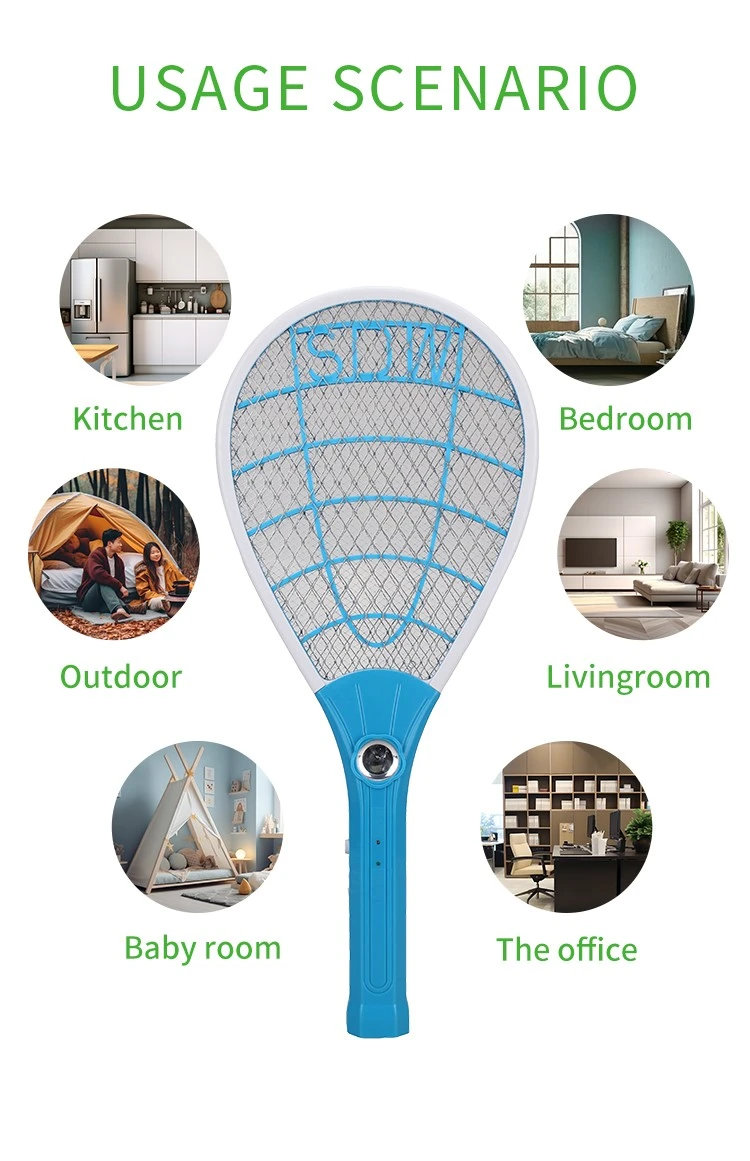
Most importers of electric mosquito swatters obsess over the first order: samples requested, factories vetted, a pre-shipment inspection booked. Then the reorder arrives eight months later and something is off. The grid feels softer. The charge port is a slightly different shade of black. The carton thickness dropped from 350 gsm to 300 gsm. Nothing is catastrophic — but the product no longer matches what your retail customers approved, and quietly, your return rate starts climbing.
How to Keep Mosquito Swatter Quality Consistent Across Repeat Orders
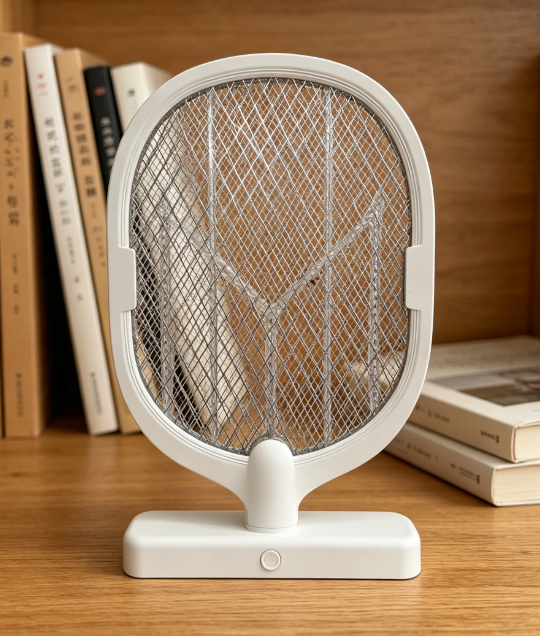
Warranty returns are the silent margin killer in the mosquito control category. A distributor who buys a swatter at $1.80 FOB and retails it at $9.90 can absorb a 1% return rate without noticing — but at 5%, the combined cost of replacement units, reverse logistics, and refund processing erases most of the line's profit.
Common mosquito swatter killer lamp failure modes wholesale spec guide

Digital bathroom scales rank as the second-highest-volume consumer weighing product category, only behind kitchen scales, with distinct market and product characteristics that set them apart from other scale types in importers’ product portfolios.
Digital bathroom body fat-bia-scale wholesale buyers guide