
Does Chlorine Kill Mosquito Larvae
2025-06-13
Does Chlorine Kill Mosquito Larvae
Introduction
Mosquito larvae are the early life stage of mosquitoes, and they thrive in stagnant water. As mosquitoes are notorious vectors for various diseases, controlling the growth of mosquito larvae is crucial in preventing the spread of these illnesses. One common question that arises is: does chlorine kill mosquito larvae? In this blog, we'll delve into this topic to find out.
Understanding Chlorine and Its Disinfection Properties
How Chlorine Works
Chlorine is a powerful disinfectant widely used in water treatment, swimming pools, and sanitation. When added to water, it forms hypochlorous acid and hypochlorite ions. These substances have strong oxidizing properties, which can break down the cell walls and disrupt the metabolic processes of microorganisms, effectively killing bacteria, viruses, and other pathogens.
Chlorine's Role in Sanitation
In the context of sanitation, chlorine helps to keep water clean and safe for various uses. It oxidizes organic matter, removes odors, and prevents the growth of harmful organisms in water sources. Its effectiveness in disinfecting water has made it a staple in many water - related sanitation processes.
Can Chlorine Kill Mosquito Larvae?
Theoretical Perspective
From a theoretical standpoint, the strong oxidizing properties of chlorine could potentially harm mosquito larvae. Since chlorine can damage the cellular structure of microorganisms, it might also disrupt the biological functions of mosquito larvae, leading to their death. However, the actual outcome depends on several factors.
Factors Affecting Chlorine's Efficacy
- Concentration of Chlorine: The concentration of chlorine in the water plays a vital role. A higher concentration of chlorine is more likely to be lethal to mosquito larvae. But if the concentration is too low, it may not have a significant impact on the larvae.
- Exposure Time: The length of time mosquito larvae are exposed to chlorine - treated water matters. Shorter exposure times may not allow enough time for the chlorine to fully act on the larvae, while longer exposure increases the chances of killing them.
- Larval Stage: Different stages of mosquito larvae may have varying levels of susceptibility to chlorine. Younger larvae might be more vulnerable compared to more mature ones, as their bodies are still developing and may be less resistant to the effects of chlorine.
Practical Considerations and Limitations
Challenges in Application
In practice, using chlorine to kill mosquito larvae has some challenges. For example, in large, natural bodies of water such as ponds or lakes, it's difficult to maintain a consistent and effective concentration of chlorine throughout the water. Additionally, excessive use of chlorine can have negative environmental impacts, such as harming other aquatic organisms and disrupting the ecosystem balance.
Alternative Methods
There are also alternative methods for controlling mosquito larvae that may be more practical and environmentally friendly in some cases. These include using biological control agents like mosquito - eating fish, applying natural larvicides derived from plants, or simply removing stagnant water sources where mosquitoes breed.
Conclusion
So, does chlorine kill mosquito larvae? The answer is that it can, under the right conditions. However, achieving the ideal concentration, exposure time, and considering the environmental impact make it a complex solution. While chlorine has the potential to be an effective tool in mosquito - larva control, it should be used carefully, and alternative methods may be more suitable depending on the specific situation.
How to Get Rid of Fruit Flies For Good
How Many People Have Mosquitoes Killed
Related Article

If you’re struggling with annoying mosquitoes, flies, and other flying pests indoors and outdoors, upgrading from traditional manual tools to anElectric Mosquito Swatter is the most efficient solution. Many homeowners and renters search where to buy fly swatter online to find durable, safe, and high-performance electric models that deliver instant pest control.
Where to Buy Fly Swatter
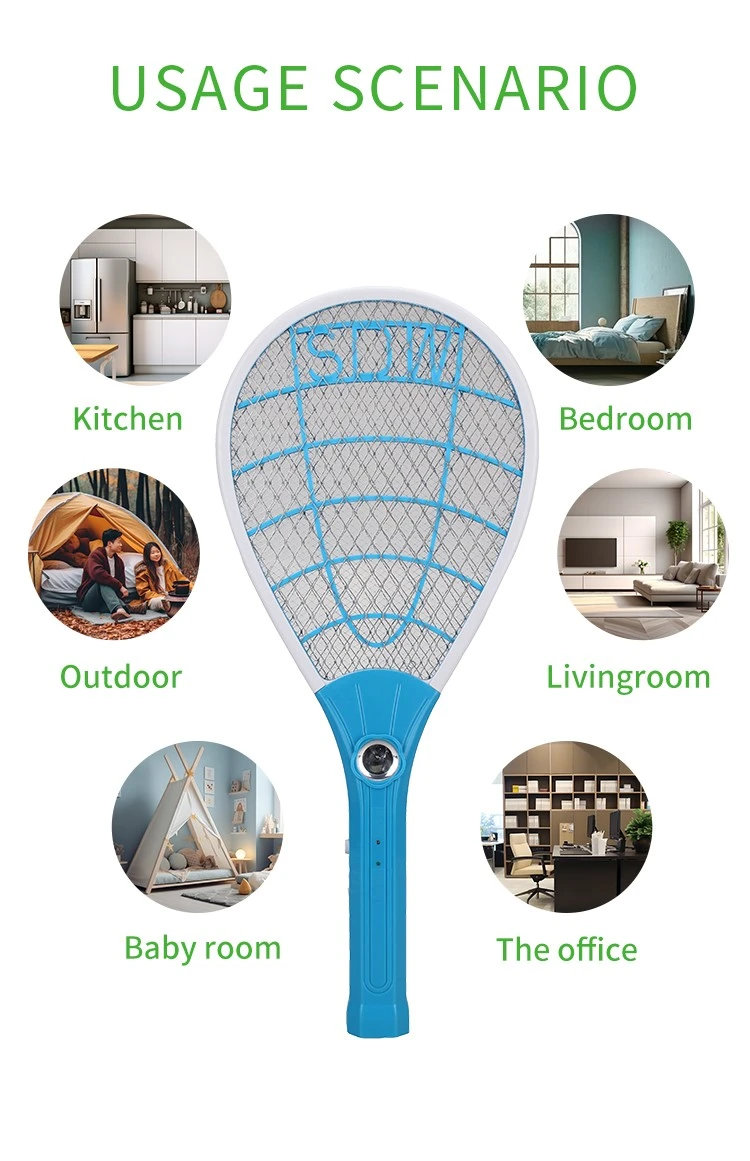
Most importers of electric mosquito swatters obsess over the first order: samples requested, factories vetted, a pre-shipment inspection booked. Then the reorder arrives eight months later and something is off. The grid feels softer. The charge port is a slightly different shade of black. The carton thickness dropped from 350 gsm to 300 gsm. Nothing is catastrophic — but the product no longer matches what your retail customers approved, and quietly, your return rate starts climbing.
How to Keep Mosquito Swatter Quality Consistent Across Repeat Orders
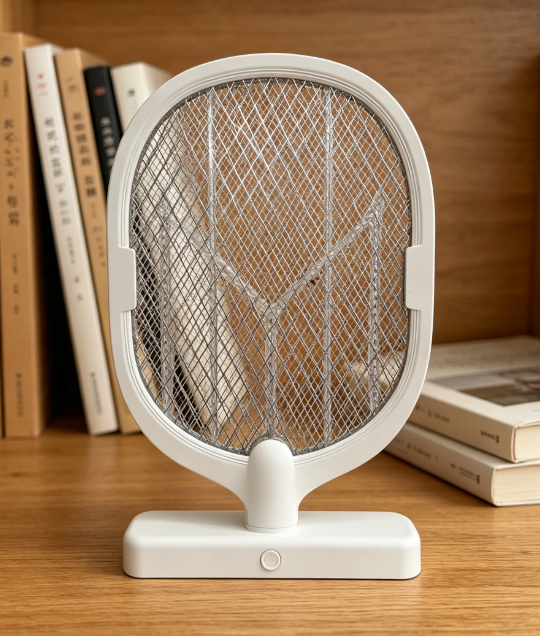
Warranty returns are the silent margin killer in the mosquito control category. A distributor who buys a swatter at $1.80 FOB and retails it at $9.90 can absorb a 1% return rate without noticing — but at 5%, the combined cost of replacement units, reverse logistics, and refund processing erases most of the line's profit.
Common mosquito swatter killer lamp failure modes wholesale spec guide

Digital bathroom scales rank as the second-highest-volume consumer weighing product category, only behind kitchen scales, with distinct market and product characteristics that set them apart from other scale types in importers’ product portfolios.
Digital bathroom body fat-bia-scale wholesale buyers guide