
Does Light Attract Mosquitoes
2025-06-27
Does Light Attract Mosquitoes
Summer evenings outdoors can be a delight, but the presence of mosquitoes often ruins the fun. One common question that arises is: does light attract mosquitoes? Let’s dive into this topic to understand the relationship between light and these pesky insects.
The General Perception and Initial Research
For a long time, many people believed that light was a major attractant for mosquitoes. Early observations seemed to support this idea, as mosquitoes were often seen buzzing around porch lights, street lamps, and other light sources. However, initial scientific research on this topic was inconclusive, with some studies suggesting a connection and others finding little to no effect.
Understanding Mosquito Vision and Sensitivity to Light
To truly answer whether light attracts mosquitoes, we need to look at their vision. Mosquitoes have compound eyes that are sensitive to different wavelengths of light. They are particularly responsive to ultraviolet (UV) light and blue light, which are on the shorter-wavelength end of the light spectrum. These wavelengths are naturally present in sunlight and can also be emitted by certain artificial lights. The sensitivity of their eyes to these lights makes them more likely to detect and move towards sources that emit UV or blue light, which might explain why they seem to be attracted to some lighting fixtures.
Different Types of Light and Their Impact
Artificial Lights
Not all artificial lights attract mosquitoes equally. Incandescent bulbs emit a wide range of wavelengths, including some UV light, and can draw mosquitoes. Fluorescent lights, especially those that emit more blue and UV light, are also known to attract them. On the other hand, LED lights can vary. Some warm - white LED lights emit less of the wavelengths that attract mosquitoes, while cool - white or daylight - spectrum LEDs may be more appealing to these insects.
Natural Light
During dawn and dusk, the natural light has a specific quality with certain wavelengths that mosquitoes are accustomed to. These are their most active times, and they use the light cues during these periods to navigate, find food sources, and mates. However, it’s not just the light itself but also the overall environmental conditions and the availability of hosts (like humans or animals) during these times that contribute to their activity.
Other Factors at Play
While light can play a role in attracting mosquitoes, it’s not the only factor. Mosquitoes are primarily attracted to carbon dioxide, body heat, and the chemicals in human sweat. These factors are often more important in their search for a blood meal. So, even if a light source is present, mosquitoes may be more interested in a nearby person emitting these attractive cues. Additionally, wind, temperature, and humidity can also influence mosquito behavior and their response to light.
Practical Implications and Tips for Avoidance
Based on our understanding of the relationship between light and mosquitoes, here are some practical tips:
- Choose the right lights: If you want to reduce mosquito attraction around your outdoor area, opt for warm - white LED lights or use yellow bug lights, which emit wavelengths that mosquitoes are less sensitive to.
- Limit light exposure: Avoid leaving unnecessary lights on outdoors, especially during peak mosquito activity times (dawn and dusk).
- Use additional protection: Along with managing light, use mosquito repellents, wear long - sleeved clothing, and ensure your outdoor living spaces are properly screened to keep mosquitoes at bay.
In conclusion, while light can attract mosquitoes, especially certain types of light with specific wavelengths, it is just one piece of the puzzle in the complex behavior of these insects. By understanding this relationship and taking appropriate precautions, we can enjoy our time outdoors with fewer mosquito - related annoyances.
What Insects Does Permethrin Kill
Can UV Light Cause Cancer
Related Article

If you’re struggling with annoying mosquitoes, flies, and other flying pests indoors and outdoors, upgrading from traditional manual tools to anElectric Mosquito Swatter is the most efficient solution. Many homeowners and renters search where to buy fly swatter online to find durable, safe, and high-performance electric models that deliver instant pest control.
Where to Buy Fly Swatter
Most importers of electric mosquito swatters obsess over the first order: samples requested, factories vetted, a pre-shipment inspection booked. Then the reorder arrives eight months later and something is off. The grid feels softer. The charge port is a slightly different shade of black. The carton thickness dropped from 350 gsm to 300 gsm. Nothing is catastrophic — but the product no longer matches what your retail customers approved, and quietly, your return rate starts climbing.
How to Keep Mosquito Swatter Quality Consistent Across Repeat Orders
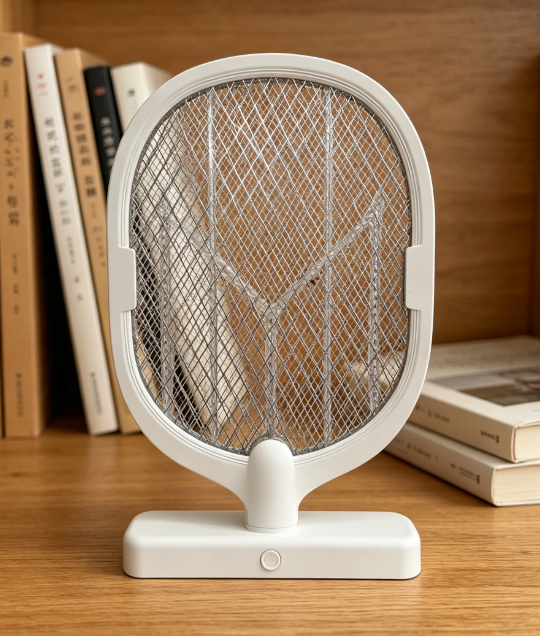
Warranty returns are the silent margin killer in the mosquito control category. A distributor who buys a swatter at $1.80 FOB and retails it at $9.90 can absorb a 1% return rate without noticing — but at 5%, the combined cost of replacement units, reverse logistics, and refund processing erases most of the line's profit.
Common mosquito swatter killer lamp failure modes wholesale spec guide

Digital bathroom scales rank as the second-highest-volume consumer weighing product category, only behind kitchen scales, with distinct market and product characteristics that set them apart from other scale types in importers’ product portfolios.
Digital bathroom body fat-bia-scale wholesale buyers guide