
Does Mosquito Killer Lamp Emit Radiation
2025-10-30
Does Mosquito Killer Lamp Emit Radiation? Everything You Need to Know
With the growing popularity of mosquito killer lamps, a question always lingers in people's minds: Does a mosquito killer lamp emit radiation? Will long-term use affect health? Today, we’ll delve into this topic and dispel your doubts from a scientific perspective.
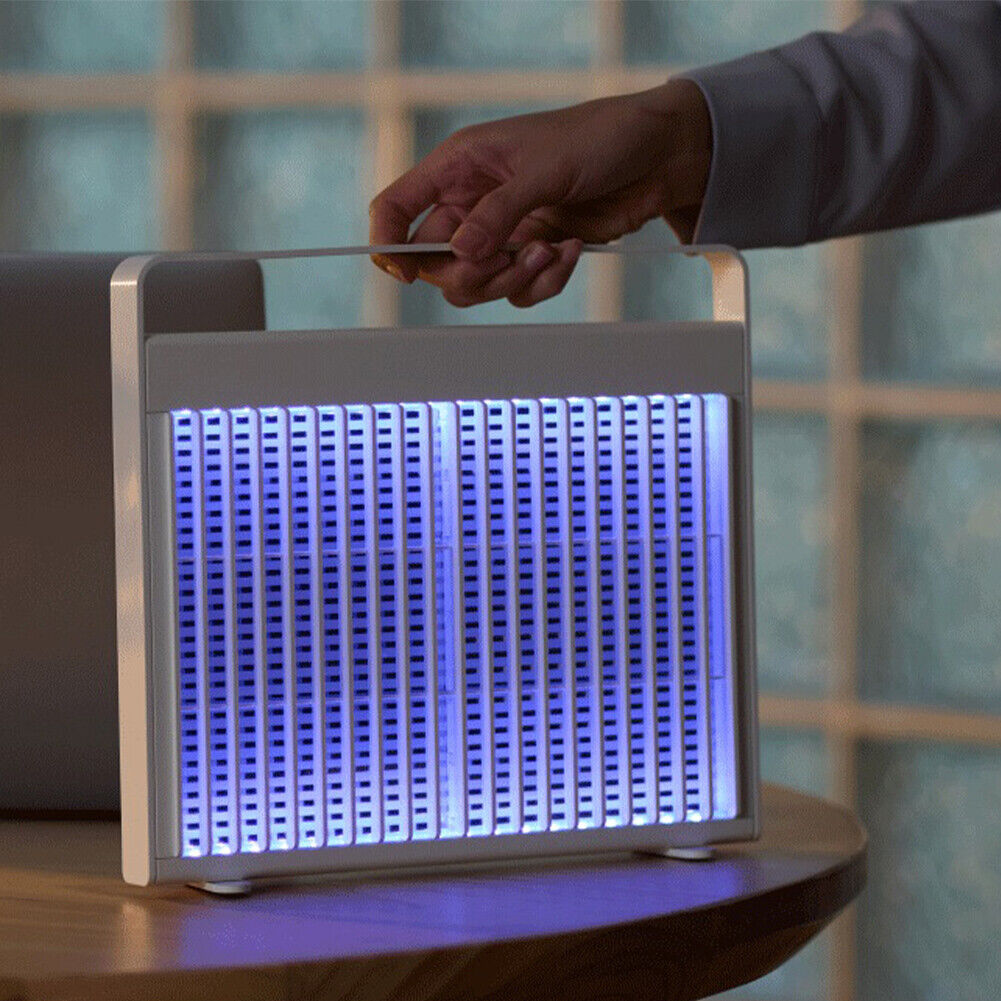
I. Radiation Is Everywhere in Life, Not All "Radiation" Is Harmful
"Radiation" is actually common in daily life—for example, sunlight and mobile phone signals are both forms of radiation. However, not all radiation poses a threat to the human body. Scientifically, radiation is mainly divided into two categories:
- Ionizing radiation: It has extremely high energy and can damage cell structures and DNA. Examples include X-rays and nuclear radiation. This type of radiation indeed requires strict vigilance and protection.
- Non-ionizing radiation: It has low energy and cannot damage cell structures. The radiation emitted by daily items we use, such as mobile phones, computers, lamps, and routers, all falls into this category. Under normal use, it hardly affects health.
The radiation emitted by mosquito killer lamps precisely belongs to non-ionizing radiation—this is the core premise for judging its safety.
II. Radiation Conditions Vary by Type of Mosquito Killer Lamp
Mainstream mosquito killer lamps on the market are mainly divided into two types. Their working principles are different, and the specific performance of radiation also varies. Let’s analyze them one by one:
2.1 Physical Mosquito-Killing Type: The Core Is "Mosquito-Attracting Light Source," with Controllable Radiation
The physical mosquito-killing type is the most common one, including electric shock-type and sticky trap-type mosquito killer lamps. Its core working logic is "mosquito-attracting light source + physical elimination."
- Source of radiation: This type of mosquito killer lamp relies on emitting ultraviolet light (belonging to the UVA band) with a wavelength of 365-400nm to attract mosquitoes. Ultraviolet light itself is a form of non-ionizing radiation, and this is the "radiation point" that people are most worried about.
- Safety analysis: There is no need for excessive anxiety, for two reasons:
- Low power: The ultraviolet power of mosquito killer lamps is usually only a few watts, which is much lower than that of medical ultraviolet disinfection lamps (with power mostly being dozens of watts), so the radiation intensity is weak;
- Protective design: Most products are equipped with lamp shades or baffles to reduce the probability of direct ultraviolet radiation on the human body. Moreover, in daily use, we usually place them in corners or other positions far away from people and turn them on for a few hours every night. The actual dose of ultraviolet radiation that the human body is exposed to is extremely small, far from reaching the level that can cause skin sunburn or affect eyesight.
- Additional note: The "current sound" produced by electric shock-type mosquito killer lamps during operation is a physical sound caused by the high-voltage power grid shocking mosquitoes. It does not generate additional harmful radiation.
2.2 Photocatalyst Mosquito-Killing Type: Focus on "Ozone" Rather Than Radiation
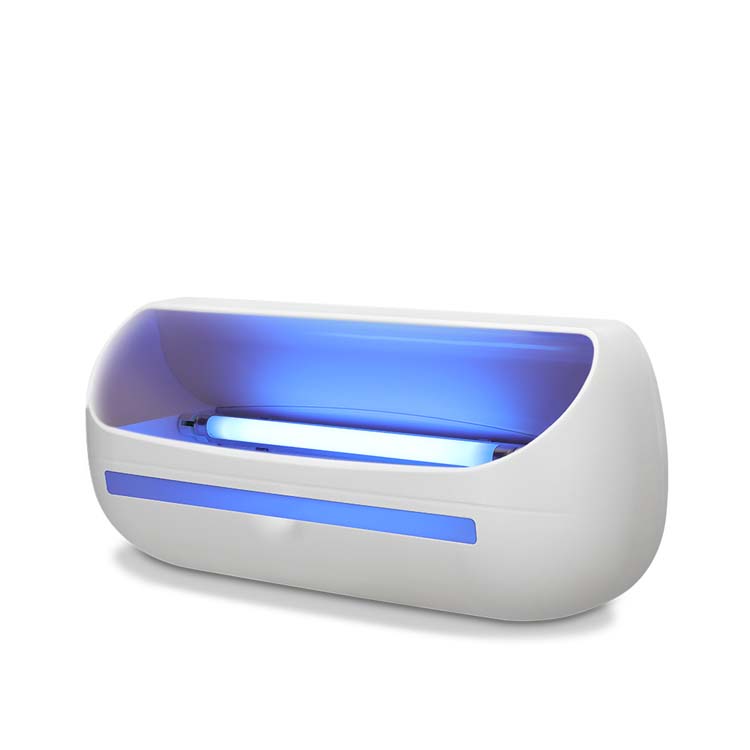
On the basis of "mosquito-attracting light source," the photocatalyst mosquito killer lamp adds a "photocatalytic reaction": through the photocatalyst made of titanium dioxide, it decomposes water molecules in the air under ultraviolet irradiation to produce a small amount of ozone and carbon dioxide, simulating human breathing to attract mosquitoes.
- Radiation condition: Its radiation source is the same as that of the physical mosquito-killing type, which is still ultraviolet light (non-ionizing radiation) + weak electromagnetic radiation from the circuit. The radiation dose of qualified products is also within the safe range.
- Key point to note: The main risk point of this type of mosquito killer lamp is "ozone" rather than radiation. If the product quality is unqualified or the photocatalyst coating is of poor quality, it may produce excessive ozone. Long-term inhalation of excessive ozone can irritate the respiratory tract. However, regular products that meet national standards will strictly control the ozone emission within the safe value, so there is no need for excessive worry.
III. Additional Question: Is the Electromagnetic Radiation from Mosquito Killer Lamps Harmful?
Many people will worry: "When a mosquito killer lamp is plugged in and used, will it produce electromagnetic radiation?" The answer is "Yes, but its impact is negligible."
- All electrical appliances that are powered on will produce electromagnetic radiation, and mosquito killer lamps are no exception. However, their power is usually only 5-20 watts, which is much lower than that of common electrical appliances such as mobile phones (with a power of about 0.1-2 watts during calls and used close to the human body) and microwave ovens (with a power of about 1000 watts);
- More importantly, in daily use, mosquito killer lamps are placed at a distance of more than 1-2 meters from the human body. Electromagnetic radiation attenuates rapidly as the distance increases, so the dose reaching the human body is already very low, and its impact on health is almost negligible.
IV. Practical Suggestions: Use Mosquito Killer Lamps Correctly for More Peace of Mind
To make mosquito killer lamps not only effective but also maximize safety, you just need to remember 3 points:
- Choose regular products: Prioritize regular brands with 3C certification. Avoid buying low-quality products to reduce the risks of ultraviolet leakage and excessive ozone;
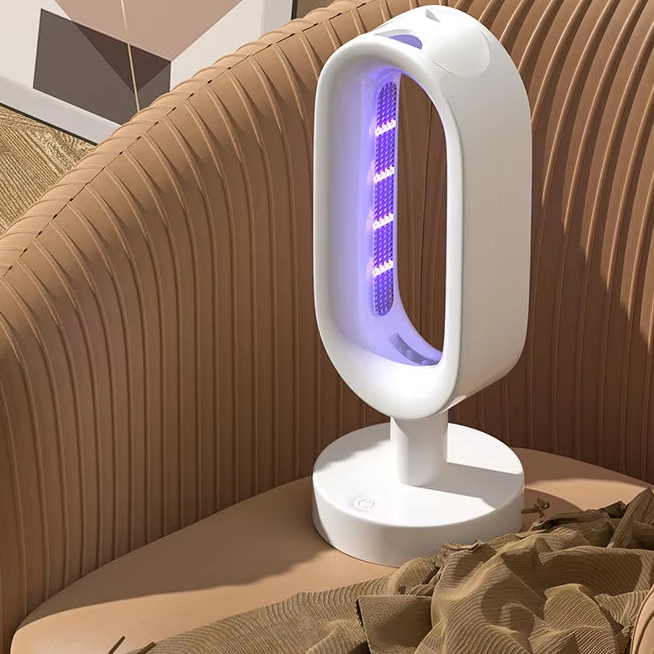
- Place reasonably: Do not place it in areas where people often stay, such as beside the bed or sofa. It is recommended to place it in locations where mosquitoes are likely to appear, such as balconies, doorways, and corners, and keep it at a distance of more than 1 meter from the human body;
- Turn off the power in time: Turn off the power of the mosquito killer lamp during the day or when no one is in the room. This not only saves energy but also reduces unnecessary radiation exposure.
Conclusion: No Need to Worry About the Radiation from Mosquito Killer Lamps
In conclusion, mosquito killer lamps do emit radiation, but all of it is non-ionizing radiation with low energy and safe for the human body. As long as we choose regular products and use them in the correct way, there is no need to worry about the "radiation" issue at all. Instead of obsessing over radiation, it is better to focus on the mosquito-killing effect and usage safety of the mosquito killer lamp, so that it can truly help us stay away from mosquito bites.
Is Mosquito Killer Lamp a Waste of Money
Does a Mosquito Killer Lamp Consume Much Electricity
Related Article

If you’re struggling with annoying mosquitoes, flies, and other flying pests indoors and outdoors, upgrading from traditional manual tools to anElectric Mosquito Swatter is the most efficient solution. Many homeowners and renters search where to buy fly swatter online to find durable, safe, and high-performance electric models that deliver instant pest control.
Where to Buy Fly Swatter
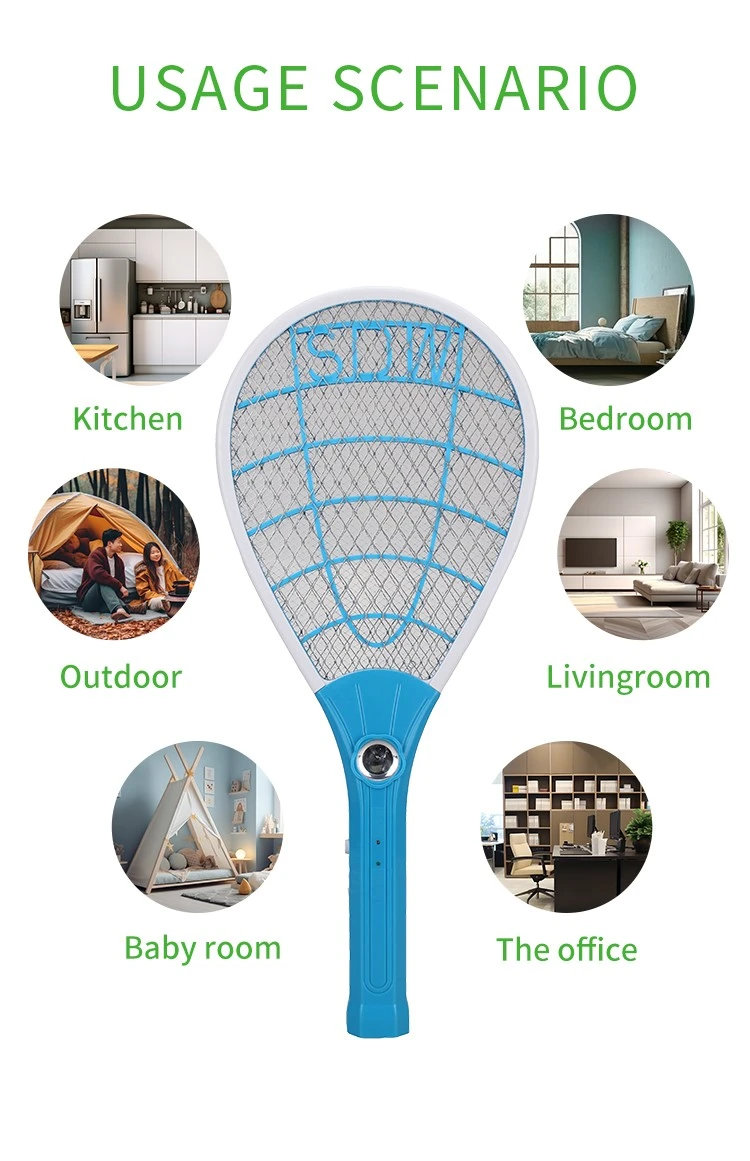
Most importers of electric mosquito swatters obsess over the first order: samples requested, factories vetted, a pre-shipment inspection booked. Then the reorder arrives eight months later and something is off. The grid feels softer. The charge port is a slightly different shade of black. The carton thickness dropped from 350 gsm to 300 gsm. Nothing is catastrophic — but the product no longer matches what your retail customers approved, and quietly, your return rate starts climbing.
How to Keep Mosquito Swatter Quality Consistent Across Repeat Orders
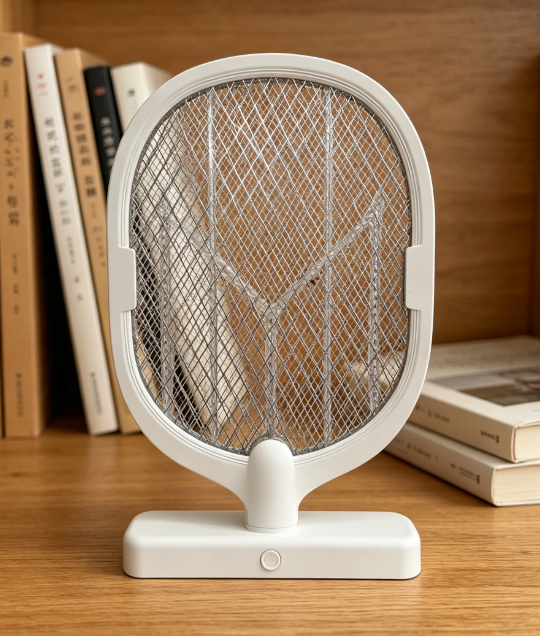
Warranty returns are the silent margin killer in the mosquito control category. A distributor who buys a swatter at $1.80 FOB and retails it at $9.90 can absorb a 1% return rate without noticing — but at 5%, the combined cost of replacement units, reverse logistics, and refund processing erases most of the line's profit.
Common mosquito swatter killer lamp failure modes wholesale spec guide

Digital bathroom scales rank as the second-highest-volume consumer weighing product category, only behind kitchen scales, with distinct market and product characteristics that set them apart from other scale types in importers’ product portfolios.
Digital bathroom body fat-bia-scale wholesale buyers guide