
Does Mosquito Killer Lamp Light Affect Sleep
2026-07-08
Does Mosquito Killer Lamp Light Affect Sleep?
In hot summer months, mosquitoes are the biggest nuisance that disrupts nighttime sleep. Mosquito killer lamps have become a must-have household product for mosquito control thanks to their chemical-free, safe and quiet features. However, many people wonder: will the faint light from an all-night mosquito killer lamp affect sleep? Light sleepers, pregnant women and infants are especially concerned about sleep disruption caused by nighttime light sources. In fact, the impact of mosquito killer lamp light on sleep varies by situation, mainly depending on the light type, brightness and usage method. This guide will give you a full explanation to help you achieve both effective mosquito control and high-quality sleep.
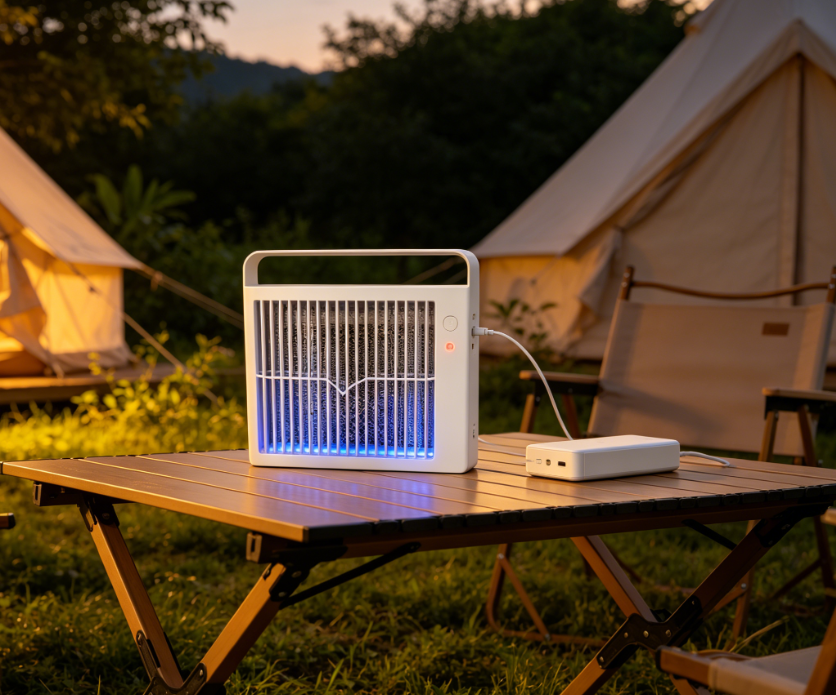
1. Core Conclusion: Mosquito Killer Lamp Light Does Impact Sleep
Many people mistakenly believe that the dim light of mosquito killer lamps is too faint to interfere with sleep. From the perspective of sleep science, sleep quality is closely linked with melatonin secretion, and melatonin is extremely sensitive to light. Even faint visible light in the environment can inhibit the synthesis and secretion of melatonin to varying degrees, resulting in delayed sleep onset, lighter sleep and frequent nighttime waking.
Professional data shows that ambient light exceeding 50 lux at night can significantly disturb sleep. Although the close-range brightness of most ordinary mosquito killer lamps is lower than this standard, long-term and direct irradiation on the human body can continuously stimulate retinal photoreceptors. The impact may be negligible for adults with sound sleep, but it can easily cause restless sleep and morning fatigue for light sleepers, the elderly and children.
2. Different Mosquito Killer Lamp Lights Have Varying Impacts on Sleep
There are three main types of mosquito killer lamp lights on the market. Their different wavelengths and color temperatures lead to vastly different degrees of sleep interference, which explains why some people sleep soundly with the lamp on while others suffer from poor sleep all night.
2.1 Traditional UV Purple Light Lamps: Strongest Sleep Disruption
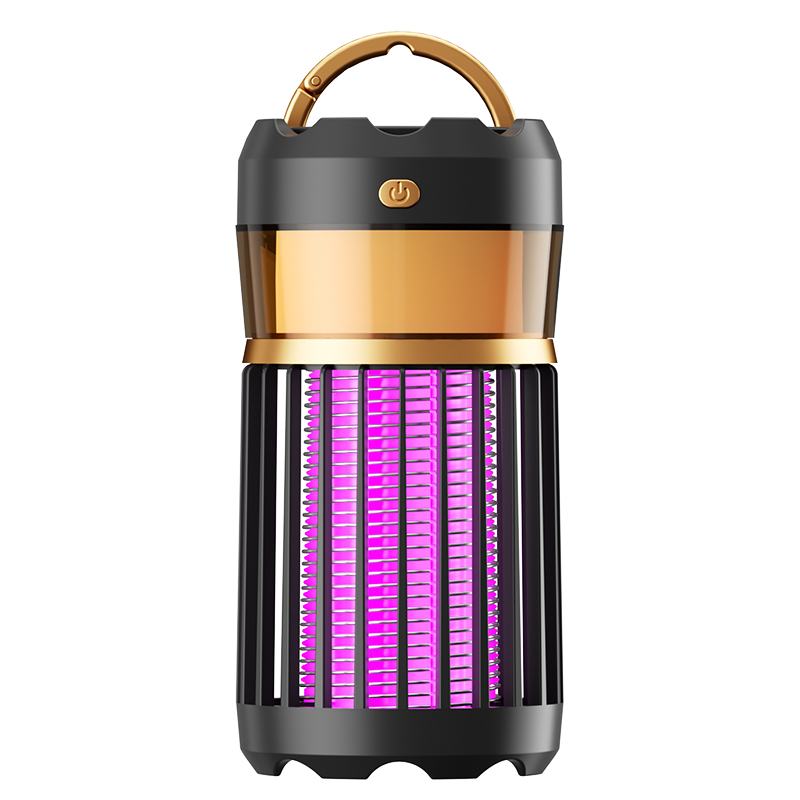
This is the most common basic mosquito killer lamp, which attracts mosquitoes through 365nm ultraviolet purple light. Short-wavelength blue-violet light is one of the most effective light sources for inhibiting melatonin secretion. Despite low brightness, purple light has strong penetrating power in dark environments, continuously stimulating the retina and disrupting the body’s circadian rhythm. Long-term overnight use tends to cause lighter sleep, frequent dreams and morning dizziness, making it unsuitable for overnight use in bedrooms.
2.2 Soft Warm Light Lamps: Slight Interference, Suitable for Most People
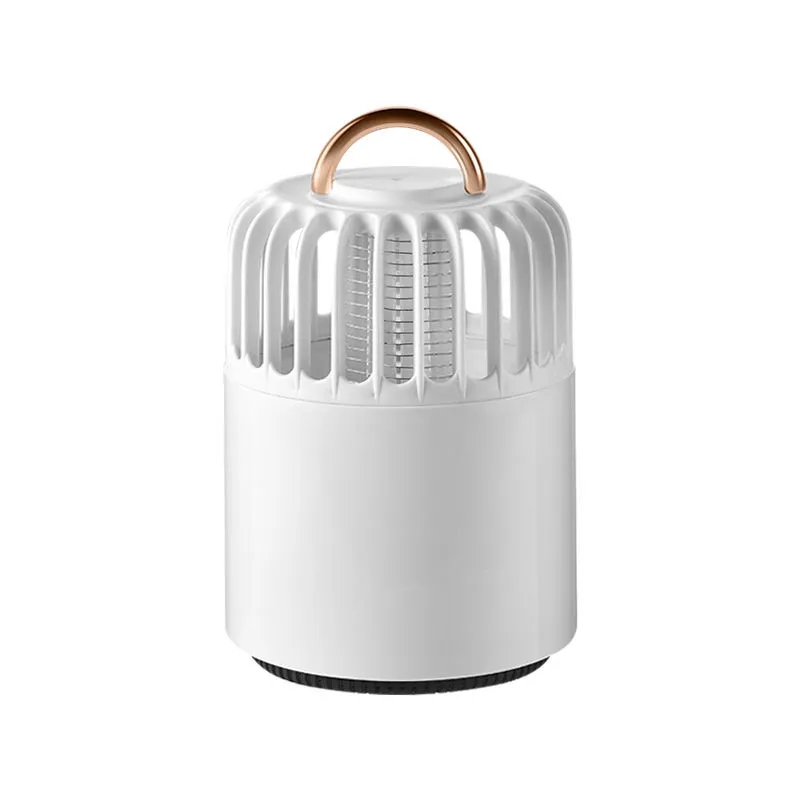
Most upgraded modern household mosquito killer lamps adopt a soft warm yellow light design, eliminating harsh purple light. With longer wavelengths and softer illumination, warm light greatly reduces melatonin inhibition and causes no intense visual stimulation in the dark. For most adults, overnight use brings no obvious sleep disturbance, and most light sleepers can adapt to it well. It is the preferred option for bedroom use.
2.3 Non-luminous Mosquito Traps: Almost Zero Sleep Interference
High-end maternal and infant-safe mosquito killer lamps on the market adopt bionic carbon dioxide and airflow trapping technology with no visible light emission at all. They attract mosquitoes purely through physical principles. These products completely eliminate light interference, making them the best choice for infants, pregnant women and severe light sleepers, delivering efficient mosquito control while ensuring an undisturbed sleeping environment.
3. Hidden Details That Ruin Sleep (Beyond Light Pollution)
Poor sleep with a mosquito killer lamp on is not solely caused by light. Many overlooked secondary flaws of the lamps often combine to worsen sleep quality.
First, low-frequency strobing. Low-quality mosquito killer lamps produce invisible low-frequency strobing that cannot be seen by the naked eye but continuously stimulates eye nerves, causing invisible eye fatigue and shallow sleep. Second, operating noise. The electric grid zapping sound and fan running sound of ordinary lamps measure only 25-35dB, similar to ambient white noise, but can still disrupt the sleep rhythm of extremely sensitive people at night.
In addition, improper placement is a key factor. Placing the lamp on the bedside or near the pillow leads to direct facial light irradiation. The combined impact of light stimulation and faint noise greatly amplifies sleep disturbance, which is a major cause of restless nighttime sleep.
4. Practical Tips to Balance Mosquito Control and Quality Sleep
You can enjoy effective mosquito control without sacrificing sleep quality by following these simple and practical usage tips.
First, choose regular soft warm light, flicker-free mosquito killer lamps. Avoid traditional purple light models for bedrooms, and opt for non-luminous physical traps for sensitive groups to reduce light interference fundamentally.
Second, adjust the placement. Put the lamp in corners or by windows at least 1.5 meters away from the bed, avoiding direct light exposure to your face and keeping it away from the bedside to reduce dual interference from light and noise.
Third, use it in staggered time periods. Turn on the lamp 1 to 2 hours before bedtime to kill indoor mosquitoes in advance, then turn it off while sleeping to ensure a completely dark and quiet sleeping environment. If overnight operation is necessary, choose models with timing or photosensitive automatic switch functions that power off at dawn to reduce long-term light exposure.
Fourth, customized use for special groups. Avoid strobing purple light lamps in rooms for infants, pregnant women and the elderly, and prioritize silent, non-luminous models to fully protect their sleep health.
5. Summary: Proper Use Makes Mosquito Killer Lamps Sleep-Friendly
Ultimately, mosquito killer lamp light is not an enemy of sleep. Poor-quality light sources and incorrect usage are the real culprits of sleep disruption. Traditional purple light lamps carry certain risks of sleep interference, while modern soft light and non-luminous models will not affect normal sleep as long as they are placed and used correctly.
In summer, you no longer need to choose between mosquito prevention and sound sleep. By picking the right lamp, placing it properly and mastering correct usage skills, you can stay mosquito-free and enjoy high-quality sleep all night long.
How Often Should You Charge an Electric Mosquito Swiper
What Types of Mosquito Killers Are There
Related Article

If you’re struggling with annoying mosquitoes, flies, and other flying pests indoors and outdoors, upgrading from traditional manual tools to anElectric Mosquito Swatter is the most efficient solution. Many homeowners and renters search where to buy fly swatter online to find durable, safe, and high-performance electric models that deliver instant pest control.
Where to Buy Fly Swatter
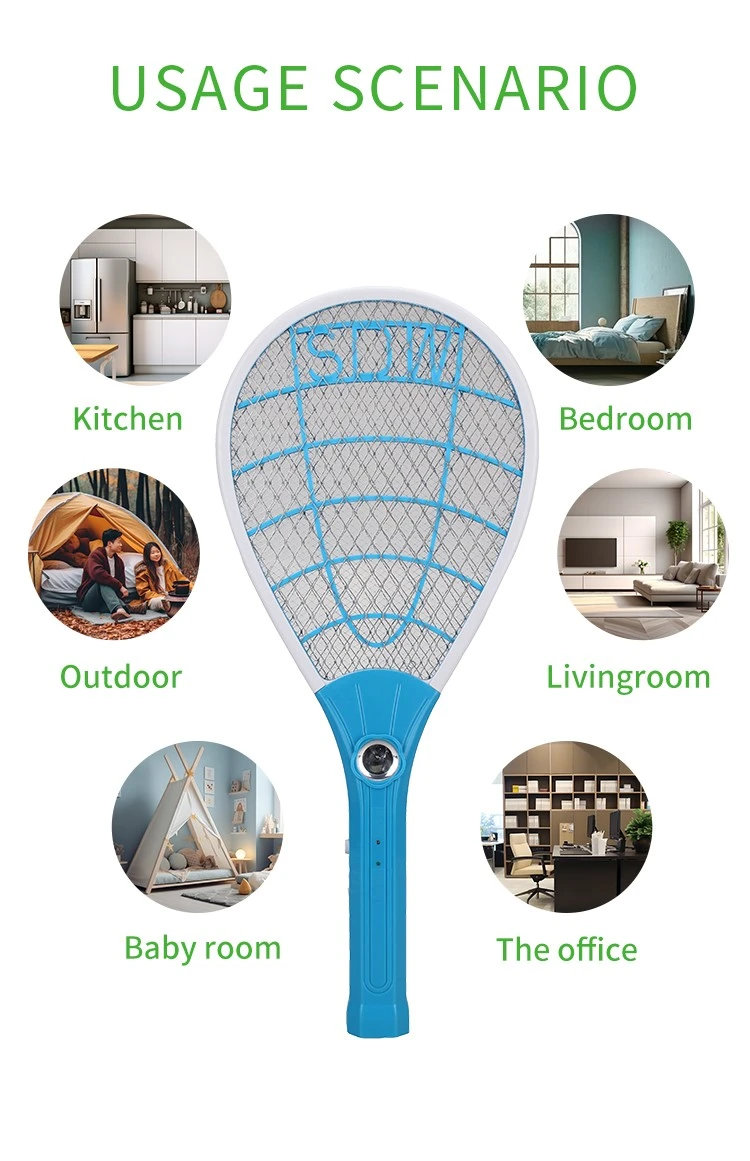
Most importers of electric mosquito swatters obsess over the first order: samples requested, factories vetted, a pre-shipment inspection booked. Then the reorder arrives eight months later and something is off. The grid feels softer. The charge port is a slightly different shade of black. The carton thickness dropped from 350 gsm to 300 gsm. Nothing is catastrophic — but the product no longer matches what your retail customers approved, and quietly, your return rate starts climbing.
How to Keep Mosquito Swatter Quality Consistent Across Repeat Orders
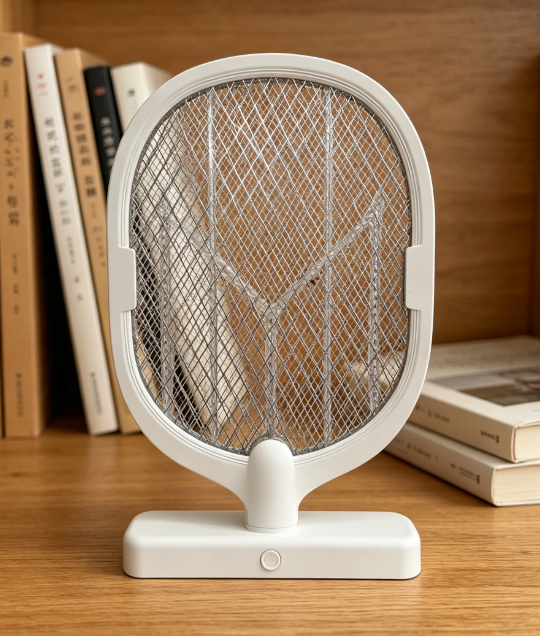
Warranty returns are the silent margin killer in the mosquito control category. A distributor who buys a swatter at $1.80 FOB and retails it at $9.90 can absorb a 1% return rate without noticing — but at 5%, the combined cost of replacement units, reverse logistics, and refund processing erases most of the line's profit.
Common mosquito swatter killer lamp failure modes wholesale spec guide

Digital bathroom scales rank as the second-highest-volume consumer weighing product category, only behind kitchen scales, with distinct market and product characteristics that set them apart from other scale types in importers’ product portfolios.
Digital bathroom body fat-bia-scale wholesale buyers guide