
Does Mosquito Spray Kill Bees
2025-06-28
Does Mosquito Spray Kill Bees
Bees play a crucial role in our ecosystem as pollinators, while mosquito sprays are commonly used to combat the nuisance and health risks posed by mosquitoes. A pressing question then arises: does mosquito spray kill bees? This blog will delve into the details to uncover the answer and explore related concerns.
The Ingredients of Mosquito Sprays and Their Effects71
Common Active Ingredients
Mosquito sprays typically contain various active ingredients, and many of them can be harmful to bees. Pyrethroids are one of the most commonly used active ingredients in mosquito control products. They work by attacking the nervous systems of insects. While effective against mosquitoes, pyrethroids are also highly toxic to bees. Another ingredient, neonicotinoids, although not as frequently used in sprays but sometimes present in mosquito control products, can have long - term and sub - lethal effects on bees, affecting their navigation, foraging, and reproduction abilities.
Mode of Action on Bees
When bees come into contact with mosquito spray, either through direct exposure or by landing on sprayed surfaces, the toxic ingredients can quickly enter their bodies. Once inside, these substances disrupt the normal functioning of the bees' nervous systems. For example, pyrethroids bind to the sodium channels in the nerve cells of bees, causing the nerves to fire continuously. This leads to paralysis and ultimately death. Even if the exposure doesn't result in immediate death, sub - lethal doses can still have a significant impact on the overall health and productivity of bee colonies.
Factors Affecting the Impact on Bees
Spray Application Methods
The way mosquito spray is applied can greatly influence the extent of harm to bees. Aerial spraying, which covers large areas quickly, has a higher risk of directly exposing bees in the air and on nearby plants. In contrast, targeted ground spraying in specific areas, such as around mosquito - breeding sites, can reduce the likelihood of bees being affected. Additionally, spraying during the times when bees are least active, such as early morning or late evening, can minimize their exposure.
Environmental Conditions
Environmental factors also play a role. Windy conditions can carry the spray further than intended, increasing the area of exposure for bees. Humidity and temperature can affect the persistence and volatility of the spray ingredients. For instance, in hot and dry conditions, some spray chemicals may evaporate more quickly, reducing their potential to harm bees over an extended period, but at the same time, increasing the risk of inhalation for bees in the immediate vicinity.
Balancing Mosquito Control and Bee Protection
Alternative Mosquito Control Methods
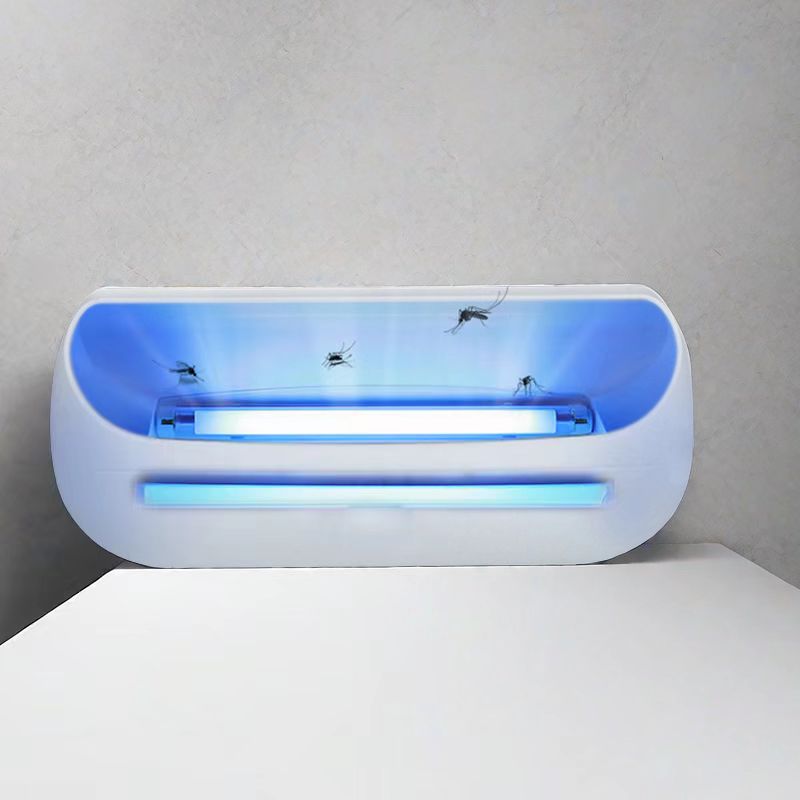
To protect bees while still managing mosquito populations, alternative control methods can be considered. Biological control, such as introducing mosquito - eating fish into water sources or using bacteria that target mosquito larvae, can be an effective and bee - friendly approach. Physical barriers like mosquito nets and screens can also provide protection for humans without harming bees.
Responsible Use of Mosquito Sprays
If mosquito spray is necessary, it should be used responsibly. Reading and following the product instructions carefully is essential. Selecting products that are specifically labeled as less harmful to bees or using lower - toxicity formulations can reduce the risk. Also, avoiding spraying near beehives, flowering plants, and other areas where bees are likely to be present can significantly decrease the negative impact on bee populations.
Conclusion
In conclusion, most mosquito sprays do have the potential to kill bees due to their toxic ingredients and the way they act on the insects' nervous systems. However, by understanding the factors that influence this impact and adopting alternative control methods or using sprays responsibly, we can strike a balance between keeping mosquitoes at bay and protecting these vital pollinators. It's crucial that we take these considerations into account to safeguard both our well - being and the health of our ecosystem.
Do Electric Fly Swatter Really Work
Do Mosquitoes Like Light
Related Article

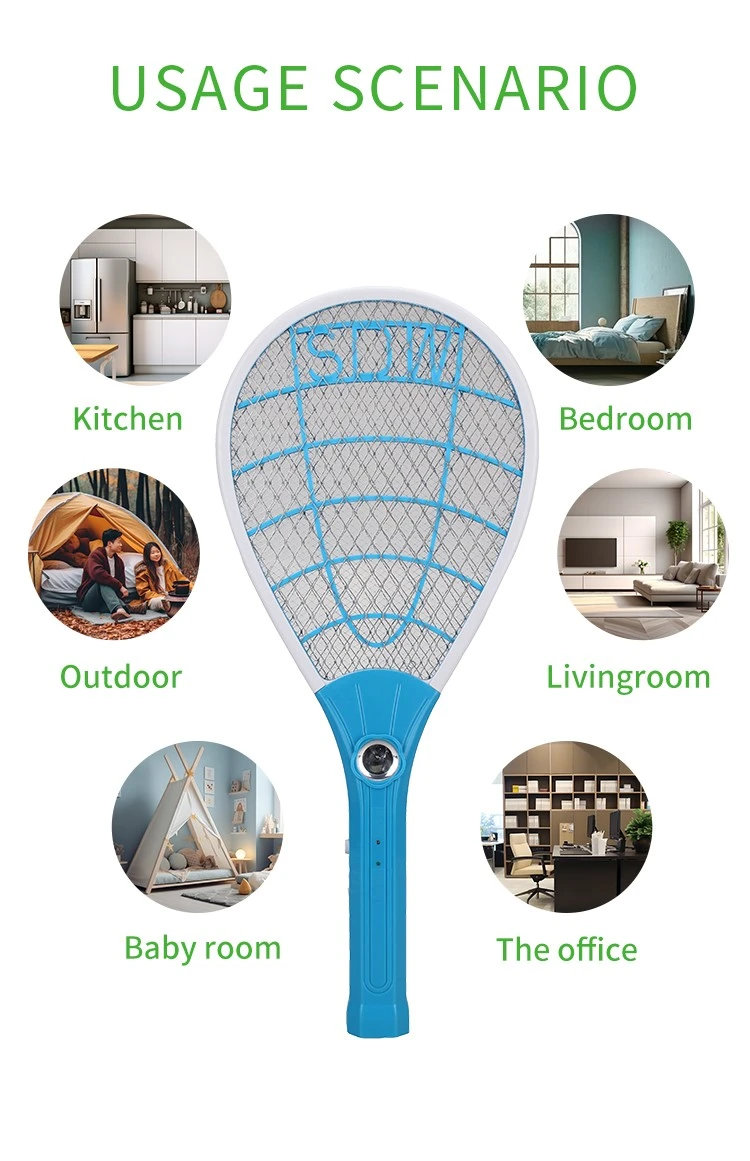
If you’re struggling with annoying mosquitoes, flies, and other flying pests indoors and outdoors, upgrading from traditional manual tools to anElectric Mosquito Swatter is the most efficient solution. Many homeowners and renters search where to buy fly swatter online to find durable, safe, and high-performance electric models that deliver instant pest control.
Where to Buy Fly Swatter
Most importers of electric mosquito swatters obsess over the first order: samples requested, factories vetted, a pre-shipment inspection booked. Then the reorder arrives eight months later and something is off. The grid feels softer. The charge port is a slightly different shade of black. The carton thickness dropped from 350 gsm to 300 gsm. Nothing is catastrophic — but the product no longer matches what your retail customers approved, and quietly, your return rate starts climbing.
How to Keep Mosquito Swatter Quality Consistent Across Repeat Orders
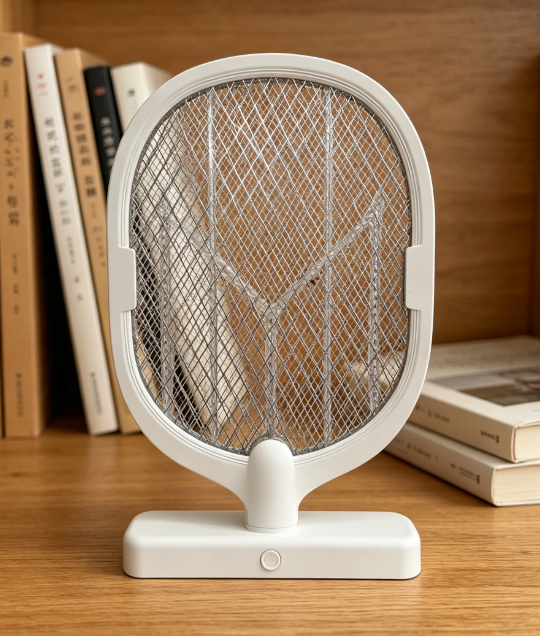
Warranty returns are the silent margin killer in the mosquito control category. A distributor who buys a swatter at $1.80 FOB and retails it at $9.90 can absorb a 1% return rate without noticing — but at 5%, the combined cost of replacement units, reverse logistics, and refund processing erases most of the line's profit.
Common mosquito swatter killer lamp failure modes wholesale spec guide

Digital bathroom scales rank as the second-highest-volume consumer weighing product category, only behind kitchen scales, with distinct market and product characteristics that set them apart from other scale types in importers’ product portfolios.
Digital bathroom body fat-bia-scale wholesale buyers guide