
Does Mosquito Spray Kill Bees
2025-06-10
Does Mosquito Spray Kill Bees
Understanding the Ingredients in Mosquito Sprays
Mosquito sprays are formulated with various active ingredients designed to repel or kill mosquitoes. The most common active ingredients include pyrethroids, DEET (N,N-Diethyl-meta-toluamide), and picaridin. Pyrethroids, derived from pyrethrum, a natural compound found in chrysanthemum flowers, work by attacking the nervous systems of insects. DEET and picaridin primarily function as repellents, creating a barrier that mosquitoes find unappealing.
These chemicals are not selective in their action. While they are effective against mosquitoes, they can also pose a significant threat to other insects, including bees. Bees, like mosquitoes, have a sensitive nervous system, and exposure to these chemicals can disrupt their normal physiological functions.
How Mosquito Spray Affects Bees
When bees come into contact with mosquito spray, either through direct application or by foraging on plants that have been sprayed, the chemicals can have immediate and long-term effects. Direct exposure to pyrethroids, for example, can cause paralysis and death in bees. Even low levels of exposure can impair their navigation, communication, and foraging abilities.
Bees are essential pollinators, and their decline can have a cascading effect on ecosystems and agriculture. If bees are unable to perform their pollination duties effectively, it can lead to reduced crop yields, affecting food production and biodiversity.
Scientific Studies on the Impact of Mosquito Spray on Bees
Numerous scientific studies have investigated the impact of mosquito sprays on bees. Research has shown that exposure to pyrethroids can reduce the lifespan of bees, disrupt their colony behavior, and decrease their reproductive success. Some studies have also found that bees exposed to mosquito sprays may have a harder time finding food sources and returning to their hives.
These findings highlight the need for more careful use of mosquito sprays and the development of bee-friendly alternatives. While mosquito control is important for public health, it should not come at the expense of these vital pollinators.
What Can You Do to Protect Bees?
If you are concerned about the impact of mosquito spray on bees, there are several steps you can take. First, consider using natural mosquito repellents, such as citronella candles, essential oils, or physical barriers like mosquito nets. These alternatives are less harmful to bees and other beneficial insects.
When using mosquito sprays, avoid applying them during peak bee activity times, typically in the morning and late afternoon. Also, try to target the application areas where mosquitoes are most likely to be found, rather than spraying large, open areas.
Supporting local beekeepers and planting bee-friendly gardens can also help protect bee populations. By providing a habitat rich in nectar and pollen sources, you can attract bees and contribute to their conservation.
In conclusion, mosquito spray can indeed kill bees. The chemicals in these sprays are not only effective against mosquitoes but can also have a detrimental impact on bee health and survival. As responsible stewards of the environment, it is important for us to be aware of these risks and take steps to protect these essential pollinators. By making small changes in our mosquito control practices, we can help ensure a healthy future for both bees and humans.
How to Kill Mosquitoes
Why Can't a Fly Dodge a Fly Swatter
Related Article

If you’re struggling with annoying mosquitoes, flies, and other flying pests indoors and outdoors, upgrading from traditional manual tools to anElectric Mosquito Swatter is the most efficient solution. Many homeowners and renters search where to buy fly swatter online to find durable, safe, and high-performance electric models that deliver instant pest control.
Where to Buy Fly Swatter
Most importers of electric mosquito swatters obsess over the first order: samples requested, factories vetted, a pre-shipment inspection booked. Then the reorder arrives eight months later and something is off. The grid feels softer. The charge port is a slightly different shade of black. The carton thickness dropped from 350 gsm to 300 gsm. Nothing is catastrophic — but the product no longer matches what your retail customers approved, and quietly, your return rate starts climbing.
How to Keep Mosquito Swatter Quality Consistent Across Repeat Orders
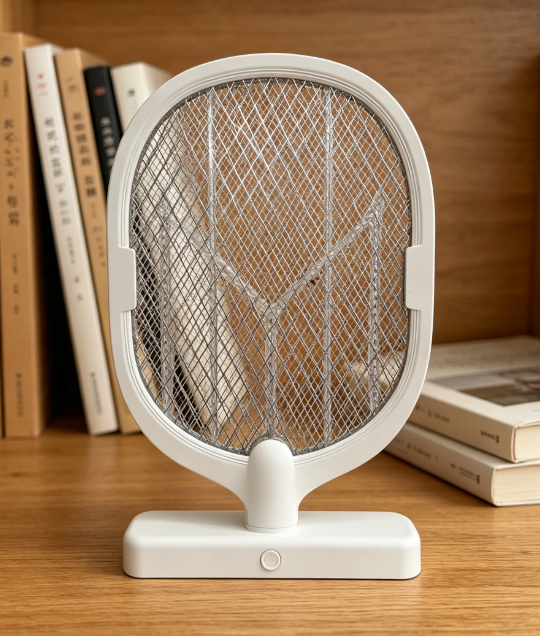
Warranty returns are the silent margin killer in the mosquito control category. A distributor who buys a swatter at $1.80 FOB and retails it at $9.90 can absorb a 1% return rate without noticing — but at 5%, the combined cost of replacement units, reverse logistics, and refund processing erases most of the line's profit.
Common mosquito swatter killer lamp failure modes wholesale spec guide

Digital bathroom scales rank as the second-highest-volume consumer weighing product category, only behind kitchen scales, with distinct market and product characteristics that set them apart from other scale types in importers’ product portfolios.
Digital bathroom body fat-bia-scale wholesale buyers guide