
Does Temperature Affect the Function of Electric Mosquito Swatters
2025-12-26
Does Temperature Affect the Function of Electric Mosquito Swatters? The Answer Lies in These Details
Swatting mosquitoes with an electric mosquito swatter with a "crackling" sound on summer nights is a common daily routine for many people; even in warm winters in the south or heated rooms in the north, occasional mosquitoes also make electric mosquito swatters useful. But have you ever noticed that sometimes the electric mosquito swatter, obviously fully charged, can't kill mosquitoes, or even the electric arc becomes weaker? In fact, this is likely related to the weather temperature. Today, let's talk about whether temperature really affects the function of electric mosquito swatters and the reasons behind it.
To understand the impact of temperature, let's first briefly talk about the working principle of electric mosquito swatters. The core of an electric mosquito swatter is a combination of a "high-voltage generation circuit + power supply": through internal components such as high-speed switching transistors and high-voltage transformers, the low-voltage direct current of the battery is converted into high-voltage electricity of about 3000V. When a mosquito touches the power grid, the high voltage breaks down the air to form an electric arc, thereby killing the mosquito. From this principle, it can be seen that battery performance and the stability of electronic components directly determine the functional performance of the electric mosquito swatter—and both of these key parts are easily affected by temperature fluctuations.

Low-Temperature Environment: The "Battery Life Killer" and "Power Attenuator" of Electric Mosquito Swatters
Whether it's outdoors in northern winters or cold, unheated rooms in the south, low temperatures will obviously make electric mosquito swatters "fail to perform". This is mainly because most electric mosquito swatters are powered by lithium batteries, and lithium batteries are inherently "afraid of cold".
The core of lithium battery operation is "lithium ion migration", which is like generating current by ions "moving houses". Low temperatures will make the electrolyte viscous, which is equivalent to the "road" for ions to move being frozen, and the migration speed drops sharply; at the same time, the electrode activity will also decrease, leading to a surge in battery internal resistance and a sudden drop in available capacity. Test data shows that at -20℃, the available capacity of ordinary lithium batteries is only about half of that at room temperature, and the ion migration speed drops by 60%. Reflected in the electric mosquito swatter, it means that even if it is fully charged, it will run out of power soon, and the high-voltage output is unstable, the electric arc becomes weak and short in length, and even small mosquitoes cannot be killed.
In addition to the battery, low temperatures will also affect the core circuit of the electric mosquito swatter. The performance parameters of the high-voltage transformers, capacitors and other electronic components of the electric mosquito swatter are very sensitive to temperature. Low temperatures will cause subtle changes in capacitor capacity and resistor resistance, interfering with the working efficiency of the high-frequency oscillation circuit, leading to a decrease in the voltage conversion efficiency of the transformer. It's like a small fault in a factory's production line, and the final "high-voltage electricity" will naturally not meet the standard. Third-party test data also shows that the start-up success rate and mosquito-killing efficiency of electric mosquito swatters will be significantly reduced in a low-temperature environment of -10℃.
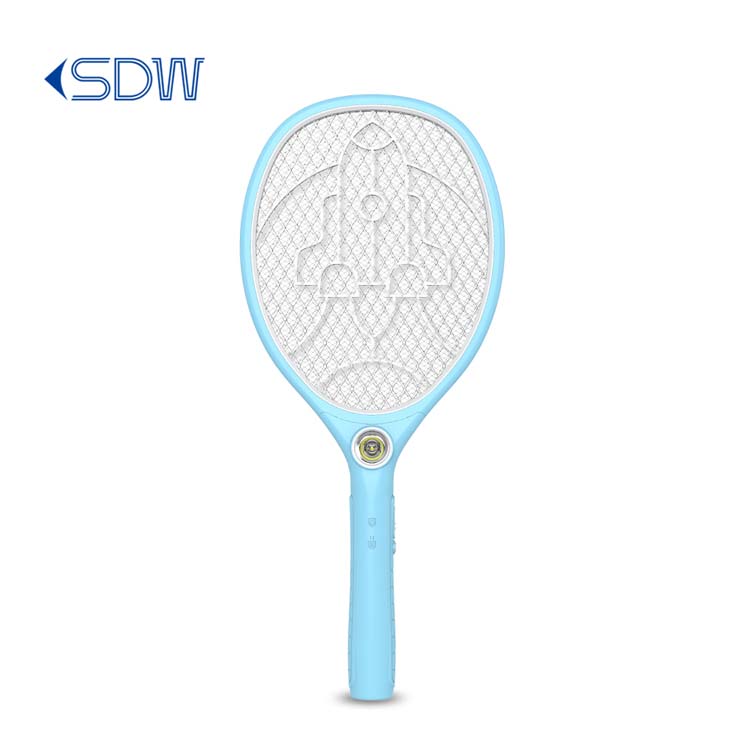
High-Temperature Environment: Seemingly Usable, but Actually Hiding "Loss Risks"
In high-temperature environments in summer (such as balconies above 35℃ or indoors after exposure to the sun), the immediate power of the electric mosquito swatter seems unaffected. Even because mosquitoes are active frequently, people feel that it is "more useful". But in fact, high temperatures will accelerate the aging of internal components, and long-term use at high temperatures will shorten the service life of the electric mosquito swatter.
The circuit components of electric mosquito swatters have their suitable operating temperature range. Third-party tests usually conduct a 70℃/48h high-temperature aging test to simulate the impact of extreme high-temperature environments on components. Long-term exposure to high-temperature environments will accelerate the aging of the insulation layer of the circuit, which may lead to problems such as leakage and short circuits; components such as capacitors may also leak electricity due to high temperatures, resulting in unstable high-voltage output. Especially in the south's plum rain season with high temperature and humidity, the combination of high temperature and humidity may also make the electric mosquito swatter absorb moisture, resulting in "no high voltage or low voltage" and a significant drop in mosquito-killing effect.
In addition, high temperatures are not friendly to lithium batteries. Although the ion activity of lithium batteries will increase at high temperatures, the short-term battery life seems better, but long-term high temperatures will accelerate the internal chemical reactions of the battery, leading to faster capacity degradation and making the "peak state" of the electric mosquito swatter shorter and shorter.
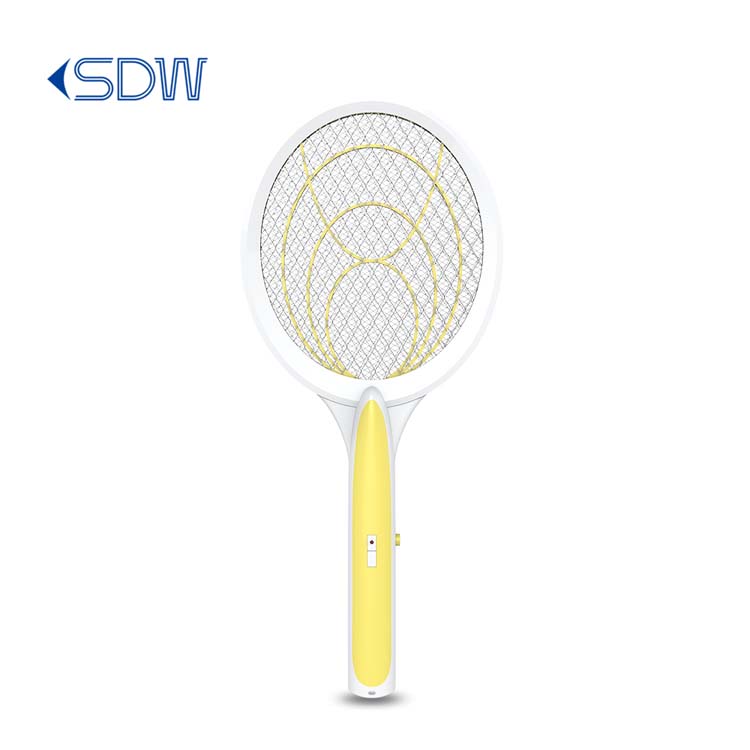
Practical Suggestions: Use It This Way to Keep the Electric Mosquito Swatter from Being "Dragged Down" by Temperature
Understanding the impact of temperature, paying attention to these points in daily use can keep the electric mosquito swatter in good condition at all times:
1. Avoid storage and use in extreme temperatures: Try not to place the electric mosquito swatter outdoors for exposure to the sun or low-temperature freezing. When using it, prioritize indoor environments with 20-30℃. If you take the electric mosquito swatter back from outdoors in winter, let it warm up indoors for 30 minutes before use to avoid component damage due to excessive temperature difference.
2. Charge correctly to protect the battery: Avoid low-temperature and high-temperature environments when charging. The suitable charging temperature for lithium batteries is 5℃-30℃. Try not to use fast charging (if supported) at low temperatures, and unplug the power in time after charging; when not in use for a long time, keep the power at 50%-80% and recharge every 3 months to avoid battery damage due to undercharging.
3. Pay attention to moisture prevention in high-temperature and high-humidity days: In the plum rain season or stuffy weather, dry the electric mosquito swatter in a dry and ventilated place in time after use to avoid internal moisture absorption. If the power decreases, you can first check if it is damp, wipe the power grid with a dry cloth and then dry it before trying.
To sum up: Temperature does affect the function of electric mosquito swatters—low temperatures mainly weaken power and battery life, while high temperatures accelerate component aging. However, as long as you avoid extreme environments and do a good job in maintenance, the electric mosquito swatter can play a stable role. Next time you encounter an electric mosquito swatter that is "not powerful enough", don't rush to blame the quality; first check if the temperature is "playing tricks"!
Insufficient Battery Life of Electric Mosquito Swatters
Can Mosquito Killer Lamps Be Used for Heating
Related Article

If you’re struggling with annoying mosquitoes, flies, and other flying pests indoors and outdoors, upgrading from traditional manual tools to anElectric Mosquito Swatter is the most efficient solution. Many homeowners and renters search where to buy fly swatter online to find durable, safe, and high-performance electric models that deliver instant pest control.
Where to Buy Fly Swatter
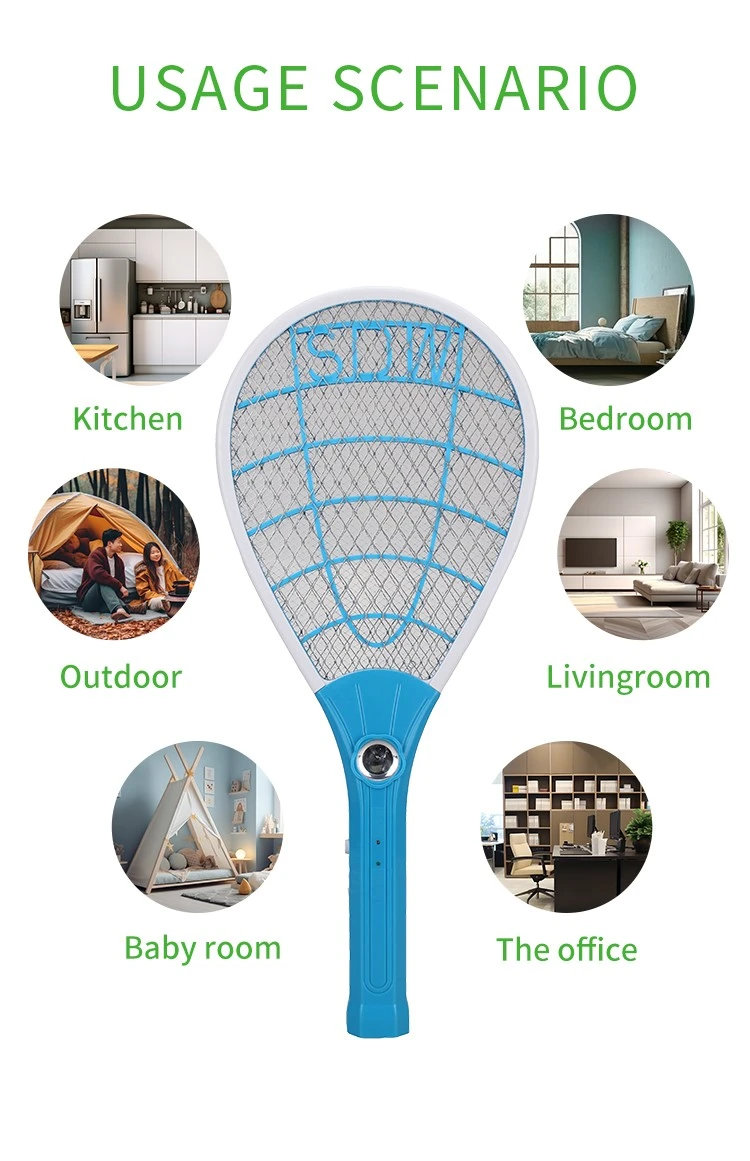
Most importers of electric mosquito swatters obsess over the first order: samples requested, factories vetted, a pre-shipment inspection booked. Then the reorder arrives eight months later and something is off. The grid feels softer. The charge port is a slightly different shade of black. The carton thickness dropped from 350 gsm to 300 gsm. Nothing is catastrophic — but the product no longer matches what your retail customers approved, and quietly, your return rate starts climbing.
How to Keep Mosquito Swatter Quality Consistent Across Repeat Orders
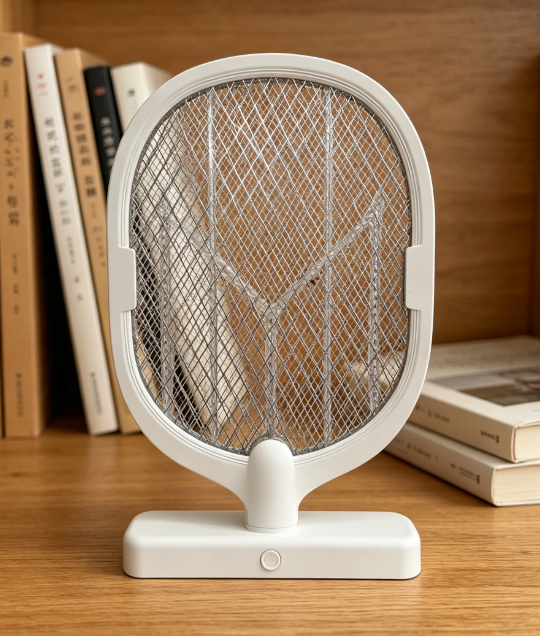
Warranty returns are the silent margin killer in the mosquito control category. A distributor who buys a swatter at $1.80 FOB and retails it at $9.90 can absorb a 1% return rate without noticing — but at 5%, the combined cost of replacement units, reverse logistics, and refund processing erases most of the line's profit.
Common mosquito swatter killer lamp failure modes wholesale spec guide

Digital bathroom scales rank as the second-highest-volume consumer weighing product category, only behind kitchen scales, with distinct market and product characteristics that set them apart from other scale types in importers’ product portfolios.
Digital bathroom body fat-bia-scale wholesale buyers guide