
Does the weight of an electric mosquito swatter affect the user experience
2025-12-18
I. The Overlooked "Invisible Pain Point"
One evening, I found myself holding a clunky electric mosquito swatter, chasing mosquitoes around the room—and my arm was so sore I thought I’d never recover. That’s when it hit me: the weight of this tiny gadget directly makes or breaks both your "mosquito-killing efficiency" and your willingness to actually use it.
Last week, I ran a little experiment: I tested three electric mosquito swatters of different weights, using each for three days straight. From darting after mosquitoes, clearing hidden corners before bed, to reaching flying insects up high, the difference weight makes was truly striking.
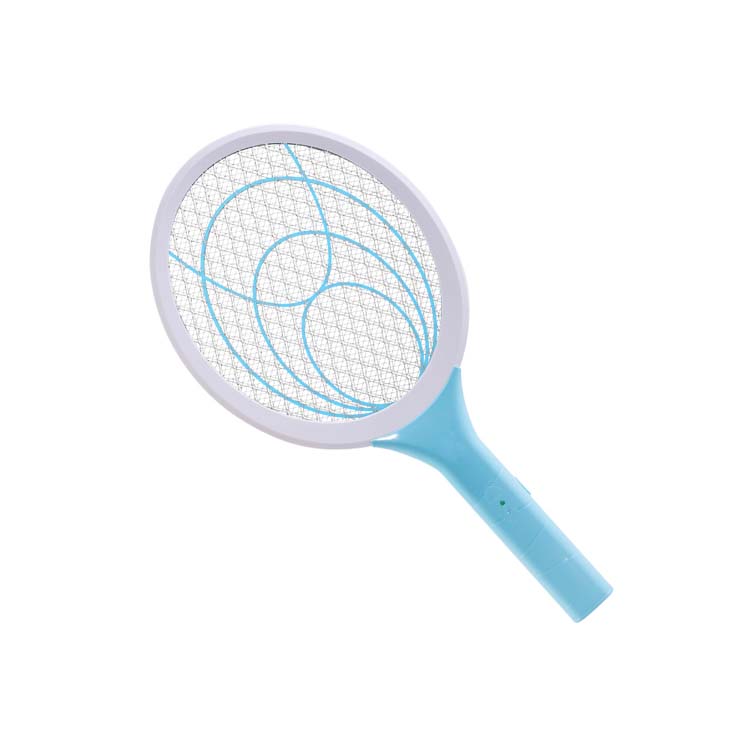
1. Ultra-Lightweight (200-250g): "Feels Like Swinging Nothing at All"
Most of these swatters sport an ultra-thin design with a smaller battery capacity (800-1200mAh), weighing roughly the same as a medium apple in your palm.
Pros: No fatigue whatsoever, even with prolonged swinging. Holding it to kill mosquitoes under the bed before sleep, or stretching to reach dead corners behind curtains while standing on the sofa—your arm feels zero strain. Women and older adults can use it effortlessly, and you can even operate it with one hand to aim precisely at tiny flying bugs.
Cons: Thanks to its light weight, the "recoil" from the electric shock is slightly more noticeable (it’s not strong by any means, but you’ll feel it compared to heavier models). Battery life is just so-so—heavy use might mean charging every other day.
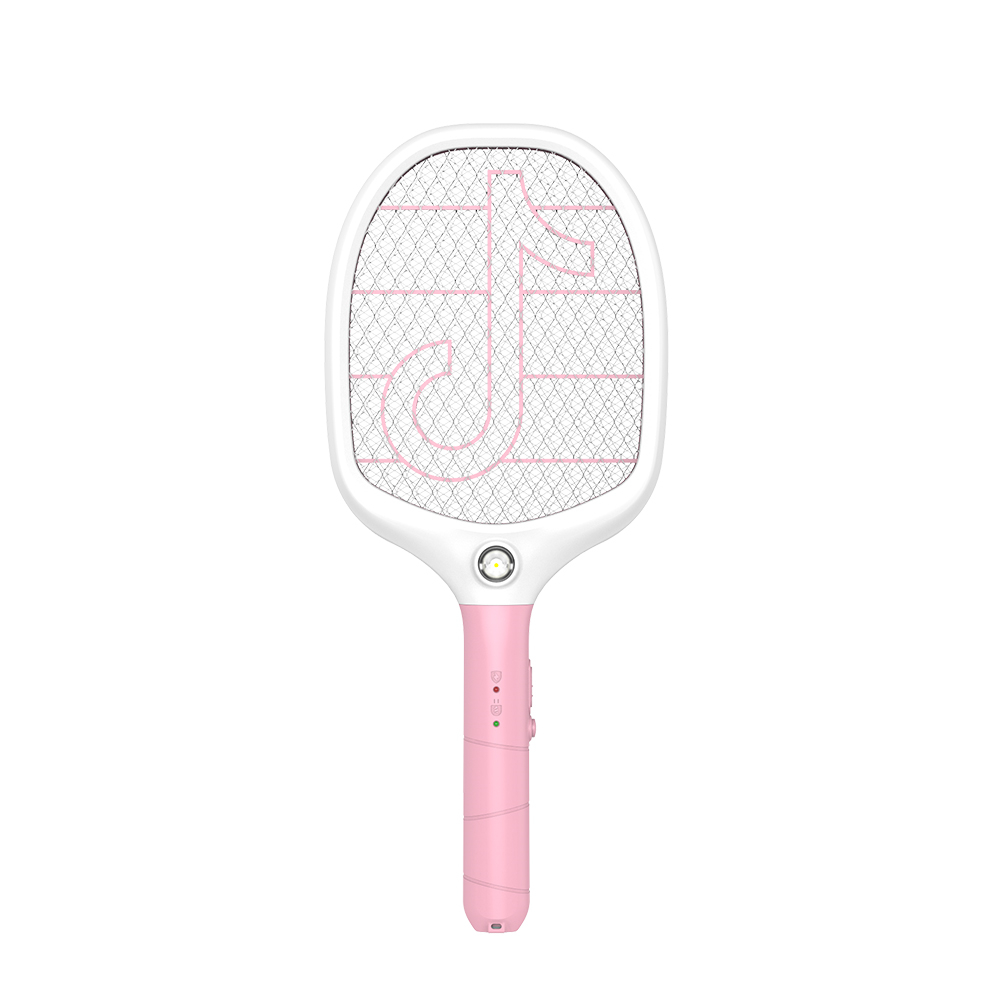
2. Medium Weight (280-350g): "The Sweet Spot for Balance"
This is the most popular weight on the market, with battery capacities mostly between 1500-2000mAh. It feels solid in your hand without being cumbersome—similar to holding a 300ml bottle of mineral water.
Pros: It strikes the perfect balance between feel and performance—swinging it takes minimal effort, and it stays stable during electric shocks (no "floppiness" from being too light). Battery life is more than enough for daily use; charging once a week is totally sufficient. Whether you’re chasing mosquitoes or holding it steady to wait for flying insects to land, it handles the job with ease.
Cons: Holding it for extended periods (say, 5+ minutes of non-stop mosquito chasing) might leave your arm feeling a little tender—but for everyday use, it’s never an issue.
3. Heavyweight (380g+): "Skip If You Lack Arm Strength"
These heavyweight models typically come with large-capacity batteries (2500mAh or more), feature a bigger grid area, or include a stand function—weighing roughly the same as a 500ml drink bottle.
Pros: They usually pack more zap power, making them more effective against larger mosquitoes and moths. Battery life is exceptional—you might only need to charge it once every 10 to 15 days. Thanks to their heft, they stay steady when held up high, reducing hand tremors.
Cons: They’re a serious test of arm strength! Chasing mosquitoes for more than 3 minutes will leave your arm throbbing. Women might struggle to reach flying insects near the ceiling, and they’re even more of a hassle for older adults to use.
III. 3 Key Tips for Picking the Right Weight
- Consider Who’s Using It: For women, older adults, or kids—opt for an ultra-lightweight model (200-250g). For family-wide use and balanced performance, go with a mainstream medium-weight option (280-350g). If your home is swarming with mosquitoes, you need long battery life, and someone can help with high-reach tasks, then a heavyweight model might work.
- Think About How You’ll Use It: If you often need to hold it up high or swing it for long stretches—choose the ultra-lightweight model. If you only kill mosquitoes occasionally and prioritize zap strength, medium or heavyweight models are fine.
- Avoid Common Myths: Lighter isn’t always better, and heavier doesn’t equal more effective. Ultra-lightweight models under 200g often have thin, flimsy materials that don’t hold up. Heavyweight models without better performance to match are just "pointlessly heavy"—totally not worth it.
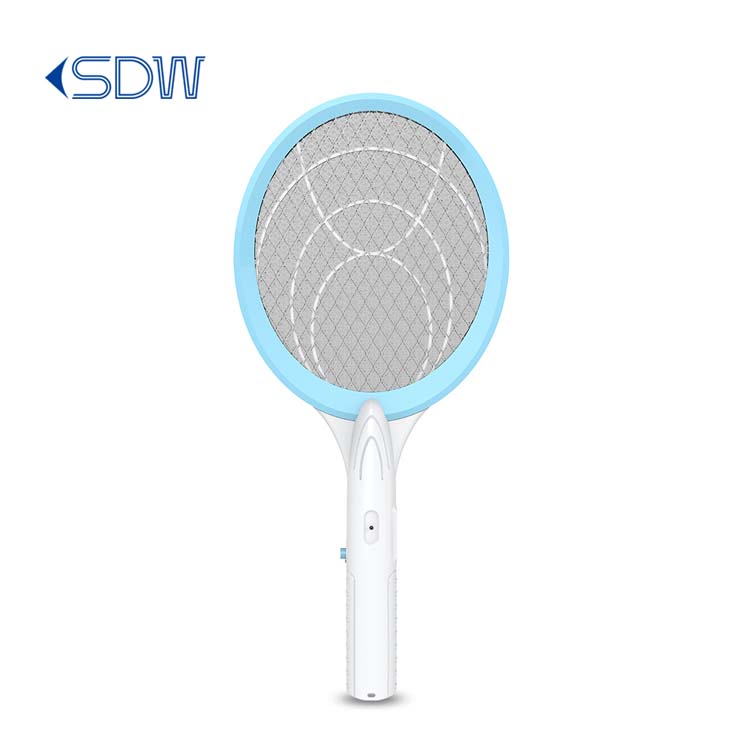
IV. Final Thought: Weight Is the Secret to "Comfortable Use"
An electric mosquito swatter is basically a "frequently used small tool." No matter how powerful its zap or how long its battery life, if it’s too heavy to grab and use, it’ll just collect dust in the corner.
I currently stick with a 290g medium-weight model—it doesn’t tire my hand during daily mosquito duty, and the battery life is more than enough. I got my mom a 230g ultra-lightweight one, and now she sweeps the room with it every night before bed—never again complaining that "killing mosquitoes is such a chore."
When shopping for an electric mosquito swatter this summer, don’t forget to pick it up and weigh it first. After all, being able to chase mosquitoes around the whole house without sore arms? That’s the real "summer lifesaver" we all need!
Is a bug zapper safe to use around my family and pets
Precautions for business trips or travel in Guangdong
Related Article

If you’re struggling with annoying mosquitoes, flies, and other flying pests indoors and outdoors, upgrading from traditional manual tools to anElectric Mosquito Swatter is the most efficient solution. Many homeowners and renters search where to buy fly swatter online to find durable, safe, and high-performance electric models that deliver instant pest control.
Where to Buy Fly Swatter
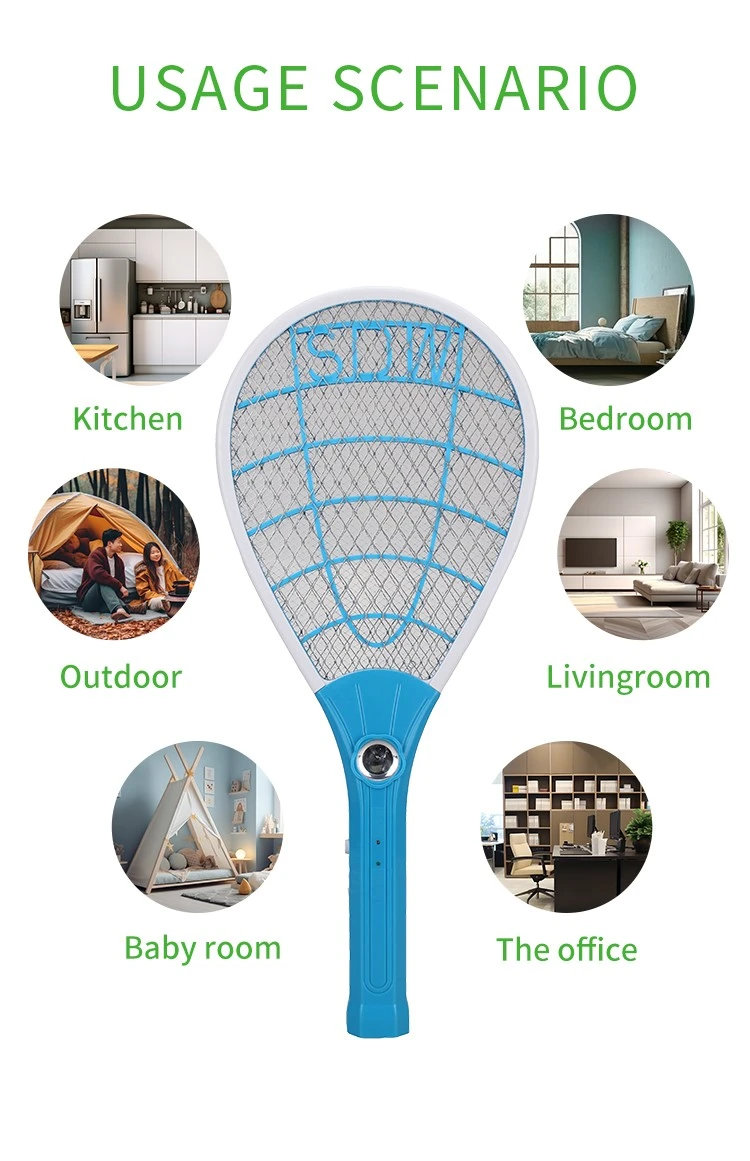
Most importers of electric mosquito swatters obsess over the first order: samples requested, factories vetted, a pre-shipment inspection booked. Then the reorder arrives eight months later and something is off. The grid feels softer. The charge port is a slightly different shade of black. The carton thickness dropped from 350 gsm to 300 gsm. Nothing is catastrophic — but the product no longer matches what your retail customers approved, and quietly, your return rate starts climbing.
How to Keep Mosquito Swatter Quality Consistent Across Repeat Orders
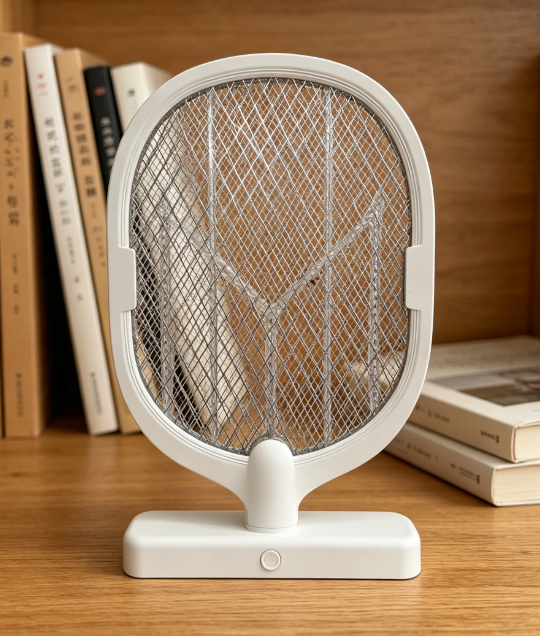
Warranty returns are the silent margin killer in the mosquito control category. A distributor who buys a swatter at $1.80 FOB and retails it at $9.90 can absorb a 1% return rate without noticing — but at 5%, the combined cost of replacement units, reverse logistics, and refund processing erases most of the line's profit.
Common mosquito swatter killer lamp failure modes wholesale spec guide

Digital bathroom scales rank as the second-highest-volume consumer weighing product category, only behind kitchen scales, with distinct market and product characteristics that set them apart from other scale types in importers’ product portfolios.
Digital bathroom body fat-bia-scale wholesale buyers guide