
Does Ultrasonic Pest Control Work
2026-04-14
Does Ultrasonic Pest Control Work? The Truth Behind the Hype
If you’ve ever dealt with pests like mice, cockroaches, or ants invading your home, you’ve probably come across ultrasonic pest control devices—those small, plug-in gadgets that promise to repel pests with high-frequency sound waves, no chemicals required. But do they actually work? The answer isn’t a simple yes or no—it depends on several key factors, including the type of pest, the device quality, and how you use it. Let’s break down the science, the evidence, and what you need to know before investing in one.
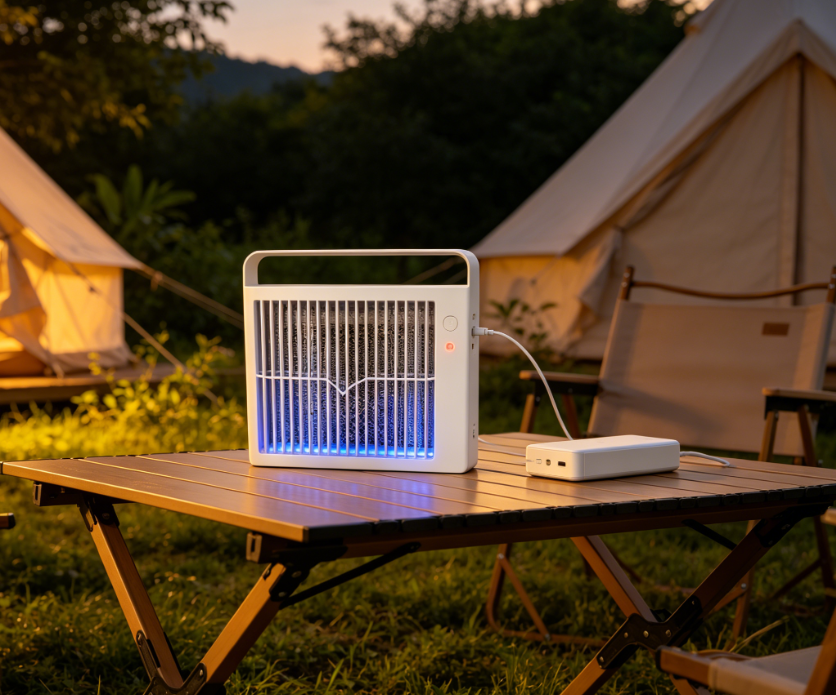
How Do Ultrasonic Pest Control Devices Work?
First, let’s understand the basics. Ultrasonic pest control devices emit high-frequency sound waves—typically between 20 kHz and 65 kHz—that are inaudible to humans and most pets (though some small animals like hamsters or guinea pigs may be affected). The idea is that these sound waves disrupt the nervous systems, navigation, and communication of pests, making your home an uncomfortable environment that they’ll want to escape from.
These devices use a component called a piezoelectric transducer to convert electrical energy into ultrasonic sound waves. When powered on, the transducer vibrates rapidly, sending the high-frequency noise through the air. For pests that rely heavily on their sense of hearing—like rodents, bats, and some insects—this constant noise is supposed to cause stress, confusion, and even interfere with their ability to feed or reproduce.
Does It Actually Work? Science and Research
The effectiveness of ultrasonic pest control is one of the most debated topics in home pest management. Some studies show promise, while others suggest these devices are little more than a gimmick. Let’s look at the evidence:
On the positive side, research from the National Agriculture and Food Research Organization (NARO) found that ultrasonic waves can effectively disperse certain agricultural pests, such as sweet potato whiteflies and cotton aphids. Their study showed that 50-60% of whitefly adults were dispersed from leaves after 1 minute of ultrasonic vibration, and egg-laying by whiteflies was halved when exposed to the waves for 4 hours a day. Other studies have found that ultrasonic devices can deter cats from gardens and reduce rodent activity in controlled settings initially.
However, there’s plenty of conflicting research. The U.S. Federal Trade Commission (FTC) has warned manufacturers that many of their claims about ultrasonic pest control effectiveness lack scientific evidence. Most studies on commercially available devices find that they have little to no impact on common household pests like cockroaches, ants, and mosquitoes. For example, tests by Kansas State University found that ultrasonic devices failed to repel ants, and similar studies showed no significant effect on bed bugs or German cockroaches.
The key takeaway: Ultrasonic pest control works best for specific pests in specific scenarios. It’s most effective against pests with sensitive hearing (like rodents and some flying insects) but far less effective against pests with limited or no hearing (like earthworms, snails, or most ants).
Key Factors That Affect Effectiveness
Even if you choose a high-quality device, its success depends on several variables. Here are the most important ones:
Pest Type: As mentioned, rodents (mice, rats) and some insects (whiteflies, aphids) are more responsive to ultrasonic waves than others. Cockroaches, mosquitoes, and bed bugs often show little to no reaction. Pests that live in walls or underground (like termites) are also unlikely to be affected, as the sound waves can’t penetrate solid surfaces effectively.
Device Quality: Not all ultrasonic devices are created equal. Cheap, low-powered models may emit inconsistent frequencies or sound waves that are too weak to have an impact. High-quality devices use variable frequencies to prevent pests from adapting to the sound—a common issue with basic models, where pests eventually get used to the noise and return.
Environment: Ultrasonic sound waves are easily blocked by walls, furniture, carpets, and even curtains. They work best in open, uncluttered spaces. If your home is large or has many obstacles, you may need multiple devices to cover all areas. High humidity can also absorb sound waves, reducing the device’s effective range.
Pest Infestation Level: Ultrasonic devices are better for prevention or mild infestations. If you have a severe infestation (e.g., a mouse nest in your walls or a cockroach colony in your kitchen), ultrasonic devices alone won’t solve the problem. They work best as a supplementary tool, not a standalone solution.
Tips for Getting the Most Out of Ultrasonic Pest Control
If you decide to try ultrasonic pest control, follow these tips to maximize its effectiveness:
1. Choose the Right Device: Look for models with variable frequencies and positive customer reviews. Avoid cheap, no-name brands—invest in a reputable product that specifies which pests it targets (e.g., “for rodents and flying insects”).
2. Place Devices Strategically: Plug devices in open areas near pest entry points (e.g., doorways, windows, or where you’ve seen pest activity). Avoid placing them behind furniture or in corners, as this blocks the sound waves. For large homes, use one device per room or every 20-30 feet (the typical effective range of most devices).
3. Combine with Other Methods: Pair ultrasonic devices with other pest control strategies for best results. This includes sealing cracks and gaps (to prevent pests from entering), keeping food sealed, and using bait traps or natural repellents (like peppermint oil for mice). For severe infestations, call a professional pest control service.
4.Be Patient: Ultrasonic devices don’t work overnight. It may take 2-4 weeks to see a reduction in pest activity, as pests need time to feel the effects of the sound waves and leave the area. If you don’t see results after a month, consider adjusting the device’s placement or trying a different model.
Final Verdict: Should You Use Ultrasonic Pest Control?
Ultrasonic pest control is not a “miracle solution,” but it can be a useful tool in your pest management toolkit—especially if you’re looking for a chemical-free, humane option. It works best for preventing mild infestations of rodents and certain insects, but it’s not effective for severe infestations or all pest types.
If you’re dealing with a small number of mice or want to deter pests from entering your home, an ultrasonic device may be worth trying. Just remember to set realistic expectations and combine it with other preventive measures. For stubborn or severe infestations, skip the gadgets and call a professional—they have the tools and expertise to eliminate pests for good.
How to Use a Kitchen Scale
How to Control Mosquitoes Outside
Related Article

If you’re struggling with annoying mosquitoes, flies, and other flying pests indoors and outdoors, upgrading from traditional manual tools to anElectric Mosquito Swatter is the most efficient solution. Many homeowners and renters search where to buy fly swatter online to find durable, safe, and high-performance electric models that deliver instant pest control.
Where to Buy Fly Swatter
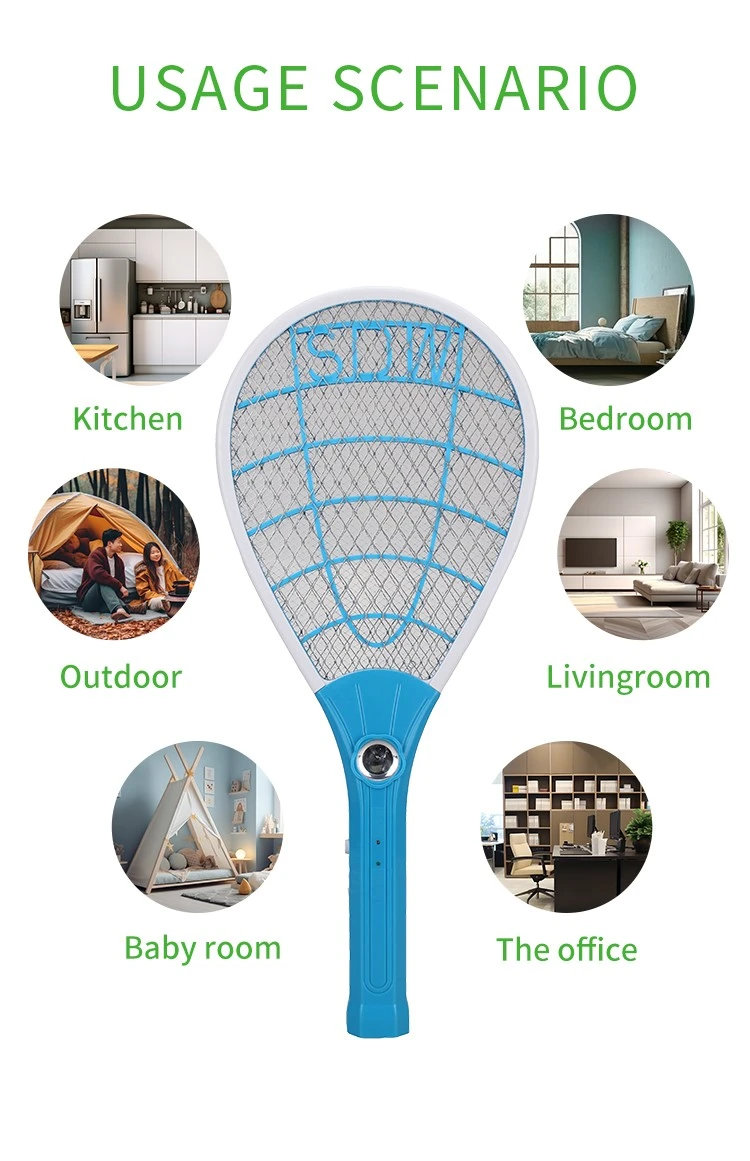
Most importers of electric mosquito swatters obsess over the first order: samples requested, factories vetted, a pre-shipment inspection booked. Then the reorder arrives eight months later and something is off. The grid feels softer. The charge port is a slightly different shade of black. The carton thickness dropped from 350 gsm to 300 gsm. Nothing is catastrophic — but the product no longer matches what your retail customers approved, and quietly, your return rate starts climbing.
How to Keep Mosquito Swatter Quality Consistent Across Repeat Orders
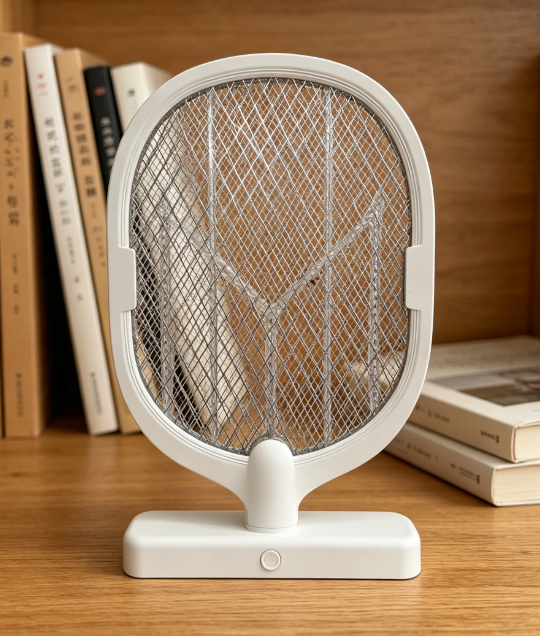
Warranty returns are the silent margin killer in the mosquito control category. A distributor who buys a swatter at $1.80 FOB and retails it at $9.90 can absorb a 1% return rate without noticing — but at 5%, the combined cost of replacement units, reverse logistics, and refund processing erases most of the line's profit.
Common mosquito swatter killer lamp failure modes wholesale spec guide

Digital bathroom scales rank as the second-highest-volume consumer weighing product category, only behind kitchen scales, with distinct market and product characteristics that set them apart from other scale types in importers’ product portfolios.
Digital bathroom body fat-bia-scale wholesale buyers guide