
Does UV Light Kill Bed Bugs
2025-06-14
Does UV Light Kill Bed Bugs
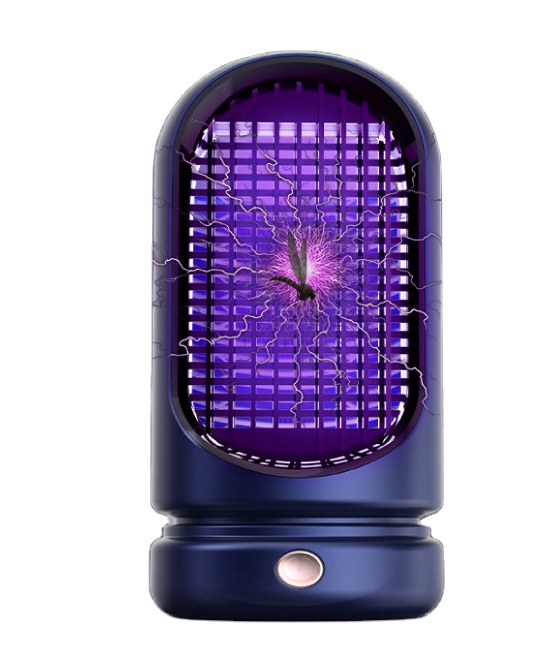
Bed bugs have become an increasingly common household pest, causing discomfort and sleepless nights for many. As people search for effective ways to eliminate these pesky insects, the question “Does UV light kill bed bugs?” often arises. With the growing popularity of UV light devices in pest control, it's essential to understand their efficacy against bed bugs. Let's delve into this topic and find out the truth.
Understanding UV Light and Bed Bugs
What is UV Light?
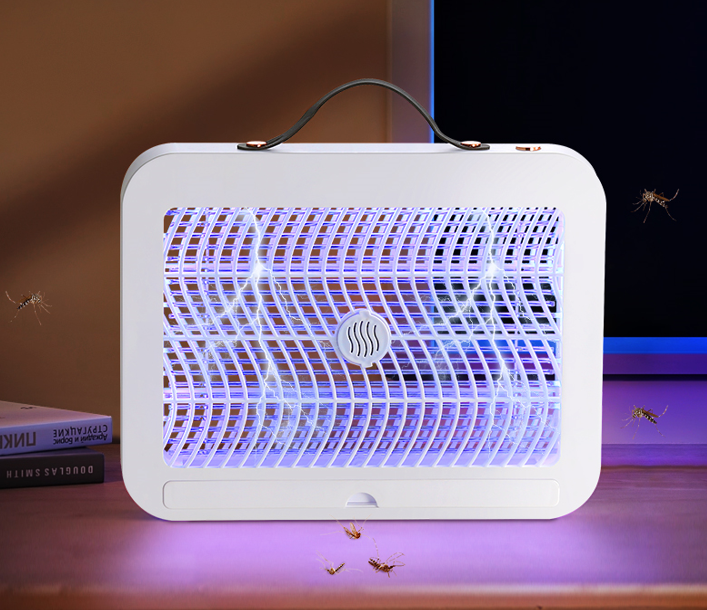
UV (ultraviolet) light is a type of electromagnetic radiation with wavelengths shorter than visible light but longer than X - rays. There are three main types of UV light: UVA, UVB, and UVC. In pest control, UVC light is often used because of its germicidal properties, which can damage the DNA and RNA of living organisms, leading to cell death.
Characteristics of Bed Bugs
Bed bugs are small, wingless insects that feed on human blood. They are nocturnal creatures, hiding in cracks, crevices, mattresses, and furniture during the day. These bugs are resilient and can survive for months without feeding, making them difficult to eradicate. Their eggs are tiny, oval - shaped, and sticky, allowing them to attach firmly to surfaces, which further complicates the elimination process.
The Effectiveness of UV Light on Bed Bugs
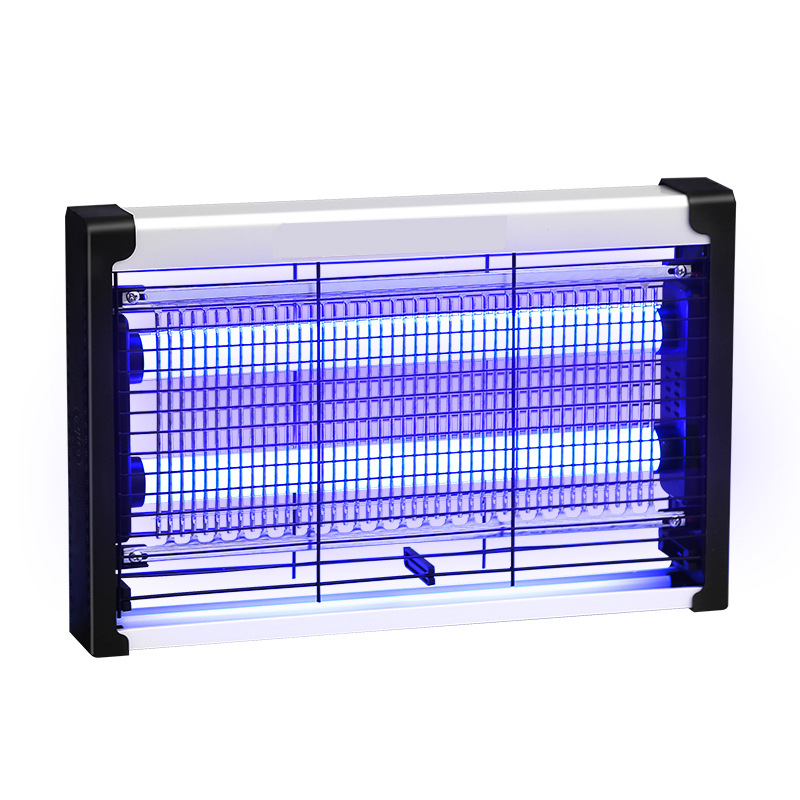
How UV Light Kills Bed Bugs (in Theory)
In theory, UV light can kill bed bugs. When bed bugs are exposed to UVC light, the high - energy radiation can damage their genetic material. This damage disrupts the normal cellular functions of the bed bugs, preventing them from reproducing and ultimately leading to their death. The same principle applies to bed bug eggs, as the UV light can destroy the genetic information necessary for the eggs to hatch.
Real - World Limitations
However, in real - world situations, the effectiveness of UV light in killing bed bugs is limited. Bed bugs are excellent at hiding in dark, protected areas. UV light can only kill bed bugs and their eggs that are directly exposed to the light. If the bugs are hidden deep within mattress seams, behind baseboards, or inside furniture voids, the UV light may not reach them. Additionally, the intensity of the UV light decreases with distance. To be effective, the UV light device needs to be very close to the bed bugs, which can be difficult to achieve in a cluttered living environment.
Other Considerations
Safety Concerns
Using UV light devices for bed bug control also comes with safety risks. Direct exposure to UVC light can be harmful to human skin and eyes. Prolonged exposure can cause skin burns, eye irritation, and in severe cases, permanent eye damage. Therefore, if you choose to use UV light to deal with bed bugs, it's crucial to follow safety guidelines strictly, such as wearing protective gear and ensuring that no one is in the room during the treatment.
Complementary Methods
Since UV light alone may not completely eliminate a bed bug infestation, it's advisable to use it in combination with other pest control methods. Vacuuming regularly can physically remove bed bugs and their eggs from surfaces. Using insecticides specifically designed for bed bugs can also target the bugs in their hiding places. Heat treatment, which raises the temperature of the infested area to a level that is lethal to bed bugs, is another effective option.
Conclusion
So, does UV light kill bed bugs? The answer is yes, but with significant caveats. While UV light has the potential to kill bed bugs and their eggs through genetic damage, its practical application in eliminating a bed bug infestation is challenging due to the bugs' hiding habits and the limitations of the light's reach. If you decide to use UV light for bed bug control, make sure to prioritize safety and combine it with other proven methods for the best results.
Will UV Light Kill Bed Bugs
How to Get Rid of Fruit Flies For Good
Related Article

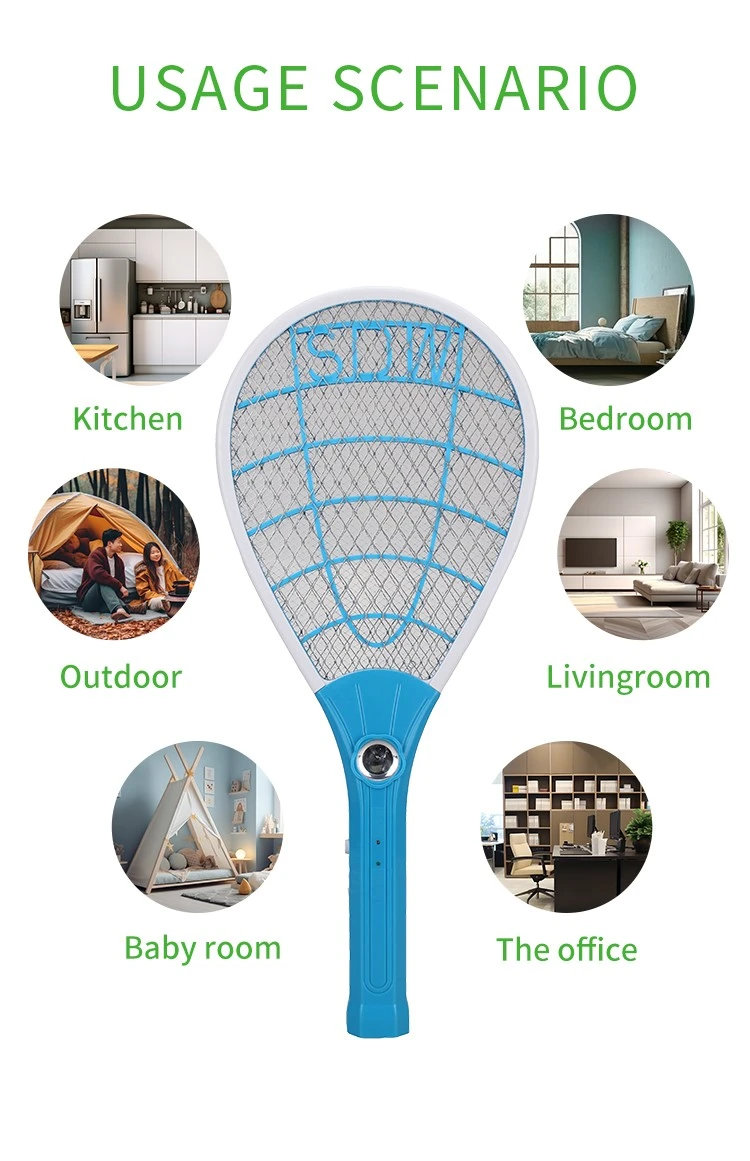
If you’re struggling with annoying mosquitoes, flies, and other flying pests indoors and outdoors, upgrading from traditional manual tools to anElectric Mosquito Swatter is the most efficient solution. Many homeowners and renters search where to buy fly swatter online to find durable, safe, and high-performance electric models that deliver instant pest control.
Where to Buy Fly Swatter
Most importers of electric mosquito swatters obsess over the first order: samples requested, factories vetted, a pre-shipment inspection booked. Then the reorder arrives eight months later and something is off. The grid feels softer. The charge port is a slightly different shade of black. The carton thickness dropped from 350 gsm to 300 gsm. Nothing is catastrophic — but the product no longer matches what your retail customers approved, and quietly, your return rate starts climbing.
How to Keep Mosquito Swatter Quality Consistent Across Repeat Orders
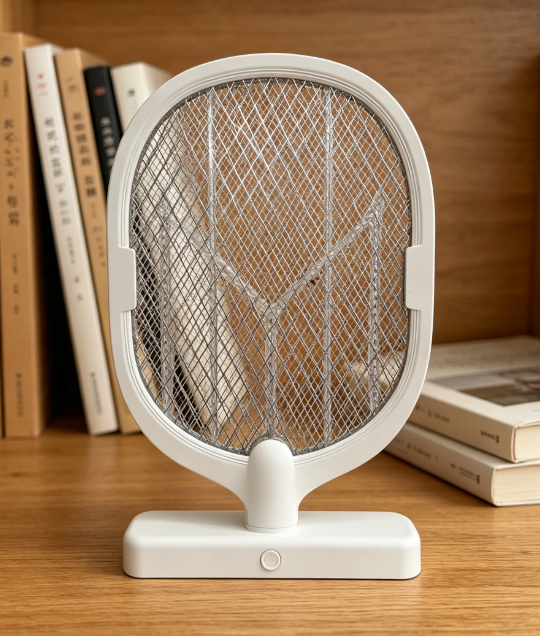
Warranty returns are the silent margin killer in the mosquito control category. A distributor who buys a swatter at $1.80 FOB and retails it at $9.90 can absorb a 1% return rate without noticing — but at 5%, the combined cost of replacement units, reverse logistics, and refund processing erases most of the line's profit.
Common mosquito swatter killer lamp failure modes wholesale spec guide

Digital bathroom scales rank as the second-highest-volume consumer weighing product category, only behind kitchen scales, with distinct market and product characteristics that set them apart from other scale types in importers’ product portfolios.
Digital bathroom body fat-bia-scale wholesale buyers guide