
Does Vinegar Kill Mosquitoes
2025-05-28
Does Vinegar Kill Mosquitoes
The Popularity of Vinegar as a Pest Control Method
Vinegar, a common household item, has long been hailed for its versatility. From cleaning to cooking, its uses seem endless. In recent years, there has been growing interest in using vinegar as a natural pest control method, particularly against mosquitoes. But does vinegar really kill mosquitoes? Let's dive into the science and evidence behind this claim.
How Vinegar Could Potentially Kill Mosquitoes
Vinegar contains acetic acid, which gives it its characteristic sour taste and pungent smell. The acidic nature of vinegar has the potential to disrupt the delicate balance of a mosquito's physiological functions. When a mosquito comes into contact with vinegar, the acid can damage its exoskeleton and internal organs, potentially leading to death. However, the effectiveness depends on the concentration of acetic acid and the duration of exposure.
Deterrent Effect
Even if vinegar doesn't directly kill mosquitoes, its strong smell can act as a deterrent. Mosquitoes rely on their sense of smell to locate hosts for feeding. The overpowering scent of vinegar can mask the carbon dioxide and body odor that mosquitoes are attracted to, making it harder for them to find their prey. This can reduce the likelihood of mosquito bites and indirectly contribute to pest control.
Types of Vinegar and Their Effectiveness
White vinegar, with its high concentration of acetic acid (usually around 5 - 8%), is often considered one of the most effective types for killing mosquitoes. Its strong acidity can quickly damage mosquito larvae in standing water, preventing them from maturing into adult mosquitoes. It can also be used in homemade sprays to repel adult mosquitoes when applied around the home.
Apple Cider Vinegar
Apple cider vinegar contains acetic acid as well, but usually at a lower concentration compared to white vinegar. While it may not be as potent in directly killing adult mosquitoes, it is still effective in deterring them. Additionally, apple cider vinegar can be used in traps. By adding a small amount of dish soap to a bowl of apple cider vinegar, you can create a simple trap that lures mosquitoes in with its sweet smell and then drowns them.
How to Use Vinegar to Control Mosquitoes
Spraying
To use vinegar as a spray, mix equal parts of vinegar and water in a spray bottle. You can then spray this solution around windows, doors, and other areas where mosquitoes are likely to enter your home. Be cautious when spraying on fabrics or delicate surfaces, as the acid in vinegar may cause discoloration or damage.
Larval Control
If you have areas of standing water around your property, such as flower pots or birdbaths, adding vinegar can help kill mosquito larvae. Pour about 1/4 to 1/2 cup of vinegar into the water. This will disrupt the larvae's breathing and feeding mechanisms, effectively eliminating them before they can become a nuisance.
Traps
As mentioned earlier, you can create vinegar traps. Place the bowl of apple cider vinegar with dish soap in areas where mosquitoes are commonly found, like near outdoor seating areas or in the garden. The mosquitoes will be attracted to the vinegar, and the dish soap will break the surface tension of the liquid, causing the mosquitoes to sink and drown.
Conclusion
So, does vinegar kill mosquitoes? The answer is yes, to some extent. Vinegar's acidic properties and strong smell make it a viable option for both killing mosquito larvae and deterring adult mosquitoes. While it may not be as powerful as chemical pesticides, it offers a natural and environmentally friendly alternative. By using vinegar in the right ways, such as through spraying, larval control, or traps, you can effectively reduce the mosquito population around your home and enjoy a more mosquito - free environment.
How to Kill Fruit Flies
Where to Place a Bug Zapper
Related Article

If you’re struggling with annoying mosquitoes, flies, and other flying pests indoors and outdoors, upgrading from traditional manual tools to anElectric Mosquito Swatter is the most efficient solution. Many homeowners and renters search where to buy fly swatter online to find durable, safe, and high-performance electric models that deliver instant pest control.
Where to Buy Fly Swatter
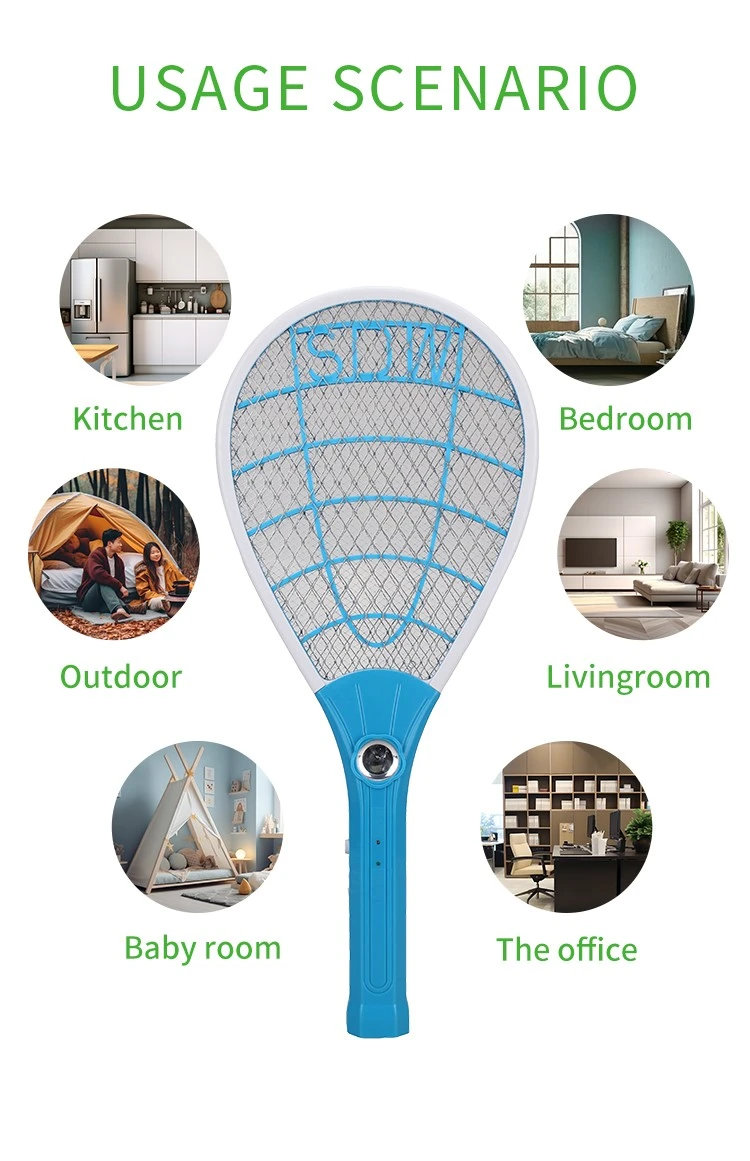
Most importers of electric mosquito swatters obsess over the first order: samples requested, factories vetted, a pre-shipment inspection booked. Then the reorder arrives eight months later and something is off. The grid feels softer. The charge port is a slightly different shade of black. The carton thickness dropped from 350 gsm to 300 gsm. Nothing is catastrophic — but the product no longer matches what your retail customers approved, and quietly, your return rate starts climbing.
How to Keep Mosquito Swatter Quality Consistent Across Repeat Orders
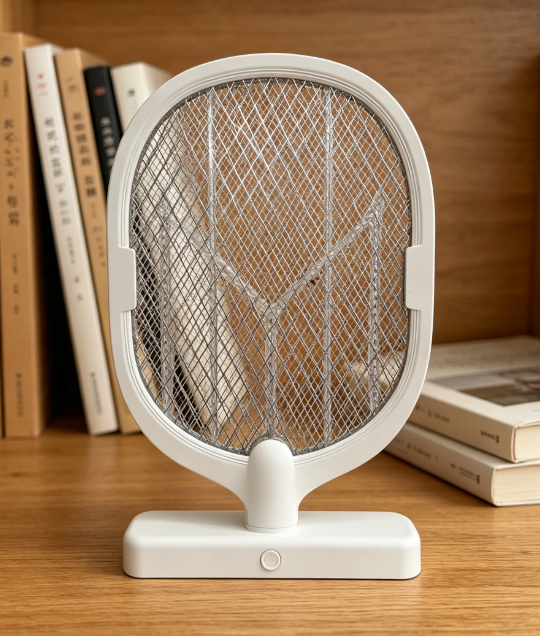
Warranty returns are the silent margin killer in the mosquito control category. A distributor who buys a swatter at $1.80 FOB and retails it at $9.90 can absorb a 1% return rate without noticing — but at 5%, the combined cost of replacement units, reverse logistics, and refund processing erases most of the line's profit.
Common mosquito swatter killer lamp failure modes wholesale spec guide

Digital bathroom scales rank as the second-highest-volume consumer weighing product category, only behind kitchen scales, with distinct market and product characteristics that set them apart from other scale types in importers’ product portfolios.
Digital bathroom body fat-bia-scale wholesale buyers guide