
Does Your Electric Mosquito Swatter Lose Effectiveness in Just 1 Month
2025-10-12
Does Your Electric Mosquito Swatter Lose Effectiveness in Just 1 Month? Master These 3 Maintenance Tips to Use It for 3 Years
Every time the mosquito season hits, electric mosquito swatters become a "mosquito-repelling essential" for many households. However, many people encounter this frustrating problem: a newly bought electric mosquito swatter loses its effectiveness in less than a month—either the electric shock becomes too weak to kill mosquitoes, or it runs out of power quickly after charging, and some even stop working entirely. Is an electric mosquito swatter really a "disposable item" that only lasts one or two months? Actually, no. In most cases, the premature failure of an electric mosquito swatter is due to our neglect of proper maintenance methods. Today, we will share 3 key maintenance tips with you. By following these tips, your electric mosquito swatter can easily last for 3 years!

I. First, Understand: Why Do Electric Mosquito Swatters Have a "Short Lifespan"?
Before discussing maintenance tips, we need to first understand the core reasons why electric mosquito swatters are prone to damage. According to maintenance data and user feedback, 90% of electric mosquito swatter failures are concentrated in three parts: the battery, the electric grid, and the charging port.
For example, many people throw their electric mosquito swatters in damp corners of the bathroom or balcony after use. Moisture can seep into the electric grid and the battery, causing a short circuit. Others have the habit of "overcharging"—plugging it in before going to bed and only unplugging it the next morning. Being in a fully charged state for a long time severely shortens the battery life. Additionally, using the electric grid to hit hard objects (such as walls or furniture) can deform the grid and break the grid wires, directly affecting the effectiveness of the electric shock. These incorrect usage habits are the main culprits behind electric mosquito swatters "not lasting more than 1 month".
II. 3 Maintenance Tips to Extend the Lifespan of Your Electric Mosquito Swatter
Tip 1: Battery Maintenance – "Shallow Charge and Shallow Discharge" to Avoid Over-Consumption
The battery of an electric mosquito swatter (mostly lithium-ion or nickel-metal hydride batteries) is the core power source and also the most easily worn part. To keep the battery durable, the key is to practice "shallow charge and shallow discharge":
- Do not overcharge: When the indicator light of the electric mosquito swatter shows it is fully charged (usually taking 4-6 hours), unplug the charger immediately. Do not charge it for an extended period. Overcharging keeps the battery in a high-voltage state for a long time, accelerating electrode aging. A battery that could originally last for 2 years may become "unable to charge" in just 1 month.
- Do not use it when the battery is dead: When you notice that the sound of the electric shock weakens and mosquitoes no longer struggle after touching the grid, it means the battery is low. Charge it in a timely manner and do not wait until it is completely dead to recharge. Deep discharge of the battery damages the internal cells and shortens its lifespan.
- Store it with power disconnected: When not in use for a long time (such as in winter), first charge the electric mosquito swatter to about 50% power, then store it in a dry and well-ventilated place to prevent battery depletion or moisture damage.
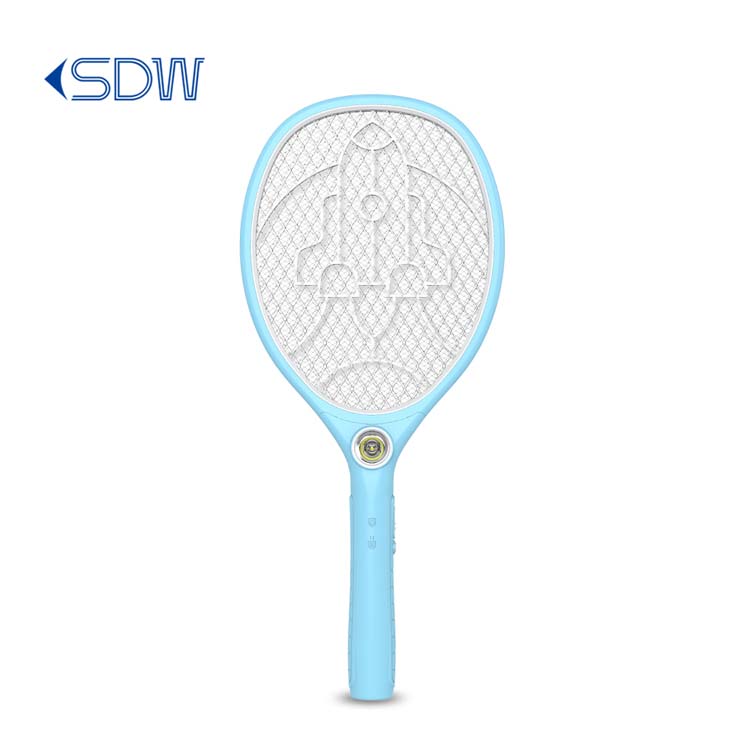
Tip 2: Electric Grid Maintenance – Prevent Scratches and Moisture to Avoid Deformation and Short Circuits
The electric grid is the "attack core" of the electric mosquito swatter. Once damaged, the mosquito-repelling effect will be greatly reduced:
- Do not "collide hard" with the electric grid: Many people press the electric mosquito swatter hard against walls, ceilings, or furniture when swatting mosquitoes. This easily deforms the grid and breaks the grid wires. The correct way is: when a mosquito is on a flat surface, approach it gently, keeping a distance of 1-2 centimeters between the grid and the mosquito. Use the "attraction force" of the electric shock to draw the mosquito onto the grid, avoiding direct impact.
- Clean with "power disconnected and dry tools": The surface of the electric grid is prone to accumulating mosquito corpses and dust. If not cleaned in time, the effectiveness of the electric shock will be affected. Before cleaning, be sure to unplug the charger and ensure the power is disconnected. Then use a dry soft-bristled brush (such as an old toothbrush) to gently brush off the debris in the gaps of the grid. Do not wipe it with a damp cloth or rinse it directly with water, as this prevents moisture from seeping inside and causing a short circuit.
- Do not store it in a damp environment: Damp areas such as the bathroom or near the kitchen sink can cause the electric grid to rust due to moisture, and may even lead to short circuits. After using the electric mosquito swatter, store it in a dry place such as the living room or bedroom. If it accidentally gets wet, dry it thoroughly before storing.
Tip 3: Daily Storage – Prevent Drops and Pressure to Protect the Body Structure
The body and switch of the electric mosquito swatter are relatively fragile. Carelessness during daily storage can easily lead to cracks in the shell and malfunctioning of the switch:
- Prevent falling from heights: The plastic shell of the electric mosquito swatter has poor impact resistance. Falling from a table or windowsill may cause the shell to crack and the internal parts to loosen. When storing, place it on a stable tabletop or in a drawer, and do not put it on the edge.
- Do not place heavy objects on it: Many people stack the electric mosquito swatter with other items (such as books or clothes). Pressure from heavy objects can deform the body and even damage the internal circuit board. It is recommended to store it separately or in a dedicated storage box.
- Prevent accidental contact with the switch: Ensure the switch is in the "off" position when not in use. This prevents children from accidentally touching the switch and also avoids the switch being in an energized state for a long time, which consumes battery power.
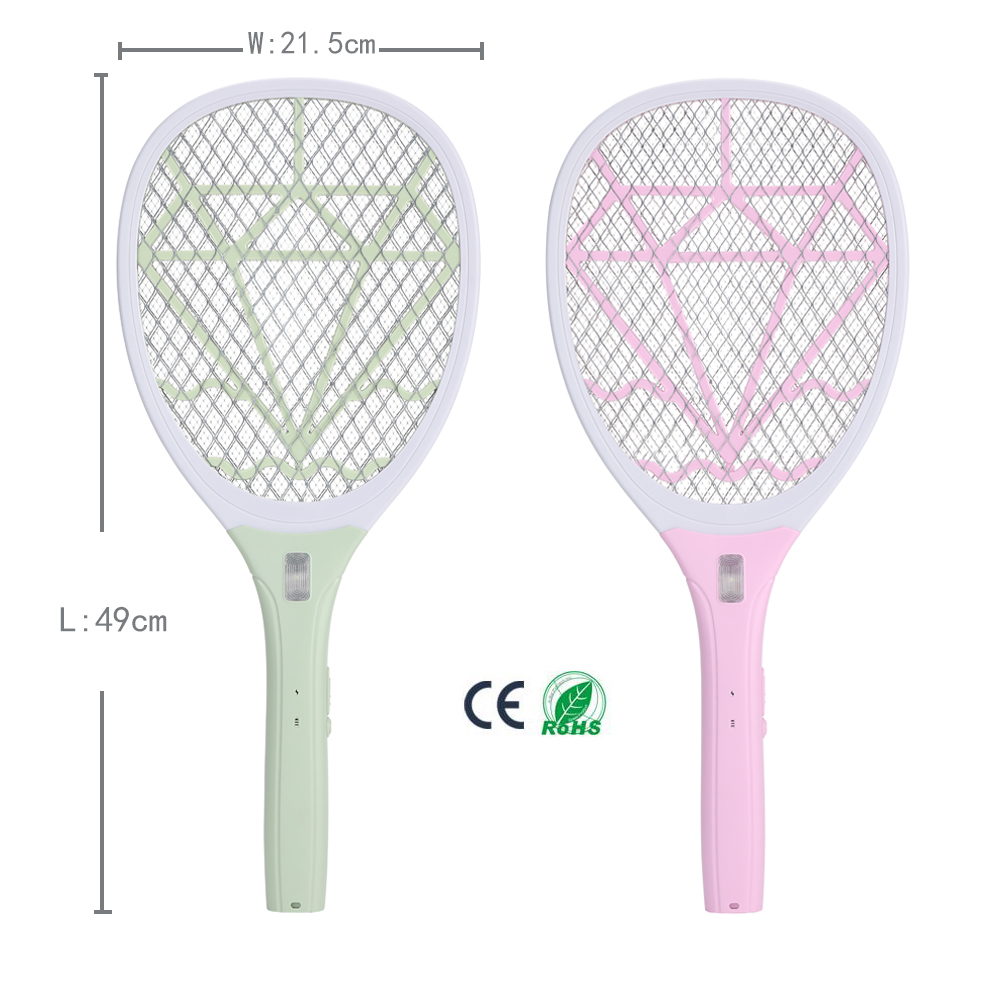
III. Additional Reminder: Choose the Right Electric Mosquito Swatter for Easier Maintenance
In addition to proper maintenance, choosing the right electric mosquito swatter is also important. When purchasing, it is recommended to prioritize products of the following two types:
- Battery capacity ≥ 1200mAh: A battery with a larger capacity has stronger battery life and is more resistant to wear, avoiding damage to the battery caused by frequent charging.
- Electric grid with a protective net: An electric mosquito swatter with an outer protective net can effectively prevent the electric grid from deformation and accidental contact, making it especially suitable for families with children.
In fact, an electric mosquito swatter is not a "disposable item". As long as you master the correct maintenance methods and avoid common usage mistakes, it is very easy to make it last for 3 years or even longer. Instead of frequently replacing your electric mosquito swatter, start taking good care of this "mosquito-repelling essential" in your home today—it will save you money and hassle!
Can We Really Say Goodbye to Mosquitoes if the Weather Cools Down
Say Goodbye to Mosquito Troubles
Related Article

If you’re struggling with annoying mosquitoes, flies, and other flying pests indoors and outdoors, upgrading from traditional manual tools to anElectric Mosquito Swatter is the most efficient solution. Many homeowners and renters search where to buy fly swatter online to find durable, safe, and high-performance electric models that deliver instant pest control.
Where to Buy Fly Swatter
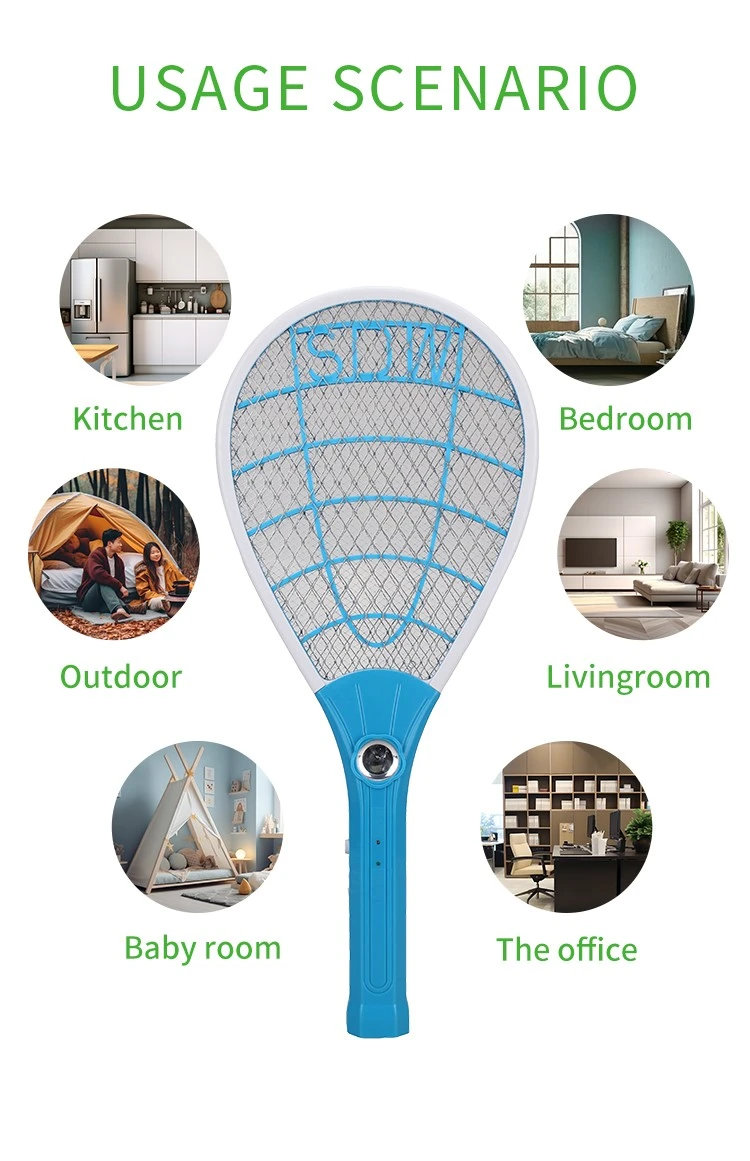
Most importers of electric mosquito swatters obsess over the first order: samples requested, factories vetted, a pre-shipment inspection booked. Then the reorder arrives eight months later and something is off. The grid feels softer. The charge port is a slightly different shade of black. The carton thickness dropped from 350 gsm to 300 gsm. Nothing is catastrophic — but the product no longer matches what your retail customers approved, and quietly, your return rate starts climbing.
How to Keep Mosquito Swatter Quality Consistent Across Repeat Orders
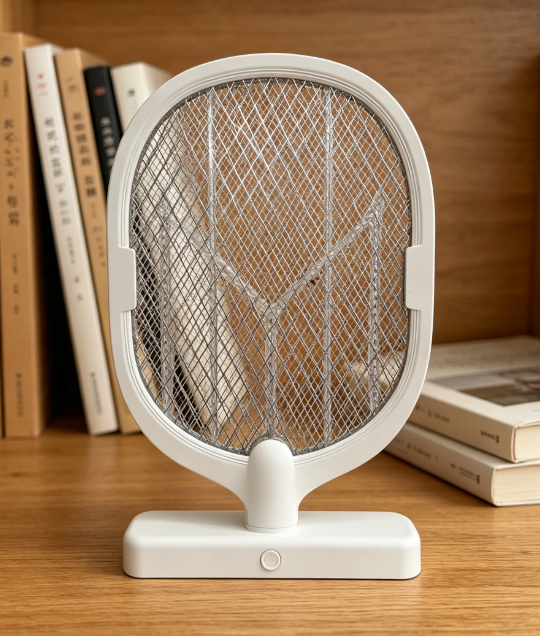
Warranty returns are the silent margin killer in the mosquito control category. A distributor who buys a swatter at $1.80 FOB and retails it at $9.90 can absorb a 1% return rate without noticing — but at 5%, the combined cost of replacement units, reverse logistics, and refund processing erases most of the line's profit.
Common mosquito swatter killer lamp failure modes wholesale spec guide

Digital bathroom scales rank as the second-highest-volume consumer weighing product category, only behind kitchen scales, with distinct market and product characteristics that set them apart from other scale types in importers’ product portfolios.
Digital bathroom body fat-bia-scale wholesale buyers guide