
Eco-Friendly Pest Control
2026-04-01
Eco-Friendly Pest Control: The Sustainability Benefits of Electric Mosquito Swatters
As summer arrives, mosquitoes become an unavoidable nuisance, disrupting our outdoor activities and even posing health risks by transmitting diseases. While pest control is essential, many traditional methods—from chemical sprays to disposable mosquito coils—come at a hidden cost to the environment. Enter electric mosquito swatters: a simple, effective, and sustainable alternative that aligns with eco-friendly living. In this blog, we’ll explore why electric mosquito swatters are a game-changer for sustainable pest control and how they benefit both our planet and our well-being.
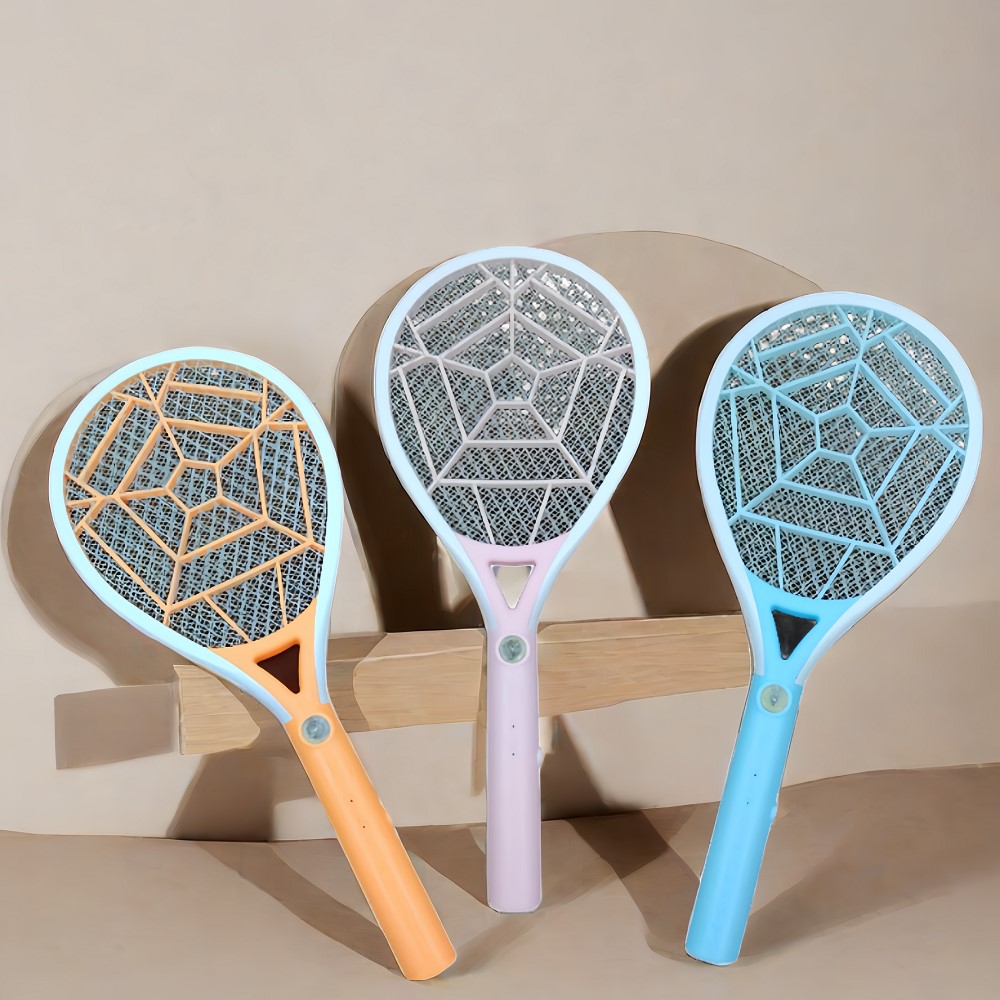
Why Electric Mosquito Swatters Stand Out for Sustainability
Sustainability in pest control means minimizing harm to ecosystems, reducing waste, and lowering carbon footprints. Unlike conventional methods that rely on toxic chemicals or single-use materials, electric mosquito swatters operate on a clean, reusable model. Their design and functionality address key environmental pain points, making them a preferred choice for eco-conscious households.
1. No Toxic Chemicals, No Environmental Contamination
One of the biggest environmental drawbacks of traditional mosquito control is the use of chemical repellents and insecticides, such as DEET. These chemicals are not only harmful to human health—causing skin irritations, respiratory issues, and even long-term endocrine disruption—but they also pollute our waterways and soil. Studies have shown that DEET, a common active ingredient in repellents, is accumulating in drinking water supplies, rivers, and groundwater worldwide, creating a silent environmental burden that persists over time. Disposable mosquito coils, meanwhile, release toxic fumes that contribute to air pollution and leave behind non-biodegradable waste.
Electric mosquito swatters eliminate this risk entirely. They use physical electrical shock to kill mosquitoes on contact, requiring no chemicals, sprays, or toxic fumes. This means no harmful substances leach into the soil, contaminate water sources, or harm beneficial insects like bees and butterflies—critical components of our ecosystem. For households with children, pets, or individuals with chemical sensitivities, this non-toxic approach is not just eco-friendly but also safer for overall health.
2. Low Energy Consumption and Reusable Design
Sustainability also hinges on reducing energy use and waste, and electric mosquito swatters excel in both areas. Modern models are designed with energy efficiency in mind: most use low-voltage batteries (3-6V) and operate in a pulse mode, consuming minimal power. A typical electric swatter has an average daily power consumption of just 0.008W, meaning a pair of AA batteries can last up to 1500 hours of use. Rechargeable models, which are increasingly common, take this a step further by using USB charging and lithium-ion batteries that can be recharged hundreds of times, eliminating the need for disposable batteries that end up in landfills.
Unlike single-use pest control products—such as disposable mosquito mats or spray cans that are discarded after use—electric mosquito swatters are built to last. With proper care, a high-quality swatter can serve a household for years, reducing the amount of waste generated by pest control. Many models also feature durable materials like modified benzene (HIPS) and stainless steel grids, ensuring longevity and minimizing the need for replacement.
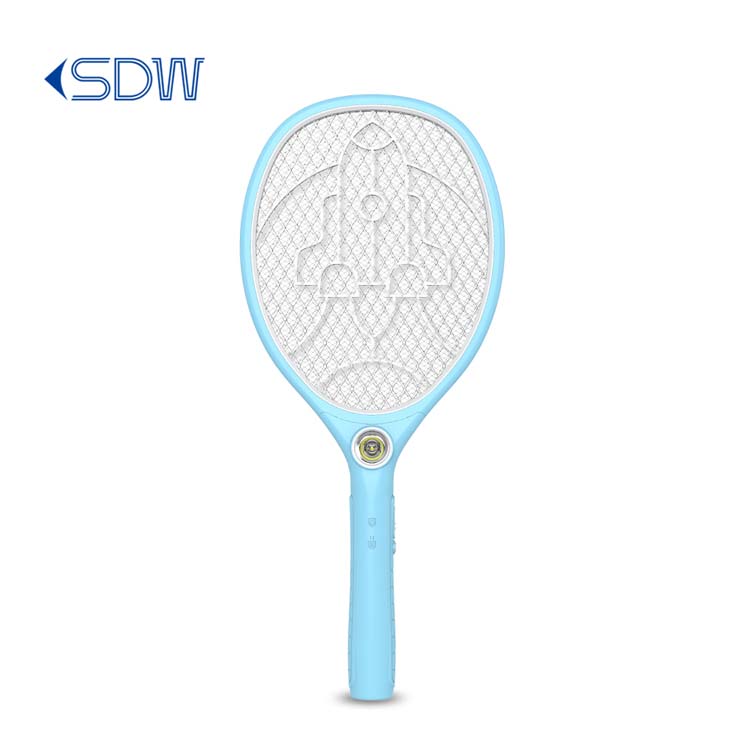
3. Gentle on Ecosystems, Targeted Pest Control
Traditional chemical pest control methods are often indiscriminate, killing not just mosquitoes but also beneficial insects that play a vital role in pollination and pest regulation. For example, chemical sprays can harm bees, ladybugs, and other natural predators that help keep mosquito populations in check. Even DDT, a once-widely used insecticide, was found to accumulate in the food chain, causing declines in bird populations and harming wildlife as far as Antarctica.
Electric mosquito swatters offer targeted control: they only kill the mosquitoes (and other small pests like flies or gnats) that come into direct contact with the electric grid. This precision ensures that beneficial insects remain unharmed, preserving the balance of local ecosystems. Additionally, since they don’t release chemicals into the air or water, they don’t disrupt the natural habitats of aquatic life or soil organisms—a key advantage over chemical-based methods.
Practical Tips for Maximizing Sustainability with Electric Mosquito Swatters
To get the most out of your electric mosquito swatter and further reduce your environmental impact, follow these simple tips:
-
Choose rechargeable models: Opt for swatters with USB charging and reusable lithium-ion batteries to avoid disposable battery waste. Many modern models offer fast charging (3-4 hours) and long battery life (up to 30 days), making them convenient and eco-friendly.
-
Use it strategically: Focus on areas where mosquitoes are most active (e.g., near windows, outdoor patios) to minimize unnecessary energy use. Some models feature purple light to attract mosquitoes, allowing for passive, energy-efficient pest control at night.
-
Maintain your swatter: Clean the electric grid regularly to ensure optimal performance, and store it properly to extend its lifespan. Most swatters are easy to clean with a dry cloth, and their durable design means they can withstand regular use.
-
Dispose of old swatters responsibly: When your swatter reaches the end of its life, recycle the battery (if rechargeable) and dispose of the body according to local recycling guidelines. Avoid throwing it in the trash, where it could contribute to electronic waste.
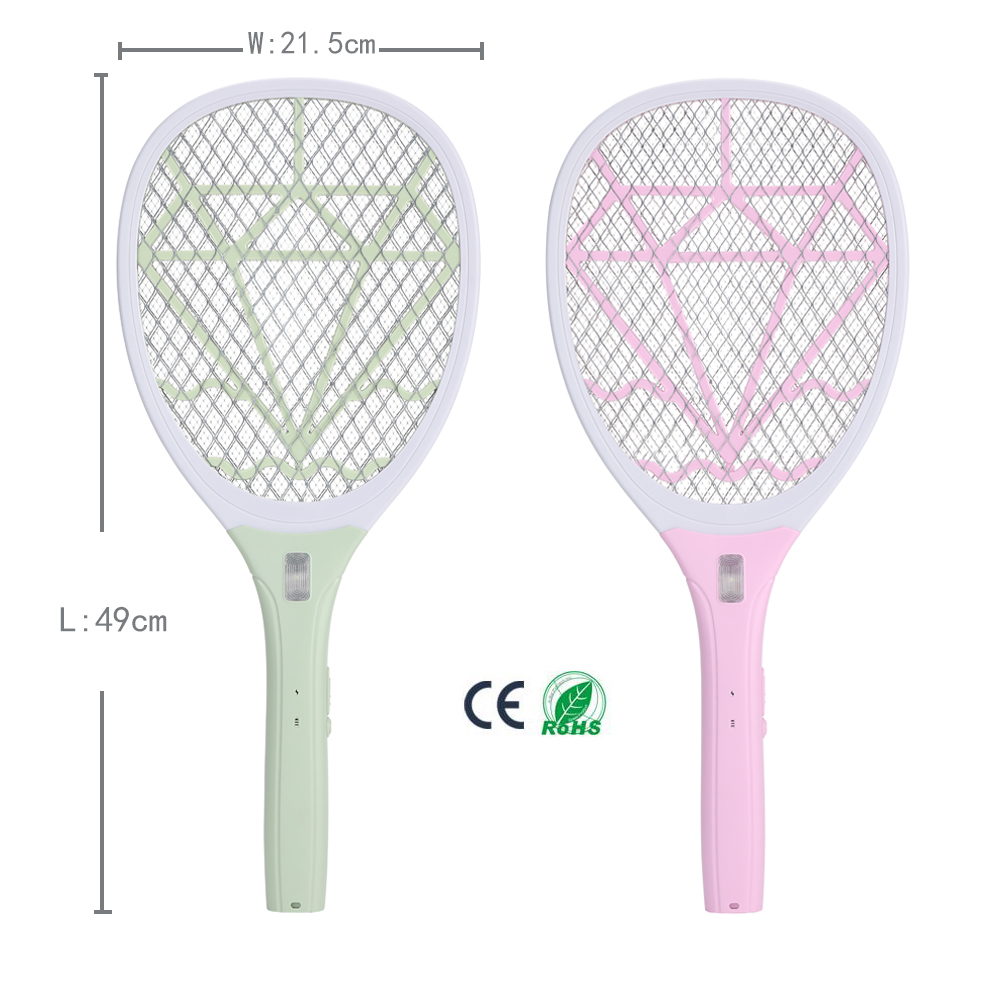
Conclusion: A Small Change for Big Environmental Impact
Electric mosquito swatters prove that effective pest control doesn’t have to come at the expense of the environment. By eliminating toxic chemicals, reducing waste, and minimizing energy use, they offer a sustainable solution that benefits both our planet and our health. In a world where eco-friendly living is more important than ever, small choices—like switching to an electric mosquito swatter—add up to make a significant difference.
This summer, skip the harmful chemicals and disposable products. Choose an electric mosquito swatter, and enjoy a mosquito-free season while doing your part to protect the environment. After all, sustainable living starts with the small, everyday decisions we make.
Generic vs Branded Electric Mosquito Swatters
Energy-Saving Mosquito Killer Recommendations
Related Article

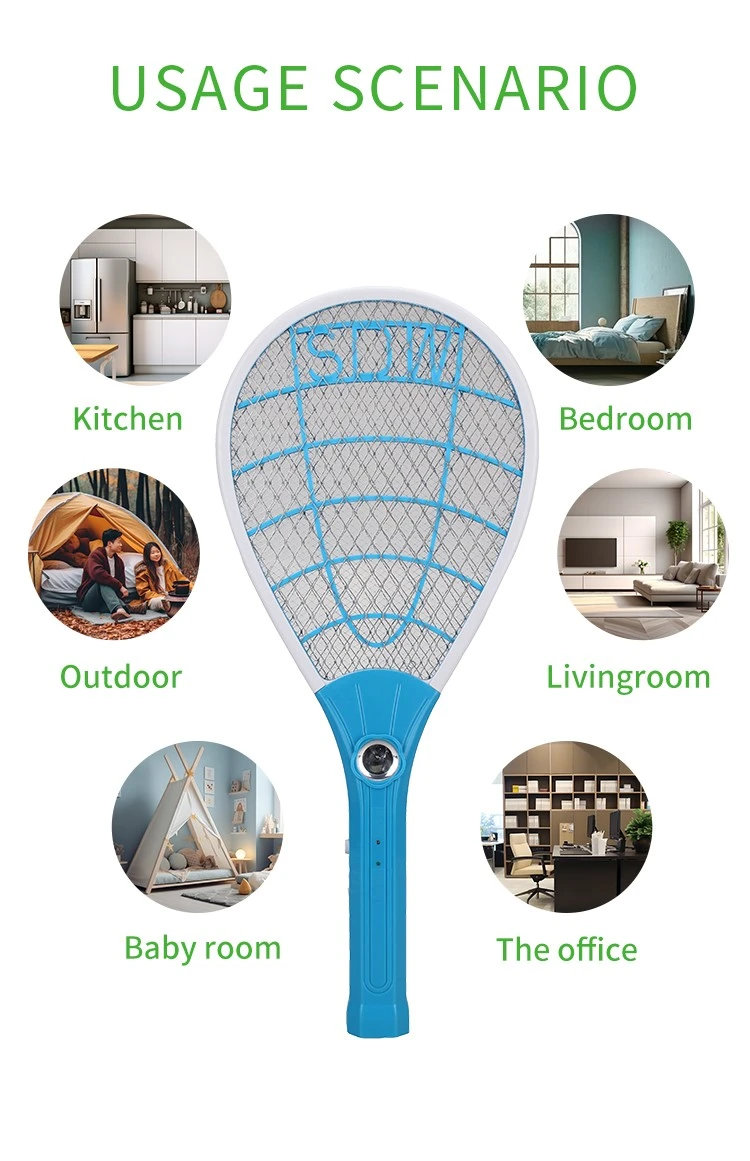
If you’re struggling with annoying mosquitoes, flies, and other flying pests indoors and outdoors, upgrading from traditional manual tools to anElectric Mosquito Swatter is the most efficient solution. Many homeowners and renters search where to buy fly swatter online to find durable, safe, and high-performance electric models that deliver instant pest control.
Where to Buy Fly Swatter
Most importers of electric mosquito swatters obsess over the first order: samples requested, factories vetted, a pre-shipment inspection booked. Then the reorder arrives eight months later and something is off. The grid feels softer. The charge port is a slightly different shade of black. The carton thickness dropped from 350 gsm to 300 gsm. Nothing is catastrophic — but the product no longer matches what your retail customers approved, and quietly, your return rate starts climbing.
How to Keep Mosquito Swatter Quality Consistent Across Repeat Orders
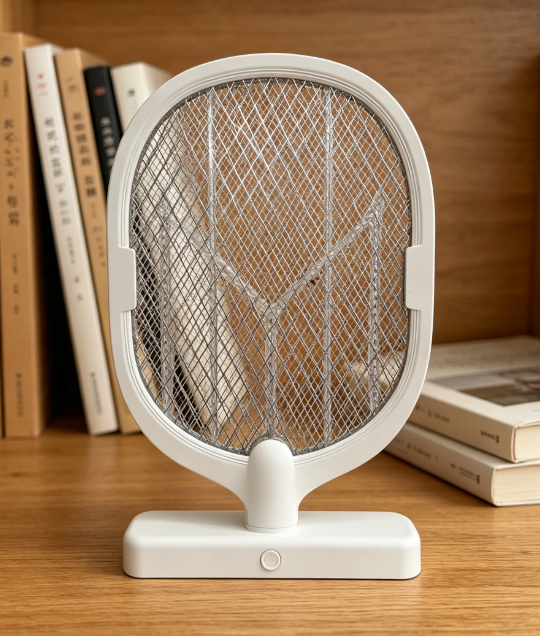
Warranty returns are the silent margin killer in the mosquito control category. A distributor who buys a swatter at $1.80 FOB and retails it at $9.90 can absorb a 1% return rate without noticing — but at 5%, the combined cost of replacement units, reverse logistics, and refund processing erases most of the line's profit.
Common mosquito swatter killer lamp failure modes wholesale spec guide

Digital bathroom scales rank as the second-highest-volume consumer weighing product category, only behind kitchen scales, with distinct market and product characteristics that set them apart from other scale types in importers’ product portfolios.
Digital bathroom body fat-bia-scale wholesale buyers guide